 Russia outlines a legal framework for cryptocurrencies starting in 2026. Photo: CryptoRank
Tighten discipline but open up with conditions.
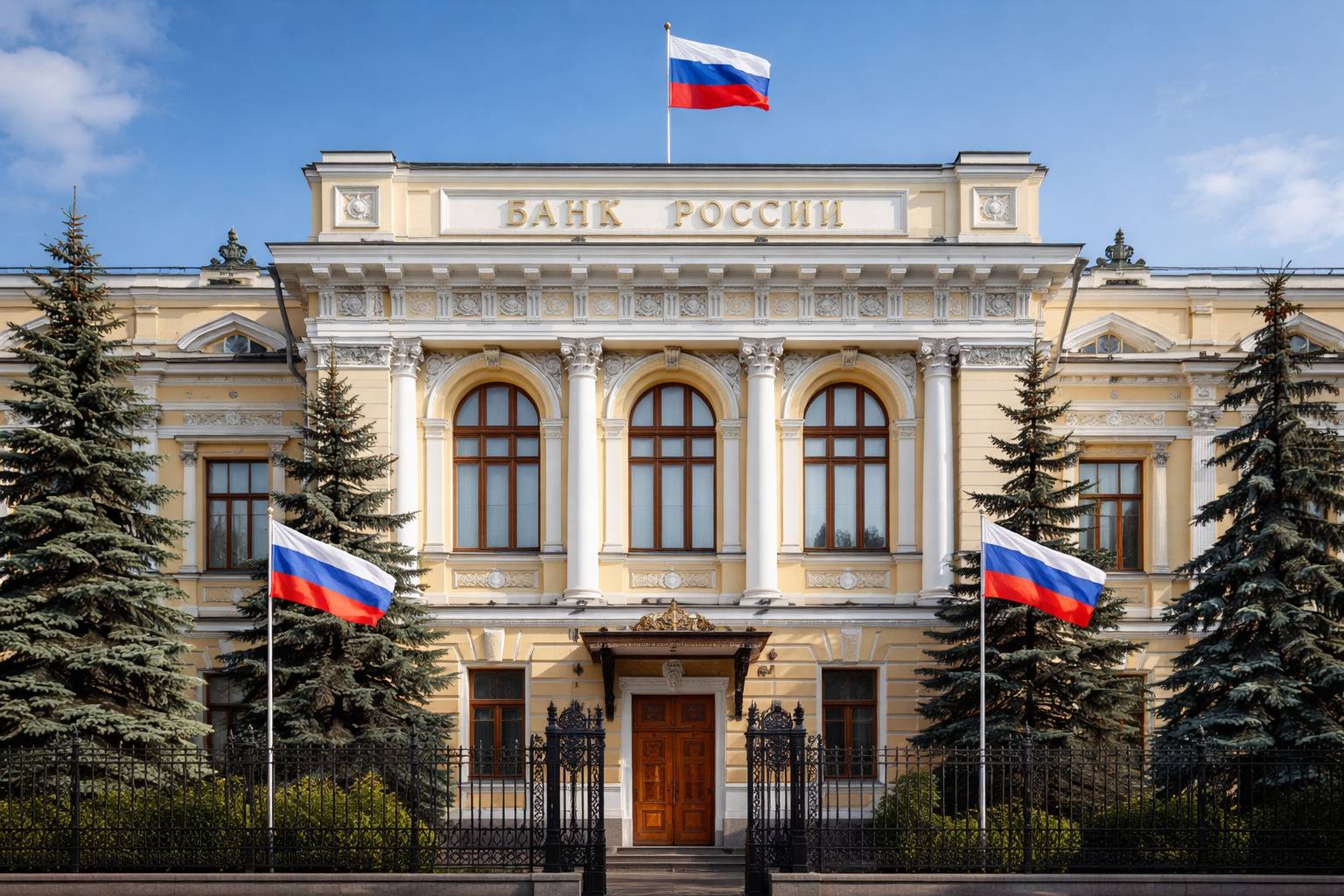
The Russian Central Bank has just announced a proposed new legal framework for cryptocurrencies , expected to be implemented from 2026 and fully completed by 2027, marking a significant shift in Moscow's already tough stance on digital Capital .
According to the proposal, both individual and institutional investors would be allowed to access cryptocurrencies through licensed platforms, but with knowledge tests, trading limits, and strict compliance penalties.
The Russian Central Bank stressed that opening up does not mean encouraging speculation. The institution further warned that cryptocurrencies are not issued or guaranteed by any country, are highly volatile, and are subject to risks from international sanctions.
"Investors need to understand that they assume all the risk of loss when deciding to invest in cryptocurrency assets," the Bank of Russia statement said.
One of the core boundaries reaffirmed is that cryptocurrencies and stablecoins are only recognized as monetary assets : they can be bought, sold, held, and traded, but not used as a means of payment domestically. It is evident that Russia remains determined to protect the exclusive Vai of the ruble in its domestic payment system, even while accepting crypto as an investment tool.
According to the proposed framework, ordinary Russian citizens can buy and sell cryptocurrencies through licensed intermediaries. Non-professional investors will be limited to a maximum purchase of 300,000 rubles (approximately $3,300) per year per intermediary, provided they pass a risk awareness test. Professional investors are not subject to volume limits, but must still meet the requirements for assessing their knowledge and financial capacity.
Recent reports indicate that the Russian Central Bank is XEM a more detailed investor stratification system , based on income, assets, and experience, similar to the management model used in the stock market. Meanwhile, privacy-focused cryptocurrencies that conceal transaction data continue to be completely banned.
The new legal framework grants legal status to crypto services offered by existing Russian financial institutions – including banks, brokerage firms, exchanges, and asset managers – if they operate within their current licenses. However, the Vai of banks will be limited by Capital, reserve, and risk control requirements, aimed at preventing crypto from becoming a systemic business.
At the same time, the Central Bank of Russia is paving the way for the development of a separate set of regulations for digital asset custodians and wallet providers, laying the foundation for a formal crypto market infrastructure, something the country had previously avoided.
Another notable change is allowing Russian residents to purchase cryptocurrencies abroad through offshore accounts, and then transfer the assets to licensed domestic platforms, provided they comply with mandatory tax declaration and reporting obligations.
The proposal also promotes the expanded use of Russian-issued digital financial assets, including the ability to circulate on public blockchain networks and the potential to open them up to foreign investors – a move with geopolitical implications as Russia seeks to diversify its access to Capital.
Pressure from market size
In fact, Russia had already begun accelerating its roadmap for legalizing and regulating cryptocurrencies as early as 2022, aiming to circumvent sanctions imposed by the US and Western countries related to the war in Ukraine, which were putting pressure on the country's payment system.
President Vladimir Putin once emphasized that Bitcoin is a prime example of an asset class that is not subject to control andcannot be banned , thereby signaling his support for the widespread use of cryptocurrencies in international transactions.
Figures cited in recent reports indicate that approximately 20 million Russians have been using cryptocurrency, with an estimated total holdings exceeding 800 billion rubles. This scale is XEM as one of the main drivers forcing authorities to shift from a preventative to a regulatory approach.
According to the current roadmap, a complete legal framework is expected to be finalized by mid-2026, and from 2027, any unlicensed crypto intermediary activity could be considered illegal financial business, potentially facing criminal penalties.
In that context, Russia is also paving the way for the establishment of a national cryptocurrency exchange , but only serving the ultra-wealthy and professional investors. According to plans confirmed by the Ministry of Finance and the Central Bank, only individuals with financial assets exceeding 100 million rubles (~$1 million) or annual income exceeding 50 million rubles (~$500,000) will be allowed to trade on the platform.
Coin68 compilation