
This article is machine translated
Show original
These past few days, I've been out eating, drinking, and partying with friends. One guy, a big fan of streetwear, wore a pair of Off-White pants and started giving me a rundown of streetwear brands.
He said that in Asia, you basically only need to look at Edison Chen and Hiroshi Fujiwara. Many brands and styles were first popularized by these two, then became trendy for a group of people around them. Finally, it spread to the general public who like streetwear. He has a pair of Chrome Hearts jeans that he bought for $6,000 back then, and now they're worth over $20,000.
I thought, "This is exactly like the NFT era in our circle!" When the monkey first came out, everyone thought it was ugly; when it reached 100 ETH, everyone thought it was cool, and there were all sorts of debates... Then all sorts of new NFT images "opened," regardless of their beauty or ugliness, some fetched high prices, some didn't.
While the creator's fame is certainly relevant, it seems to be more related to the dissemination effect of a group of NFT "cabals." In other words, this group controlled the discourse on "which images represent coolness." Just like Edison Chen, Shawn Yue, Hiroshi Fujiwara, and their close associates like Cabal, who wield significant influence in the streetwear scene,
value isn't determined by beauty or ugliness, but by who defines "cool." To put it more bluntly:
1. Aesthetics aren't determined by democratic voting.
2. Price precedes consensus.
3. Consensus is created within small circles and then spreads outwards.
So I'm curious, were those "newcomers" (those involved in blockchain and DeFi considered veterans) who were good at using small images back in 2022 all familiar with the tricks and strategies of streetwear? Are there any knowledgeable folks who can explain?
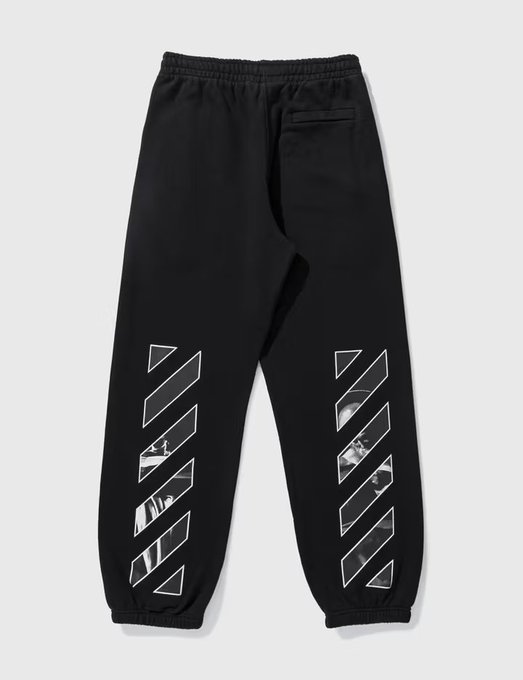
I used to be a big fan of Off-White and bought a lot of them.
And Supreme RO and those...

From Twitter
Disclaimer: The content above is only the author's opinion which does not represent any position of Followin, and is not intended as, and shall not be understood or construed as, investment advice from Followin.
Like
Add to Favorites
Comments
Share
Relevant content