2
In 2025, we witnessed a crazy year for the crypto market. Bitcoin surged to a new high of $126,000, fueled by a large influx of institutional investors and Trump's comprehensive crypto-friendly policies. However, before the hype could subside, the market was soon hit by the shadow of the trade war, the return of macroeconomic uncertainty, and the emerging tension between valuation and fundamentals.
Amidst the ever-changing and turbulent waves, some choose to leave; but a group of people always choose to stay on the front lines, using technology and conviction to promote the development of the Web3 industry, and continuously demonstrating their profound development capabilities and leadership to the world.
Now in its eighth year , the Tempo 30 Award , recognizing the 30 most influential people of the year, has added a Chinese-speaking category for the first time, in addition to the Taiwan list. We hope to create a more cross-regional communication indicator and promote exchange, cooperation, and innovation within the industry.
Nearly 200 candidates were nominated for this selection, attracting over 10,000 community users to participate in the voting. After rigorous evaluation by 25 industry experts and the Dongqu content team, 90 leaders who made outstanding contributions in areas such as Web3 applications, corporate innovation, ecosystem investment, policy promotion, and community influence were selected (divided into three lists: Taiwan Industry Influence, Community KOL, and Chinese World).
We also invited them to share their key market predictions and Web3 trend observations for 2026. We hope the Tempo 30 Award will help you quickly grasp the latest market dynamics and opportunities in the new year, and let's continue to BUIDL & HODL together.
Disclaimer: The annual Influential Person of the Year selection by Dongqu is based on the individual's achievements, deeds, public influence, and industry impact over the past year. However, the cryptocurrency market is volatile, and Dongqu can only guarantee the positive influence of the individual in the past and present, but does not guarantee the future performance or behavior of those selected for this list, nor does it constitute investment advice.
Taiwan's Most Influential Industry Figures List
Hsieh Ming-hua / Chairman of the Taiwan Asia-Pacific Supervision Technology Association 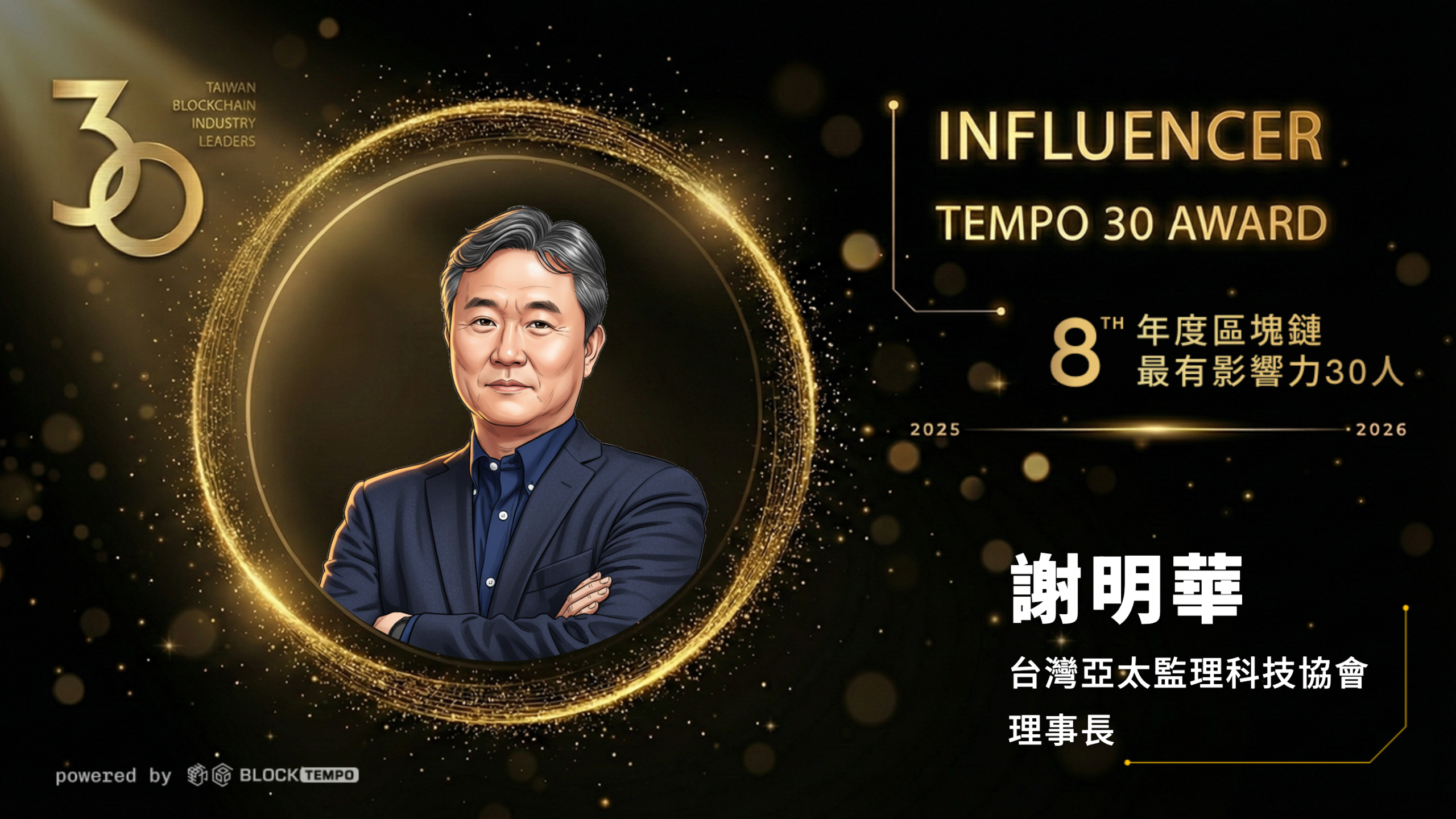
- Currently serving as Professor and Director of the Risk Management and Insurance Center at the Department of Risk Management and Insurance, National Chengchi University, and Chairman of the Taiwan Asia-Pacific Supervisory Technology Association.
- Areas of expertise include fintech (artificial intelligence and blockchain), financial oversight, sustainable finance, and oversight technology. Close attention is paid to compliance developments related to cryptocurrencies and the tokenization of real-world assets.
Xie Minghua's 2026 Predictions and Observations:
Looking ahead to 2026, the blockchain industry will gradually shift to a more crucial path. The market will no longer chase technology, but instead focus on the fundamental question: can digital assets be reliably custodied and protected? Digital asset custody will thus become the cornerstone of trust, determining whether this emerging field can gain acceptance and integration into the traditional financial system.
On a robust custodial foundation, stablecoin issuance acts like new blood vessels, linking the order of the fiat currency world with the efficiency of the on-chain world. It possesses transparency, redeemability, and trustworthiness. Moving further forward, the tokenization of Real-World Assets (RWAs) is reshaping asset forms, enabling them to flow, be divided, and be redefined on-chain.
In 2026, blockchain will no longer be touted as disruptive, but will instead be integrated into the underlying architecture of the new financial system, becoming an important foundation supporting the future economic landscape, thanks to the reliability of custody, the discipline of stablecoins, and the real value brought by RWA.
_
Lu Zijian / BINGX Asia Pacific Business Operations Director 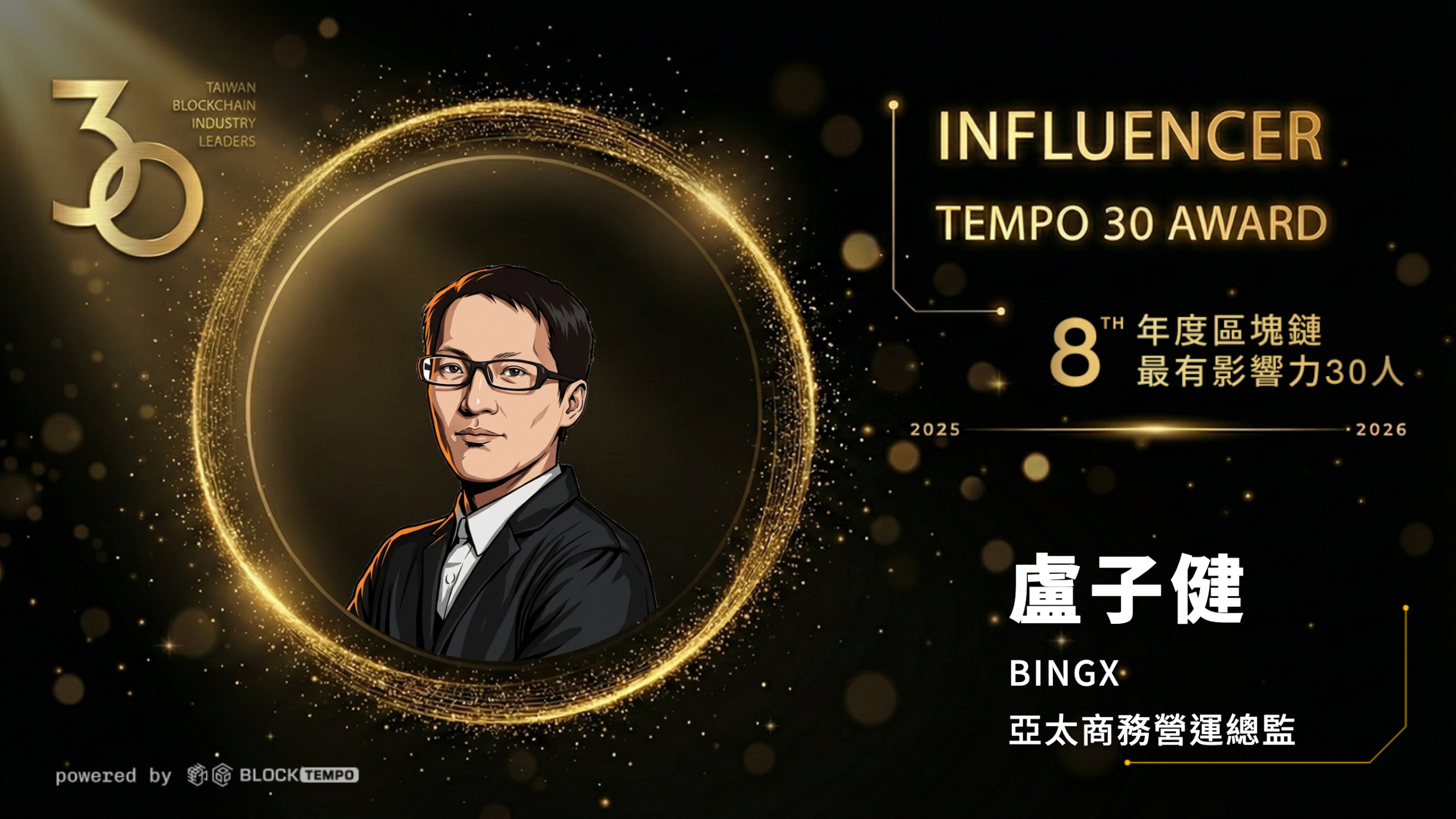
- Lu Zijian led BingX's business development and growth in the Asia-Pacific market, promoting localization and marketing in Japan, South Korea, Southeast Asia, and other regions, emphasizing the penetration of "contract + hybrid trading products" in regional markets.
Lu Zijian's 2026 Predictions and Observations:
The crypto market is transforming: from a high-volatility casino to an investable financial system.
For the past few years, the cryptocurrency market has long been synonymous with high risk and strong speculation, but this perception is now quietly changing. Speculative behavior still exists in the market, but it is no longer just a casino driven by emotions and narratives; instead, it is gradually forming a structured and predictable investment arena.
Bitcoin's shift in role is the clearest signal of this transformation. It's no longer just a "digital gold" slogan, but has been validated by multiple market cycles and is now considered a viable asset class by institutional investors. Compared to the past pursuit of explosive growth, the current growth logic leans more towards stability, long-term sustainability, and risk diversification, gradually moving towards a positioning similar to mature financial assets.
Ethereum and its Layer 2 ecosystem take on the role of the practical application layer. The market's focus has shifted from "who has the most advanced technology" to "who is actually being used." The emergence of DeFi, RWA (Real-World Asset On-Chain), and enterprise-level applications has enabled on-chain activities to begin connecting with the real economy, and has also made blockchain no longer just an internal circulation system.
Under this structure, investment opportunities are mainly concentrated in three areas:
First, there are infrastructures with stable income models, such as exchanges, stablecoins, clearing and custody services. These types of projects can generate cash flow in both bull and bear markets.
Secondly, it connects traditional finance's RWA with the on-chain interest rate market, providing investment options with measurable risks and returns.
Third, there is the Layer 2 and modular architecture that carries the actual users and the flow of funds.Of course, short-term speculation still exists, and the market will continue to pay for narratives and sentiment. However, the overall trend has shifted from "explosive growth" to "stable expansion." The real key is not who can speculate the fastest, but who can find a long-term balance between regulation, business models, and technology.
This is a sign that the crypto industry is moving towards maturity.
_
Lin Zhichen / Chairman and Partner of AppWorks 
- AppWorks Accelerator and Fund continuously invests in and supports numerous Web3/blockchain startups, focusing on infrastructure, public chain tools, and application products.
- In May 2025, the "Taiwan Virtual Asset Exchange (TWEX)" was launched, becoming one of the first locally compliant trading platforms driven by a large telecommunications and conglomerate background.
Lin Zhichen's 2026 Predictions and Observations:
In 2026, Web3 will officially begin to fulfill its initial promise of "new financial infrastructure." Financial institutions have tested the waters in recent years and will begin to deeply integrate blockchain technology for the optimization of payments, transactions, asset management, and clearing and settlement. These developments are not only technological practices but also the beginning of a major upgrade of financial services.
_
Wang Xiaowei / Executive Director of the Ethereum Foundation 
- Hsiao-Wei Wang is a senior blockchain expert from Taiwan who has served as a co-executive director of the Ethereum Foundation since March 2025.
- She and Tomasz Stańczak jointly lead the foundation, dedicated to coordinating global development resources, driving protocol upgrades, and continuously expanding the decentralized influence of the Ethereum ecosystem.
_
Ge Rujun / Legislator 
- They frequently share Taiwan's experimental experiences in blockchain applications and governance on domestic and international forums, becoming an important bridge connecting Taiwan's political circles with discussions on the blockchain industry and policy.
- The host of the podcast "Blockchain Friends Talk," who frequently engages in conversations with key figures in the Web3 industry, bringing listeners popular science knowledge about blockchain and NFTs through interesting discussions.
Ge Rujun's 2026 Predictions and Observations:
Next year will be Taiwan's year of virtual assets! The reason is simple: the VASP (Virtual Asset Service) bill, which was originally scheduled to be submitted to the Legislative Yuan for review, has been postponed to 2026. If all goes well, it should be able to be reviewed and passed before the end of the year. At that time, although the market may be volatile, the infrastructure will be more complete, and compliant and risk-controllable derivative applications are expected to be just around the corner.
_
Audrey / Radiance Ventures Founder 
- Audrey Yang is involved in early-stage projects related to public blockchains and transaction infrastructure through Radiance Ventures. Simultaneously, as CGO at Orderly Network, she focuses on the protocol's ecosystem and user growth, driving integration with multiple public blockchains and wallets.
Audrey 2026 Forecast and Observations:
The structure is set, a fast-paced marathon: Reflections on the Blockchain Industry in the Year of the Horse
In 2025, the blockchain industry underwent a structural reorganization, with the formal entry of institutional capital and the rapid formation of regulations and regulatory frameworks in various countries. The industry gradually shifted from a narrative and imagination-driven phase to a more pragmatic phase focused on implementation and efficiency.
In the past, many institutions kept their distance from blockchain, not because they denied its potential, but because they lacked clear compliance boundaries and risk definitions. However, after 2025, as the regulatory framework gradually became clearer, blockchain began to be seen as one of the deployable financial and enterprise infrastructures. Stablecoins, on-chain asset tokenization, on-chain settlement and clearing are no longer just concepts, but tools that have been incorporated into operational processes.
However, the accelerated implementation of regulations has also simultaneously altered market structures. In Asia, for example, South Korea's Travel Rule and the tax reporting, fund flow disclosure, and compliance requirements subsequently implemented in several countries have increased the operating and compliance costs for centralized markets. While enhancing transparency and user protection, these changes have also redefined efficiency and the way funds flow.
Against this backdrop, I believe that starting in 2026, we are likely to see an important trend: some transactions and fund flows will gradually shift from centralized platforms to on-chain and decentralized markets.
This is not because decentralized markets are trying to circumvent regulation; quite the opposite—once the rules are clear, the technological advantages of on-chain systems in terms of transparency, traceability, and automated compliance are more easily amplified and adopted.
The key to making such a migration possible lies in the maturity of blockchain infrastructure.According to A16Z's annual report, the overall transaction throughput of major blockchain networks has grown more than 100 times in five years, from less than 25 transactions per second to approximately 3,400 transactions per second today. This scale is comparable to Nasdaq trading volume during Black Friday or Stripe's global payment throughput, while the cost is only a fraction of that of traditional financial systems. This indicates that blockchain has truly met the requirements for supporting large-scale financial and commercial activities and is ready for the next stage of institutionalized applications.
Within the industry, this wave of maturation also places new demands on entrepreneurs and practitioners. I believe there's no need to repeatedly discuss crypto-native technologies themselves. What truly matters is possessing an understanding of the essence of blockchain technology and insights into financial distribution and market restructuring. Blockchain should be viewed as a foundational technological perspective, not the sole narrative.
Future competitive innovations will often stem from cross-disciplinary integration. For example, the combination of blockchain and AI-native technologies is giving rise to entirely new product forms and financial service models. When the composability of on-chain infrastructure meets the decision-making, automation, and efficiency capabilities of artificial intelligence, the result is not just cost optimization, but entirely new market possibilities.
Looking ahead, I believe 2026 will be a necessary period of restructuring.2025 saw the establishment of direction and structure, while 2026 is more like a year of returning to the basics—refocusing on cash flow, product viability, and the ability to continue operating under current conditions. Whether it's a company or a startup, both should prioritize ensuring the security and resilience of their cash flow before the first quarter of 2026 to cope with potential market and policy changes.
For individual investors, strategies also need adjustment. With the widespread adoption of Vibe Coding and AI-native tools, small, highly mobile teams are completing product validation and market testing at an unprecedented pace. These teams no longer require large amounts of capital to quickly test and iterate, and their corresponding return cycles are characterized by being "short, frequent, and fast." In this environment, an investment mindset focused on small amounts, multiple iterations, and rapid validation is more flexible.
When observing trends, I also believe that in addition to technical and capital data, it is equally important to appropriately refer to the wisdom of the ancients as a reminder of rhythm and state. Next year is the Year of the Fire Horse. If we regard it as a symbol, it does not represent impetuousness, but rather a combination of action, endurance, and a sense of direction—the key is not in sprinting, but in being able to move steadily forward in the right direction and output quickly.
As the industry matures, the market will no longer reward grand slogans, but rather small teams and individuals who are willing to be down-to-earth, make quick corrections, and keep moving forward. This may be the beginning of the next stage for blockchain after it has completed its structural restructuring.
_
Peng Shaofu / Chairman of the Taiwan Blockchain University Alliance 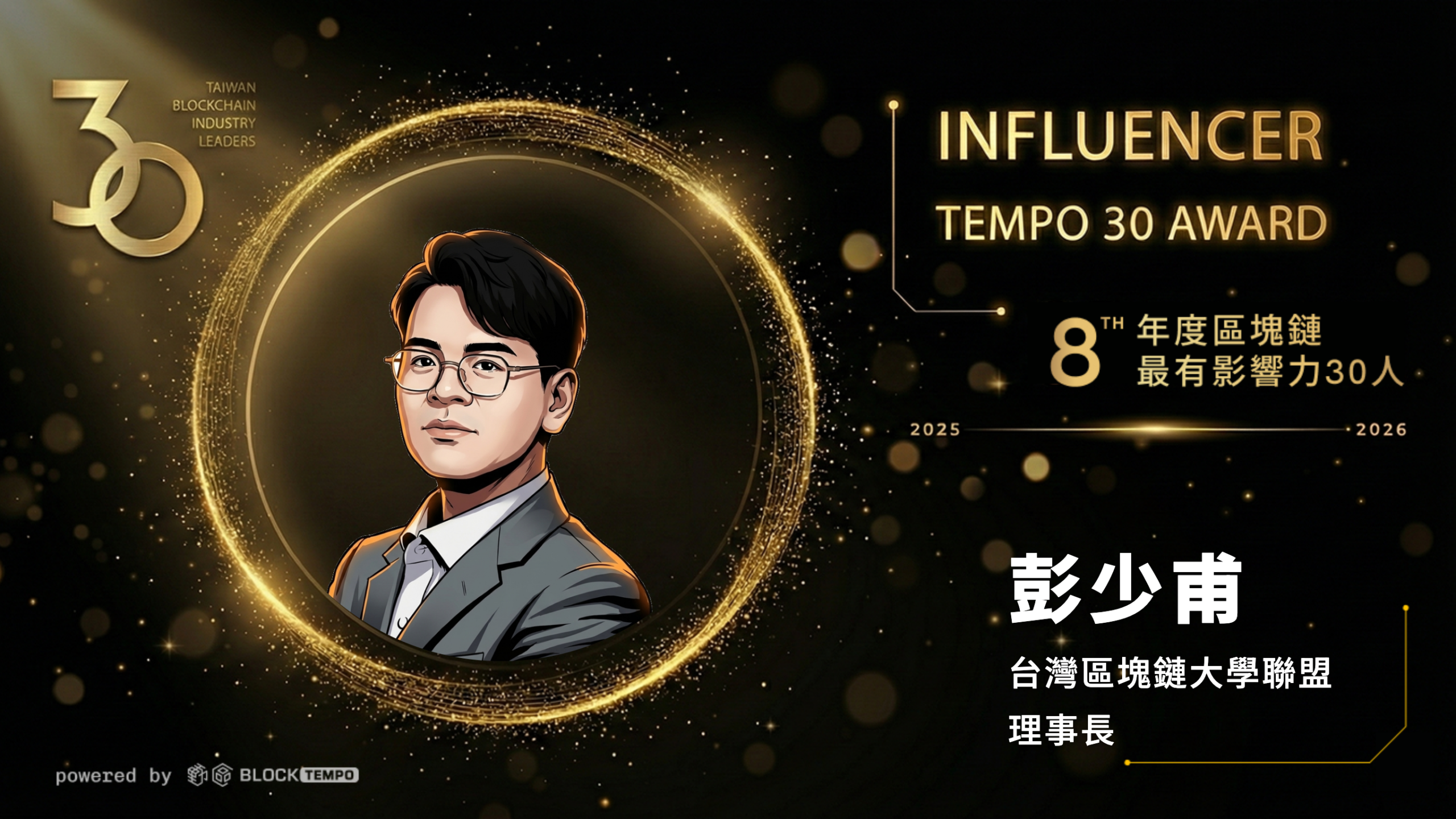
- Peng Shao-fu spearheaded inter-university collaborations within the Taiwan Blockchain University Alliance, promoting the establishment of blockchain and Web3 courses, practical projects, and industry-academia collaboration programs at multiple universities. He also organized a nationwide on-chain innovation competition, enabling students to develop DApps, DeFi, or NFT/RWA projects. He has become a key figure in "bringing blockchain into campuses and students into the ecosystem."
Peng Shaofu's 2026 Predictions and Observations:
The shift from narrative innovation to institutional integration should be a highly convergent consensus within the blockchain industry by 2026. Users are no longer concerned with which chain is superior, but rather with how to use blockchain services at a low cost without even realizing they are using it. Stablecoins and payments are transforming from transaction mediums into practical tools for cross-border transactions, settlements, and regulation.
For learners, resources are more abundant, but also more diverse, complex, and lacking a systematic approach. For job seekers, opportunities are more plentiful, but the expected knowledge and skills are also constantly increasing. Opportunities for cryptocurrency traders have decreased, or rather, the barriers to entry have risen; few are willing to risk their lives to seriously study and research, while many complain that things are not going as planned.
_
Wen Minghui / Founder of twin3.ai 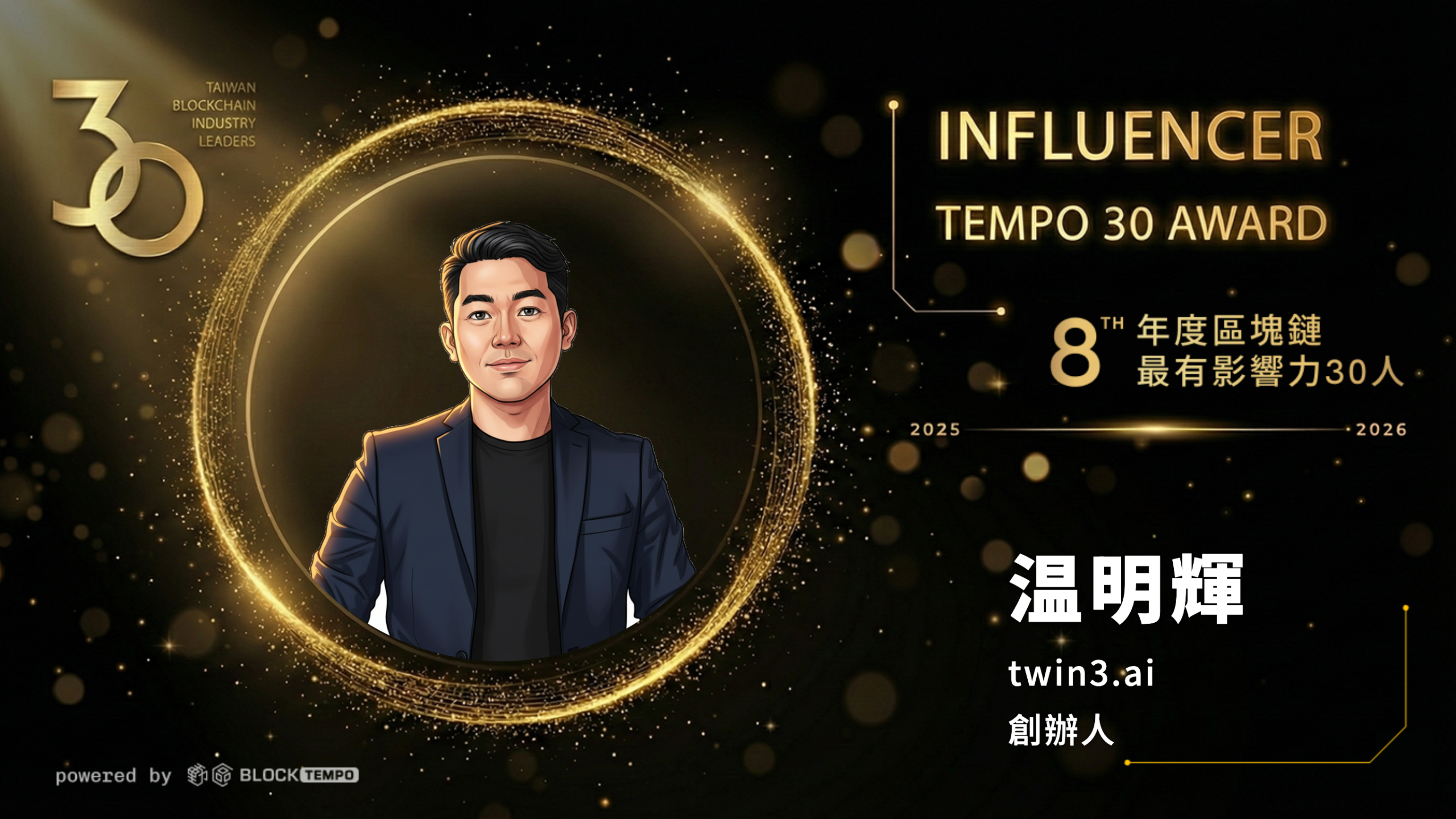
- The founder of the blockchain digital identity protocol twin3 aims to realize that human digital identity is an asset, allowing humans to autonomously participate in the workflow of AI through their digital bodies.
Wen Minghui 's 2026 Predictions and Observations:
By 2026, the internet will have achieved true Web 3.0 (Semantic Web). Information and services will be deconstructed from traditional web pages and abstracted into seamless, flowing data streams. We will no longer need to visit websites one by one; instead, various AI agents will autonomously access data and align with human needs, forming an efficient, autonomous, and self-evolving machine economy system.
However, as the internet enters the era of AI agents, humans will be unable to collaborate on an equal footing with this type of system if they still only appear through scattered accounts or data fragments. We must have a digital body that is autonomous, ubiquitous, machine-friendly, readable, and computable—that is, a Computable Human.
This is not just about digital identity; it's about enabling humans to appear in various forms as Human Agents, transforming personal values, tastes, and intentions into "native commands" that can be quickly understood by machines within an intelligent network. In a world rapidly permeated by AI, this digital body will become the basic unit for communication between humans and machines.
It will determine the endpoint of technological evolution—whether it's mere efficiency or genuine human value. This is what our team is working on. Thank you to BlockTempo for organizing this event, and thank you to the judges and members of the UX‧Three-Sword Style group for their support, allowing these words to be seen by more people.
_
Zhou Zijun / CEO of DA Capital 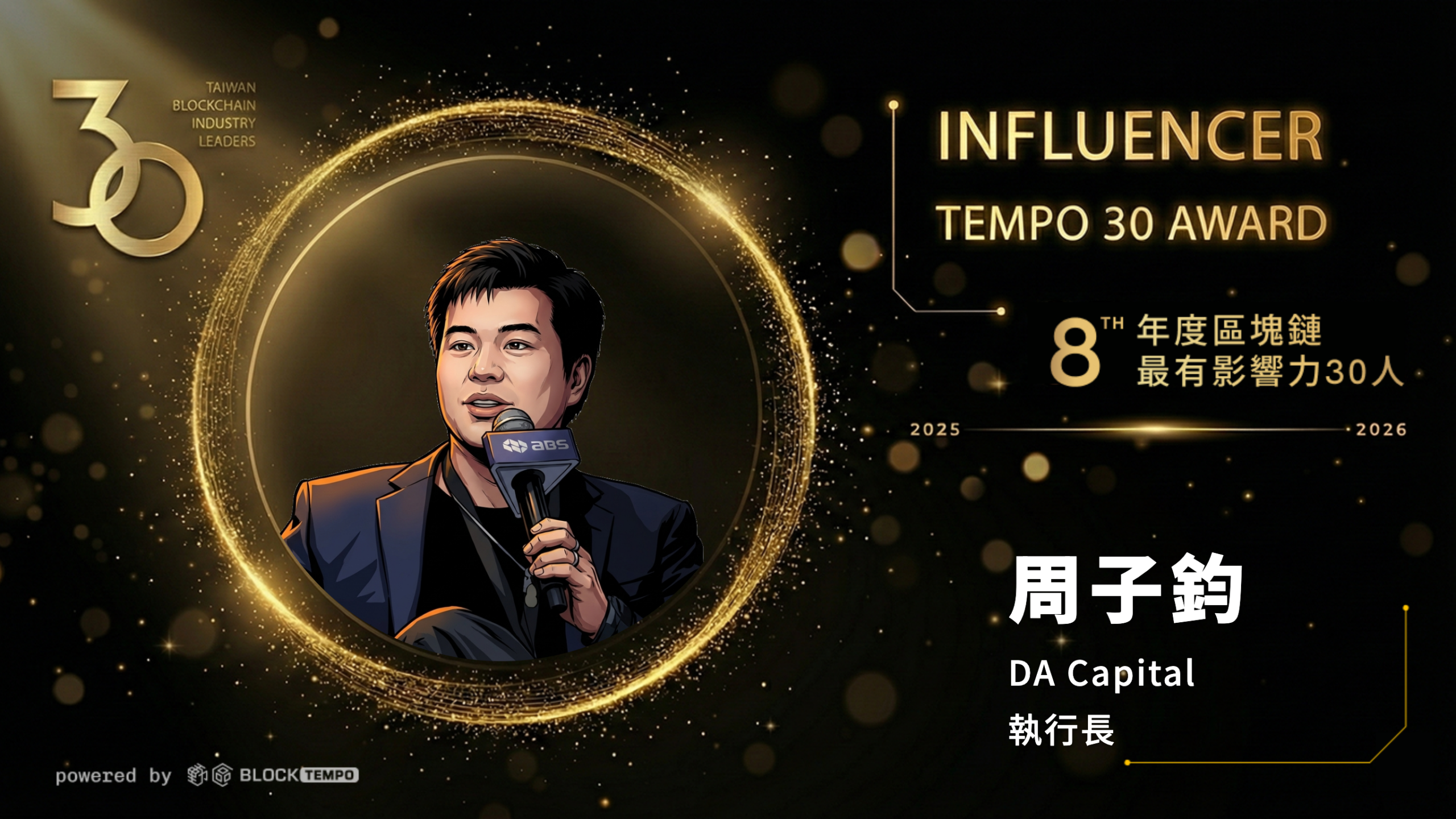
- Zhou Zijun, as the CEO of DA Capital and a crypto investor, focuses on early-stage public blockchains, DeFi, and infrastructure investments.
- On the one hand, I share my observations on market cycles, liquidity, and narrative shifts within the Chinese-speaking community. On the other hand, I accompany project teams in refining their business models and token economics through the roles of fund managers and personal advisors.
Zhou Zijun's 2026 Predictions and Observations:
From an outsider's perspective, 2025 will be a very good year for blockchain. From an insider's perspective, however, it will be a year where cryptocurrency prices are not performing well.
2025 will be a year of full maturity for blockchain in terms of both systems and industry, with clearer regulations, more US-listed companies actually entering the market, and a significant increase in acceptance outside the blockchain community.
I believe that starting in 2025/2026, the market will begin to shift from narrative-driven to product-driven. The outstanding performance this year of platform tokens like BNB and OKB, as well as HYPE, a dark horse in the DEX market, all stem from a large number of real users. Positively accumulated product credibility is forming a stable and slow upward force.
When the market is relatively sluggish, choosing a sector with good products is always a better option.
_
Tseng Ke-wei / Head of Asia Pacific at the IOTA Foundation 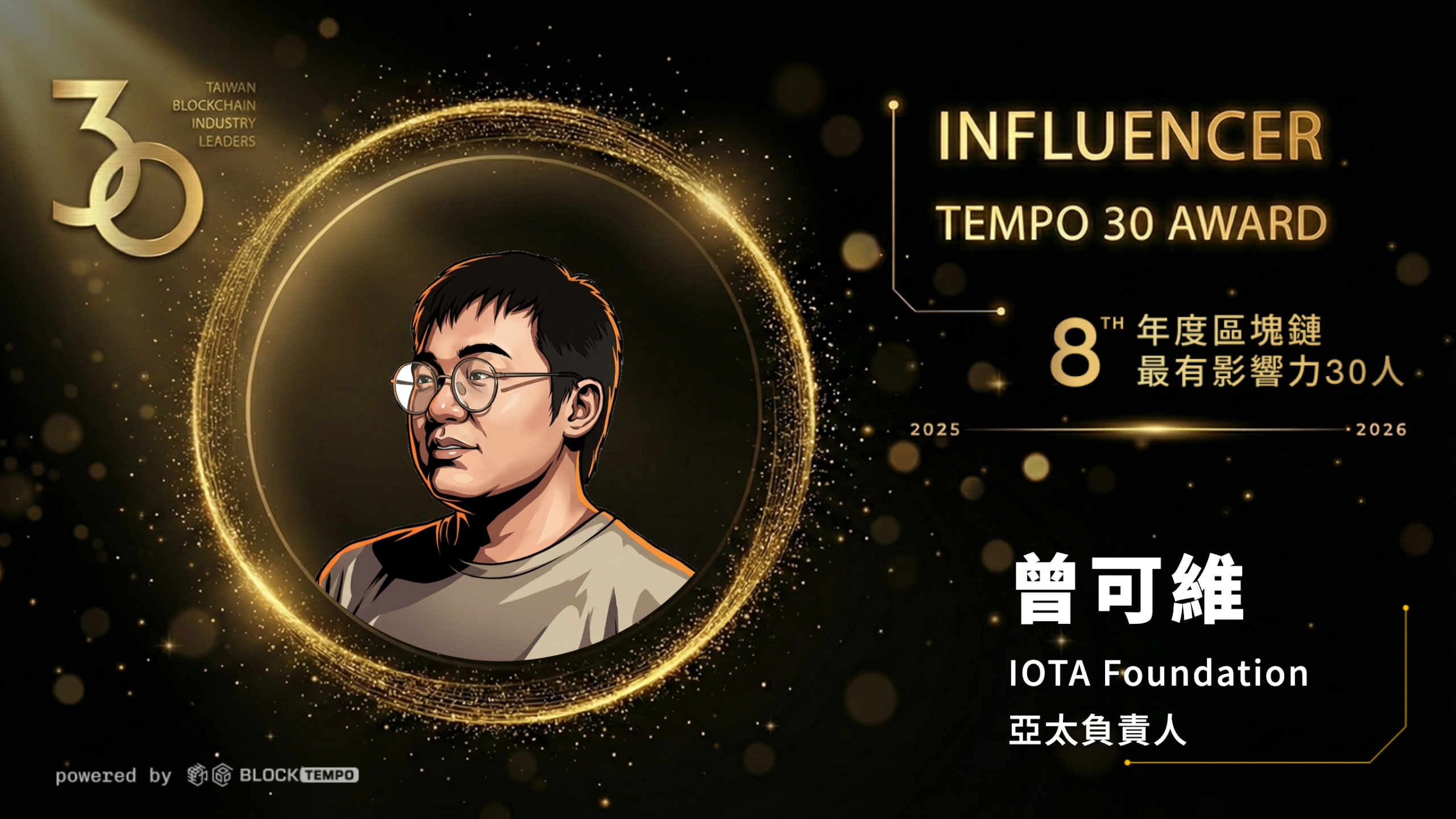
- Tseng Ke-wei, representing the IOTA Foundation, has been deeply involved in the Asia-Pacific market, promoting IOTA's pilot projects and collaborations in Internet of Things (IoT), smart cities, and supply chains. He has also been working with government and corporate partners to explore the application of Tangle technology in data trust and micropayments, demonstrating practical pathways for the "machine economy" to take root in the region.
Zeng Kewei's 2026 Predictions and Observations:
Stablecoins continue to expand their practical applications. USDC will be traded on-chain through x402 and US stocks, while USDT will be traded through commodities and trade finance. Neutral strategy stablecoins like USDE face limited room for survival and development, while emerging RWA stablecoins are making trade-offs between liquidity, asset quality, and yield.
DeFi focuses on transparent risks and real returns; relying solely on incentives, black-box curators, and stacking methods has proven unsustainable. Mobile DeFi app wallets will bring in new users, and Passkey and account abstraction will significantly improve the user experience.
The ongoing competition among PerpDEX platforms raises questions about how major platforms will retain users after launching their own tokens and how they will cope with newcomers.
The Ethereum mainnet, through exploring specialized rollup applications, sees the dominance of large-scale general-purpose L2 or EVM L1 systems, limiting the development of newcomers.
Solana continues to pursue its ICM vision in asset issuance and trading, and remains a leader in terms of user numbers and transaction fees.
Privacy continues to be a central theme: privacy-focused public blockchains, privacy payments, and privacy computing will continue to advance, and the holy grail of the cypherpunk movement is finally emerging as cryptocurrencies move into the mainstream.
The IOTA ecosystem continues to grow: enabling national-level trade and logistics to be on-chain on the MOVE VM mainnet, piloting projects in Asia, Europe, and the Americas in addition to Africa, and promoting trade finance and commodity RWA.
_
Liu Shih-Wei / Founder and CEO of MaiCoin 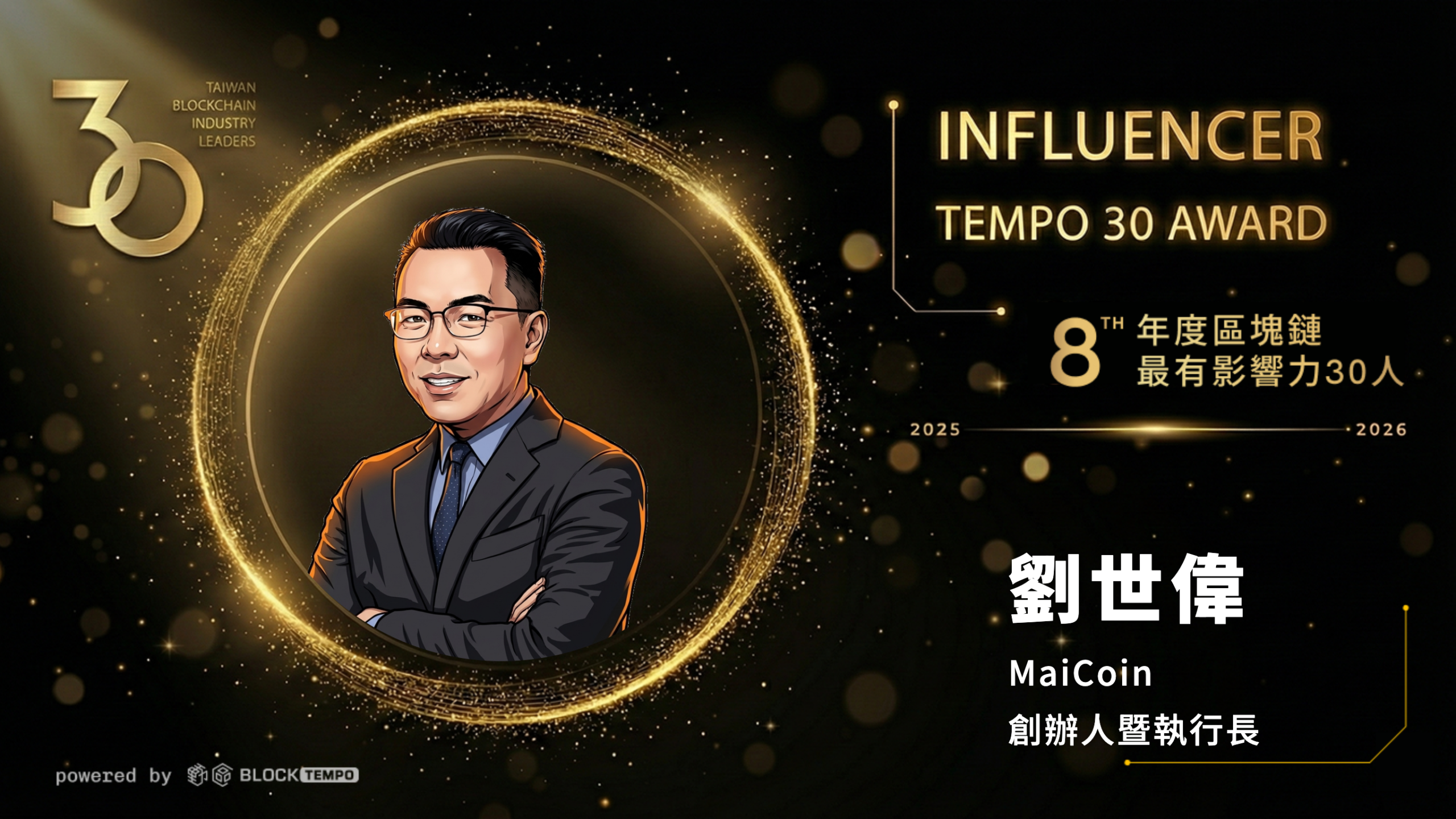
- MaiCoin officially passed the Financial Supervisory Commission's Virtual Asset Service Provider (VASP) registration review in September 2025.
- Taking MaiCoin's 10th anniversary as an opportunity, Liu Shih-wei reiterated the company's commitment to "building a legal and compliant infrastructure for crypto finance in Taiwan," and continued to plan for the group's IPO and new product lines.
Liu Shiwei's 2026 Predictions and Observations:
For the cryptocurrency industry, 2025 will be a year of structural change. In addition to being gradually considered by major countries for inclusion in long-term strategic reserves, the previous model driven by retail investors and halving mechanisms is being broken. Large institutional funds are entering the market one after another, becoming the dominant force in fluctuations. The market is undergoing a reshuffling of assets, with traditional financial institutions taking over. In particular, the regulation of the cryptocurrency industry by governments of various countries continues to become clearer. It is expected that large funds will continue to enter the market in the future, providing support for the upward growth of the cryptocurrency industry.
However, geopolitical factors still have a significant impact on the overall global economic dynamics, and the market is inevitably affected by international political and economic situations. Factors such as the progress of industry regulation in various countries and large-scale capital flows continue to play a role in market fluctuations. This makes the development of virtual assets crucial to the progress of regulation in various countries, especially in the area of Real-World Asset Tokenization (RWA Tokenization). If we can see positive progress in the compliance of various countries on related issues next year, it will lay a good foundation for building a more efficient and liquid next-generation capital market.
_
Director of the Fintech Department at Guokr/Hengye Law Firm 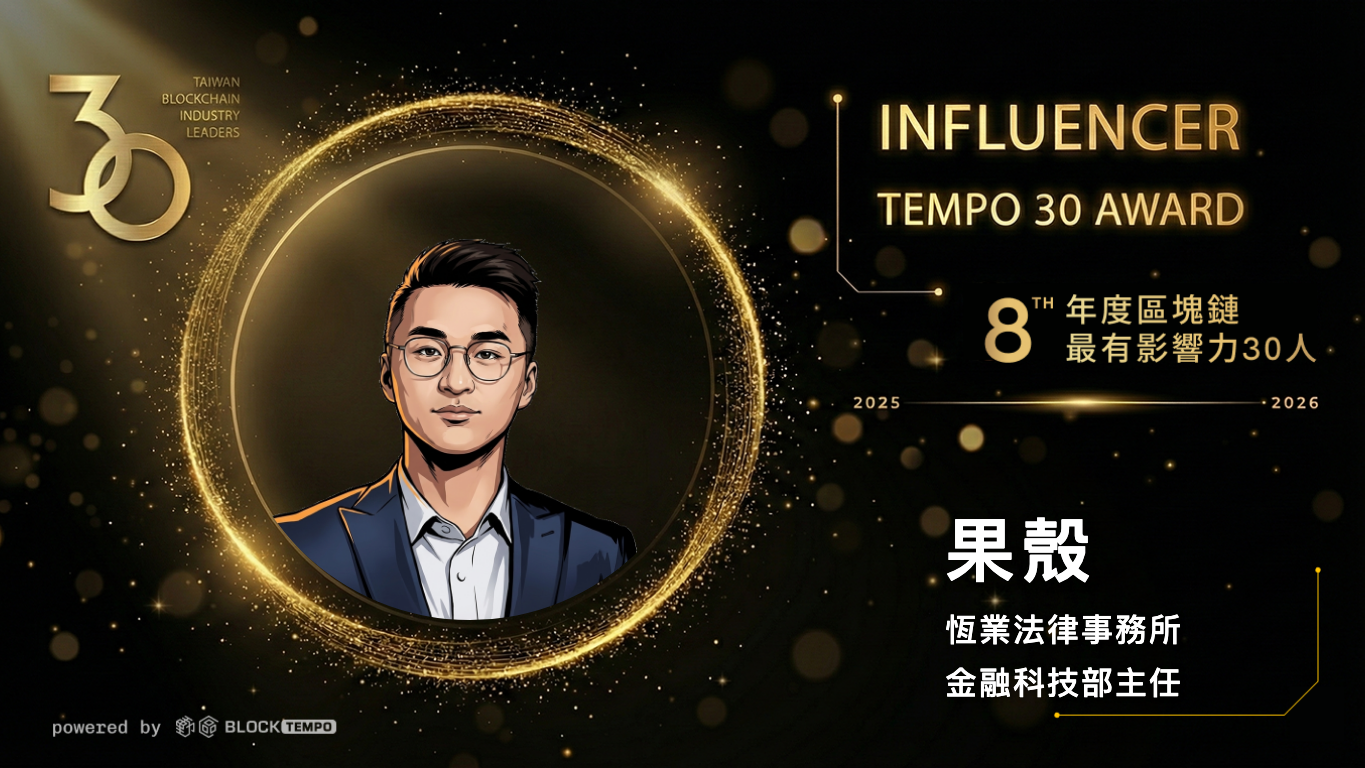
- As a financial technology and virtual asset lawyer, Guokr continues to assist numerous exchanges, wallets, and Web3 projects with VASP architecture design, financial compliance, and securities/money laundering related issues. It also analyzes regulatory trends at industry forums and in the media, becoming an important professional bridge between Taiwan's crypto industry and regulatory authorities.
Guokr 2026 Predictions and Observations:
The Bitcoin market's four-year cycle has failed: The four-year cycle of Bitcoin was never a rule in the first place.
There have only been four halvings in the past, and the first three were disrupted by QE, the pandemic, and global liquidity.
The fourth change in the market was when institutions, ETFs, and listed companies added Bitcoin to their balance sheets.
When the dominant force shifts from retail investor sentiment to long-term capital, the pursuit is no longer about stimulation, but about hedging against inflation, asset allocation, and long-term stability.The future of Bitcoin will no longer be a four-year cycle, which is a good thing for Bitcoin.
_
Zheng Guangtai / Founder and CEO of Bito 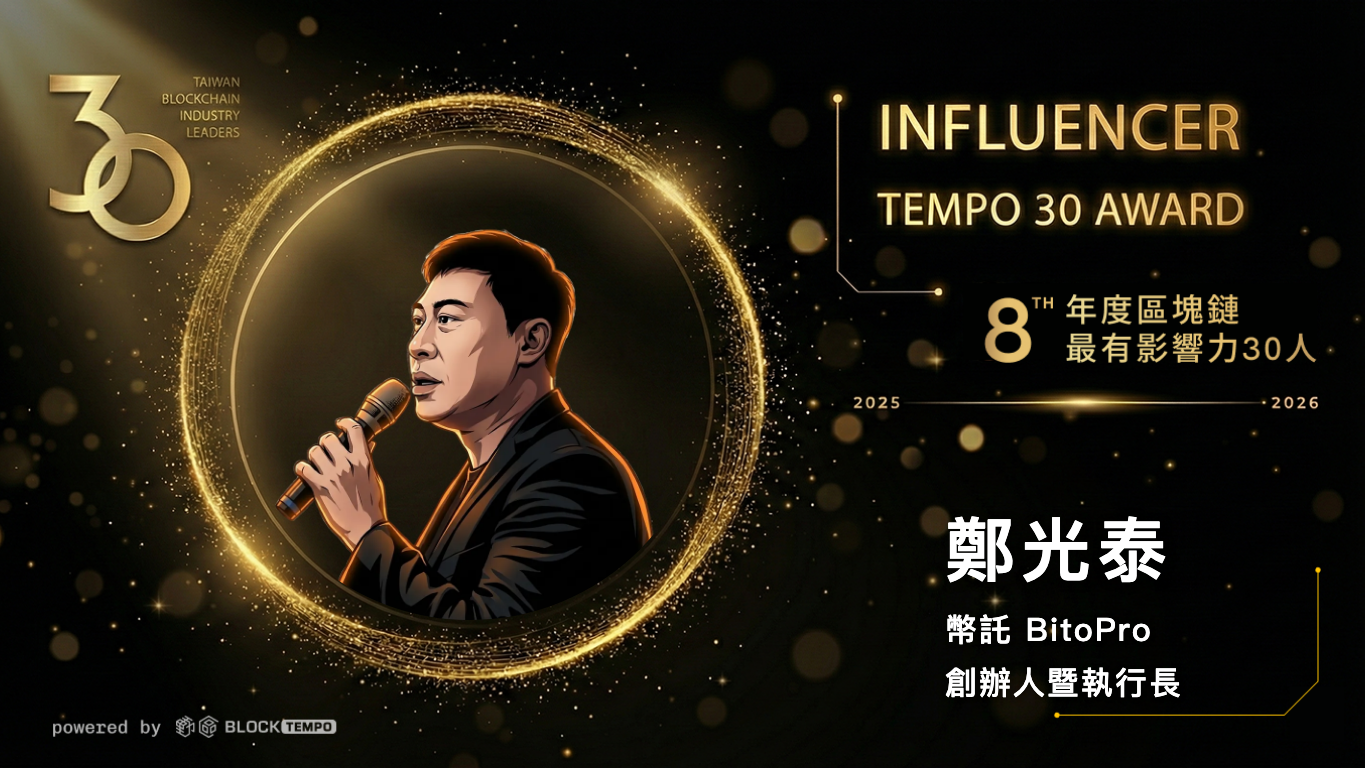
- Continuing to lead CoinTrust toward becoming a "compliant local trading and payment service provider," it officially passed the Financial Supervisory Commission's Virtual Asset Service Provider (VASP) registration review in September 2025.
- On the one hand, we maintain close communication with regulatory authorities regarding licensing and internal controls to uphold Taiwan's role as a compliance model in the market. On the other hand, we optimize the product experience and security mechanisms of brands such as BitoPro, allowing Taiwanese users and businesses to access crypto assets in a more user-friendly and compliant environment.
Zheng Guangtai's 2026 Predictions and Observations:
Looking back at 2025, Taiwan's virtual asset industry experienced a compliance milestone. Through the implementation of the anti-money laundering registration system, the industry's compliance foundation was established, and a protective barrier was laid for investors. Looking ahead to 2026, I believe this will be a crucial year driven by both the "comprehensive implementation of regulations" and the "deep influx of institutional investors."
I. Legal Anchor for Digital Asset Services Act: The Virtual Asset Services Act is currently under intense review, providing clearer direction for stablecoins and lending businesses, which have garnered significant attention, and establishing it as a crucial cornerstone connecting traditional fiat currencies and digital assets. This not only enhances Taiwan's international competitiveness but also provides businesses with a legal basis for diversified business models.
Second, the clarification of the regulatory framework for institutional participation has significantly reduced compliance concerns for large institutions and enterprises. By 2025, the market structure has gradually shifted from individual retail investors operating independently to deeper participation from institutions and enterprises. This is no longer merely a matter of capital inflows, but rather a period of explosive growth in the integration of old and new finance. BitTorrent has already negotiated cooperation with several banks and signed memorandums of understanding on asset tokenization (RWA) and stablecoins, pioneering a new model of cooperation between old and new finance.
Third, regarding the enhanced joint prevention mechanism among VASP operators, the association is researching Travel Rules. Through standardized identity information transmission, VASP platforms can effectively prevent money laundering risks. This not only aligns with international FATF regulations but also serves as a stepping stone for the "mainstreaming" of virtual assets. This will accelerate the willingness of financial institutions and enterprises to enter the market, fostering more RWA and cross-sectoral financial innovations.
_
Jun Takasaki / Chairman of the Blockchain Enthusiasts Association 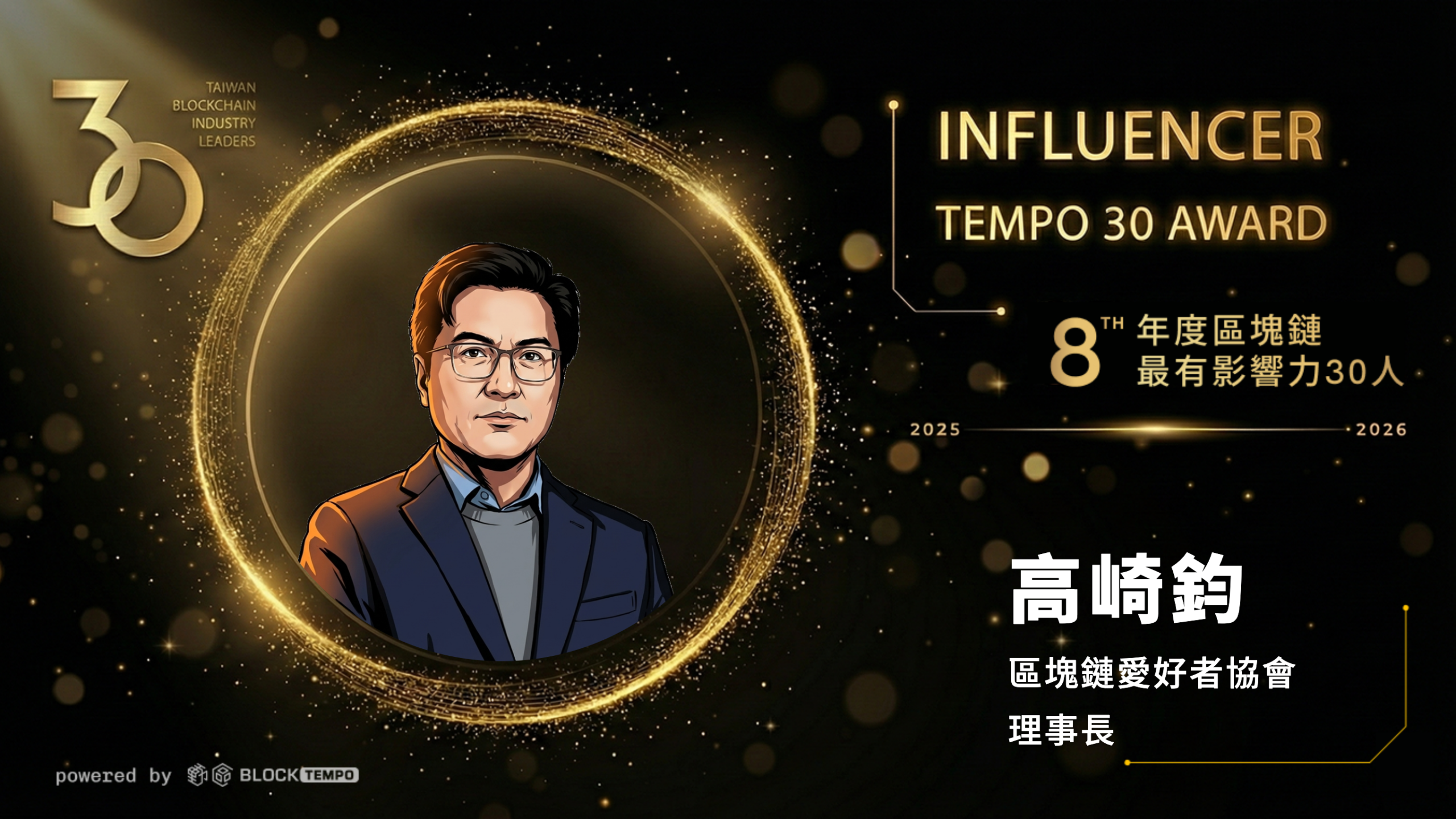
- Kao Saki-Chun used the "Blockchain Enthusiasts Annual Meeting" to connect Taiwan's Web3 ecosystem. The 10th edition, themed "deX," focused on the practical application of decentralization, RWA, and stablecoins, successfully attracting support from the National Development Council, the Ministry of Digital Economy Development, the Financial Supervisory Commission, and industry associations, making the community annual meeting a key node connecting policymakers, industry players, and developers.
Takasaki Jun's 2026 Predictions and Observations:
In the Web 2.5 era, we focus on how "supervision x innovation x community" can connect the world and enable cross-industry co-creation. By combining trusted AI economy with privacy computing and digital trust technology, we will build a new financial system for Taiwan in 2026.
_
Tsai Yu-ling / Honorary Chairperson of the Taiwan Fintech Association 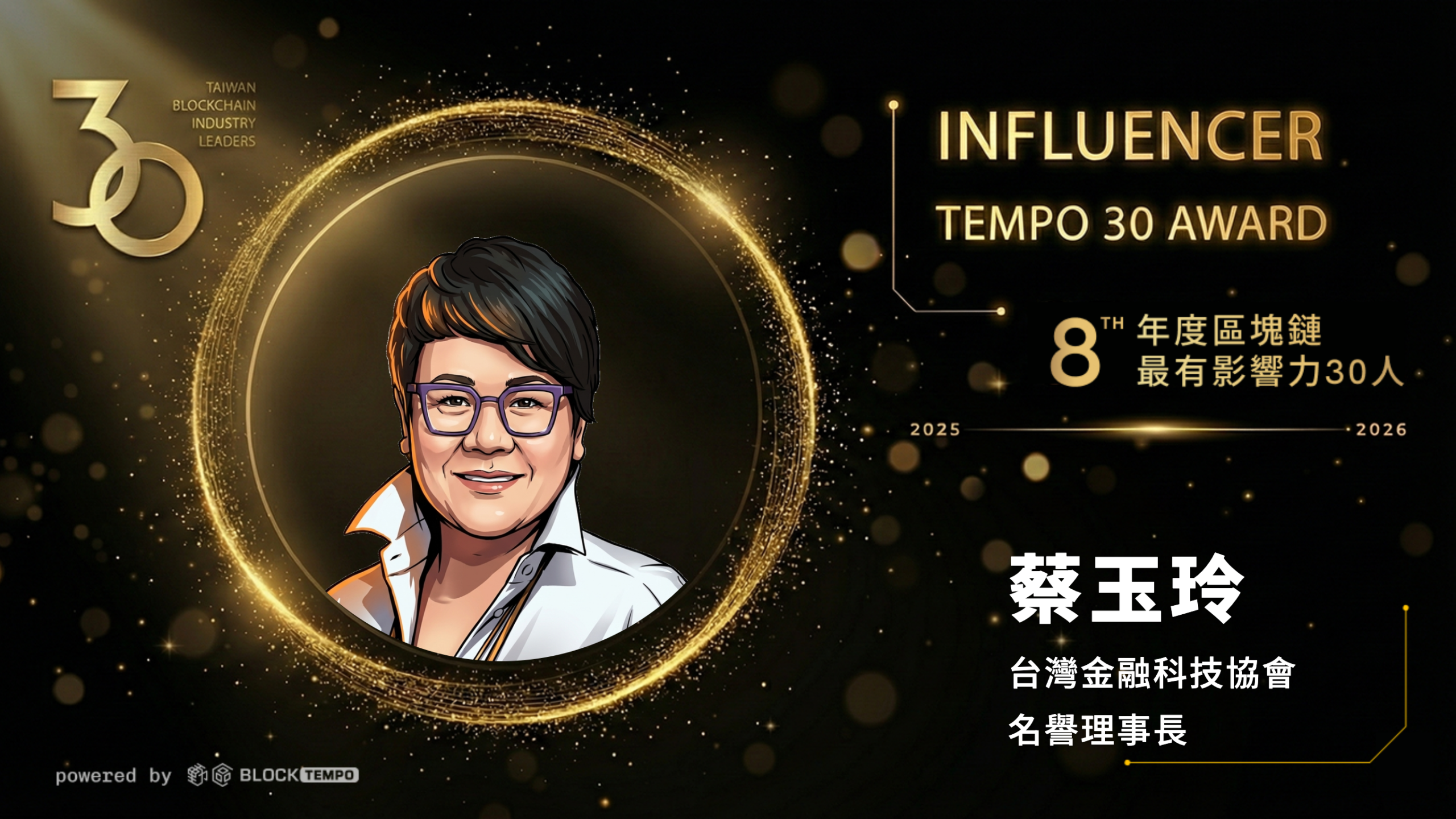
- Tsai Yu-ling continues to promote communication between regulatory authorities and the industry on FinTech/virtual asset issues in her capacity as honorary chairperson of the Taiwan FinTech Association. This includes providing suggestions on regulatory sandboxes, open banking, and digital asset-related regulations, and hosting numerous international FinTech forums to enhance Taiwan's visibility on the Asia-Pacific FinTech stage.
Tsai Yu-ling's 2026 Predictions and Observations:
In 2026, the Virtual Asset Services Act is highly likely to come into effect, officially marking Taiwan's entry into the race for virtual asset governance and global industrial competition. This is not merely the establishment of a regulatory system, but a battle crucial to whether Taiwan can secure a key position in the new round of global industrial restructuring.
Stablecoins, RWA, and supply chain finance are simultaneously reshaping global capital flows and competitive order. Whether Taiwan can secure a place in this new generation of financial infrastructure hinges on the government's forward-looking industrial policies and institutional design capabilities, as well as the industry's willingness to go international and undergo real-world testing.
Only through public-private partnerships and by moving forward together with trust at its core can Taiwan transform compliance into a competitive advantage and challenges into a driving force for standing on the international stage.
_
Dai Songzhi / Deputy General Manager of Digital Finance, Far Eastern Commercial Bank 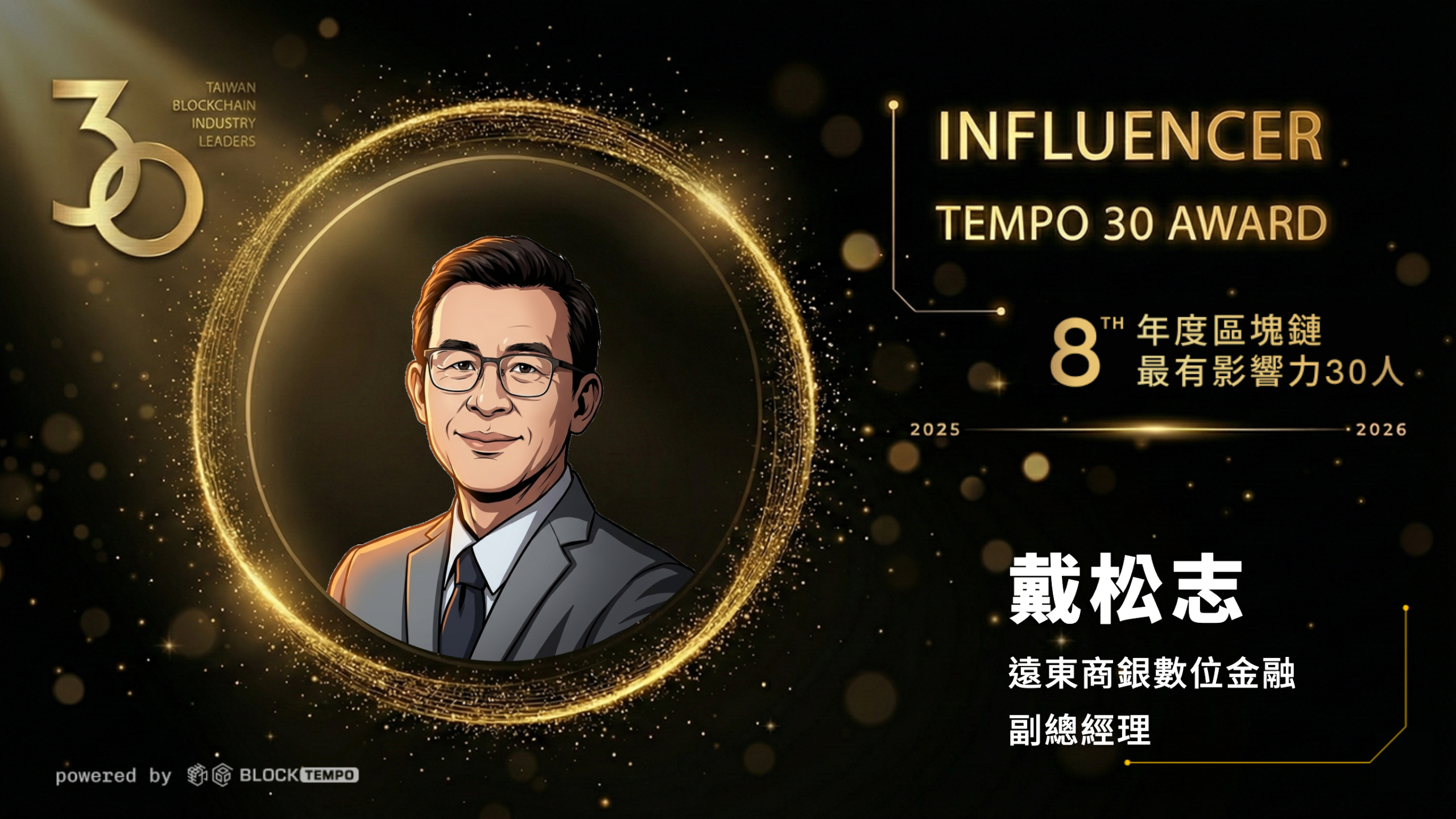
- Dai Songzhi continues to play a key role in "traditional financial holding companies aligning with virtual assets": promoting cooperation between banks and virtual asset exchanges, and moving together towards compliance in four major directions: "detection, notification, regulation, and refinement".
Dai Songzhi's 2026 Predictions and Observations:
I am Simon Dai from Bankee Community Bank, Far Eastern International Bank. Being named one of the "Top 30 Influential Figures in Taiwan's Blockchain Industry" for the second consecutive year is not only a personal honor for me, but also a high affirmation from the market of the long and lonely road of "compliant innovation".
We are standing at a critical turning point in the "era of comprehensive compliance" for virtual assets. This is not just about the gradual improvement of regulations, but also a fundamental transformation of the industrial structure. I firmly believe that "blockchain without a financial foundation is dangerous, while finance without a blockchain vision is outdated." Truly genuine and sustainable innovation never runs wild outside the system, but must be deeply rooted in compliance and risk management.
In 2025, Bankee Community Bank released the "Virtual Asset Survey Report," using data to confirm to the public that cryptocurrency has officially moved from a niche interest among tech enthusiasts to the mainstream of public financial management.
"Compliance earns trust, and trust leads to widespread adoption." This is Bankee's core belief. As the only bank in Taiwan to implement a two-way joint prevention mechanism with VASP operators, we have built the strongest protective net on the front lines of fraud prevention. Winning this award is just the beginning. In the future, I will continue to lead the team and work hand in hand with industry partners to ensure that Taiwan's virtual asset ecosystem can develop more steadily and go further while maintaining security.
_
Ou Yaowei / CEO of Kryptogo 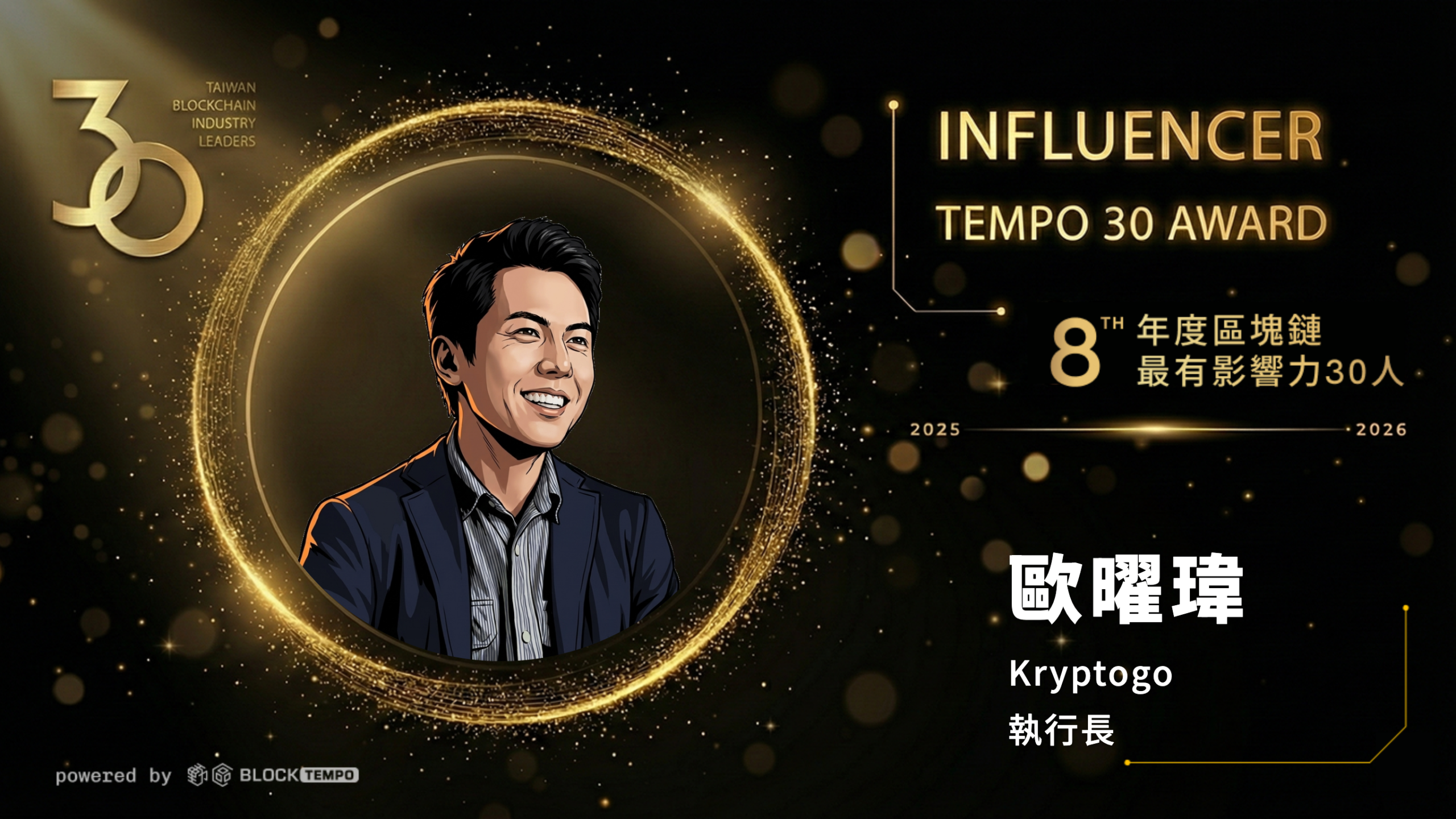
- KryptoGO successfully passed the review of Taiwan's Financial Supervisory Commission this year, becoming one of the first nine companies to obtain the qualification for "virtual asset transfer business".
Its one-stop platform, "KryptoGO Studio," designed specifically for Web2 enterprises transitioning to Web3, leverages AI to significantly improve the efficiency of AML (Anti-Money Laundering) and KYC (Knowledge and Control) verification, and provides enterprise-grade white-label wallet solutions.
Ou Yaowei's 2026 Predictions and Observations:
If I had to sum up 2026 in one sentence, I would say: "The crypto industry is finally going to shift from whether it will rise in value to whether it will be usable, and it's being forced to grow by institutions and companies."
We will see several things happen at the same time.
The four-year cycle has begun to fail: the market is more like being driven by ETFs, asset management and policy rhythm; the excitement no longer comes only from the emotions of retail investors, but from "settlement needs" and "compliance implementation".
Practical value will be crucial: the most anticipated RWAs that will scale up first are likely the ones that are easiest to understand, such as tokenized gold and verifiable receivables and notes for enterprises.
AI will become the new interface: AI will make transactions faster, risks more explainable, and fund flows more traceable, making "decision-making" more valuable than "operation".
Therefore, I'm more concerned about one question: When will Web2 companies start using stablecoins as part of their settlement processes, rather than just as a small experiment? My answer is: considering the legislative timeline of the Virtual Asset Services Act, 2026 might be a turning point. What companies need isn't wallets, but stablecoin infrastructure that is acceptable to accounting, internal control, auditing, and legal compliance: KYA/KYB/KYC, travel rules, risk classification, transaction monitoring, reconciliation and reporting, access control, and a clear chain of evidence that is "clearly explained" both on-chain and off-chain.
This is exactly what KryptoGO is doing: turning stablecoins into settlement channels usable by enterprises, allowing Web2 processes to naturally connect with the efficiency of Web3. As payments and clearing begin to be rewritten like the internet, Taiwan should not just be a user, but an exportable, compliant, and infrastructure provider.
_
Benson / Founder of Coinkarma 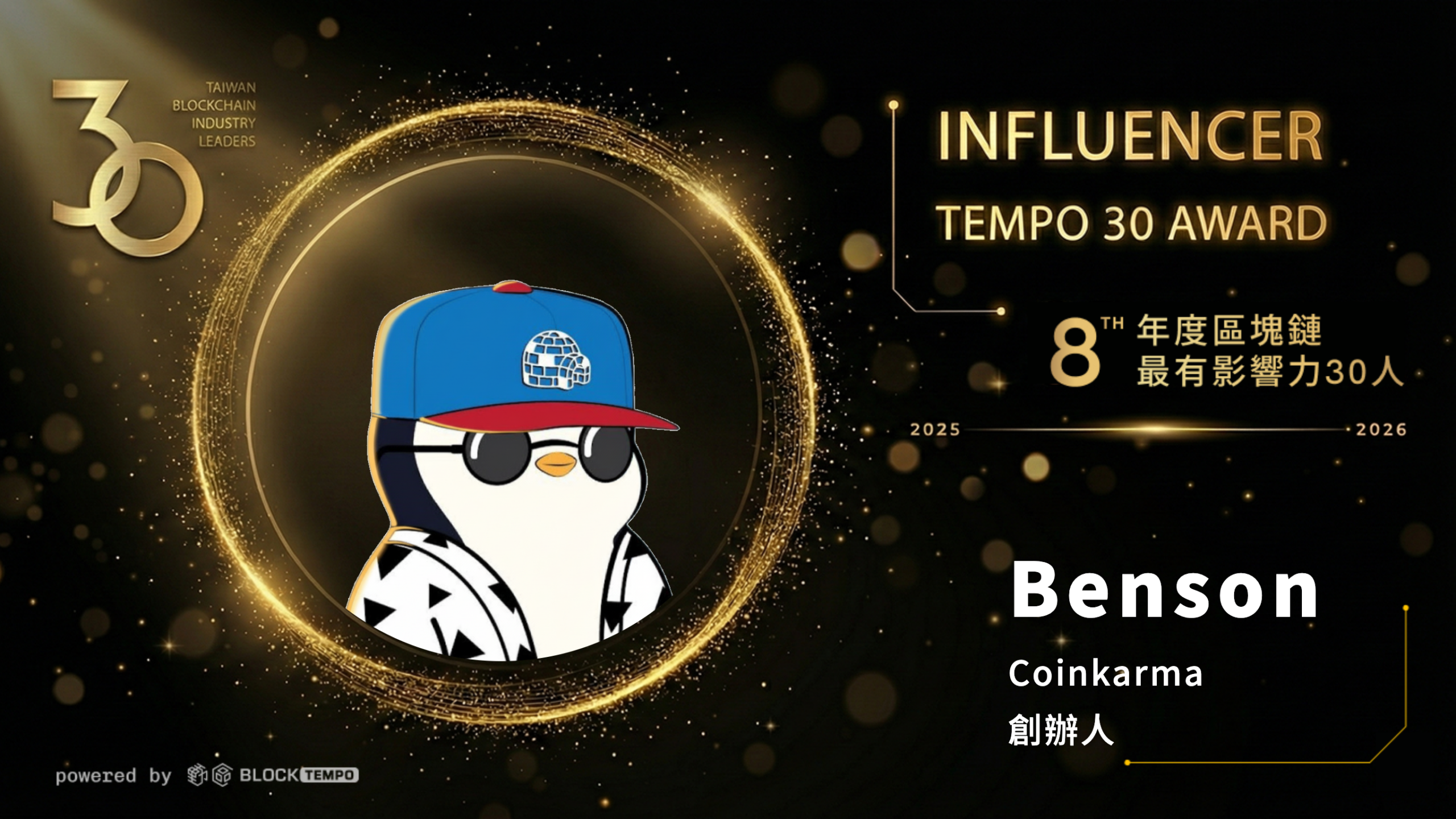
- A well-known cryptocurrency KOL and trading analyst in Taiwan. In 2023, he relaunched the quantitative signal platform Ultron and founded the CoinKarma platform, providing live trading indicators and automated strategies. Known for his data-driven approach, he has navigated multiple bull and bear markets, emphasizing risk management and long-term survival, and has profoundly influenced the Taiwanese cryptocurrency community.
Benson's 2026 Predictions and Observations:
BTC is unlikely to experience a parabolic upward trend.
BTC dominance continues to climb; the traditional altcoin season will not repeat itself; the YOLO spirit of young people will continue to create new wealth opportunities.BTC is currently among the top ten assets by market capitalization globally, comparable to Meta. The $100,000 mark is also a price level many OGs (Original Guru) are willing to cash out, which explains why BTC didn't rise in 2025, and its volatility was even lower than Nvidia's.
For BTC to reach the next level, it needs the narrative of national-level reserves, which is unlikely to be achieved in the short term, and a parabolic rise in 2026 is also unlikely. More noteworthy is the structural change. Market makers used to use BTC to anchor altcoin prices, but with the continuous outflow of tokens, this ability is irreversibly diminishing.
The altcoin to BTC exchange rate will become increasingly difficult to maintain, and may only temporarily outperform BTC in very short periods. BTC dominance still has room to rise in the long term. Altcoins may rebound in 2026, but there won't be a full-blown altcoin boom. The window for cashing out at high prices will be very short; don't get emotionally attached to altcoins.
However, the crypto market is ultimately a poorly regulated market, and the trend of younger generations adopting a YOLO-like approach to financial management is inevitable. When hard work can no longer fulfill the vision of a better life, young people will naturally turn to high-risk, high-reward tracks, which will always give rise to new wealth games, only the rules will keep changing.
Looking back, wealth opportunities in asymmetric betting often stem from the emergence of new standards: 2017's ERC-20 brought the ICO wave, 2020's Uniswap's x*y=k brought the DeFi Summer, 2021's ERC-721 brought the NFT bull market, 2023's Bitcoin inscription sparked the BRC-20 craze, and 2024's Pump.fun standardized the meme coin launch process. What will be the next new standard? It's worth paying attention to.
_
Xu Chongbao / CEO of Steady Digital Asset Management 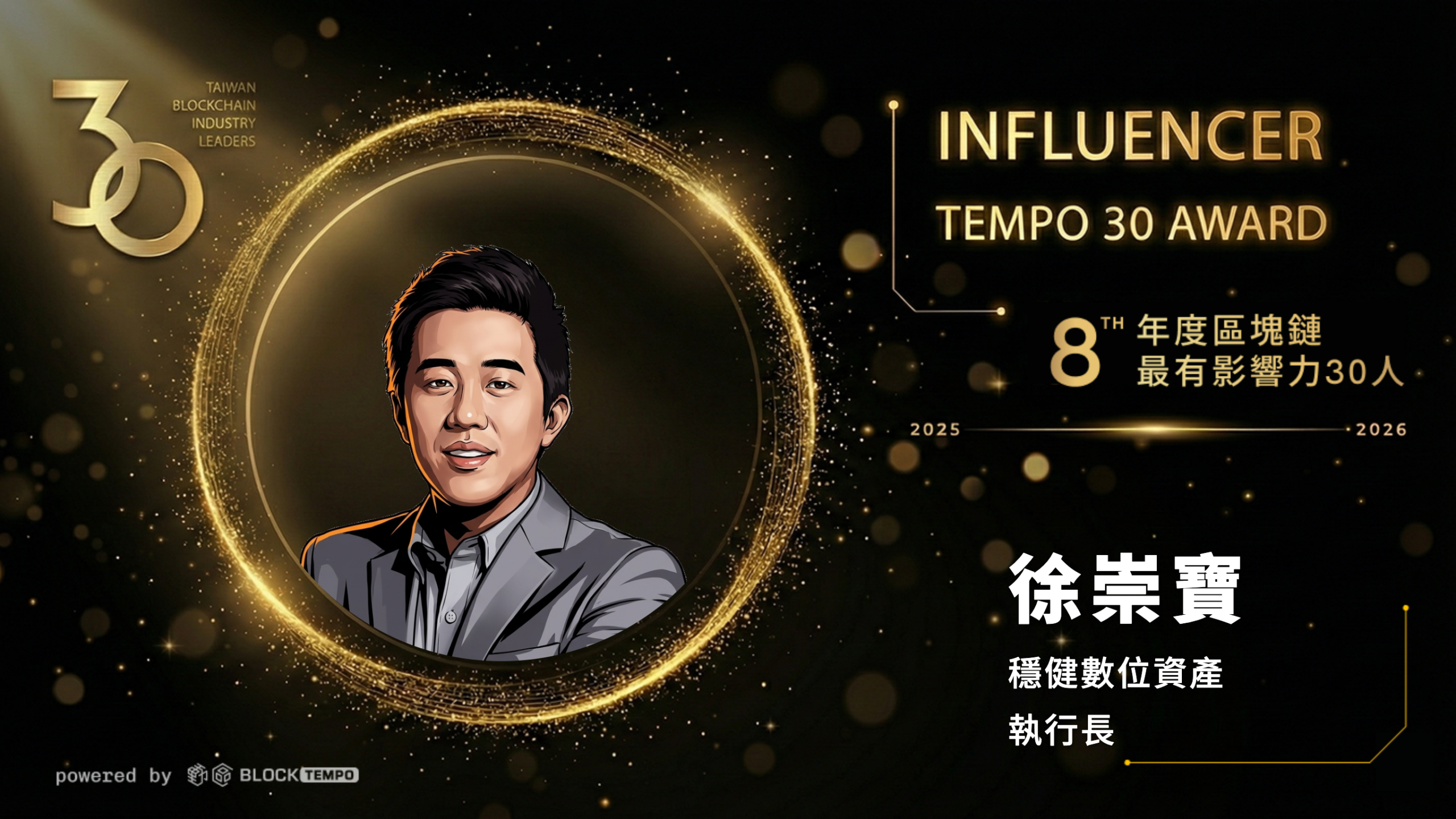
- Xu Zhongbao possesses extensive experience in the finance and blockchain industries, having cultivated deep expertise in the blockchain and cryptocurrency fields for many years. He is not only a seasoned expert but also a prominent advocate, offering professional insights into blockchain technology and market trends. Furthermore, as a lecturer, he continuously empowers the next generation of industry talent, nurturing more outstanding individuals with forward-thinking vision.
Xu Chongbao's 2026 Predictions and Observations:
"Institutionalization" will be the main theme of the crypto industry in 2026!
International Markets: More financial institutions will join in offering Bitcoin products and services; stablecoins and RWA are entering a practical, large-scale phase!
Grayscale's Crypto Market Outlook report calls 2026 "the Dawn of the Institutional Era." According to research, 14 of the top 25 banks in the United States have already launched or are planning Bitcoin products and services, including custody services and trading. It is expected that more institutions will continue to join in providing Bitcoin products and services in 2026.Stablecoins have firmly established themselves by 2025, and the underlying infrastructure they have built will become the cornerstone of financial service innovation over the next 10 years! With multiple financial institutions predicting that the market capitalization of stablecoins will exceed one trillion dollars in 2026, Real Asset Tokenization (RWA) will reach a turning point, and next year more tokenized financial products will enter the "scaled-up practical application stage"!
Taiwan Market: As regulations become clearer, local financial institutions and compliant virtual asset operators will deepen their business cooperation or invest in them!
Taiwan has nearly 40 local banks. After the regulations are gradually established and opened up in 2026: "Whoever launches products and services the fastest will capture the largest market share; whoever can do the best in risk control will earn the most profits!"
Based on international development trends, for financial institutions with significantly larger capital bases than those in the crypto industry, direct investment or acquisition of virtual asset operators remains a relatively low-barrier and highly efficient way to enter new markets. In the coming years, institutions that can establish a firm foothold in the early stages of this new industry will have the opportunity to gain a significant first-mover advantage.
_
Wen Hongjun / Co-founder of Hayek Technology 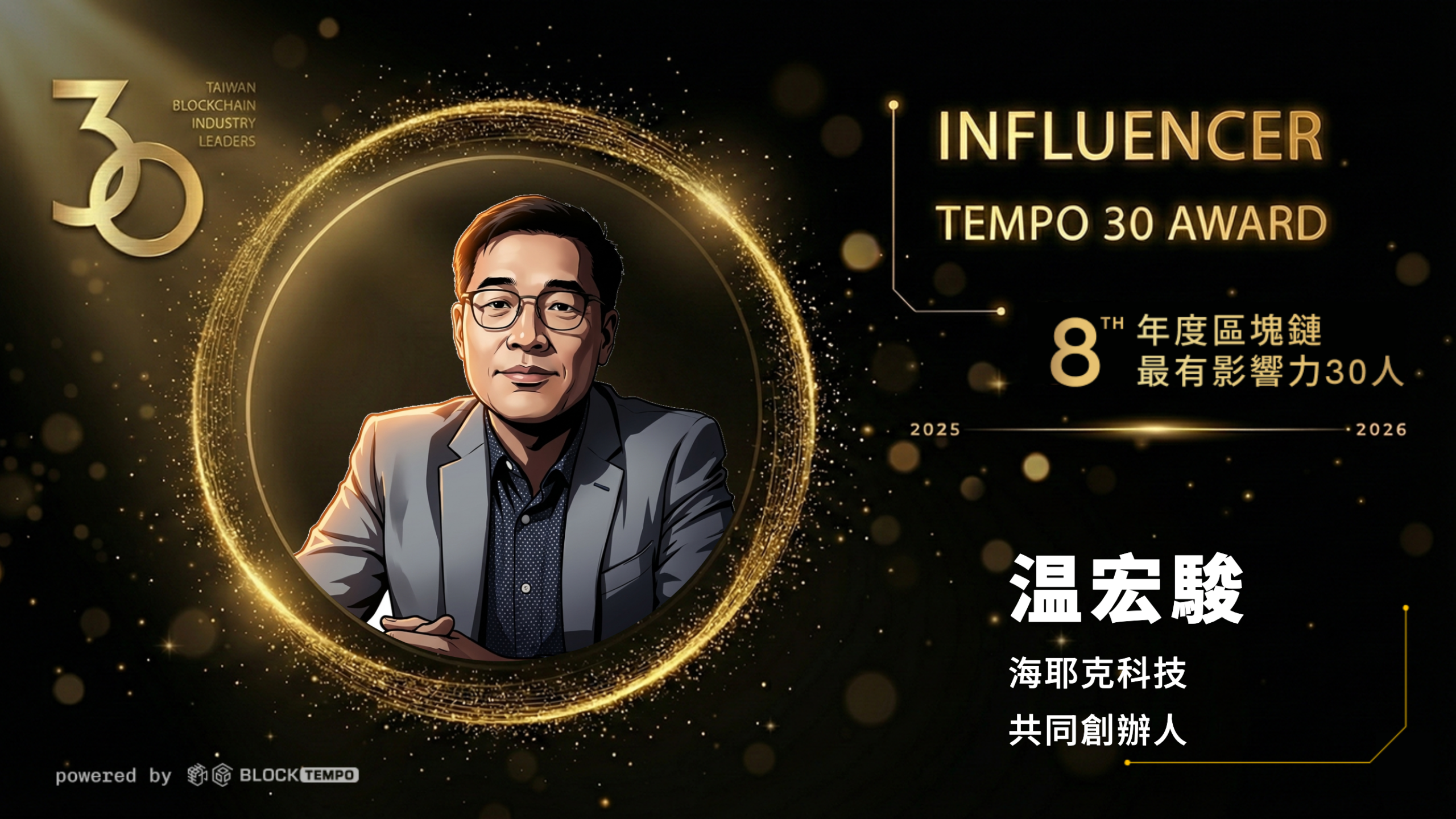
- Hayek, co-founder of Tech, nicknamed "Financial Patrick Star" in online communities, has become a key figure in the industry thanks to his extensive experience in blockchain and fintech.
- Since entering this challenging industry, he has been dedicated to promoting compliance and innovation in virtual assets. He actively participates in various international conferences, sharing his insights and experience to foster industry development.
Wen Hongjun's 2026 Predictions and Observations:
In the second half of 2025, the market atmosphere was filled with the view that cryptocurrencies had become uncool due to the active entry of traditional finance and government regulation, leading to the recent disappointment and departure of crypto natives and the younger generation. I personally am not so pessimistic.
Looking ahead to next year, the blockchain industry will officially move from a niche "asset speculation" phase to a stage of global "financial infrastructure reconstruction." Stablecoins will no longer be just a settlement tool for a niche crypto market, but will become a core currency and settlement network for cross-border payments, supply chain finance, and RWA on-chain transactions that are acceptable to the general public.
Meanwhile, prediction markets like Polymarket continue to shine and become increasingly cool with the support of AI and on-chain data. Prediction markets will gradually become a new mechanism for price discovery and risk pricing.
The combination of stablecoins and AI signifies a shift in financial decision-making from centralized institutions to a more immediate, transparent, and verifiable on-chain consensus system. Overall, I believe this industry isn't losing its coolness, but rather gaining a sense of maturity, transforming from a rebellious, cool youth into a young, dynamic force capable of integrating into society.
_
Huang Yaowen / Co-founder of XREX 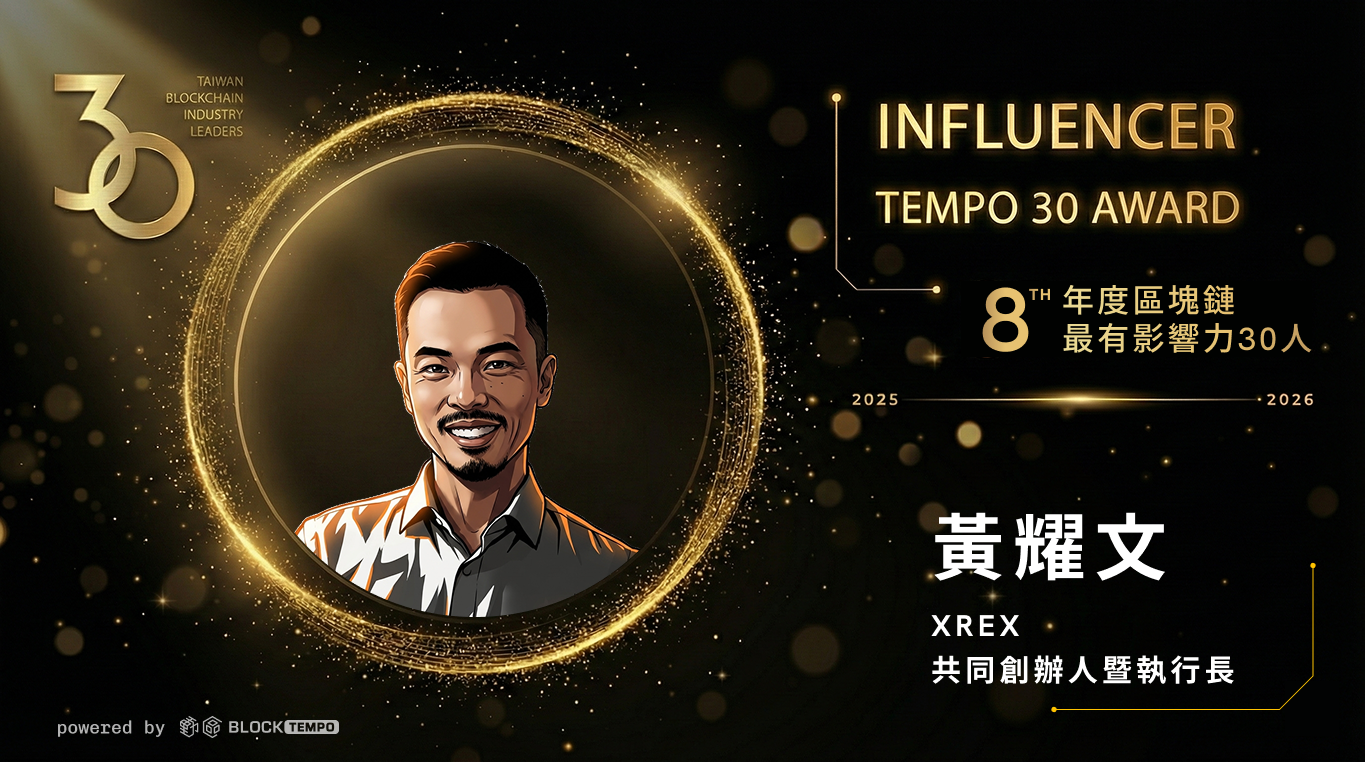
- Huang Yaowen led XREX to complete a fundraising round led by Tether and to advance USD stablecoin and fiat currency exchange services in emerging markets.
- He co-founded the Unitas Foundation and serves on its board, developing a decentralized unit-based cryptocurrency protocol dedicated to accelerating foreign investment and cross-border payments in developing countries.
Huang Yaowen's 2026 Predictions and Observations:
In 2026, I will continue to focus on stablecoins. Washington has passed the Genius Act on Stablecoins, and federal banks are vying to launch dollar-denominated stablecoins. In 2026, stablecoins will profoundly impact "government," "businesses," and "individuals" in three ways.
1. Digital US Dollar: With the continued strong demand for the US dollar in emerging markets, USDT has quickly become the "digital US dollar" in emerging markets. Individuals use it to preserve the value of their assets and hedge against inflation, while businesses use it for cross-border trade.
Dollar stablecoins offer individuals and businesses in emerging markets the option of "using the dollar and connecting with global financial markets," enhancing financial inclusion. However, they also expose governments to the sovereign risk of the "dollar colonial hegemony," necessitating the formulation of policies by mid-2026 to address the rapid penetration of dollar stablecoins and safeguard currency competitiveness and economic sovereignty. The US's continued regulatory support for the dollar stablecoin industry is bound to escalate regional frictions, primarily driven by currency competition.
At the corporate level, especially for multinational corporations, failure to understand stablecoins and develop stablecoin strategies may lead to a gradual loss of competitiveness and choice in cross-border collections, payments, and settlements.
II. Efficient Cross-Border Settlement Networks Between Financial Institutions: Cross-border remittance networks, primarily based on SWIFT, have long suffered from inefficiencies and poor user experience. Based on industry developments in 2025, we can almost certainly conclude that stablecoin networks will become the next-generation settlement network between banks and fintech companies.
As Washington actively seeks cooperation and parallel regulatory recognition with its Genius Act, 2026 will see more banks and financial institutions adopting stablecoin settlement networks, aiming for "zero cash in transit" and providing businesses and individuals with more efficient cross-border settlement tools and higher capital utilization.
III. 24/7 Trading Markets: More banks and securities firms will launch cryptocurrency and RWA trading markets and financial products in 2026. The cryptocurrency trading market operates globally 24/7, and traditional financial institutions will also adapt to this 24/7 model.
Since traditional fiat currency services in various countries cannot immediately achieve 24/7 availability, brokerages and banks must consider using their "domestic stablecoins" as a medium of exchange to facilitate integration with global blockchain finance. This will accelerate traditional finance's understanding of stablecoins and its integration with blockchain finance, and will also force governments to accelerate the development of clear legislation and regulation for blockchain.
For individuals, this is an even more significant signal: the convergence of traditional finance and blockchain finance is about to elevate "finance" to a 24/7 level. In this era of high inflation, this core change will highlight the differences in financial knowledge and experience among individuals and families, widening the wealth gap. Those in the cryptocurrency community must gain a deeper understanding of the essence of finance, and the general public outside the cryptocurrency community must also accelerate their understanding of blockchain finance.
_
Zheng Yucheng/Sui, co-founders 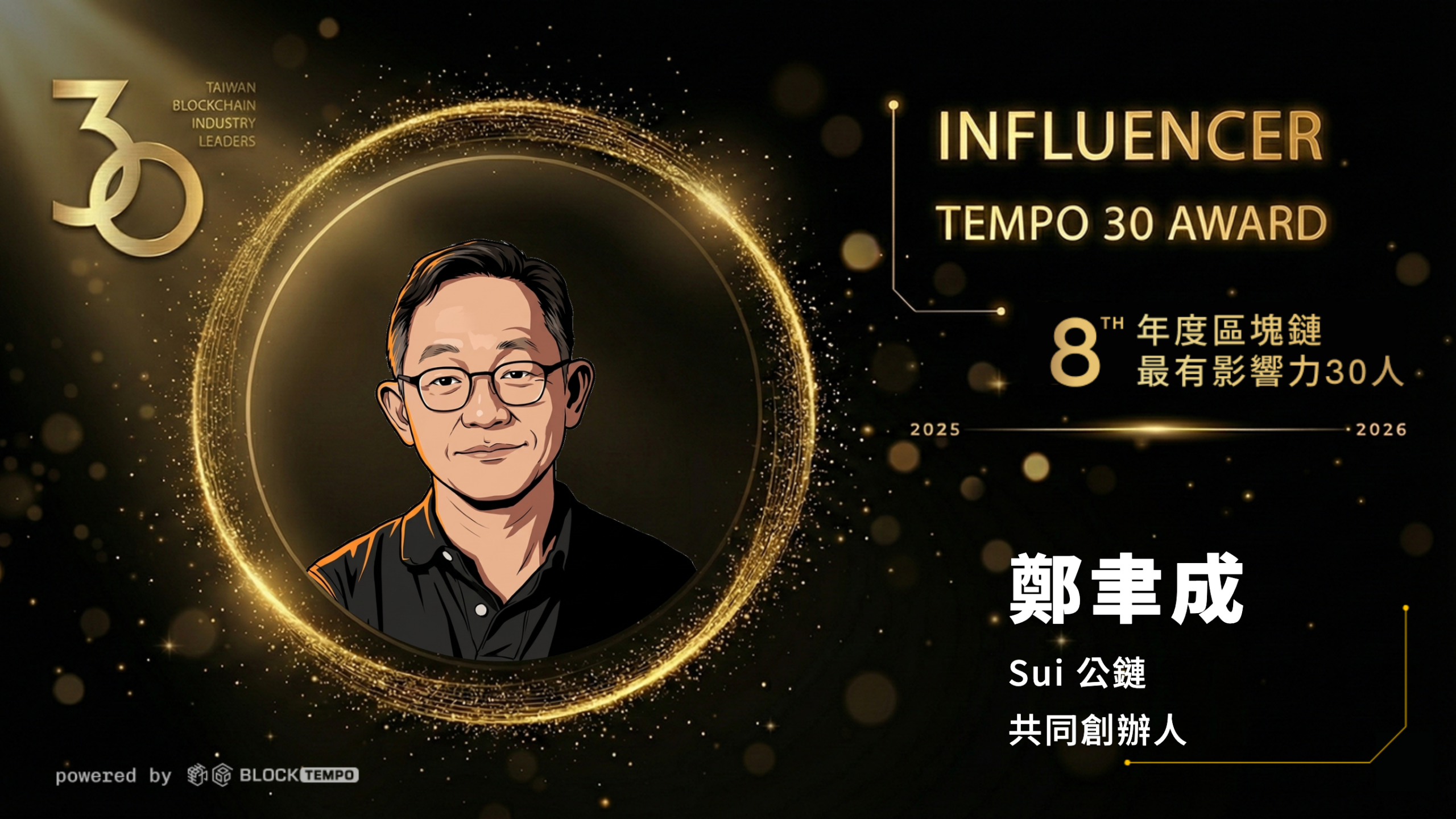
- Evan continues to lead Mysten Labs in expanding the Sui public chain ecosystem, collaborating with multiple international teams in DeFi, gaming, and NFT scenarios, making Sui one of the representatives of the next generation of high-performance public chains.
Zheng Yucheng's 2026 Predictions and Observations:
From the maturing institutional participation in the digital asset sector to the widespread adoption of stablecoins, cryptocurrencies have made rapid progress as a financial instrument in 2025. By 2026, this demand will only increase, and Sui, a technology stack designed for painless and frictionless integration, will become a leading force for developers building entirely new applications.
_
Huang Chao-chiu / Co-founder of BSOS 
- BSOS is committed to combining RWA (Resource-Based Finance) with DeFi to address the authenticity and liquidity bottlenecks in supply chain financing. It has also launched the RWA Technology Service Alliance to promote green finance and carbon credit applications in Taiwan, serving major banks and crypto institutions.
Huang Chaoqiu's 2026 Predictions and Observations:
Looking ahead to 2026, "commercialization of stablecoins" and "tokenization of RWA physical assets" will continue to lead the development of on-chain finance in the coming years; this is also the main focus and investment that BSOS has been continuously concentrating on in technology and product development over the years.
As these two trends gradually mature, DeFi is expected to undergo a "Renaissance-style reboot" in the next two to three years, creating a deeper connection and application between on-chain finance and real-world assets and capital flows.
_
Chen Bowei / Bitcoin OG 
- A Bitcoin OG, and a practitioner of the cypherpunk spirit in the Chinese-speaking world. Founded Cypherpunks Taiwan, bringing cryptography, privacy technology, and Bitcoin development to the Chinese-speaking community. From Tor anonymity network research and censorship resistance technology to the Lightning Network, he continues to explore the freedom and sovereignty that cryptography grants to individuals.
- Founded 21dev.org to build the most comprehensive Bitcoin technology education platform in the Chinese-speaking world, systematically organizing core technology resources such as Bitcoin Core, Lightning Network, and Nostr, and dedicated to cultivating the next generation of Bitcoin developers.
_
Yu Zhe'an / TermMax Market Researcher
- Currently a market researcher at TermMax, with over ten years of experience in Taiwan and US stock trading and macroeconomic analysis, specializing in interpreting monetary policy and financial liquidity.
- Currently focusing on DeFi fixed-income market research, dedicated to introducing traditional financial interest rate structures and hedging strategies into the cryptocurrency field.
Yu Zhe'an's 2026 Predictions and Observations:
1. DeFi financial activity continues to weaken, with users migrating to exchange-driven precious metals, RWA, gaming, and prediction markets. The above arguments can be verified through on-chain data.
2. AI-assisted payment is likely to be a valuable experimental scenario for blockchain in the future.
3. The traditional financial infrastructure is beginning to be tokenized, and it will be the biggest competitor of blockchain RWA in the future.
_
Ivan / Comma3 Founding Partner 
- Continuing to play a key role in "early-stage Web3 investment and Sui ecosystem accelerator": leading Comma3 Ventures to invest in projects such as Navi Labs and Walrus, moving forward together in three major directions: "infrastructure optimization, liquidity building, and institutional adoption".
Ivan's 2026 Predictions and Observations:
Although 2025 did not see much on-chain innovation, it was a year in which global institutions embraced crypto assets more aggressively.
Bitcoin is used by institutions and corporations as a tool for large-scale asset reserves, and stablecoin payments have surpassed the total volume of traditional credit card payments. It's safe to say that cryptocurrency and blockchain have become a prominent field of study.
In 2026, we can see a brighter future for the industry in several aspects.
With large-scale adoption by institutions, clearer regulatory conditions for application scenarios, easier inflow of funds for stablecoin payments and on-chain asset transactions, liquidity and efficiency have been greatly improved.
In addition, I am very optimistic about the combination of digital currency payments with artificial intelligence and even humanoid robots, which will not only automate the transmission and acquisition of information, but also the transfer of assets.
Cryptocurrencies, besides being the next generation of internet money, will also serve as a medium of exchange for AI and robots. With the explosive growth of these two industries, cryptocurrencies and blockchain will see large-scale practical applications.
_
Wang Shijie / Founder of ZONE Wallet 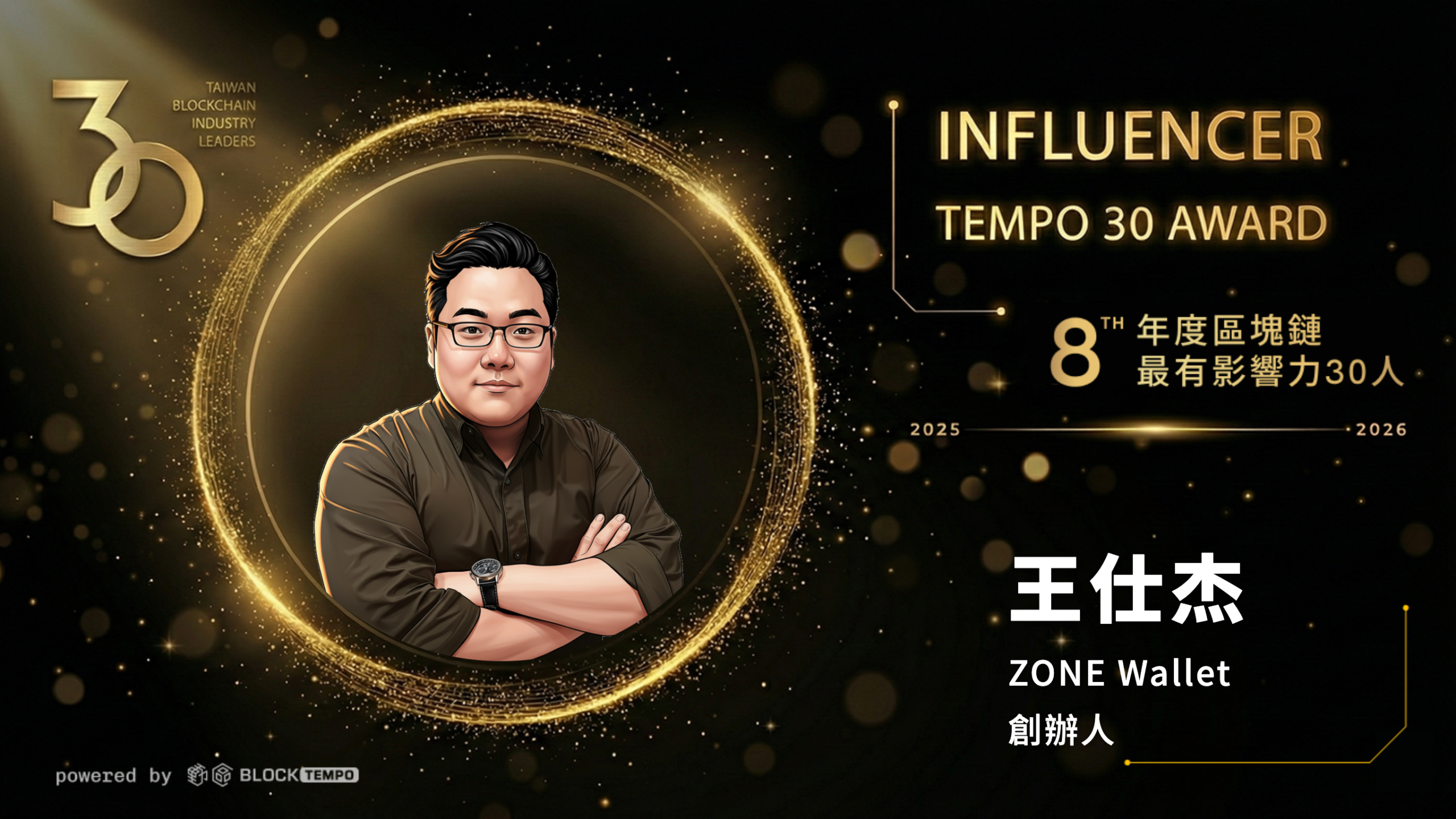
- In early 2025, ZONE Wallet officially launched the "Direct Trading of Cryptocurrencies with New Taiwan Dollars" function, allowing users to complete deposits and withdrawals without complicated procedures.
- At the same time, through in-depth cooperation with Far Eastern International Bank, 100% of New Taiwan Dollar assets are held in bank trust custody to ensure that users' fiat currency assets are legally protected outside of the platform's operations.
Wang Shijie's 2026 Predictions and Observations:
I believe that trends such as stablecoins, institutionalization, RWA applications, and user experience optimization will continue to accelerate in 2026. However, before the general public has gained widespread knowledge about blockchain technology, we may see a new wave of trends next year.
Web3 wallets enable each AI to have its own payment channel, while blockchain allows for numerous micropayments, such as frequent payments of $0.0001. The structure of smart contracts also provides a basis for mutual trust between different AIs.
These fundamentals have all led to a significant amount of AI, which may surpass humans to become the primary user of the blockchain in the coming years.
_
Peng Yunxian / Founder of HOYA BIT 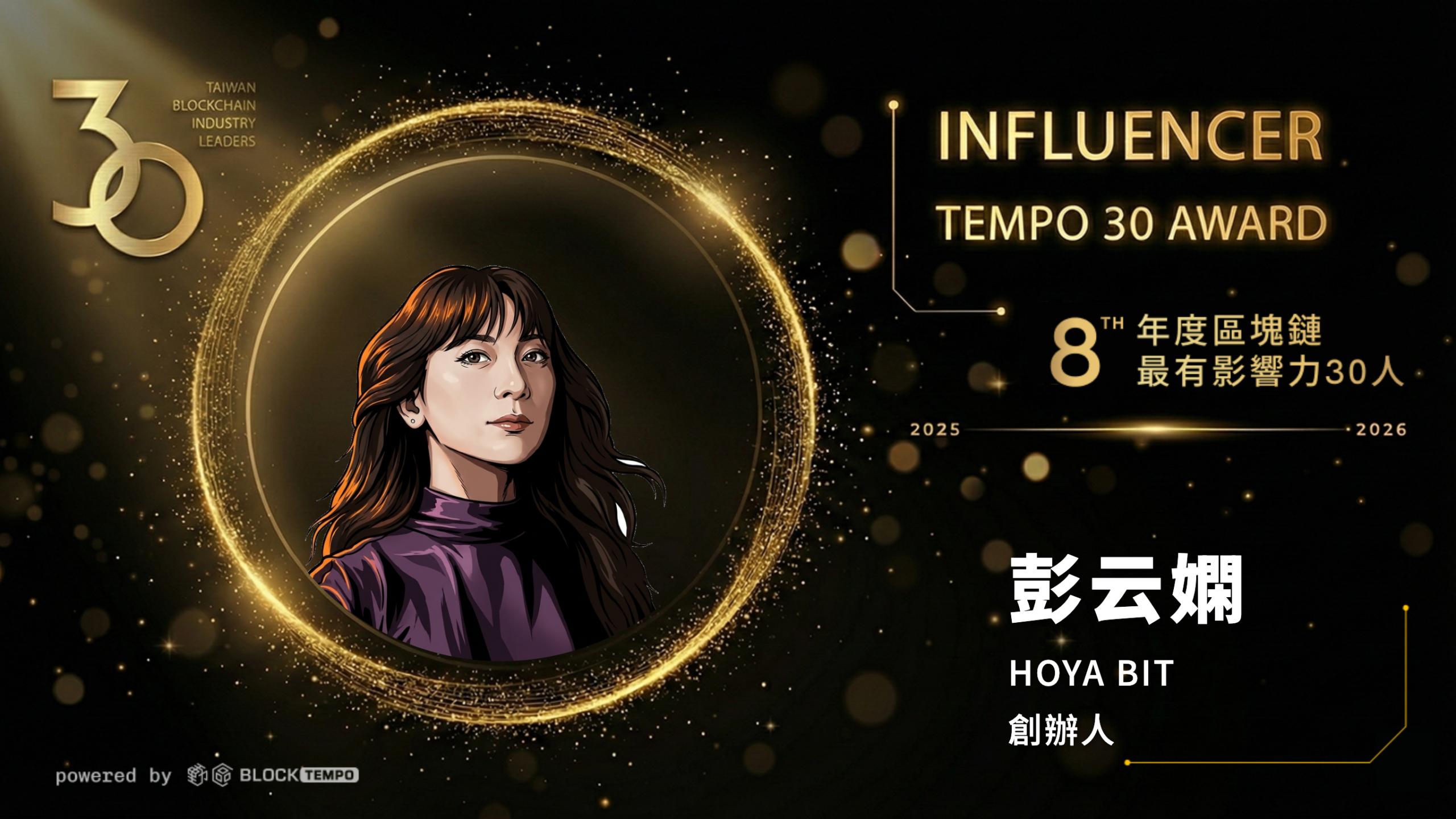
In September 2025, HOYA BIT officially passed the Financial Supervisory Commission's registration review for Virtual Asset Service Providers (VASPs), becoming one of the first regulated legal operators in Taiwan. Through a 100% fiat currency asset trust agreement with Taishin Bank and Far Eastern International Bank, it ensures complete segregation of user assets from company assets, thoroughly resolving users' concerns about fund security.
It became the first exchange in Taiwan to pass both ISO carbon footprint verification and other certifications, and by combining it with FamilyMart's Fa Points redemption function, it successfully brought Web3 applications into everyday consumer life and the ESG ecosystem.
Peng Yunxian's 2026 Predictions and Observations:
In 2026, we believe that Taiwan's cryptocurrency industry will move towards a dual-track development of "regulation and popularization".
The regulatory framework is expected to be more comprehensive after the passage of the virtual asset law, especially in terms of providing better protection for investors. Exchanges must also increase their hard power in areas such as compliance, cybersecurity and internal control, asset reserves and risk disclosure.
Those who can establish in-depth