- Mox Bank’s entry demonstrates how virtual assets are being integrated into mainstream banking via clear licensing, segregated custody, and institutional-grade compliance rather than informal partnerships.
- Limiting initial support to USD-denominated Bitcoin and Ethereum reflects regulators’ cautious sequencing, prioritizing liquidity, risk control, and operational stability.
- Hong Kong’s approach contrasts with fragmented U.S. oversight, signaling a rule-based pathway that could position the city as a leading hub for bank-mediated crypto adoption in Asia.
Mox Bank’s upgraded license marks a pivotal moment in Hong Kong’s crypto strategy, bringing Bitcoin and Ethereum trading directly into the regulated banking system through a fully compliant, bank-led model.
A BANK ENTERS THE CRYPTO PIPELINE
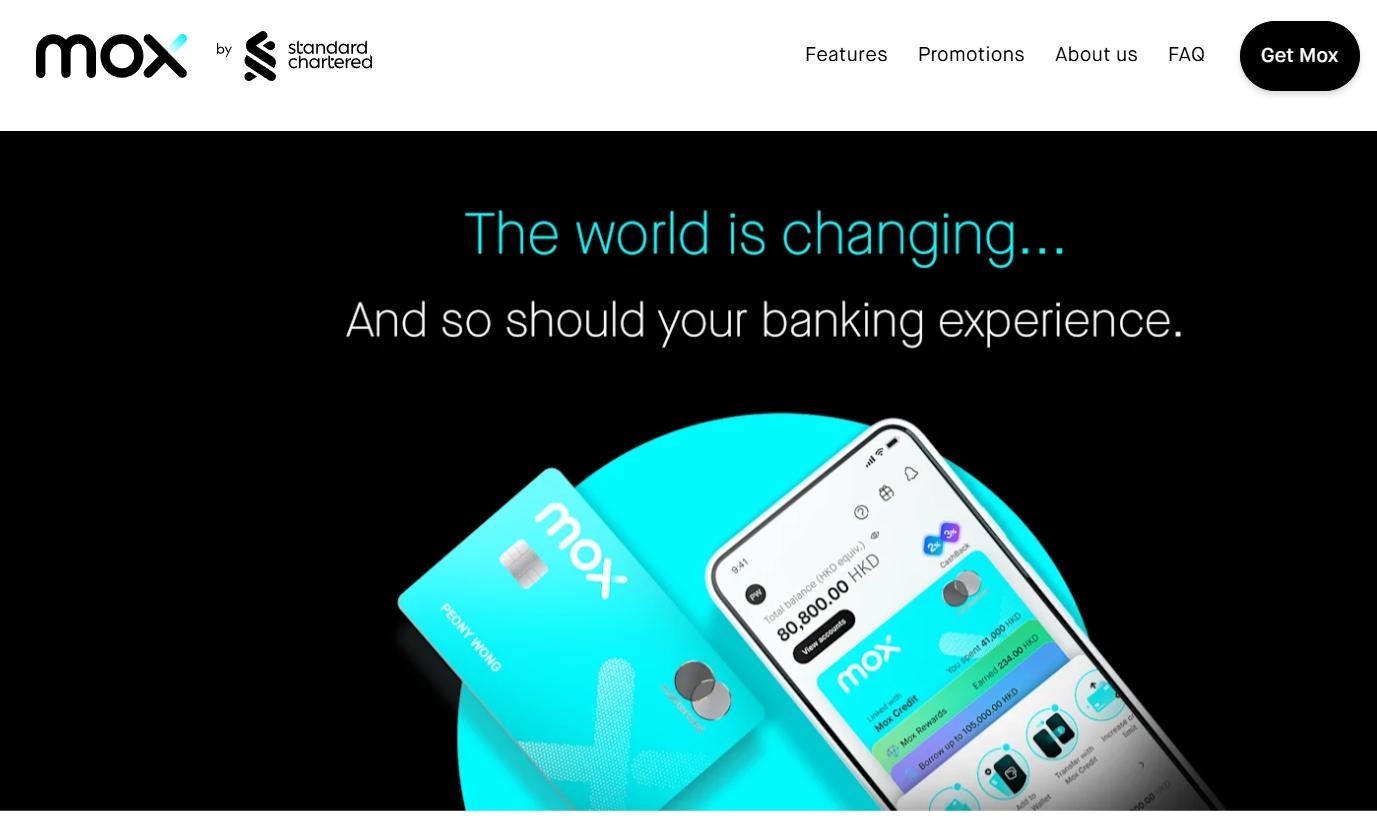
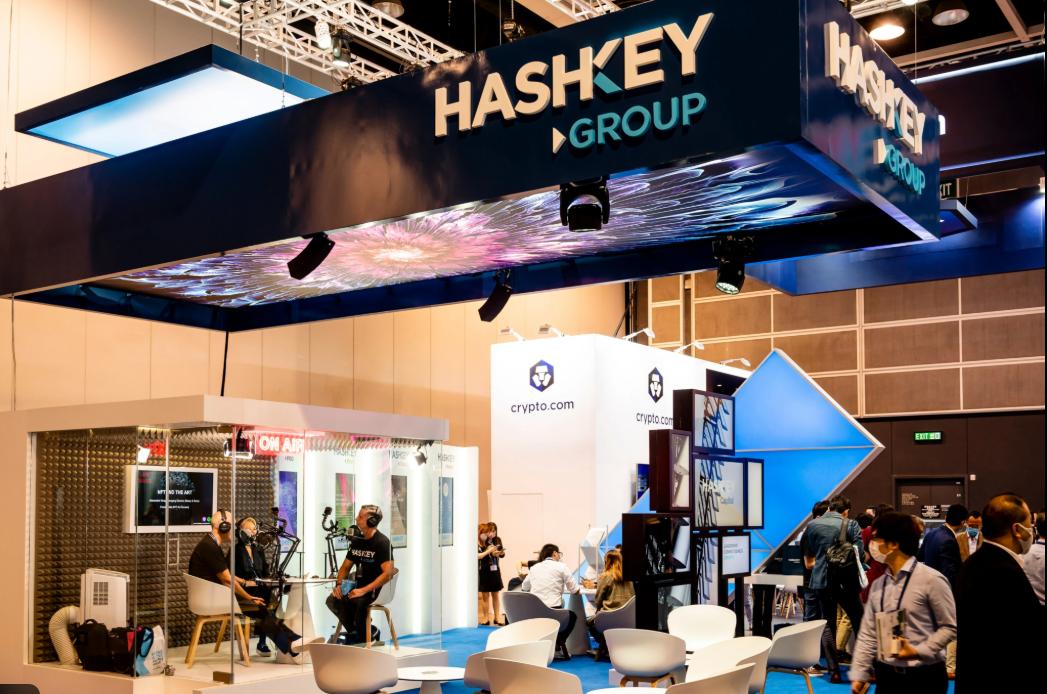
Hong Kong’s regulated crypto experiment crossed a meaningful threshold on January 26, 2026, when Mox Bank, a licensed virtual bank backed by Standard Chartered, announced that it had received regulatory approval to upgrade its Type 1 license, enabling it to offer virtual asset trading directly through its integrated banking accounts, initially supporting U.S. dollar–denominated trading in Bitcoin and Ethereum only, with execution provided by HashKey Exchange and custody handled by HashKey Custody.
Unlike earlier crypto-bank partnerships that relied on referrals or segregated platforms, Mox’s model allows clients to hold fiat balances and execute crypto trades within a single regulated banking interface, a structural shift that effectively collapses the distance between traditional deposit accounts and digital asset exposure while remaining fully inside Hong Kong’s supervisory perimeter, as defined by the Securities and Futures Commission’s licensing framework.
WHY REGULATORY DESIGN MATTERS
This development is best understood not as a standalone product launch, but as the consequence of a multi-year regulatory architecture that Hong Kong has been deliberately assembling since 2022, in which virtual asset trading platforms are required to operate under clear licensing rules while financial institutions are encouraged to integrate with them through defined compliance roles rather than informal workarounds.
HashKey Exchange’s earlier approvals under Type 1 and Type 7 licenses, followed by its retail upgrade in August 2023, established a compliant execution layer, while the separation of custody into HashKey Custody reflects global regulatory preferences for asset segregation, a structure aligned with standards promoted by IOSCO and increasingly mirrored in Europe and Singapore.
By inserting a bank directly into this pipeline, Hong Kong regulators are signaling that crypto access is no longer viewed as a peripheral fintech experiment, but as a service that can be delivered through deposit-taking institutions provided that risk, custody, and disclosure are cleanly partitioned.
THE BUSINESS MODEL BEHIND THE MOVE
Mox’s initial restriction to Bitcoin and Ethereum, traded only in U.S. dollars, underscores the conservative sequencing embedded in the approval, as both assets account for the majority of global spot liquidity and are widely referenced in institutional risk frameworks, while dollar settlement reduces foreign-exchange complexity during the early phase of rollout.
The tiered fee structure, ranging from 1.25% for Basic clients to 0.5% for Elite users, closely resembles private-banking and brokerage pricing rather than crypto-native exchange incentives, reinforcing the idea that this product is aimed less at high-frequency traders and more at affluent retail and mass-affluent clients seeking compliant exposure within a familiar banking environment.
Crucially, because Mox operates as a bank rather than a standalone platform, its crypto offering is embedded within existing KYC, AML, and transaction-monitoring systems, which materially lowers onboarding friction for users who would otherwise hesitate to move funds to external exchanges.

HONG KONG’S STRATEGIC SIGNAL TO GLOBAL MARKETS
At a macro level, Mox’s license upgrade fits into a broader pattern in which Hong Kong is positioning itself as a jurisdiction that favors rule-based integration over enforcement-driven deterrence, a contrast often drawn with the fragmented U.S. approach where banks remain cautious amid overlapping federal and state oversight.
From tokenized real-world assets to stablecoin consultation papers and now bank-mediated crypto trading, Hong Kong’s policy trajectory suggests an ambition to make virtual assets part of its mainstream financial infrastructure rather than a parallel system, an approach that could prove particularly attractive to international capital seeking regulatory clarity in Asia.
If replicated across other licensed banks, this model may gradually normalize crypto exposure as just another asset class within diversified portfolios, not by loosening standards, but by embedding digital assets inside institutions that already define trust, compliance, and systemic stability.
Read More:
Hong Kong Web3 Festival 2026 Set for 20-23 April at HKCEC
〈Mox bank’s license upgrade marks a new phase for bank-led crypto access in hong kong〉這篇文章最早發佈於《CoinRank》。