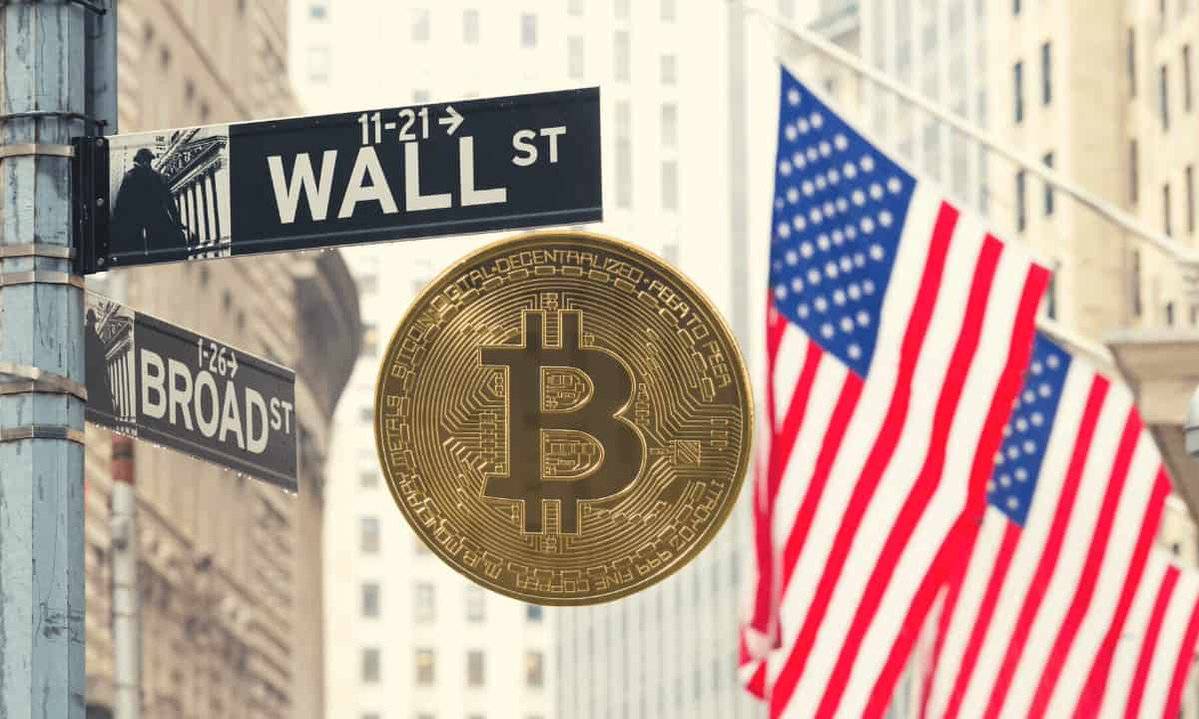
 60% of the largest US banks are ready for Bitcoin. Photo: Bloomberg
More than half of the largest banks in the US have begun implementing or announcing plans to offer Bitcoin-related services, indicating a fundamental shift in the traditional financial system's attitude toward digital assets, according to a report by financial services firm Bitcoin River.
In a Monday post on X, River stated that among the top 25 financial institutions operating in the U.S., 60% have either entered or are in the process of entering services related to Bitcoin, including trading, custody, and structured investment products for institutional and ultra-high-net-worth clients.
60% of the top US banks are into bitcoin. pic.twitter.com/AqceDDfjDP
— River (@River) January 26, 2026
This move comes amid rapidly increasing demand for access to Bitcoin through traditional financial channels, especially afterBitcoin spot ETFs were approved in the US from the beginning of 2024. Many banks are reportedly quietly building technological infrastructure and dedicated teams to prepare for this new wave of customers, rather than just making exploratory statements as in previous years.
River's assessment aligns with that of Brian Armstrong , CEO of cryptocurrency exchange Coinbase, following his attendance at the World Economic Forum in Davos, Switzerland, from January 19-23. Armstrong noted that most of the bank CEOs he met expressed a significantly more positive stance towards cryptocurrencies.
“The majority of them are genuinely supportive of crypto and see it as a business opportunity, although some are still not ready,” Armstrong Chia . “One CEO of a top 10 global bank told me that crypto is their number one priority and they XEM it as a matter of survival.”
This shift reflects a turning point from the previous period, when many US banks were accused of having a hostile attitude towards the digital asset industry and were alleged to have participated in or facilitated “debanking” efforts against crypto businesses, often informally referred to as “ Operation Chokepoint 2.0 ” – a campaign aimed at restricting blockchain companies’ access to the banking system.
River's latest list includes UBS , the Swiss banking group with a large US presence. According to Bloomberg , UBS is XEM offering Bitcoin and Ethereum trading services to its wealthiest clients.
Among the "Big Four" banks in the US, JPMorgan Chase is considering launching cryptocurrency trading; Wells Fargo offers services such as Bitcoin-backed mortgage lending to institutional clients; while Citigroup is exploring digital asset custody services for institutional investors. According to Forbes, the combined assets of these three banks exceed $7.3 trillion, demonstrating the scale of resources being invested in products related to Bitcoin and cryptocurrencies in general.
Several other major banks, such as US Bancorp and PNC, are believed to have resumed or expanded Bitcoin custody services following clearer regulatory guidance from authorities, demonstrating that legal factors continue to play a decisive Vai in the pace of actual deployment.
Despite the growing trend of participating in the Bitcoin market, banks are not yet ready to fully embrace the crypto ecosystem. They are among the strongest critics of yield-bearing stablecoins, arguing that these products could erode the intermediary Vai of the banking system and create new risks to financial stability.
According to a warning from Standard Chartered , US banks could lose up to $500 billion in deposits to stablecoins in the next few years, as consumers and businesses become increasingly familiar with holding digital assets instead of depositing money in traditional banks. This threat is particularly significant for Medium and small-sized banks, which rely heavily on Capital from individual customers.
Meanwhile, the percentage of merchants accepting crypto payments in the US is also rapidly increasing, further strengthening the competitive pressure on the banking system in Vai role as a payment service provider.
The remaining bank in the "Big Four" group, Bank of America – and the second largest bank in the US – has yet to announce any official plans related to Bitcoin services, only leaving open the possibility ofissuing its own stablecoin from early 2025. Forbes estimates Bank of America's total assets at over $2.67 trillion.
The next two banks on the list of the largest in the US have also yet to show clear moves toward Bitcoin. Capital One, with total assets of approximately $694 billion, and Truist Bank, holding around $536 billion, are currently remaining outside the trend of offering services related to digital assets.
However, even among banks that haven't directly launched crypto services, many are still recommending that wealthy clients access Bitcoin through indirect tools such as ETFs.
The current picture reveals a clear divergence within the US banking system: on one side, large institutions are actively preparing for the era of Bitcoin and digital assets; on the other, they maintain a cautious attitude, awaiting greater stability from the regulatory framework and the market.
However, with over 60% of leading banks having already engaged to some degree, crypto appears to have moved beyond being XEM a peripheral phenomenon. Instead, it is gradually becoming part of the banking industry's long-term strategy, not just as a new investment product, but as a factor that could reshape the structure of Capital, payments, and asset management over the next decade.
Coin68 compilation