Videos featuring CZ on Douyin have received over 100,000 likes.
Written by: Nicky, Foresight News
Binance founder CZ has recently encountered "trouble" again.
In a photo on the X platform, CZ is standing in front of an event backdrop, next to a user who claims to be a "long-time BNB supporter." However, CZ quickly noticed something amiss: he had never owned the blue-purple shirt, the backdrop was nonexistent, and the resolution of the figures was inconsistent, clearly indicating that the image had been spliced together. Meanwhile, another photoshopped image showed CZ in a picture with Aster CEO Leonard.
What's even more intriguing is that this account, with 863,000 followers, had already blocked CZ.
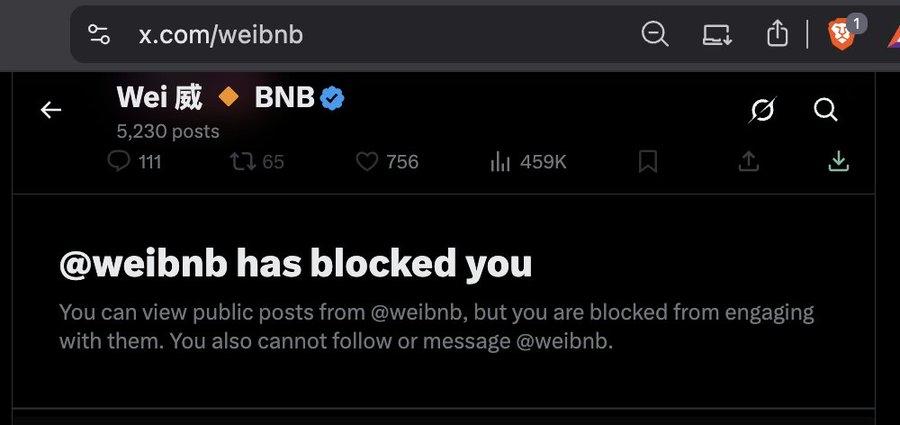
On February 4th, CZ publicly analyzed the details of the images and pointed out a clear gap in the account's historical trajectory: early content was almost unrelated to encryption, but later it shifted to advocating for BNB activities, with a lack of reasonable transition in its identity change. In his view, this type of account, which operates for a long time but is built on fabricated materials, is not just a prank, but more like a form of image manipulation with a pre-set goal.
CZ stated that he did not know the account holder and did not remember when he blocked them, but it now appears that this action was correct. Regarding the previously circulated so-called "lawyer's letter," he initially thought the forgery was obvious and did not require clarification, but he still saw some media outlets reposting related images and reporting on them. He warned that if even obvious Photoshop or AI-generated content cannot be identified, there may ultimately be consequences.

Meanwhile, some bloggers in the Chinese community have also discovered that a large number of accounts in the English community with Chinese names and nicknames containing "🔸BNB" are posting similar AI-generated group photos and uniformly posting messages such as "cancel account".
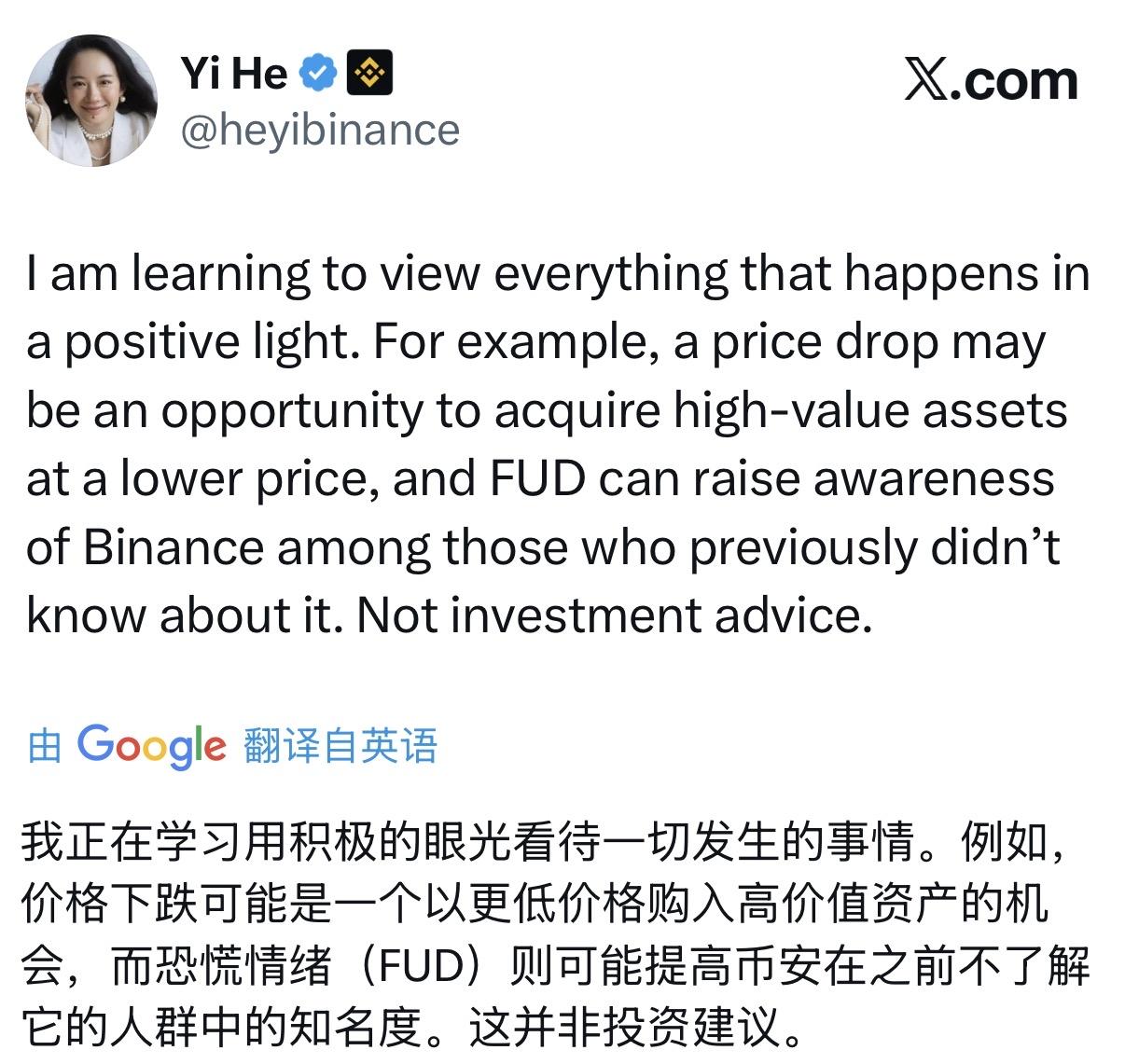
Binance co-founder He Yi stated on social media: "Next time someone fabricates facts, at least look for their real name on LinkedIn. Who would send both a lawyer's letter and a compliance notice at the same time? People who believe this kind of content need to improve their risk assessment skills." Regarding the FUD (Fear, Uncertainty, and Uncertainty) rhetoric, she said she is looking at everything with a positive outlook, which may even increase Binance's visibility among certain groups.
Meanwhile, since January 15, Bitcoin has fallen from approximately $97,000 to below $71,000 on February 5, a drop of over 26%; BNB fell from $948 to $696 during the same period, a similar decline. On February 5, the cryptocurrency fear and greed index dropped to 12, entering the "extreme fear" zone.
Top Crypto Influencers Under Scrutiny
Unlike text, images are more likely to create a sense of "relationship." A photo of someone with a well-known figure in the industry is often subconsciously interpreted as "having had contact," "being on the same side," or "having received some kind of recognition." This type of material is often more effective at spreading than lengthy arguments because it lowers the barrier to understanding and reduces the need for fact-checking.
So why would someone repeatedly create these kinds of images?
One possibility is to establish a "credible persona" for the account. In the crypto community, traffic and trust are often highly intertwined. An account that appears to have "connected with industry celebrities" is more likely to gain attention, shares, and private message interactions. Once this persona is established, it becomes easier to reduce user wariness when promoting projects, shill, or guiding users to join the community.
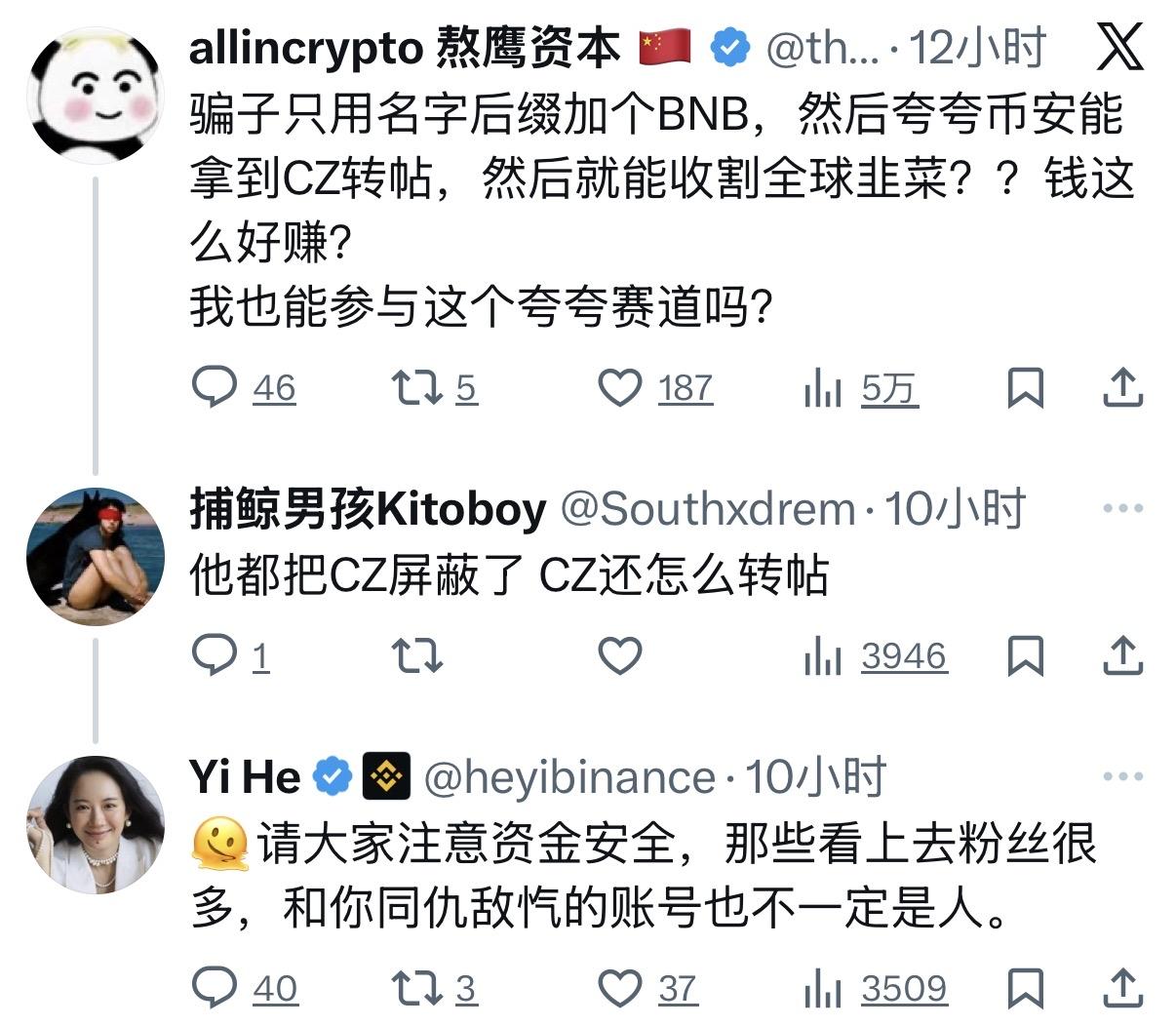
Some bloggers have said that scammers simply add "BNB" to their names, and once they get CZ to retweet their posts, they can gain hundreds of thousands of views and thus reap huge financial benefits.
On January 28, CZ posted an article stating that recent discussions surrounding him had shown signs of organized manipulation of public opinion. He pointed out that some previously inactive accounts or those unrelated to him had suddenly posted highly similar content within a short period, exhibiting clear characteristics of copying and dissemination. The overall behavior resembled a systematic operation rather than a naturally formed discussion atmosphere. This also suggests that the motives behind these actions may not be pure.
Another, more gray area, is the groundwork for subsequent scams. In common encrypted scam chains, fraudsters often need to first establish trust through "professional background" and "insider connections" before gradually guiding users into private communication scenarios. Group photos, event photos, and so-called "offline meeting" records are frequently used material types. The emergence of AI has simply made these materials go from "difficult to forge" to "mass-producible."
Furthermore, it cannot be ruled out that some of these behaviors are related to the KOLs' account creation logic. Currently, personal branding remains one of the fastest-growing paths to traffic. By creating visual evidence such as "participation in industry events" or "appearances alongside celebrities," some new accounts can quickly shed their "ordinary persona" and gain initial attention. In the traffic economy, even if the trust built in this way is not solid, it is enough to support short-term monetization.
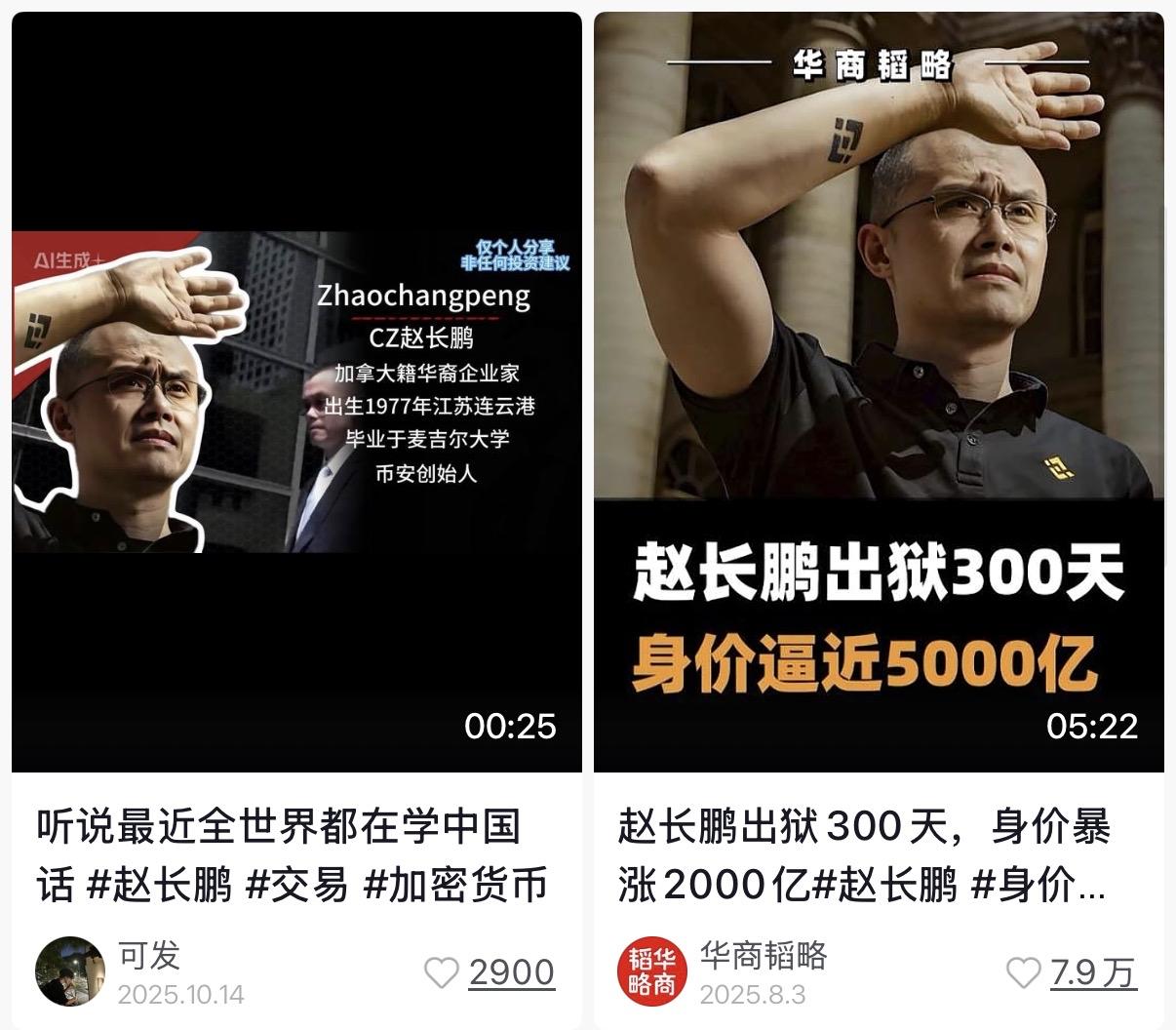
Currently, on platforms such as Douyin and WeChat Video Channels, content related to CZ has garnered over 100,000 likes. In this traffic environment, if someone uses AI-generated photos and videos to fabricate interactions or private relationships with CZ, thereby attracting attention and building trust, it could easily mislead a large number of ordinary users, leading to actual economic losses.
AI doesn't create new motivations; instead, it amplifies existing traffic logic and gray-area profit-making paths. From this perspective, celebrities who manipulate images don't necessarily all aim for the same goal, but they often share similar dissemination logic: leveraging celebrity symbols to shorten the time cost of building trust.
In this environment, a group photo may convey far less than we imagine. And asking "What is the source of this image?" before clicking to share has become the most basic yet increasingly scarce skill in the AI era.