Briefly understand the current application landscape of ZK Rollup.
Written by: @Chinchillah_
Compiled by: DeFi Road
ZK rollups are one of the most promising innovations in crypto, but can easily be confused with new solutions that have emerged recently.
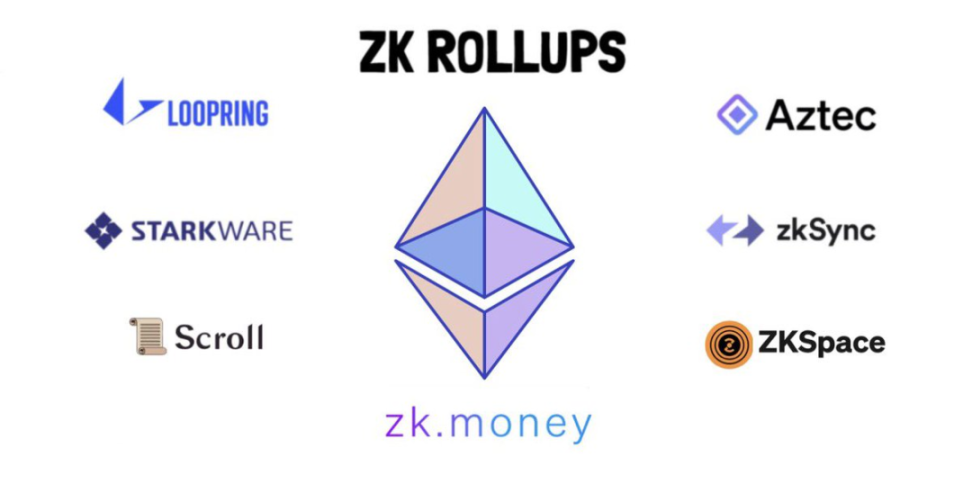
Therefore, this article will provide a visual introduction to some of the most famous ZK rollup protocols.
First, zero-knowledge (ZK) rollups are a layer 2 scaling solution that increases Ethereum’s throughput by processing transactions off-chain and bundling them together on-chain.
This article will not go into technical details.
In general, the benefits of ZK Rollup include very low gas fees and no sacrifice in blockchain security.
This article will introduce the ZK rollup protocol on 8 different topics.
1. zkSync
zkSync is a Zk-rollup that is also EVM-compatible.
Although still a work in progress, the team has already launched the mainnet. You can already try it with real money.
Furthermore, they have raised $458 million in funding and do not have their own token.
According to data previously shared by @l2beat and @ETH_Daily:
・Zksync’s TVL is $53 million;
・According to @Orbiter_Finance data, it is the third-largest L2 by transaction volume;
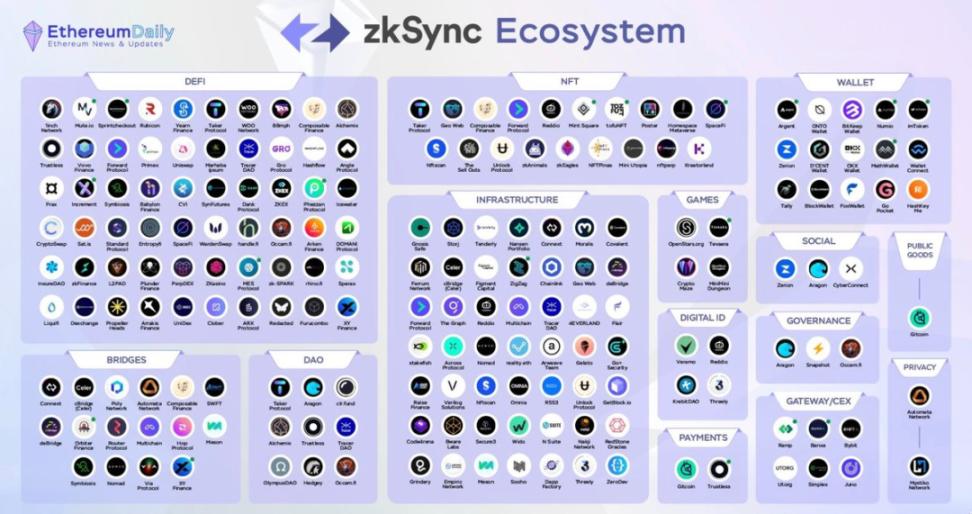
・So far, at least 300 projects have joined the ecosystem.
Below you can see its growing ecosystem.
2. StarkNet
StarkNet is probably the biggest competitor of zkSync. It is another Zk Rollup solution.
StarkNet has launched mainnet. But you can also try out StarkNet on the testnet.
They also don’t have a token yet.
Here I have linked a guide to a possible StarkNet token airdrop.
Again, as stated by @l2 beat and previously shared by Ethereum Daily:
・StarkNet’s TVL is $4.6 million;
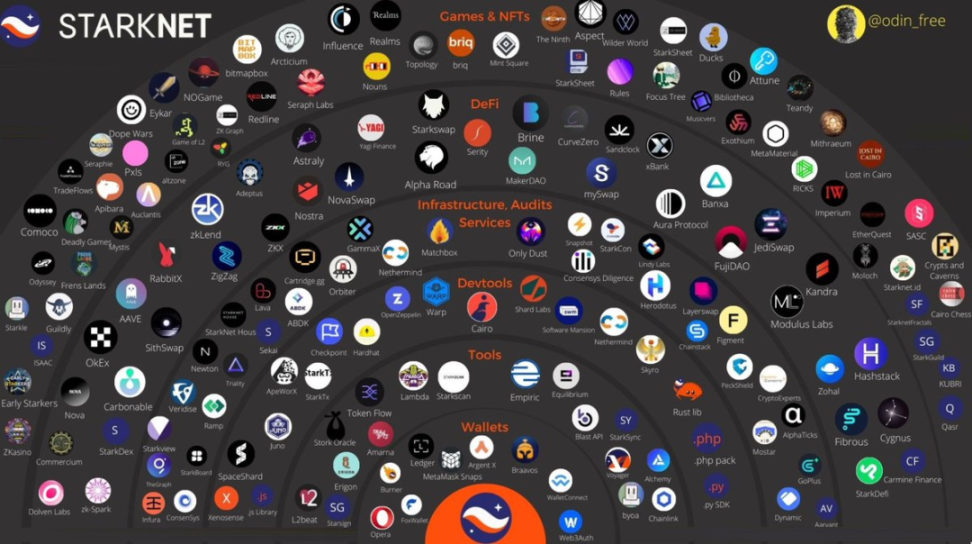
・More than 200 projects have joined the ecosystem;
・The team has raised a total of $273 million in funding to date.
The figure below shows a visualization of its evolving ecosystem.
3. zkLend
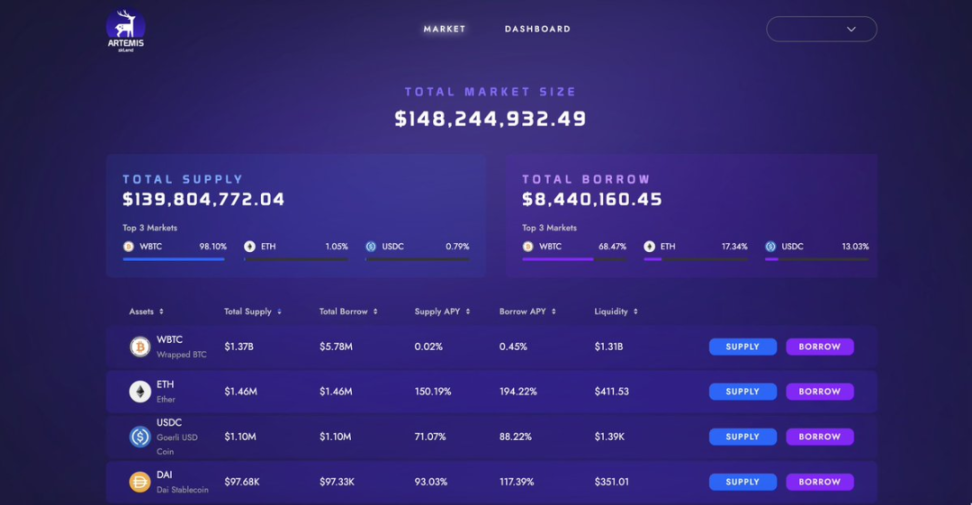
zkLend is not a Zk Rollup. In fact, it is a L2 money market protocol built directly on StarkNet.
It is now available on the testnet. You can try to lend and borrow test tokens using your Argent or Braavos wallet.
And it doesn’t have a token yet.
4. zk.money
This is a DeFi service built on a privacy -centric Zk-rollup called Aztec Network .
You can already bridge real money to zk.money and use dapps like Aave , Y earn , and Lido .
All operations on zk.money are private.
5. Aztec Network
This is a privacy-oriented Zk-rollup with a lot of ready-to-use products.
Its main goal is to provide transparency to the protocol but privacy to the users.
Aztec just raised $100 million, and neither the chain nor zk.money has a token.
6. Polygon ZK
Polygon is also building a ZK solution. They are creating it with fully available source code and EVM equivalent code.
As of now, you can try it out in the testnet.
7. ZKSpace
ZkSpace is a Zk-rollup platform consisting of three parts:
・ZkSwap, L2 AMM Dex;
・ZkSquare, a payment service;
・ZkSea, NFT marketplace and minting center.
Below is their TVL based on real money in the ecosystem.
8. Scroll
Scroll is a zkEVM Layer2.
Their goal is to have a scalable network that enables native compatibility with the existing Ethereum protocol.
You can try their testnet.
They raised $30 million in April and currently have no tokens.
While these are the most rumored, we shouldn’t forget that other companies are also building Zk-rollup solutions.
For example, Loopring already has L2 available.
Disclaimer: I want to reiterate that I have not delved into the technology behind these Layer2s.
ZkSNARKs and ZkSTARKs
These are two different mechanisms that can be used to compute and verify transactions. Basically, they are two different types of foundations that Zk-rollups can be built on.
I linked a better description by @TheDeFISaint here .
In summary, this article aims to introduce the current Zk-rollup application landscape.
Maybe you’ll find this useful for finding new protocols, understanding their basic differences, or trying them out (before a possible airdrop).
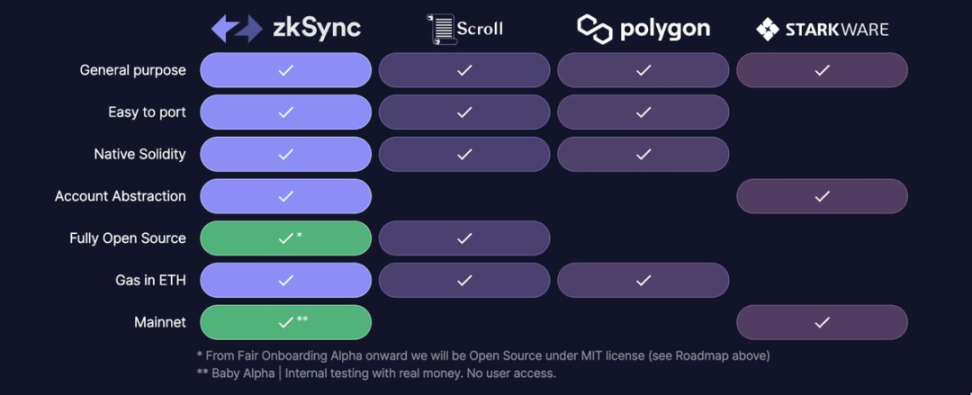
The figure below shows a brief comparison of major zk rollup applications.