Spanish Prime Minister Pedro Sanchez warned the world is at a “global tipping point,” calling for the reopening of the Strait of Hormuz and the protection of all energy infrastructure in the Middle East as the US-Iran conflict enters its fourth week.
Sanchez's statement came just hours after NATO Secretary General Mark Rutte confirmed that 22 countries were now working on a plan to reopen the strait, and Iranian Parliament Speaker Mohammad Bagher Ghalibaf threatened to target those who buy US government bonds militarily.
Spain leads Europe in addressing the energy threat from the Strait of Hormuz.
Sanchez posted on Twitter that further escalation “could cause a prolonged global energy crisis ,” and stressed that “all of humanity should not suffer the consequences of this war.”
Spain has announced an emergency relief package worth 5 billion euros to mitigate the impact of rising energy prices on households and businesses.
His statement also aligns with the general direction of the European Union (EU). At the summit in Brussels on March 19, European leaders called for the reopening of the Hormuz and a halt to all attacks on water systems and energy facilities, according to AP .
However, Spain refused to participate in any military operation to reopen the strait. Germany, Italy, and several other EU countries shared this position, leaving only the UK as Europe's main partner in the US-led alliance.
NATO's Hormuz plan, involving 22 countries, lacks firm commitments.
Mr. Rutte told CBS on Sunday that 22 countries, including Japan, South Korea, the UAE, and Bahrain, have joined the UK-led planning group to ensure security for Hormuz.
According to Rutte, the group is seeking answers to three major questions: what to do, when to do it, and where to do it.
An Axios report indicates that the current joint statement does not yet include a commitment to send warships to the area.
Initially, France opposed the plan, but British Prime Minister Keir Starmer and Mr. Rutte later persuaded President Macron to withdraw his opposition.
An Israeli military spokesperson also confirmed that operations against Iran and Hezbollah would continue for several more weeks, eliminating the short-term war scenario that energy and interest rate markets had anticipated.
The risks posed by Iran's treasury add new challenges to the bond market.
Ghalibaf warned on Twitter that US government bonds were "tainted with Iranian blood" and declared that financial institutions funding the US military budget would be considered legitimate targets.
This threat was issued after Iran attacked the Israeli towns of Dimona and Arad, near the Negev nuclear research center, on Saturday, according to Euronews .
This announcement raises concerns about sovereign debt risks for an already strained Capital market . The yield on 10-year US Treasury bonds rose to 4.38% last week, its highest level since July 2025, as global bonds and stocks were sold off, no longer considered safe havens.
Meanwhile, the US Treasury Department has lifted sanctions on approximately 140 million barrels of Iranian crude oil that were previously stranded at sea.
However, according to Global Markets Investor, this oil had actually already been transported to China through secret trade routes beforehand, so easing the ban would only help Iran expand its output and earn higher prices, rather than increasing the actual supply to the market.
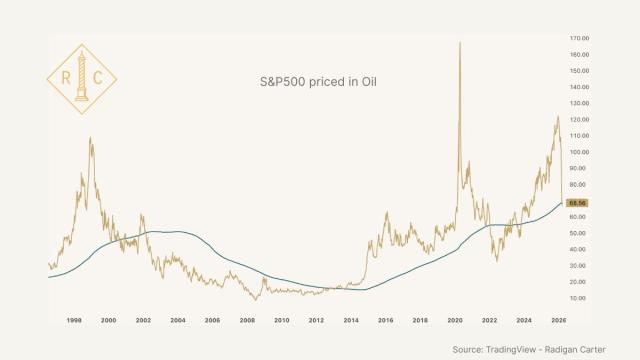
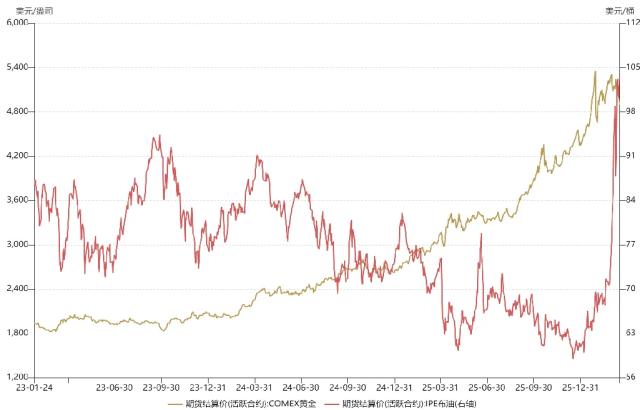
Iran's oil production reached 5.1 million barrels per day in 2024, the highest level since 1978. The war is currently disrupting this major supply, amid a backdrop of world Brent crude oil prices exceeding $112 per barrel.
With Spain calling this a "tipping point," NATO still planning but not yet implementing action, Iran continuing to issue warnings about the US financial system, and Israel confirming that the fighting is unlikely to end anytime soon, the gap between diplomatic warnings and military reality is widening.
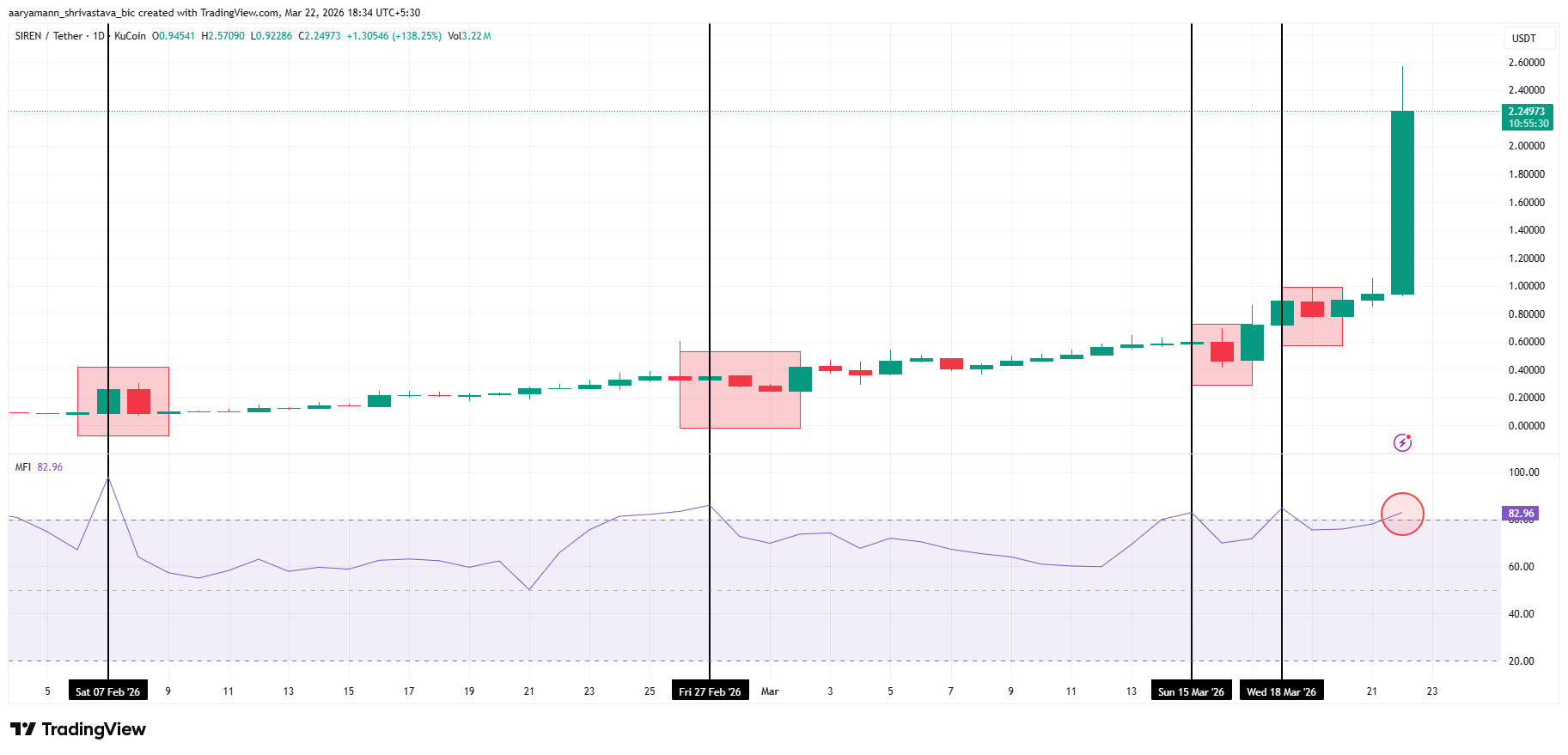
With energy, bond, and crypto markets all in the same league, the next crucial development will be whether this 22-nation coalition will move from plans to concrete action, or whether Hormuz will remain under lockdown into April.