US stock Futures Contract fell at the open on Sunday, after President Trump issued an ultimatum demanding Iran fully reopen the Strait of Hormuz within 48 hours, while also threatening to “attack and destroy” Iran’s largest power plants if Tehran did not cooperate.
In response, Iran warned it would completely close the strait and attack the energy and freshwater infrastructure of US allies in the Gulf region, raising tensions for Monday's trading session as the deadline approached.
Trump reverses signals of de-escalation with deadline at Hormuz.
This ultimatum, posted by Trump on Truth Social on Saturday,reverses earlier signals on Friday that seemed to indicate a possibility of de-escalation. It is the most serious threat directly targeting Iran's civilian infrastructure since the conflict began on February 28, 2024.
Iran's response was uncompromising, showing no intention of backing down. Tehran threatened retaliation against energy facilities of the US, Israel, and their allies, including desalination plants in Saudi Arabia and the UAE. Iranian officials warned of the risk of a "Gulf-wide power outage" if their power plants were attacked.
Markets predict a very low chance of a quick resolution. Currently, no diplomatic channels between Washington and Tehran have been reopened.
Market reaction to Iran's ultimatum
As soon as trading opened Sunday evening, US stock Futures Contract plunged. The S&P 500 fell 0.7%, the Nasdaq 100 fell 0.7%, and the Dow Jones fell 0.6%.
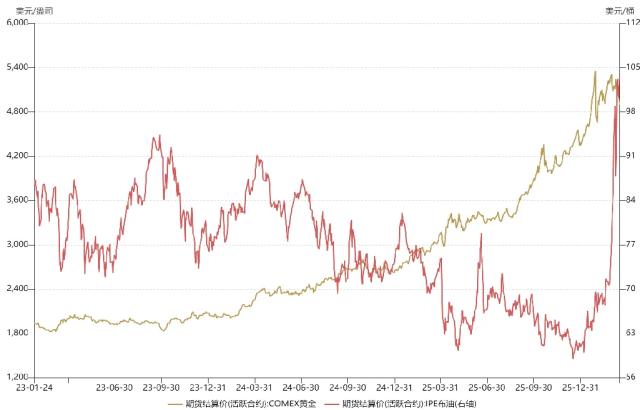
Meanwhile, oil prices surged. WTI crude rose 2.0%, Brent increased 1.5%, nearing $114 per barrel as investors worried about the risk of prolonged supply disruptions or a complete freeze in the Strait of Hormuz.
Gold prices fell again by 2.5% despite geopolitical tensions. The drop in gold prices indicates forced sell-offs and a shift by investors to holding USD instead of seeking traditional safe havens. Since the war broke out, gold prices have fallen by more than 14% – the worst decline since 1983.
Bitcoin (BTC) also came under downward pressure, falling below $69,000 as the crypto market followed a general risk-averse trend. During this tense period, BTC had an 89% correlation with the S&P 500 index, confirming that macroeconomic factors are strongly influencing crypto prices.
 Screenshot of US stock Futures Contract : S&P 500, Nasdaq 100, and Dow Jones decline, while WTI and Brent crude oil rise. Source: TradingView
Why the next 24 hours will be a two-way event.
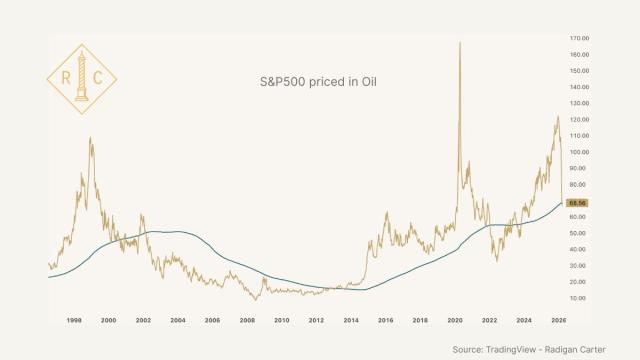
The stock market entered this crisis with excessively high valuations. The Shiller CAPE ratio is at a multi-decade high . The Buffett Indicator has also reached approximately 220% of GDP, equivalent to the DOT-com bubble period.
Buffett Indicator. Source: Longing Term TrendsInstitutional leverage is at a record high, while cash holdings in investment funds are at their lowest levels in history.
The US Federal Reserve (Fed) is facing a policy impasse . Rising oil prices are driving inflation higher, making it unfavorable for the Fed to cut interest rates despite signs of an economic slowdown, including bad consumer debt and weak employment figures.
At its meeting on March 18, 2024, the Fed kept interest rates unchanged in the range of 3.5%-3.75% and projected only one cut in 2026.
If Iran fails to comply by the deadline, and the US resorts to intimidation, airstrikes on Iran's power infrastructure are likely to lead to:
- The Strait of Hormuz was completely sealed off.
- The retaliatory attacks targeted the energy facilities of the Gulf states.
- Oil prices have surged, with experts at Goldman Sachs and Citi forecasting that Brent could surpass $150 per barrel.
For the crypto market, the outcome is particularly significant. BTC ETFs experienced net outflows of $90 million on March 19, 2024, ending a seven-day chain of consecutive inflows. If the conflict escalates, the risk of institutions continuing to reduce risk will spread across all asset classes .
The next 24 hours are a decisive moment, potentially changing the landscape of global financial markets since the start of hostilities. Either Iran will reopen Hormuz under pressure – something that currently shows no positive signs – or the conflict will enter a new phase causing significant volatility in energy prices, bonds, stocks, and cryptocurrencies.