Following a strategic statement by US President Donald Trump, South Korean financial markets experienced sharp fluctuations on the 23rd. Both the stock and foreign exchange markets reacted with extreme sensitivity to his every word.
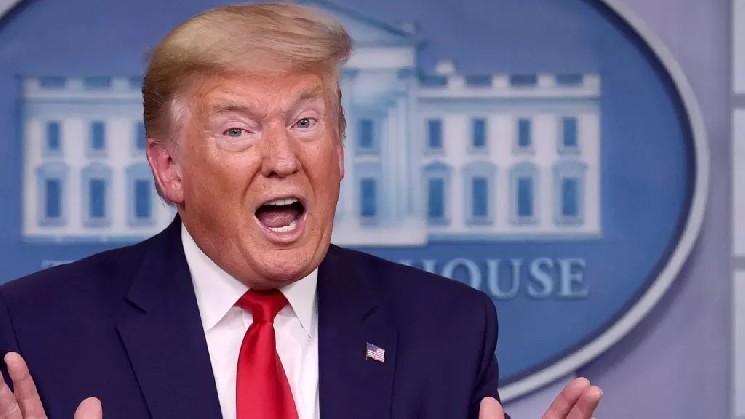
That morning, President Trump announced he had instructed the Department of Defense to postpone military attacks on Iranian energy facilities for five days. This news was interpreted as a signal to ease potential tensions in the Middle East, and financial markets reacted positively. Previously, European and American stock markets had been unstable due to concerns about a conflict with Iran, and the dollar had also risen against major currencies. However, Trump's latest remarks eased market tensions and reversed the trend.
The Korean won/dollar exchange rate, which had been surging, plummeted after Trump's remarks. Particularly in the afternoon, the won/dollar exchange rate fell sharply to 1492.5 won. This is a significant drop from the previous closing level of 1517.3 won, which reflected concerns about the Middle East conflict. The Korea Composite Stock Price Index (KOSPI) also showed a positive turnaround, increasing the likelihood of a further rebound on the 24th.
In the New York stock market, the Nasdaq 100 futures index showed an upward trend, and the Korea Exchange Traded Fund (ETF) tracking the Korean index, also listed in New York, rose accordingly. This indicates that global investors believe tensions in the Middle East will ease, and their focus on risk assets has returned. On the other hand, in the virtual asset market, assets such as Bitcoin, Ethereum, and Ripple maintained their strength, further consolidating their positions.
These reactions in financial markets demonstrate how closely international politics and economics are intertwined. Foreign policy decisions, such as those made by President Trump, can influence investor sentiment and have direct economic impact. Future political developments are expected to continue to trigger market volatility.