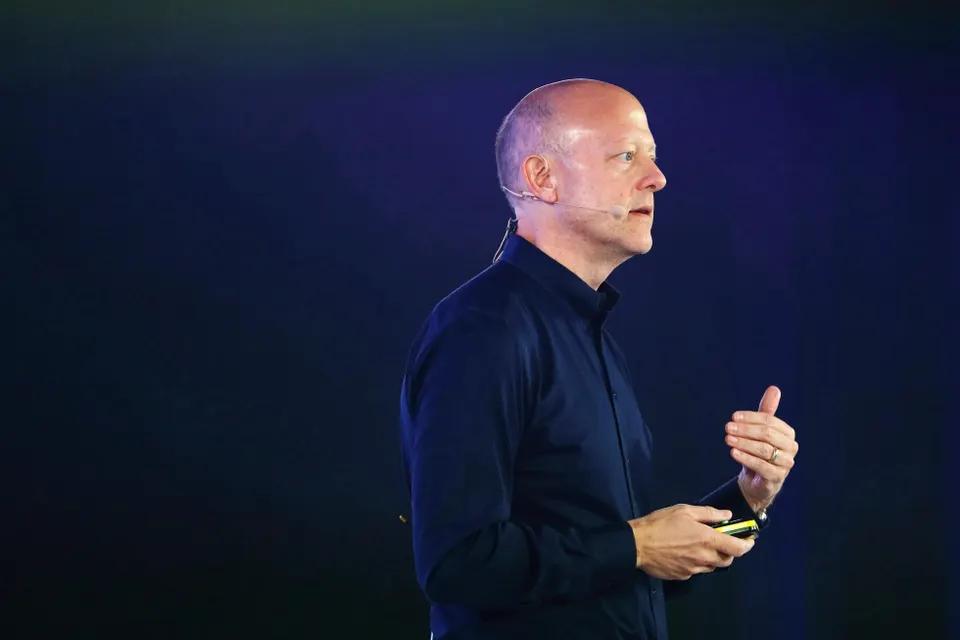
Circle CEO Jeremy Allaire has dismissed concerns that USDC could be used to pay for crypto shipping fees across Iran's Strait of Hormuz.
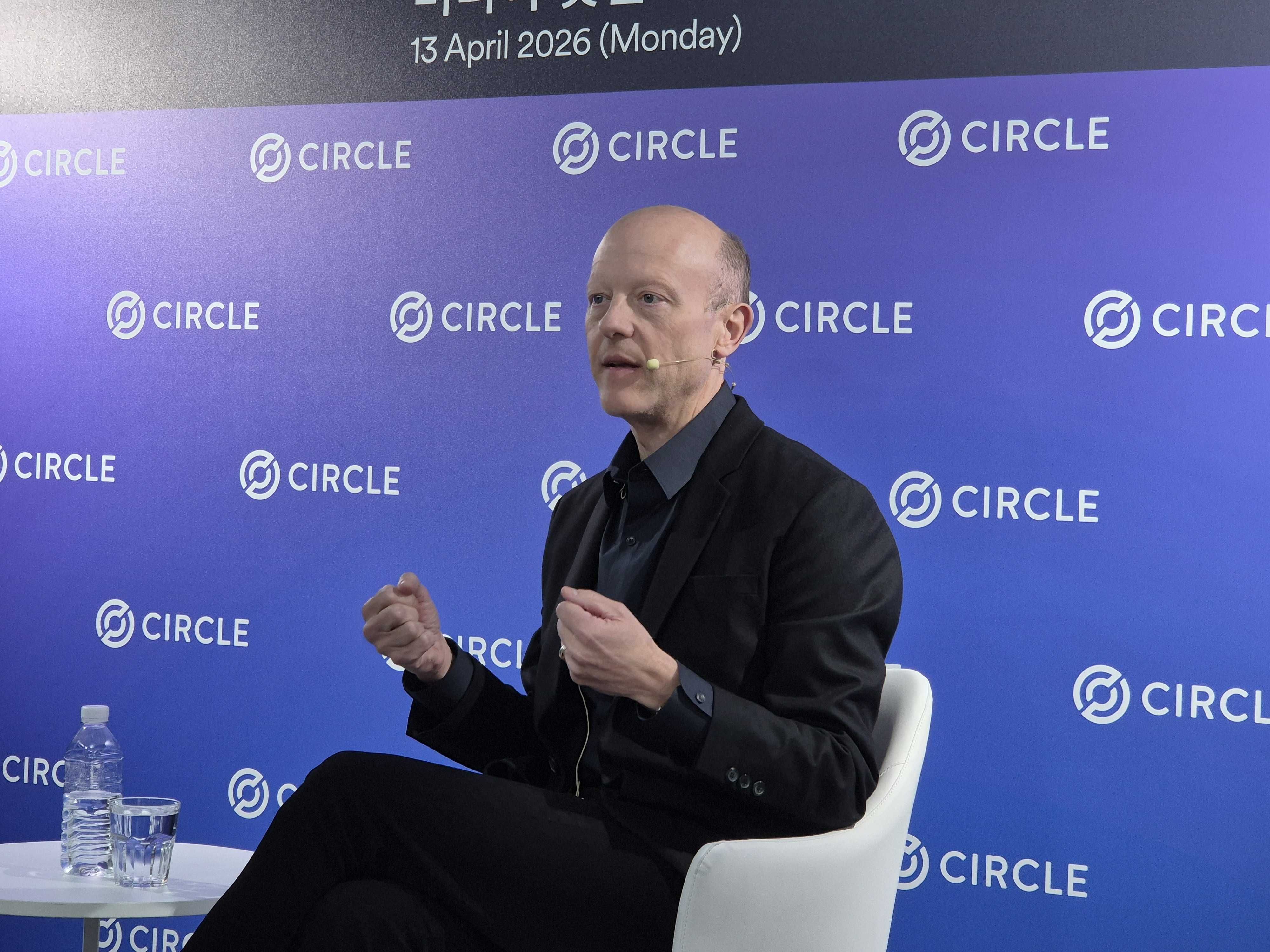
Allaire made this statement at a press conference in Seoul on the afternoon of April 13th, attended by BeInCrypto's East Asia Regional Editor-in-Chief, Oihyun Kim. Allaire is visiting South Korea this week to meet with exchanges, banks, and regulators.
Hormuz fees: “Highly unlikely” with USDC
A reporter asked whether Iran's Revolutionary Guard might accept USDC as a toll fee for crossing the Strait of Hormuz. Allaire denied this possibility.
"Circle operates a very strictly compliant infrastructure," he said.
He emphasized that the company works closely with law enforcement agencies and organizations monitoring sanctions.
Allaire also cited publicly available studies from the United Nations and blockchain analytics firms, showing that sanctioned entities often prefer using other stablecoins instead of USDC, although he did not name them specifically.
"It is very difficult for a sanctioned government to choose a method where the likelihood of assets being frozen immediately is extremely high," he said.
Drift hack: Circle defends its decision not to freeze the game in time.
The $285 million exploit against the Drift Protocol on April 1st drew significant criticism for Circle . The attacker transferred over $230 million worth of stolen USDC from Solana to Ethereum within six hours, but Circle failed to freeze the assets during that time.
Allaire stated that the company must strictly adhere to its legal obligations and can only freeze wallets at the request of law enforcement or the court.
"We, as a company, don't decide for ourselves what the right course of action is," he said, warning that allowing a private company to make such decisions would create "a very big ethical problem."
He also acknowledged the limitations of the current legal framework. Circle is pushing for the CLARITY Act to add “safe harbors” that would allow issuers to freeze assets early in extreme situations.
"That needs to be stipulated in the law, not something we decide on our own," he emphasized.
CLARITY Act: Interest-free ban does not affect Circle.
Allaire also mentioned the proposal in the CLARITY Act to ban passive interest payments on stablecoins. This bill would prevent platforms from paying interest simply because users hold stablecoins.
He stated that this change does not directly affect Circle, as the GENIUS Act prohibits stablecoin issuers from paying interest to holders.
The main impact will fall on distribution units such as exchanges and wallets, as they can still offer activity-based rewards, but are not allowed to promote holding stablecoins as an alternative to bank deposits.
Allaire argues that the yield debate is being “blown out of proportion.” He points out that the vast majority of stablecoin users globally don’t actually receive any rewards. Approximately half of the global M2 money supply, worth $120 trillion, is held in cash or non-interest-bearing accounts.
Visit to South Korea: Working with exchanges, banks, and regulators.
Allaire spent several days in Seoul meeting with major exchanges, financial institutions, and regulators. Dunamu, the operator of Upbit , and Bithumb both signed memoranda of Mnemonics (MOUs) with Circle on the same day. He also met with leaders from Shinhan, Hana, and KB Financial.
He stated that Circle has no plans to issue its own stablecoin in the South Korean won.
Korean law will likely require alliances led by domestic banks to assume this Vai . Instead, Circle will provide the technology infrastructure for domestic issuers.