If the IPO proceeds smoothly, SpaceX's valuation could reach as high as $1.75 trillion.
Article author and source: Zui | Investment Bank
"You want to wake up in the morning believing that the future will be incredibly bright—that's the whole point of 'becoming an interstellar civilization.' It's about having faith in the future, believing that it will be better than the past. I can't think of anything more exciting than venturing into the stars and being among them."
Elon Musk, the world's richest man, CEO, and CTO of SpaceX, described it as follows on the first page of SpaceX's prospectus.
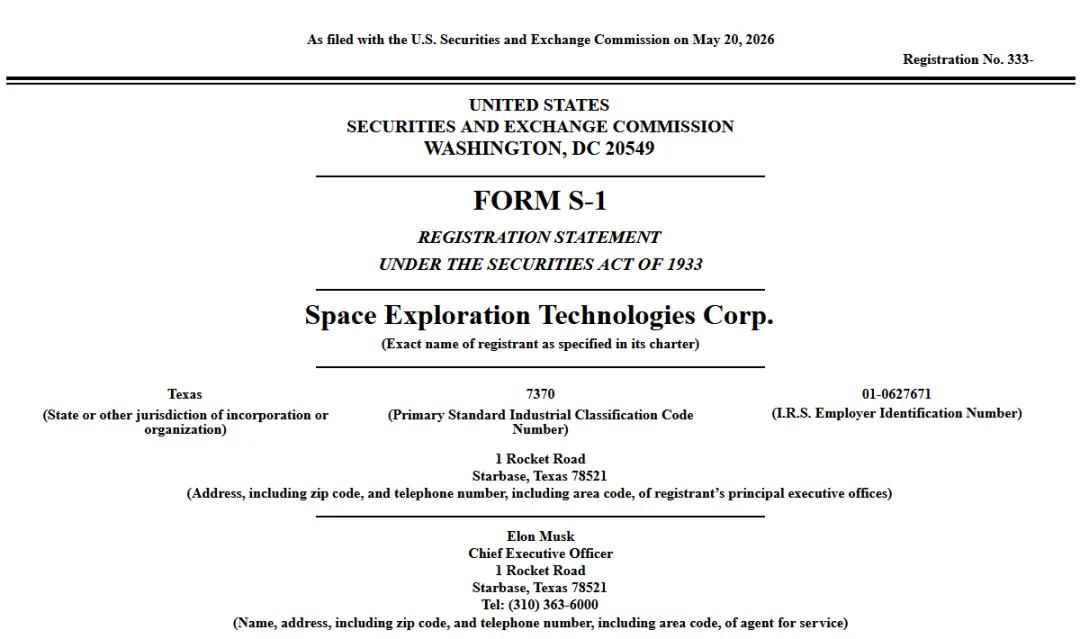
On May 20, 2026 (US time), SpaceX officially filed for an initial public offering (IPO) and publicly disclosed its financial data for the first time. The company plans to list on Nasdaq under the ticker symbol SPCX.
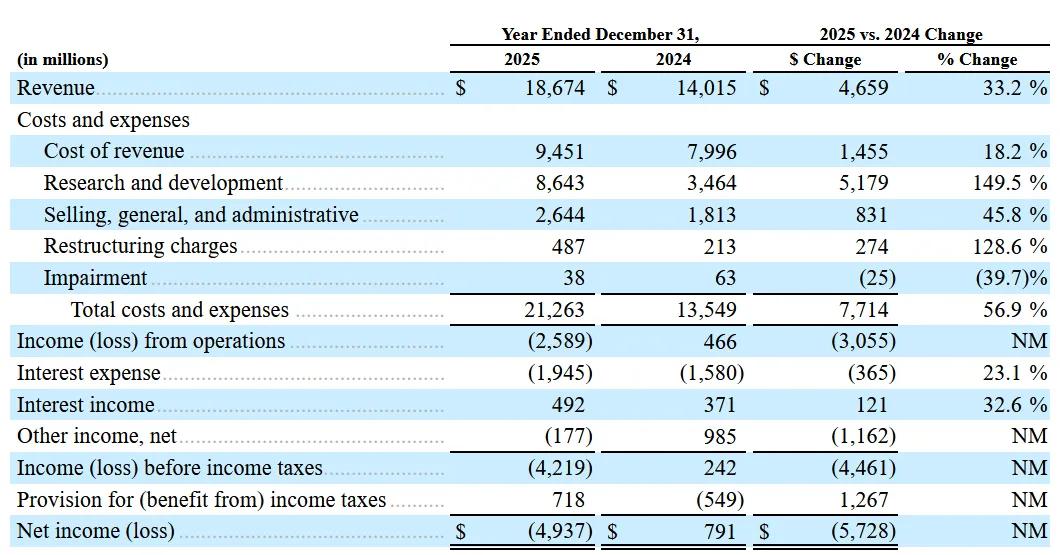
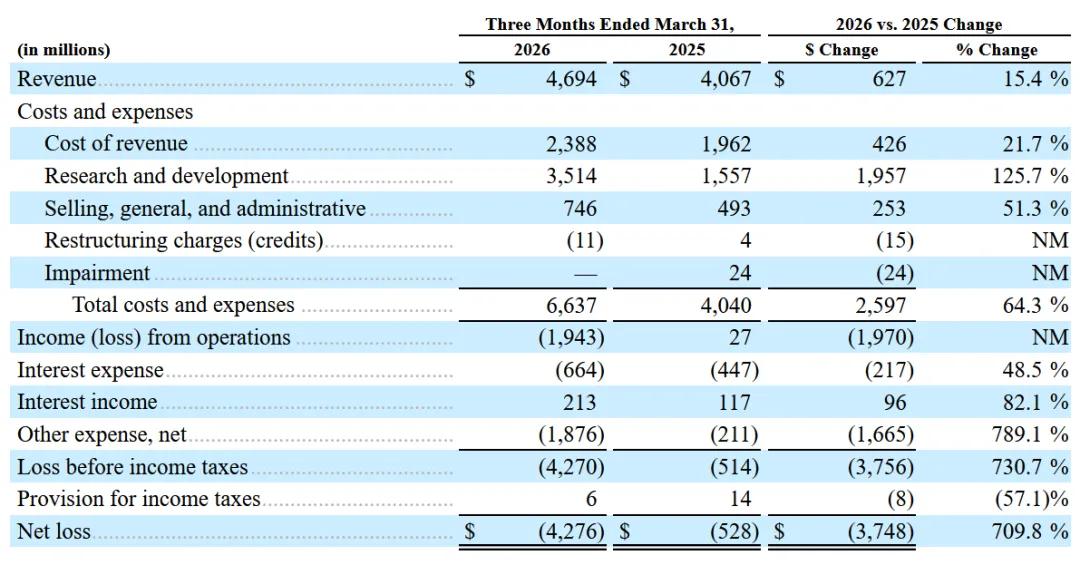
According to its prospectus, SpaceX achieved revenue of $18.674 billion in 2025 (a year-on-year increase of 33%), with a consolidated net loss of $4.937 billion. In the first quarter of this year, it achieved operating revenue of $4.69 billion (a year-on-year increase of 15%), with an operating loss of $1.94 billion and a net loss of $4.276 billion.
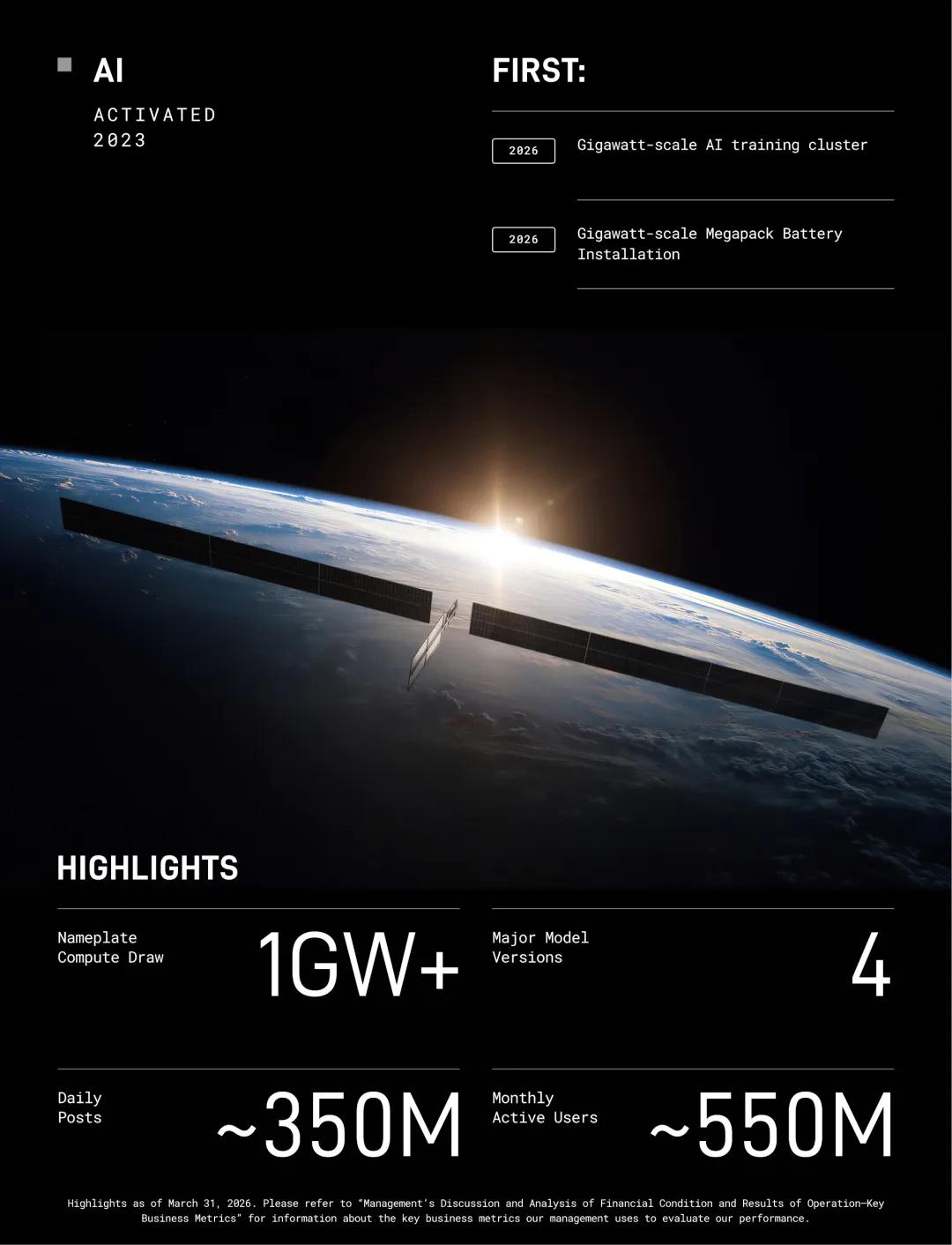
The prospectus also shows that SpaceX's core businesses focus on three major areas: first, Space launch services, which significantly reduces the cost of access to space through the Falcon series rockets and reusable technology, laying the foundation for commercial spaceflight; second, Starlink satellite internet, which builds a global low-Earth orbit constellation to provide high-speed network services without blind spots for ground and mobile terminals; and third, artificial intelligence technology, which relies on gigawatt-level training clusters and the X platform data loop to develop and continuously iterate and optimize the Grok model to support the implementation of AI applications in multiple scenarios.
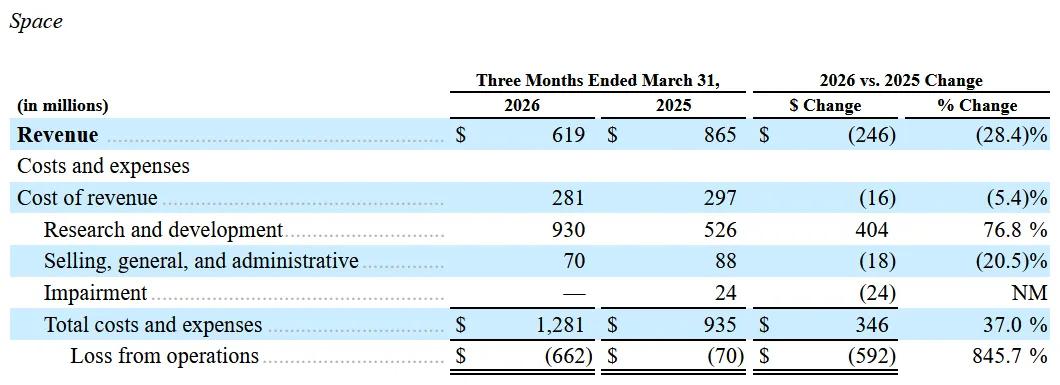
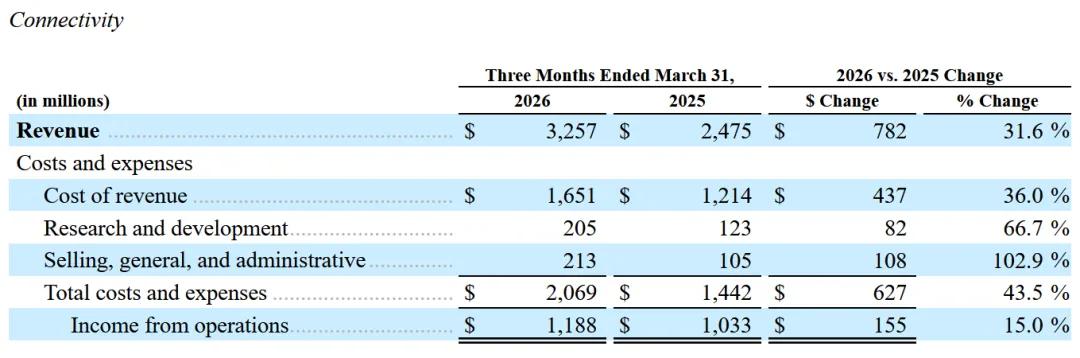
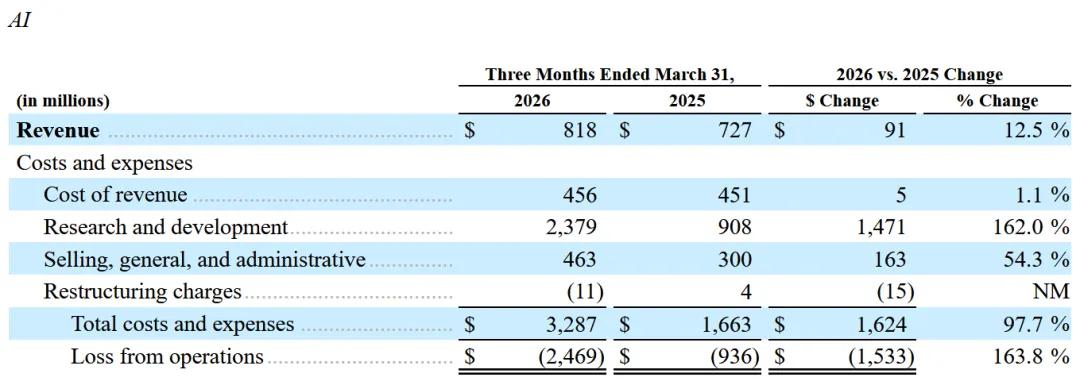
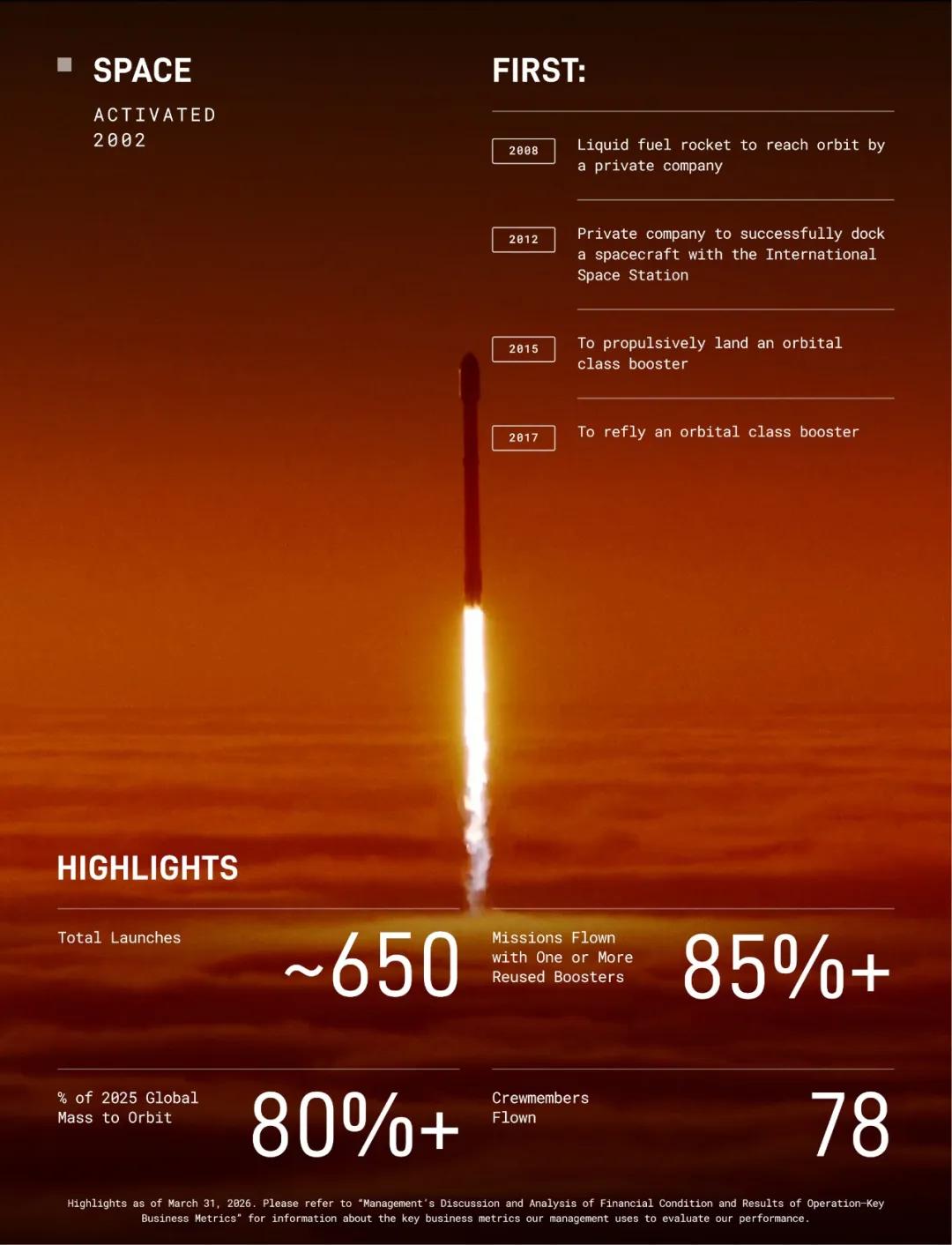
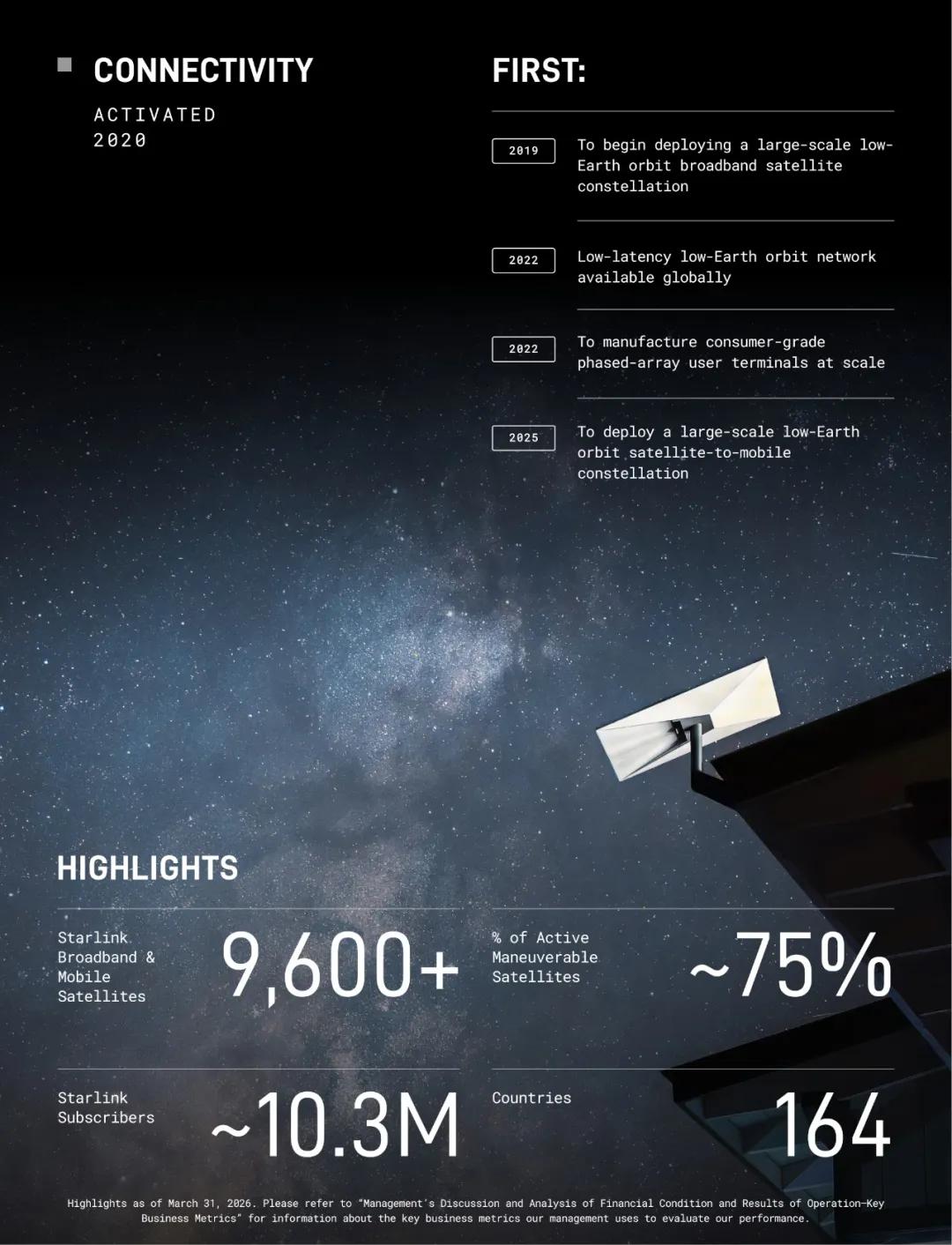
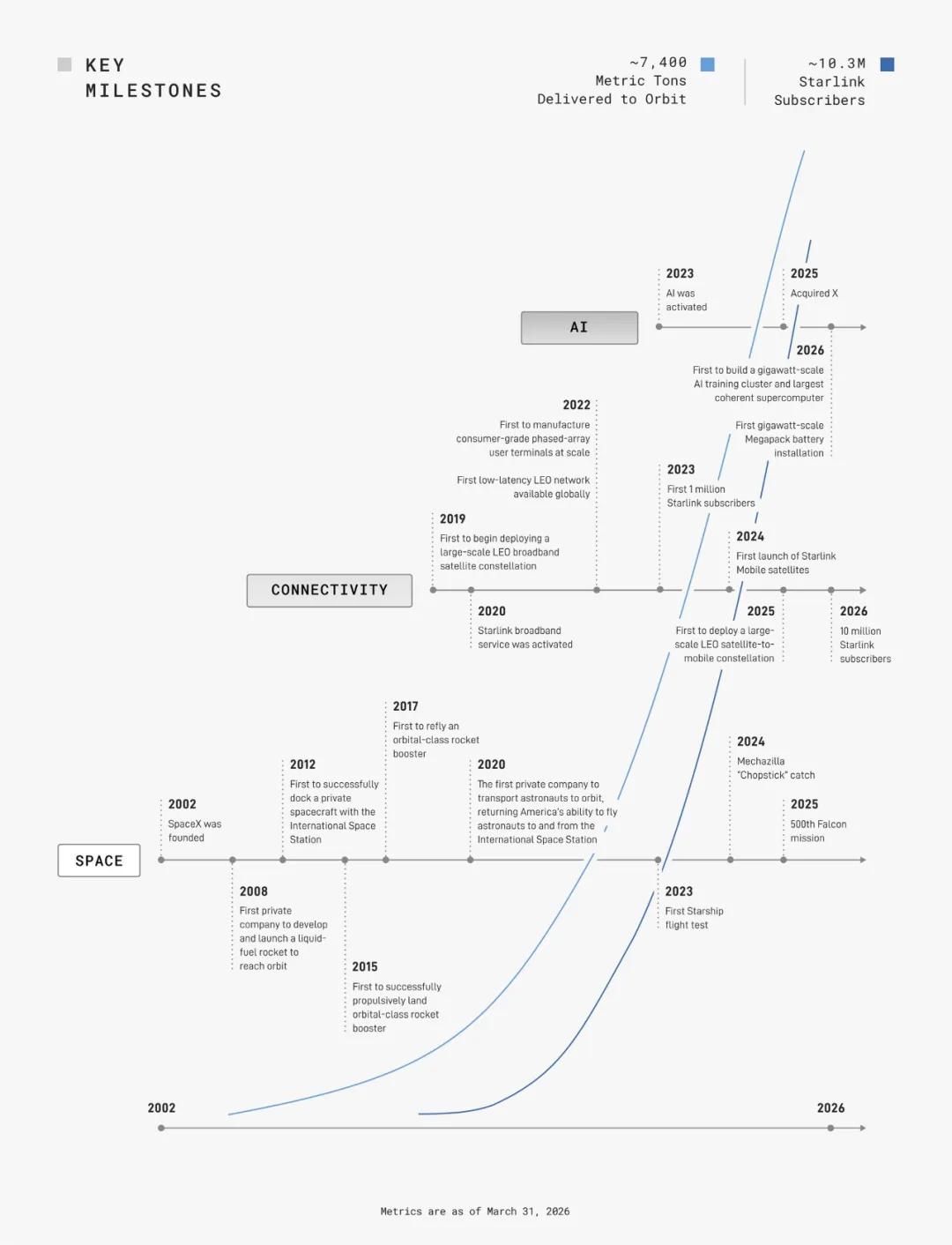
Looking at the revenue composition for the first quarter, Starlink satellite internet contributed $3.257 billion, space launch services revenue was $619 million, and artificial intelligence revenue was $818 million. The prospectus also disclosed that SpaceX has completed approximately 650 launches, with more than 9,600 satellites. Starlink has over 10.3 million subscribers, covering 164 countries worldwide.
In terms of shareholding structure, as of now, Musk holds 12.3% of Class A shares and 93.6% of Class B shares, totaling 85.1% of the voting rights. Following the IPO, Musk will continue to serve as the company's CEO, CTO, and Chairman of the Board. SpaceX will enjoy "controlled company" status, meaning its board of directors will not need to be composed of a majority of independent directors. The prospectus also states that SpaceX does not intend to pay dividends to Class A shareholders in the "foreseeable future."
The company plans to deploy its first modular orbital AI computing modules by the end of this decade and monetize them through the sale of AI software and computing services. SpaceX stated that it expects to expand its annual launch scale to several thousand in the future. The prospectus also reveals that the company plans to launch financial products covering payments, banking, and other financial services, and will deepen its strategic partnerships with Tesla and Intel through a project called "Terafab".
SpaceX also disclosed plans to acquire Cursor in exchange for Class A common stock after the IPO, with an implied equity value of $60 billion. In addition, the company plans to engage in asteroid mining operations, extracting metals and other resources from near-Earth asteroids and main-belt asteroids.
The bookrunners for this IPO include Goldman Sachs, Morgan Stanley, Bank of America, Citigroup, and JPMorgan Chase. Barclays, Deutsche Bank, RBC Capital Markets, UBS, and Wells Fargo will also serve as underwriters.
Before SpaceX, the record for the largest IPO in history was set by Saudi Aramco in 2019, which raised $25.6 billion, surpassing Alibaba's record of $25 billion set in 2014, becoming the largest IPO in history at the time.
SpaceX's IPO is expected to raise $70-80 billion. The massive funds raised will primarily be used for two ambitious plans: first, accelerating the Starship project by fully committing to large-scale regular launches of the next-generation Starship; and second, building a space data center by deploying a large number of satellites in low Earth orbit to create an AI computing cluster in space.
If the IPO proceeds smoothly, SpaceX's valuation could reach as high as $1.75 trillion. This figure would make founder Elon Musk the first person in history to surpass a net worth of $1 trillion, marking a significant milestone in his years-long dedication to developing landable, reusable rockets.