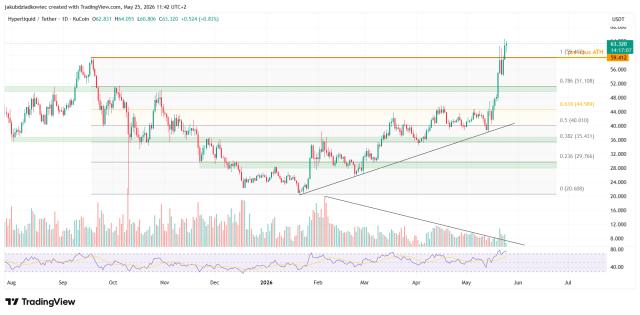
The recent emergence of Tacit, a new Bitcoin asset protocol, has reignited market attention on the Bitcoin ecosystem. And now, a new 10x leveraged "large MC memecoin" has appeared, prompting many to exclaim that the familiar Ordi-like experience is back. Why is the Bitcoin ecosystem so hot lately? Is something truly new emerging?
Bound Exchange
This platform was formerly known as radfi, which previously gained popularity for its "node monkey" strategy token $NODESTRAT. $NODESTRAT is similar to $PUNKSTR on Ethereum, both using transaction fees to buy back NFTs, then listing them for sale at different profit targets, and using a portion of the profits from the sale of NFTs to buy back and burn tokens, thus forming a flywheel.
Previously, radfi and Bound were separate businesses. radfi focused on Bitcoin/rune AMMs and Launchpad, while Bound focused on stablecoins. Now, the two have merged into Bound. The merged platform offers comprehensive functionality, covering everything from trading and lending to Launchpad and an NFT marketplace.
Bound has attracted market attention because its token, _2024111120231_, has surged by approximately 46 times since May 21.
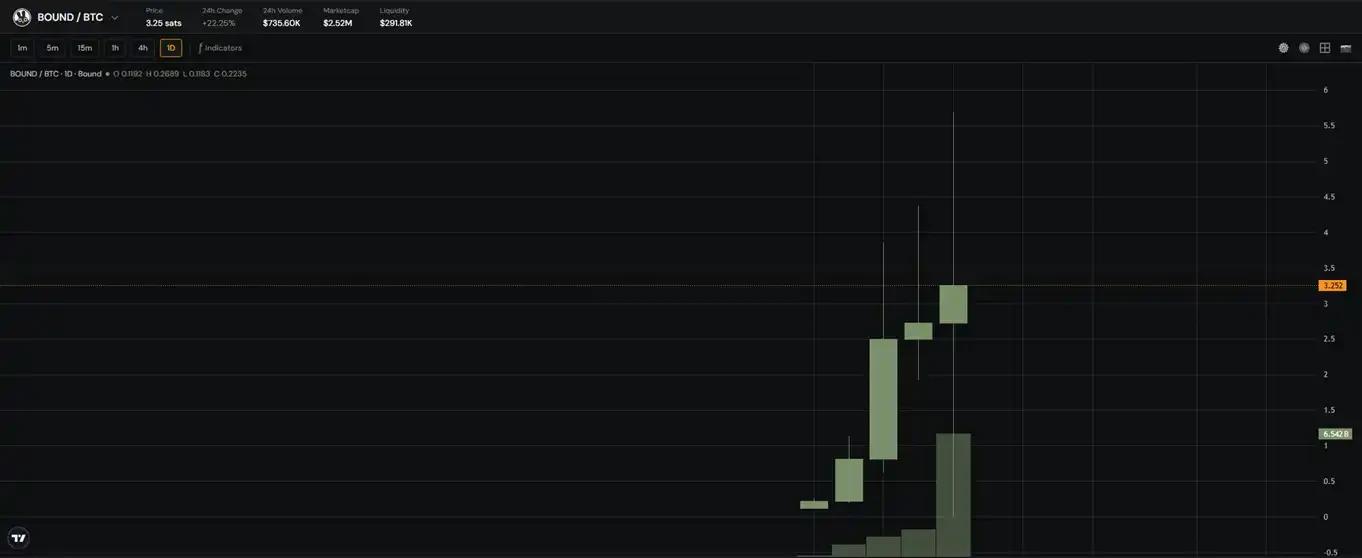
Returning to the project itself, Bound is praised for the following main aspects:
The transaction process has been greatly simplified. Previously, rune AMMs typically required depositing Bitcoin and then waiting for several block confirmations. This confirmation time could be as short as half an hour, or even over an hour if no block was found. On Bound, in addition to Bitcoin, users can also deposit SOL/ETH/HYPE/BNB, and then exchange them for BTC through the corresponding BTC trading pairs, allowing direct trading of rune currencies on the exchange platform. The overall timeframe has been significantly reduced, naturally resulting in a much better user experience.
Transaction confirmation is instantaneous. Eliminating the need to wait for the lengthy Bitcoin block generation process for transaction confirmation has always been a goal for rune-related platforms within the Bitcoin ecosystem. This isn't difficult in itself; after funds are deposited and confirmed on the platform, the transaction is processed internally/off-chain, using the Bitcoin mainnet as a confirmation layer. However, the key issue is how to address security. Previous platforms like Odin.fun enjoyed popularity, but failed due to repeated asset theft incidents. Bound's solution involves adding a 2-of-2 multi-signature to the user's asset storage address: one signature is held by the user (containing the user's device's access key), and the other is on the platform's backend.
In other words, even if the Bound platform is hacked, assets cannot be stolen because hackers can only bypass the signature layer. But what if the platform disappears? Therefore, Bound adds a time lock. If the Bound signature expires after three months, users can directly retrieve their assets using their access key.
Price protection mechanism. Official Twitter retweeted @SkyAAmen's explanation of the mechanism: "After a rune token launched via Launchpad goes live, the token price is calculated based on the average price at the time of mint. 75% of the liquidity raised is placed below that price as a floor to absorb potential selling pressure, and the remaining 25% is paired above that price."

In terms of token issuance, Bound also introduces a virtual mempool, which can be understood as a virtual chain that tracks Bitcoin mainnet blocks. Users who create new rune tokens on Launchpad no longer need to pay miners; the funds are used for price maintenance and liquidity provision, as mentioned above. Furthermore, to reward holding, holders who mint 1 million or more tokens and do not sell them will receive 50% of the transaction fees.
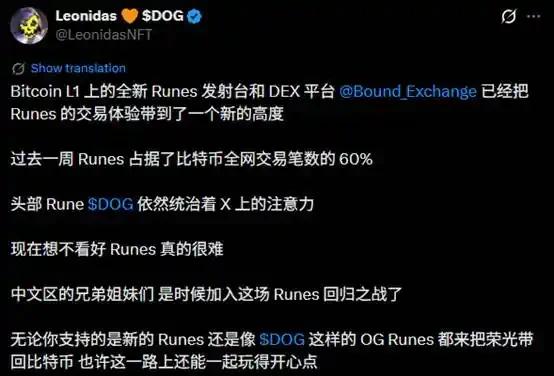
The above three points are the main advantages. In addition, Leonidas, a prominent figure in the Bitcoin ecosystem, has also expressed his support for Bound.
Tacit
BlockBeats previously wrote a detailed article about Tacit:
The new protocol Tacit, the ZEC of the Bitcoin ecosystem.
Currently, the price of Tacit's leading token ($TAC) remains stable, corresponding to a market capitalization of approximately $5.5 million. Developer @z0r0zzz continues to provide intensive updates, having implemented a double-blind token on Bitcoin on May 23rd, further enhancing the protocol's privacy features. Additionally, he is updating a permissionless ETH-BTC bridge implemented using SP1 zero-knowledge proofs.
Alkanes
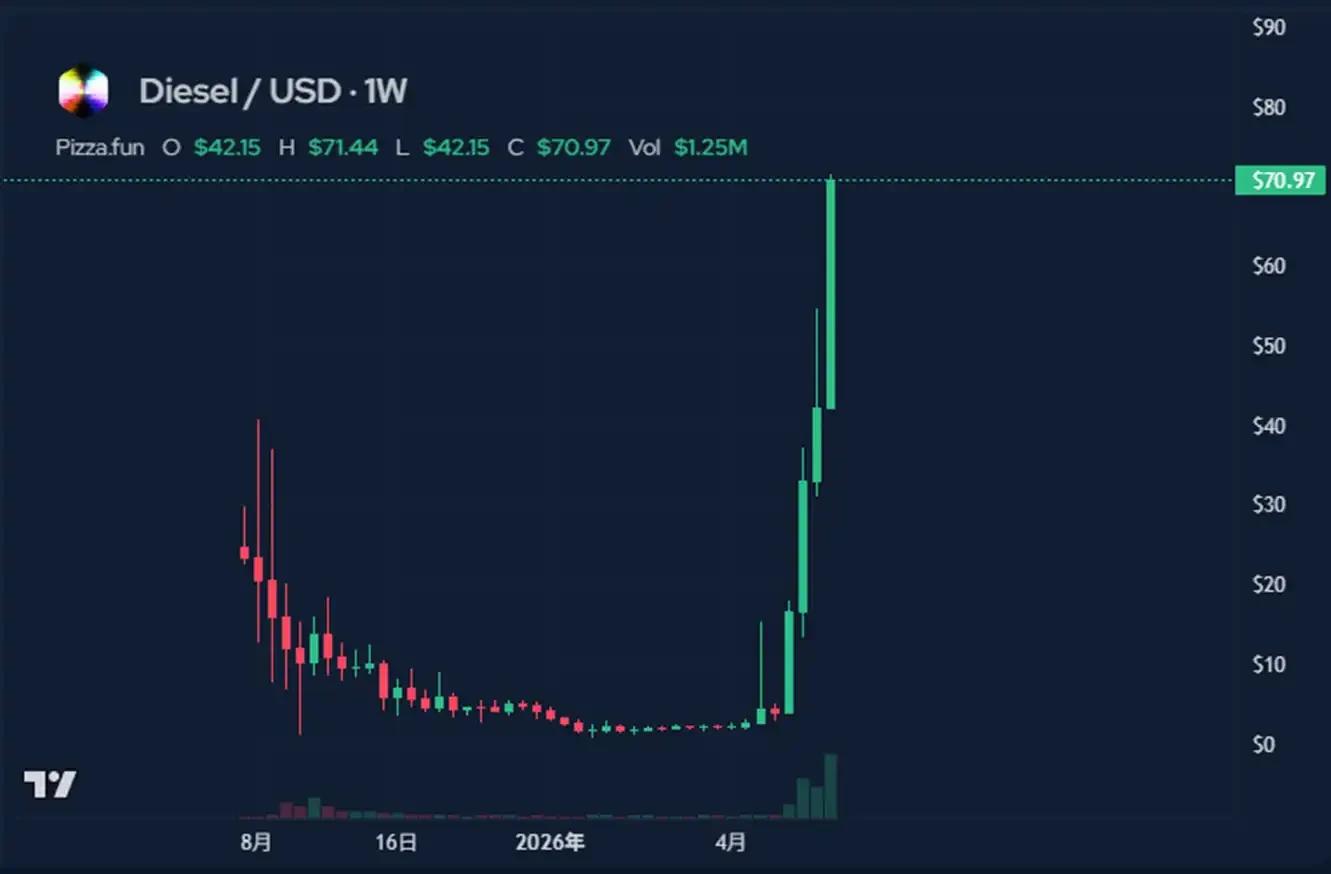
We've previously introduced Alkanes: Another 10x Bitcoin Ponzi scheme emerges in the Bitcoin ecosystem—what is the new asset protocol Alkanes? This protocol has garnered attention because it has increased approximately 17 times since the end of April and continues to rise.
Alkanes is not a new protocol; in fact, Oyl Wallet, which initially spearheaded it, has disbanded. Subfrost, which is now responsible for protocol updates and maintenance, is essentially the same technical team that was originally responsible for Alkanes within Oyl Wallet. Although Oyl has disbanded, the Subfrost team continues to update it and has made significant speed optimizations, such as embedding contracts into the indexer.
However, the significant rise in $DIESEL's price is likely due to its small actual circulating supply. Previously, $DIESEL's mining mechanism involved the single transaction paying the highest miner fee within each block receiving all the rewards for that block. This meant that minting was largely monopolized by researchers, making it difficult for ordinary users to participate. However, in August of last year, the mining mechanism was updated so that all successfully minted transactions distributed the block reward proportionally based on their bids. In other words, those who believe in the value of the token will mine more, and mining has become a small, fixed activity within each block (the current block reward is approximately 3.125 $DIESEL, coinciding with Bitcoin's halving cycle), but the bidding dynamics within each block can change.
Meanwhile, 50% of all bidding funds within a block will be converted into tokens and transferred to the project's treasury for protocol development. Therefore, although the production per block is approximately 3.125 tokens, users actually receive less than that number; a portion goes directly to the project team.
The total supply of $DIESEL is 1.562 million, of which approximately 640,000 have been mined and are currently in circulation. However, the actual number available for trading is likely less than 10% of the total supply. Considering its recent surge in price, I would call it a "monster coin" in the Bitcoin ecosystem.