The U.S. state of Delaware has moved to impose strong regulations on cryptocurrency ATMs. This is being interpreted as a clear trend toward "selective regulation," which fosters the digital asset industry while decisively shutting down distribution channels where consumer harm is frequent.
According to industry sources on the 11th, the U.S. House of Representatives of Delaware passed a bill to completely ban the operation of cryptocurrency ATMs and sent it to the Senate. If the bill is finally approved, not only new installations but also existing ATMs must cease operations and be removed within 90 days.
This measure is intended to curb the recent surge in cryptocurrency ATM-related fraud across the United States. The need for regulation has grown due to a series of victim cases, particularly targeting the elderly, where fraudsters impersonate government or financial institutions to induce them to transfer funds via cryptocurrency ATMs.
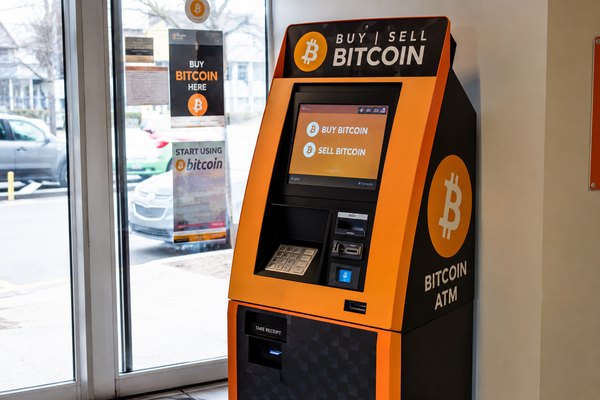
Cryptocurrency ATMs are devices that allow users to purchase or transfer digital assets, such as Bitcoin, by inserting cash. While they offer the advantage of high accessibility, they have been criticized for being exploited as a means of crime due to the difficulty in tracing funds and the challenge of recovering losses in the event of damage.
It is worth noting that Delaware is not rejecting the digital asset industry itself. Delaware, known as the hub of U.S. corporate law, has recently been actively pushing for the institutionalization of the blockchain industry, including stablecoins and digital asset custody services. On the other hand, it has chosen the stance of removing cryptocurrency ATMs from the market due to the high risk of consumer harm.
This demonstrates that the policy direction of U.S. regulatory authorities is shifting from suppressing exchanges or blockchain technology itself to managing the points where consumer harm occurs. In fact, bans or strong regulatory measures against cryptocurrency ATMs are being implemented or pursued in some states, such as Indiana, Tennessee, and Minnesota.
The industry anticipates that this move will have a significant impact on the entire U.S. cryptocurrency ATM industry. However, some analysts suggest that sectors linked to institutional finance, such as stablecoins, Real-World Asset Tokenization (RWA), and digital asset services for institutional investors, may actually find growth opportunities.
Ultimately, the United States is shifting its policy focus from unconditionally regulating the digital asset industry to fostering infrastructure connected to institutional finance while eliminating channels vulnerable to fraud and crime. Delaware's recent decision is seen as an example demonstrating that U.S. digital asset regulation has entered a phase of simultaneously pursuing both industry growth and consumer protection.