"Humans may develop AGI before 2030."
Sam Altman revealed in a recent podcast interview that GPT-10 is AGI, which is smarter than all the people in the world combined!
And when the host asked, how to define AGI? Altman said:
If we can develop a system that can independently develop scientific knowledge that humans cannot develop, I will call this system AGI.
The birth of ChatGPT has set off a huge shock wave all over the world, far exceeding the repercussions of the AlphaGo man-machine war.
You may ask, what exactly does OpenAI want?
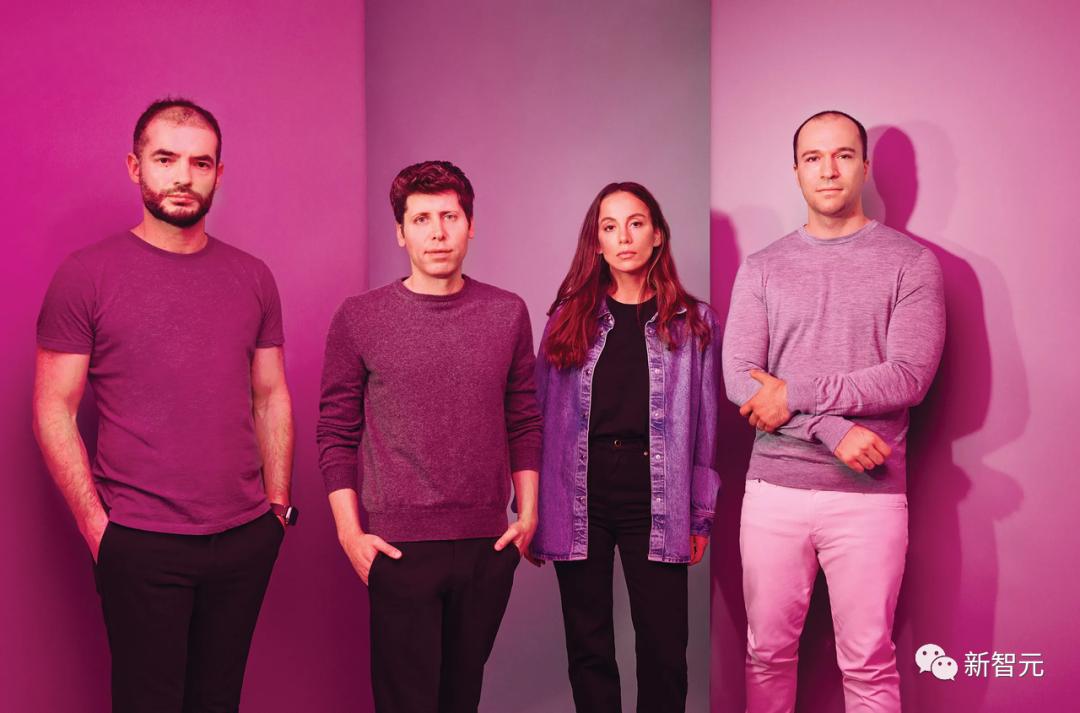
In the cover report of this issue, WIRED provides an in-depth analysis of OpenAI's ambitions, strategies, and its attempts to preserve the laboratory culture in the process of enterprise development.
The article pointed out that OpenAI's ultimate goal: to change everything.

What’s also interesting is that OpenAI’s financial documents even stipulate an exit contingency plan in case AI destroys our entire economic system.
In other words, when the real AGI comes, if it becomes "Skynet", OpenAI still has options.
How far is AGI?
How does Sam Altman envision a world where humans and artificial intelligence co-exist?
In his view, when will artificial intelligence completely change our way of life?
Recently, Nicolai Tangen, an entrepreneur from a Norwegian management fund, opened a dialogue with Sam Altman, answering in depth how AI will affect the world.
Sam Altman's vision is to enable AGI to enable humans not to do the work that they "have to do", so that everyone can do the work they love and can devote themselves to.
He used himself as an example. He said that he loves his current job very much, and everything he does now is something he is very willing to devote himself to. And maybe in the future when AGI arrives, everyone can be like him, only doing what they are willing to do, so that everyone's potential can be fully realized.
"When GPT-10 is developed, maybe he can be smarter than all the people in the world combined. Can you imagine how much human productivity will be improved with his help?" Altman said.
And how to reach such an end point, Altman also gave some specific statements.
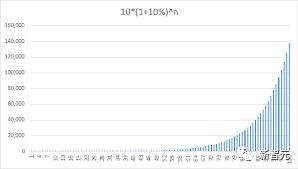
“I told the people in the company that our goal is to improve the performance of our prototype product by 10% every 12 months,” he said. “If you set this goal at 20%, it may be a bit too high.”
According to him, in OpenAI, maybe 15%-20% of employees actually write code by hand.
How to enable the team to work efficiently is a key factor that affects whether their ultimate goals can be achieved.
how to lead a team
When the host asked him how he managed and promoted employees within the company, Sam Altman said that he felt that AI was actually very suitable for the role of leader.
If AGI is developed one day, he will let it be the CEO of OpenAI, and he can take a break.
He said that in fact, many leaders often allow their companies to fail because they fail to do three things:
The first is not spending enough time and energy on recruiting, so there is no way to build a good team.
The second is not spending enough time and energy to communicate with the team about the direction and values of progress.
The third point is not spending enough time and energy thinking about strategic issues, so you will always be stuck in the details and unable to move forward.
From a personal perspective, he prefers to promote old employees from within rather than hiring new people from outside to take leadership positions.
But before he puts a newcomer in a leadership position, he will often chat with him first, and then tell him that there are several problems that you may encounter in the future, and you need to solve them first.
Then tell him, of course, you can ignore these issues at all and do it according to your own ideas, but I will write down these issues first, and we will look at them after 3 or 6 months Let's see if things develop as I said.
Often 3 to 6 months later, they would come and tell Altman that they noticed these problems. So it's important to tell them about the issues upfront and allow them to make mistakes.
In short, getting the best talent possible, letting them grow as quickly as possible, and building as much trust as possible is a good way to manage talent.
At the same time, allowing users and the public to realize the advantages of OpenAI's continuously developed products, and allowing more people to accept and use their products are also things that must be dealt with before reaching AGI.
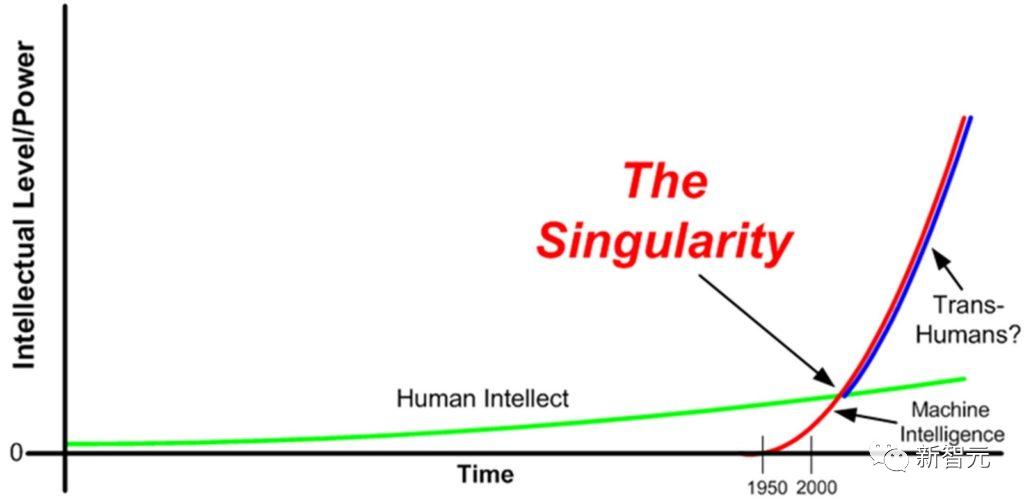
When the Singularity Comes, Humanity Needs to Be Prepared
In the Wired article, Altman described how the release of ChatGPT and GPT-4 was handled at the beginning of the year. Explained why OpenAI released ChatGPT just as GPT-4 was nearing completion and security work was underway.
"With ChatGPT, we can introduce chat functionality, but with a much weaker backend and allow people to adapt more gradually," he said. "GPT-4 needs to adapt to a lot of things right away."
By the time the excitement over ChatGPT wears off, users may be ready for GPT-4, which can pass the bar exam, plan a course syllabus, and write a book in seconds.
Conspiracy theorists might say that the cadence of new product releases is tied to a company's commitment to investors and stock-holding employees to ensure it makes money.
But OpenAI insists that its real strategy is to provide an environment for a soft landing when the singularity arrives.
"There's no point in building AGI in secret and releasing it into the world," Altman said. "Looking back at the Industrial Revolution, everyone thought it was great for the world, but the first 50 years after the Industrial Revolution were really painful. Mass unemployment, mass poverty, and then the world adapted. We're trying to think about how we can make AGI The period before you adjust to the world is as easy as possible.”
How you deal with regulation will determine whether goals are achieved
OpenAI has hired many people who can help it communicate well with regulatory authorities, hoping that they can help OpenAI avoid some of the difficulties and challenges that technology companies have encountered before.
Makanju is a Russian-born Washington, D.C. insider who has held foreign policy positions at the U.S. mission to the United Nations, the U.S. National Security Council and the Department of Defense, as well as serving in Joe Biden's office when he was vice president.
"I have many connections in the U.S. government and European governments," she said. She joined OpenAI in September 2021. At the time, few in government cared about generative AI.
Knowing that OpenAI's products would soon change that, she began introducing Altman to government officials and legislators, making sure they heard the OpenAI good and bad news first.
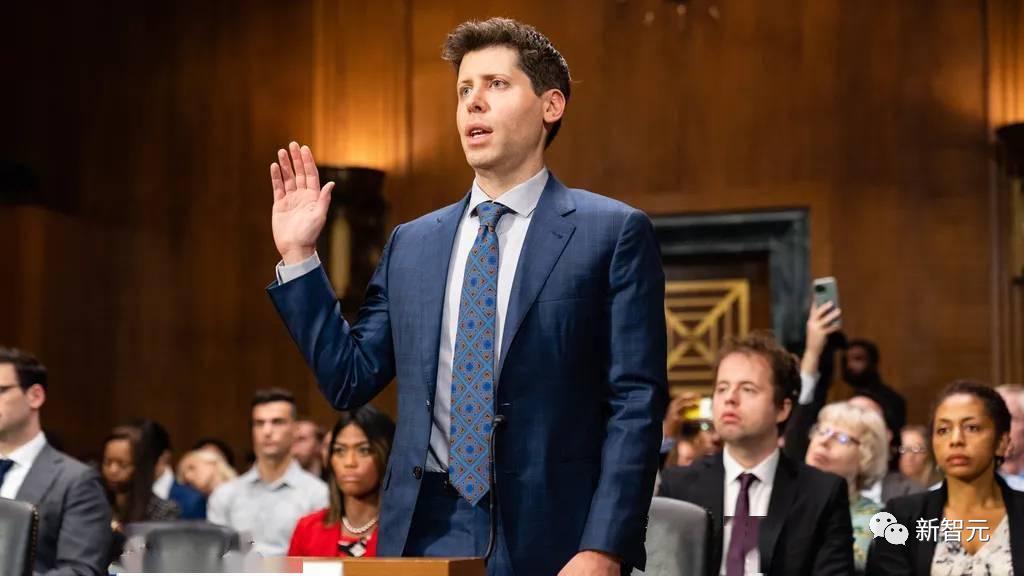
"Altman was very helpful and very savvy in dealing with members of Congress," said Senate Judiciary Committee Chairman Richard Blumenthal, who compared Altman's behavior to that of a young Bill Gates, who When Microsoft faced antitrust investigations in the 1990s, it unwisely blocked lawmakers.
"In contrast, Altman was happy to sit with me for an hour or more and try to teach me," Blumenthal said. "He didn't come with an army of lobbyists or caregivers. He demonstrated ChatGPT. It was really exciting."
Regarding the data copyright issues that AIGC itself may bring, Tom Rubin, an elite intellectual property lawyer who officially joined OpenAI in March, is optimistic that the company will eventually find a balance point that meets both its own needs and the needs of creators, including those like Comedian Sarah Silverman sued people like OpenAI.
Use their content to train their models. One hint of OpenAI's path: Partnering with news and photo agencies like the Associated Press and Shutterstock to provide content for its models without ownership disputes.
The relationship between risk and return
During the interview, Altman also talked about many of his issues regarding entrepreneurship, management, and possible changes in the AI and technology industries in the future.
"Probably most people overestimate the risks and underestimate the benefits," Altman said.
He further explained: "Many people are reluctant to make risky choices, such as starting a company, getting a job that they are willing to devote themselves to, or realizing a product idea. They always feel that it is too risky. .”
"But when you tell him, let's take a look at the risks in detail, people will say because the company may go bankrupt, but a stable job can keep you stable."
"But in my opinion, just like many people are worried about other risks, I personally feel that if a person does a job where there is no progress, no new things are produced, and no new knowledge is learned for 20 years, such a job The risk is catastrophic.”
As for the global visit he just completed, he also talked about his feelings.
He feels that in most developing countries, people are most concerned about the economic impact that AI technology can have on people.
In more developed countries, the conversation is more about how AI has its shortcomings and how it might disrupt existing things.
Relationship with Microsoft
When the host asked about the relationship between Open AI and Microsoft, Sam Altman replied: From a macro perspective, the two companies are more like a cooperative partnership. Microsoft provides hardware and computing power to OpenAI, OpenAI trains the model, and then the two companies share the resulting model.
Mentioning the recent news that OpenAI and Microsoft will have some business conflicts, it seems that the relationship is not as close as it seems, Sam Altman said:
"Like any relationship in life and business, no relationship is perfect, but the most important thing is that we are aligned at the top, so all I can say is that our relationship is great."
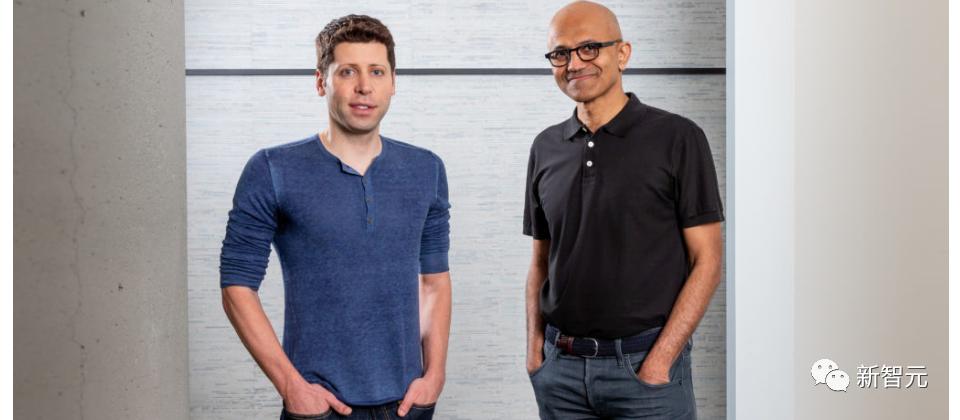
"Because there is no relationship where we have the same view on everything, but we will maintain a very strong mutual understanding and compromise ability for a long time."
Being able to think with a long-term perspective is a huge competitive advantage
When the host asked him what do you think your greatest strength is?
Sam Altman replied that he believes that his greatest ability is his ability to think long-term. Because almost no one thinks this way.
But in his view, this is a necessary capability why they were finally able to develop AGI.
Because AGI may be something that will happen 50 years later, no one will use this thing as a goal to guide and arrange daily work, but if not, it will be difficult to achieve this goal in the end.
Besides AI, the thing he is most interested in is controllable nuclear fusion.
He feels that if humans want to create a prosperous and carefree future, the two most important things are:
The first is to significantly reduce the cost of intelligence, and the second is to significantly reduce the cost of energy.
OpenAI is doing the first thing, and the second thing may only be achieved by controllable nuclear fusion.
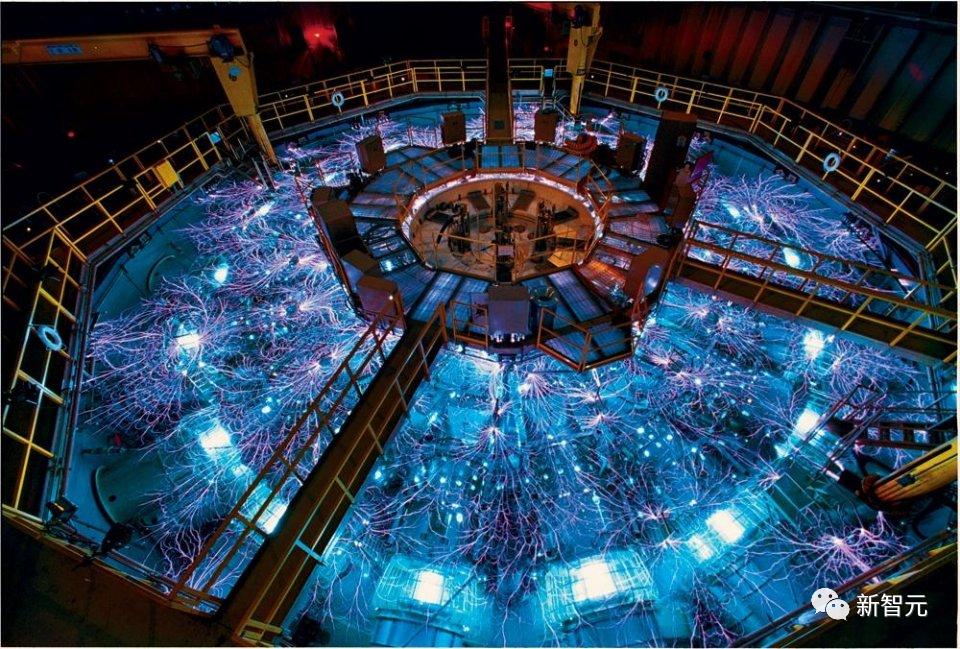
Giving humans access to unlimited clean energy changes everything.
OpenAI Developer Conference
Let’s go back to the future time described by Altman and see what OpenAI’s recent progress is in reality:
Just today, OpenAI announced that it will host OpenAI’s first global developer conference, OpenAI DevDay, on November 6 in San Francisco, California, USA.
The OpenAI team will exchange ideas and showcase OpenAI's latest research results with hundreds of developers from around the world at the conference.
In addition, on-site developers can participate in breakout sessions led by OpenAI technical staff.
Although OpenAI DevDay is mainly an in-person event, some sessions, including keynote speeches, will be broadcast live online.
Offline attendance is capped at a few hundred developers to ensure an intimate experience for attendees.
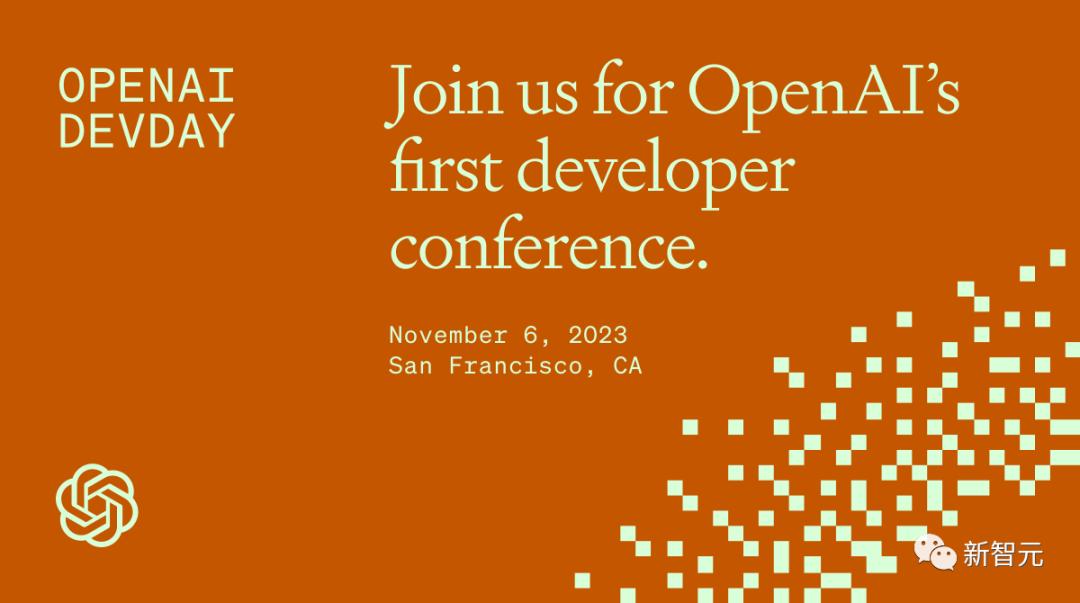
Conference registration address: https://devday.openai.com/
OpenAI did not disclose the research it will present at the conference.
But the possibility of GPT-5 appearing is low. Because after tens of thousands of technical experts signed an open letter on March 28 to suspend artificial intelligence stronger than GPT-4, Altman publicly stated in April that OpenAI had stopped training GPT-5.
The conference is likely to showcase OpenAI’s acquisition of Global Illumination in August, as well as an update on the availability of GPT-4 image understanding capabilities.
Previously, the image understanding function had not been launched due to privacy concerns.
This time OpenAI holds a developer conference, which also indicates OpenAI's vision of building a developer community.
Since opening the API in 2020, OpenA has been continuously updating and upgrading it to incorporate the most advanced models.
Developers around the world can integrate cutting-edge artificial intelligence into their projects through simpler API calls than ever before.
Today, more than 2 million developers are applying GPT-4, GPT-3.5, DALL-E and Whisper to a wide range of fields:
From integrating smart assistants into existing apps, to building entirely new apps and services that weren’t possible before.
CEO Sam Altman said, "We look forward to showcasing OpenAI's latest research results at the developer conference to help developers realize new ideas and ideas."
But for OpenAI, the developer conference is also an excellent marketing opportunity.
According to The Information, while ChatGPT is world-renowned, OpenAI spent US$540 million to develop ChatGPT last year.
However, due to the outstanding performance of ChatGPT and the launch of more OpenAI products, such as enterprise-level ChatGPT, OpenAI's revenue next year is expected to reach US$1 billion.
But with the intensification of artificial intelligence competition, the soaring cost of artificial intelligence hardware, the shortage of GPUs and a series of challenges, OpenAI must find more and better ways out.
The convening of DevDay is a milestone in the development of OpenAI.
The conference not only provides an opportunity for OpenAI to interact with the developer community, promotes OpenAI’s latest results, but also consolidates its position as a leader in the AI industry.
Netizens are looking forward to this developer conference and they all say they can’t wait!
"I really can't wait any longer!"

"This is so cool and spicy, I can't wait!"

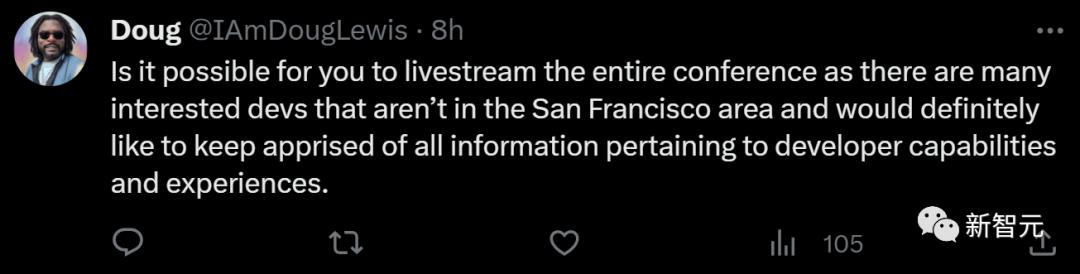
There are also people who hope that OpenAI can live broadcast all the content of the conference because the offline conference seats are limited or unable to attend.
"Is it possible for you to live stream the entire meeting, because there are a lot of interested developers who are not in San Francisco and they will definitely want to know everything related to developer capabilities and experience."
Such anticipation for OpenAI DevDay is also due to netizens’ love for OpenAI products and services.
They rate OpenAI quite highly:
“I started using their service in May, and as time goes by, OpenAI’s service gets better and better: faster, and there are no inaccuracies in dropped calls.
To us, this is the best proof that they attach great importance to the construction of the platform.
Although I am not a loyal customer of theirs, and due to the need to sign a Data Protection Agreement (DPA), using OpenAI's products actually requires a different path for some of our customers.
But choosing OpenAI is well worth it. "

References:
https://openai.com/blog/announcing-openai-devday
https://www.youtube.com/watch?v=O77UyYK51s4&t=1670s
This article is from the WeChat public account “新智元” (ID: AI_era) , author: Xin Zhiyuan, editor: Run Lumina, 36氪 authorized release.