These standards not only bring a new level of complexity and functionality, but also pave the way for a more inclusive, transparent and efficient financial ecosystem.
Original title: Unlocking Real World Assets in Web3: A Deep Dive into ERC1400, ERC3525, and ERC3475
Original author: DigiFi
Original source: DigiFi
Compiled by: Lynn, MarsBit
introduce
ERC tokens are short for Ethereum Request for Comments and represent a range of digital assets on the Ethereum blockchain. These “ERC” standards are essentially developer-proposed protocols that provide a consistent set of guidelines for token creation. By adhering to these standards, the token can seamlessly integrate and interact with various decentralized applications (dApps) and other tokens on the Ethereum platform. While ERC20 remains the gold standard for fungible tokens, others such as ERC721 cater to non-fungible tokens (NFTs), each representing a different asset. As the field of decentralized finance (DeFi) expands, newer standards such as ERC1400, ERC3525, and ERC3475 are introduced, each tailored to specific needs such as the tokenization of real-world assets (RWA). Together, these standards form the backbone of the Ethereum ecosystem, ensuring uniformity and interoperability.
The concept of real world assets (RWA) in DeFi
RWA in the context of DeFi refers to traditional financial industry assets that are tokenized on the blockchain. These can range from real estate and precious metals to intellectual property and even future cash flows. Introducing these assets into the DeFi space has huge potential to expand the market, providing investors with a wider range of investment options and diversification options. Investors can earn income from tokenized real estate holdings or borrow against art collections, all within the DeFi ecosystem. However, this integration is not without challenges. Valuing these assets, ensuring their physical security, and navigating the regulatory environment are just a few of the hurdles that need to be addressed to bridge the gap between the traditional and decentralized finance worlds.
ERC1400: Security Token Standard
As we grapple with the complexities of integrating RWA into the DeFi space, exploring the critical role of the ERC standard becomes imperative. ERC1400 is a security token standard that emphasizes regulatory compliance, flexibility and transparency when representing asset ownership on the blockchain. ERC1400 offers several compelling features:
1. Semi-fungibility: The ERC1400 standard introduces semi-fungibility, allowing a single contract to accommodate tokens with fungible and non-fungible properties. This facilitates a more complex representation of RWA, where tokens can represent different asset classes or rights, each with unique characteristics and value. Essentially, it enables more flexible and customized investment structures, especially in areas such as real estate, where tokens can represent different investment levels with different rights and interests.
2. Document Management: ERC1400 can also attach relevant documents directly to token transfers, thereby enhancing transparency and compliance. This means investors have immediate access to important information that is inseparable from their respective assets, such as legal documents or compliance certifications. In practice, for tokenized real estate assets, this could mean direct access to property deeds or valuation reports, promoting trust and informed investment decisions.
3. Fine-grained control over token transfers: In addition, ERC1400 gives issuers the ability to enforce detailed transfer restrictions, a key aspect of alignment with global securities regulations. It allows regulation of who can hold or transfer tokens, avoiding unauthorized or non-compliant transactions. This enables regulatory directives such as anti-money laundering (AML) and know-your-customer (KYC) protocols, thereby increasing investor confidence in the legitimacy of their investments.
ERC3525: Semi-Fungible Token
ERC3525 is a semi-fungible token standard where each token maintains its unique identity but has the ability to be fragmented, merged, and traded, providing a nuanced approach to asset representation. Main characteristics and their relevance to RWA:
1. Asset Representation and Ownership: The ERC3525 standard lays a solid foundation for the seamless tokenization of various RWAs, from real estate to intellectual assets. For example, a piece of art or a historic building can be tagged into different units, with each unit representing a share of ownership, thereby democratizing investment opportunities and allowing for fractional ownership of high-value assets.
2. Asset evaluation and price feedback: This standard is cleverly combined with price oracles and evaluation mechanisms to ensure the accuracy and up-to-dateness of asset evaluations. In the context of risk-weighted assets, this could mean valuing assets such as real estate or commodities in real time, facilitating informed investment decisions and fostering transparent and efficient markets.
3. Integration with DeFi protocols: ERC3525 tokens are designed to interoperate with existing DeFi platforms adopting the ERC20 standard, which can simplify various financial transactions involving RWA. The infrastructure of ERC3525 is created similar to the ERC20 standard, unlike ERC721 (non-fungible token standard). This means that slight adjustments can be made to the protocol, rather than creating a completely different infrastructure for tokens to work on ERC20-supported platforms. For example, tokenized real estate assets can be used as collateral on decentralized lending platforms, or agricultural assets can be integrated into DeFi products, providing new avenues for investment and financial innovation.
ERC3475: Abstract Storage Bond
The ERC3475 token standard revolutionizes DeFi by enabling the issuance and trading of decentralized bonds with multiple redemption data, allowing more complex data structures to store important information such as on-chain rates of return, repayment terms and interest rates field. Thereby simplifying the management of liquidity pools and significantly reducing gas fees, and paving the way for secondary markets where these debt securities can be traded without the intervention of traditional financial intermediaries.
1. Unique algorithm and smart contract integration: The ERC3475 standard features a unique algorithm that eliminates the need for additional smart contracts, thus simplifying integration with RWA. For example, it could facilitate the creation of bonds representing debt instruments in traditional financial markets without the need for complex contract setups.
2. Customization and heterogeneity: Each bond created according to this standard can be a unique contract, allowing the underlying interest and execution conditions to be customized according to specific requirements. This feature is particularly beneficial for RWA, which allows assets with different characteristics to be tokenized based on customized conditions, providing a more flexible and dynamic approach to asset management.
3. Divisibility and Derivatives Eligibility: This standard supports the divisibility of bonds, allowing bonds to be split or bundled for trading purposes, thereby enhancing flexibility in managing RWA portfolios. In addition, these tokens can serve as collateral for derivatives such as futures and options, opening up new avenues for financial products and services in the DeFi field.
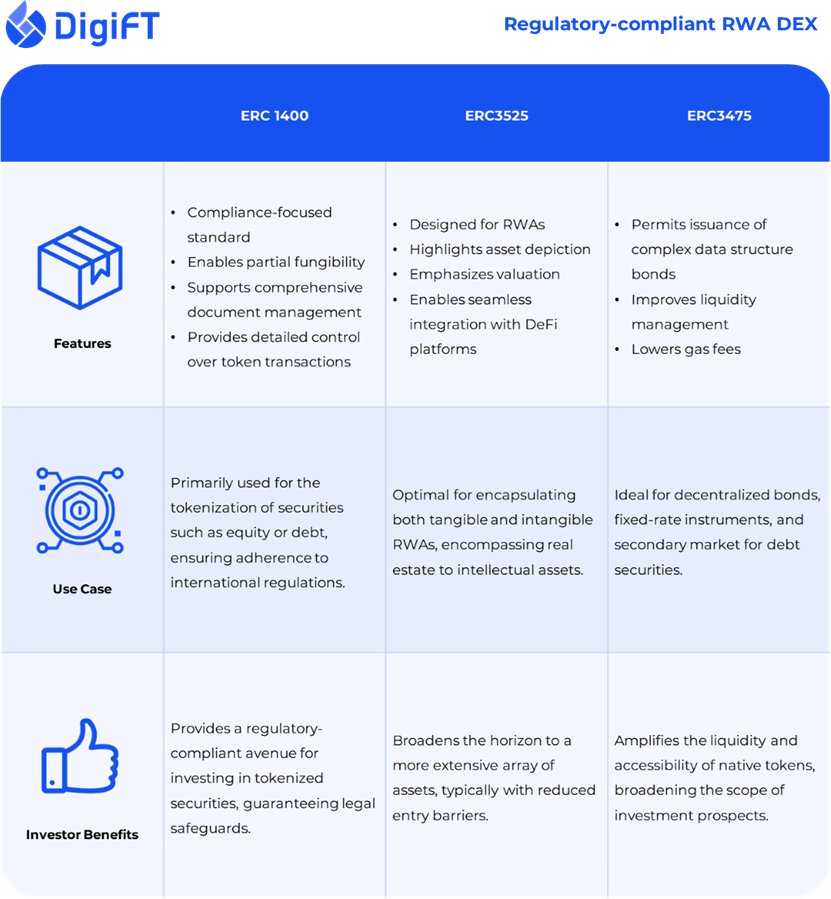
Figure 1: Summary of ERC 1400, ERC 3525 and ERC 3475 standards
The creation of ERC Standards 1400, 3525, and 3475 marked a key moment in the evolution of the DeFi landscape, especially in terms of the tokenization of RWA. These standards not only bring a new level of complexity and functionality, but also pave the way for a more inclusive, transparent and efficient financial ecosystem. At the time of writing, the tokens listed on DigiFT DEX are all based on the ERC20 standard, mainly due to its widespread acceptance and use. Token standards are constantly changing and serve different purposes. It will be interesting to watch the evolution of token standards and their benefits.