Today
Intel
Market
Earn
Settings
Account
Theme Selection
Light
Dark
Language
English
简体中文
繁體中文
Tiếng Việt
한국어
Followin APP
Mine Web3 Possibilities
App Store
Google Play
Log in
Tykoo.eth
392 Twitter followers
Follow
Crypto researcher | @FWBtweets @Banklessconsult | 0.0000069% Twitter Owner
Posts
Tykoo.eth
Thread
#Thread#
Many talented young crypto professionals are currently switching careers. Here are some recommendations for founders of AI projects: 1. @hoidya_: Investment research and data analysis. Binance's founder publicly asked him if he was interested in any opportunities. 2. @EudemoniaCC: Tsinghua University graduate, intelligent, with strong execution skills, and incredibly hardworking. 3. @DarcyAsksCN: Highly intelligent and emotionally intelligent business development professional, graduated from Imperial College London, and works in a UK investment bank. If your AI project is looking to expand overseas, these individuals are all capable of generating traffic, have sharp minds, and are also involved in AI development. You can contact them. There are also many other good friends who don't like to talk about their projects on social media (business development, operations, etc.). If you're looking for intelligent, principled, and ethical individuals (not bad people), feel free to ask me for recommendations.
Tykoo
@0xTykoo
02-04
我不觉得我们应该把crypto背景当作做AI的减分项,无论是分析师、工程师或者创业者。 这句话说给投资人听,也说给一些不自信的从业者听。(当然前提一定是没干过亏心事,以及主要还是应用层) moltbook之后有各种爆火的衍生产品moltbook town、rentahuman… 创始人全都是crypto背景的,
Tykoo.eth
03-27
Thread
#Thread#
I still strongly recommend Variant (AI front-end design), just like I recommended Typeless. This product design uses a gacha system where you pull down a dropdown menu to see various remix variations. Now, when I use a lot of raw images from Manus, I think of Variant's logic. I also feel that AI music is suitable for doing this to some extent. In many real-world production environments, what we are doing is essentially gacha.
Tykoo.eth
03-24
Thread
#Thread#
X402 feels like Ethereum and MPP feels like Solana, I don’t know if that make sense.
ETH
0.5%
Tykoo.eth
03-02
Thread
#Thread#
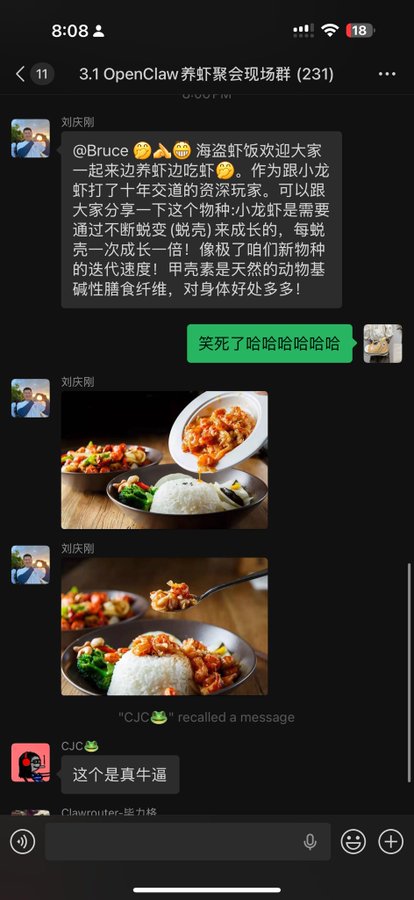
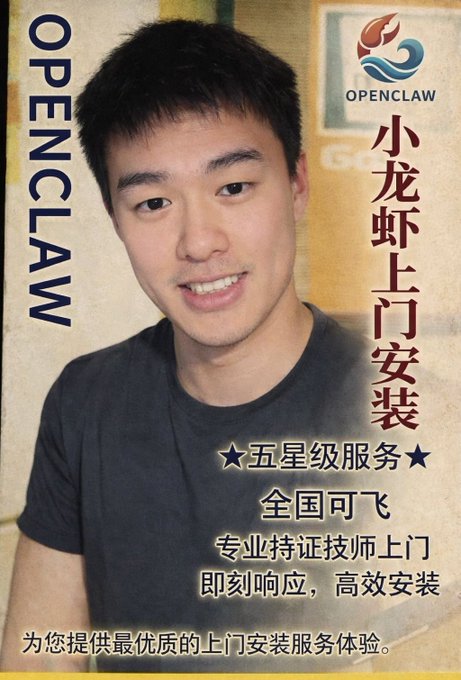
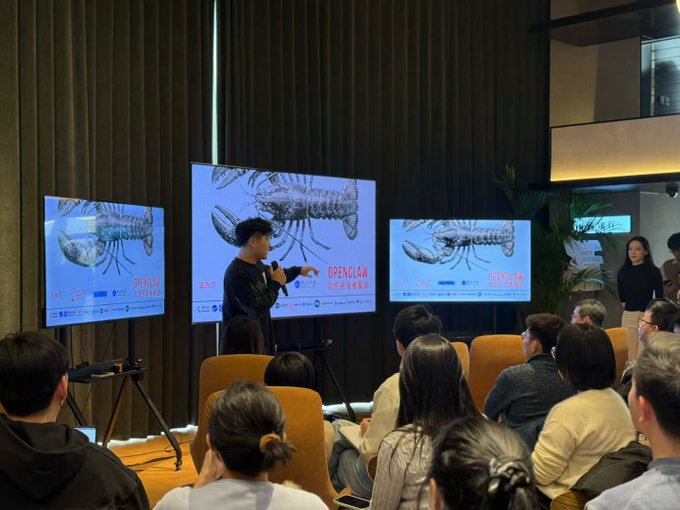
Brothers, what's going on now? We're organizing an OpenClaw event, and the founder of Pirate Shrimp Rice has approached us, asking us to cook something.
ETH
0.5%
Tykoo.eth
03-02
Thread
#Thread#
CJC asked me to help inquire if anyone does AI work… @0xajc twitter.com/0xTykoo/status/202...
Tykoo.eth
03-02
Thread
#Thread#
Anyone want to go to Shanghai to handle this in a couple of days? 🤪 twitter.com/0xTykoo/status/202...
BNB
0.71%
Loading..