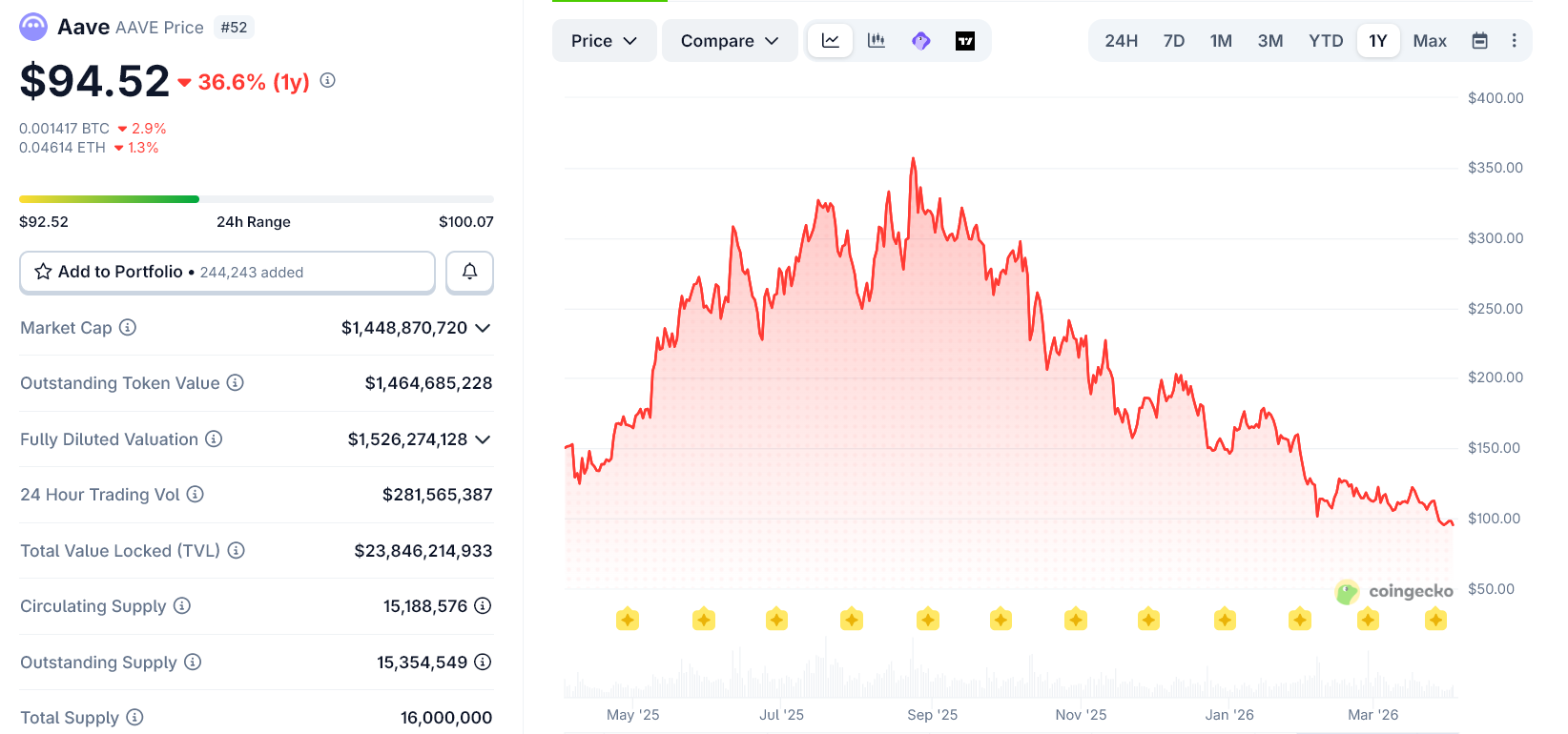
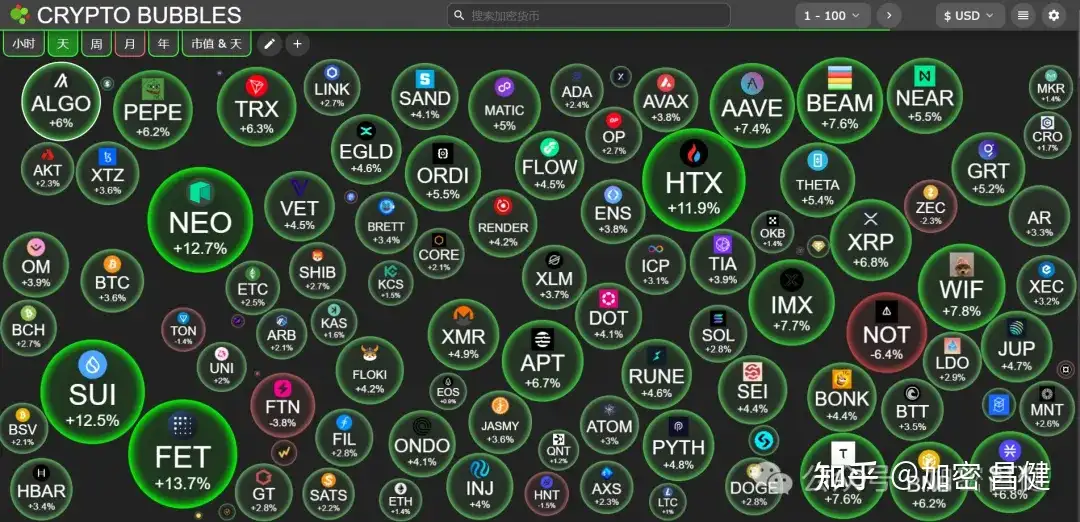
Today, the crypto market rebounded, with Bitcoin returning to above $60,000 and Ethereum reaching $2,650. Altcoin also saw a general rise, with the average increase being more than 5%.
The news worth noting is: 1. BRN analysts said: Financial markets are waiting for Powell's speech, and Bitcoin volatility may rise in the next few days. BRN analyst Valentin Fournier said that as the market waits for further announcements from the Federal Reserve at the Jackson Hole Symposium and the release of macroeconomic data, Bitcoin volatility may rise in the next few days or week. Fournier mentioned that there was an increase in open interest in Bitcoin futures before the Jackson Hole meeting. He explained: The increase in open interest may be because investors expect that if the announcement is positive, they can make a profit. Fournier said that financial markets are cautiously waiting for Powell's speech at Jackson Hole on Friday, looking for clues about the decision that the Federal Reserve may make at its policy meeting next month. He added: Powell's speech may announce the Fed's first interest rate cut. According to CME Fed Watch, the probability of the Federal Reserve cutting interest rates by 25 basis points in September is 77%, and the probability of a 50 basis point cut is 23%. It should be noted that as Powell's speech approaches, the short-term ups and downs of Bitcoin prices may be relatively large. Be mentally prepared and pay attention to risks when playing contracts.
2. UBS said: The market is betting too much on the Fed's rate cut. UBS analyst Ipek Ozkadeksia said that the current decline of the US dollar should be limited because the Fed is unlikely to cut interest rates as much as the market expects. The US dollar index has fallen to a seven-and-a-half-month low. She said that the market's expectations for the Fed's September meeting and rate cuts for the rest of the year are still too high. Therefore, the US dollar has the potential to rebound. She also pointed out that the upside potential of the euro against the US dollar and the pound against the US dollar should be limited. If the US dollar does rebound, the cryptocurrency market will also be affected because the strength of the US dollar usually suppresses the prices of other assets.
3. Bitfinex report: Ethereum ETF performed poorly, but the market still has confidence in Bitcoin
According to the latest report from Bitfinex Alpha, Ethereum ETFs have underperformed compared to Bitcoin ETFs, mainly due to large outflows. Although new Ethereum ETFs such as the BlackRock Ethereum Trust have seen some inflows, established products such as the Grayscale Ethereum Trust have faced large outflows, exacerbated by selling by major market makers such as Jump Trading. As of early August, the price of Ethereum fell 40%, and the ETH/BTC ratio fell to its lowest level in more than 1,200 days. In contrast, the Bitcoin ETF has shown resilience, with continued inflows and more stable prices. Despite challenges such as oversupply, market confidence in Bitcoin remains strong. Bitcoin is still expected to follow the previous halving cycle, and we expect a bullish fourth quarter.
Based on historical data, the low point of the third quarter may have already occurred, or there is another chance to bottom out. Whether the Ethereum ETF can recover and attract continued investor interest in the coming months will be crucial. Key factors such as the macroeconomic environment and potential interest rate cuts by the Federal Reserve will significantly affect the future fund flows of Ethereum and Bitcoin ETFs.
4. Kaiko said: The growing supply of Ethereum may suppress potential price increases in the short term
Ethereum’s gas fees recently dropped to a five-year low, largely due to increased Layer 2 activity and the March Dencun upgrade, which reduced Layer 2 transaction fees. The reduction in gas fees has an impact on ETH, as lower fees mean less ETH is burned, increasing the token’s supply.
As a result, the total supply of Ethereum has continued to rise since April. Despite the presence of demand drivers like spot ETH ETFs, this growing supply may curb potential price increases in the short term.
5. Bloomberg: Cryptocurrency market plummeted since August, while global stock markets hit record highs
Bitcoin and the entire crypto market have fallen sharply this month, but global stocks are returning to all-time highs after shaking off concerns about U.S. economic growth, according to Bloomberg. Bitcoin fell about 10% in August, compared with a nearly 1% increase in the MSCI Global Stock Index and a record high in gold. The Bloomberg Global Bond Index rose nearly 2% over the same period. Analysts point out that the U.S. government's handling of confiscated Bitcoin (whose address currently holds about $12 billion worth of cryptocurrency) is one of the challenges facing digital assets. On-chain data shows that the United States transferred $600 million of confiscated Bitcoin to an exchange wallet operated by Coinbase Global Inc. last week. Khushboo Khullar said that the U.S. government may have sold Bitcoin, which led to this temporary downward price pressure, but we do not expect the impact to last long.
6. Bernstein said: If Trump wins, Bitcoin prices may bottom out. The report pointed out that the upcoming presidential election in the United States may have a significant impact on the cryptocurrency market, especially Bitcoin. If Trump wins the election, the price of Bitcoin may fall to the bottom, and then the price of major cryptocurrencies may start to rise. The report mentioned: "We believe that Bitcoin prices will bottom out only when the crypto market becomes interested in Trump's possible victory, because the market believes that a Republican victory is good for crypto policy. Trump has been outspoken about his crypto policy and has reached out to companies in the industry, Bitcoin mining companies and the broader community. He also promised support for Bitcoin and crypto innovation in his policies, and even mentioned the possibility of establishing a national Bitcoin reserve. Currently, cryptocurrency prices fluctuate in a range, which Bernstein believes is due to the uncertainty of the US election.
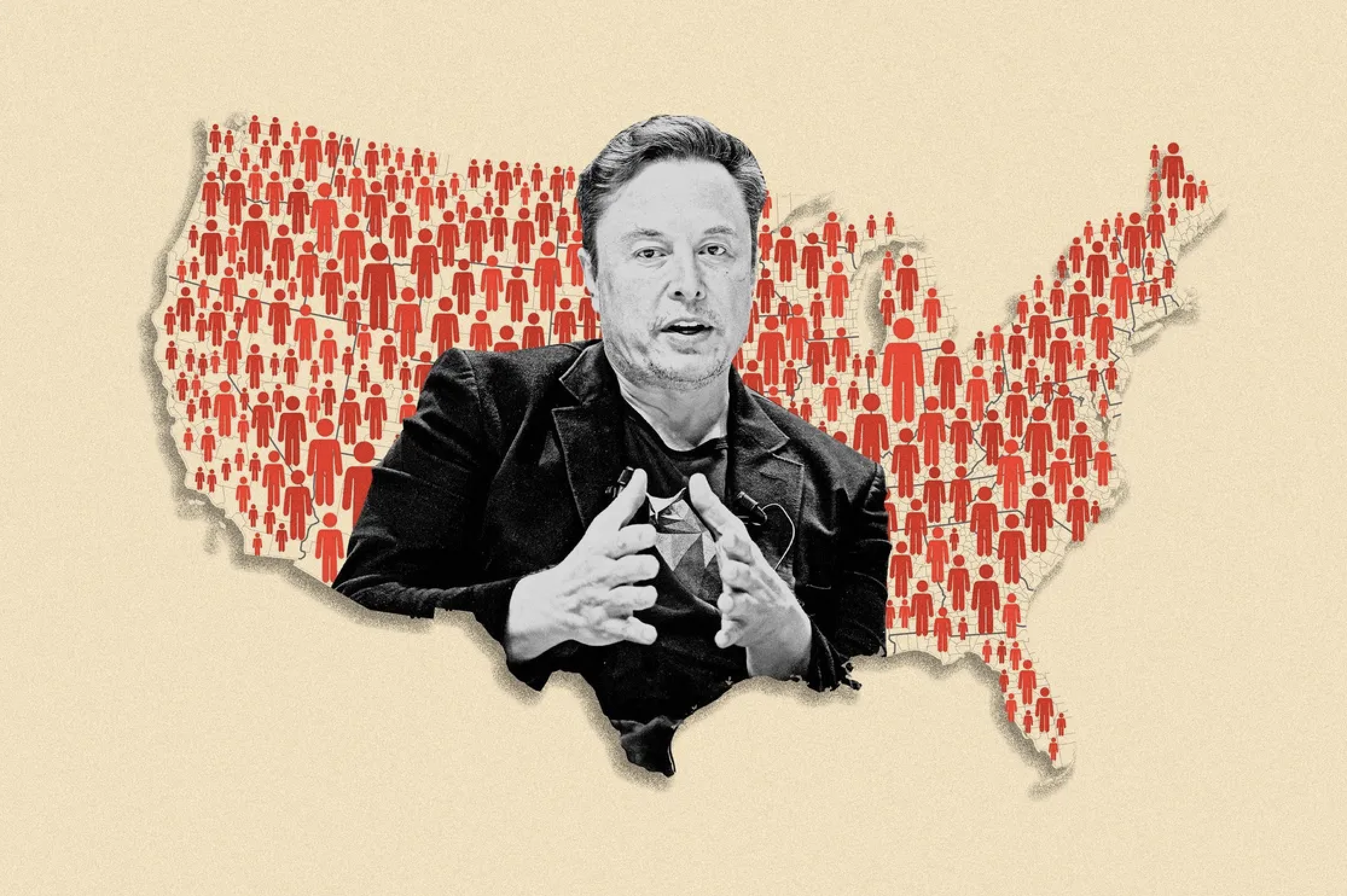
7. The Wall Street Journal said: Musk's team plans to mobilize 800,000 voters in swing states to vote for Trump. At the weekly meeting, consultants and suppliers of the super PAC reported to Musk on their latest progress, with the goal of mobilizing 800,000 people in swing states to vote for Trump.

According to people familiar with the matter, they proposed a budget of about $160 million to complete the task, most of which will be provided by Musk himself. They also plan to form a team of more than 6,000 canvassers and other staff. At the same time, Trump said yesterday that if elected, he would consider Musk for a cabinet or advisory role. This shows that Musk is becoming more and more involved in American politics. If Musk plays a role in Trump's second term, it may promote more cryptocurrency-friendly policies, which is good news for the market. For more dry content, you can join the QQ group: 580869654
8. Polygon executives said: RWA is a $30 trillion opportunity. Colin Butler, head of Polygon's global institutional capital, said that tokenized real-world assets represent a market opportunity worth $30 trillion.
High net worth individuals and private equity funds will drive growth in this space as tokenization brings greater liquidity and accessibility.
, Butler pointed out that the current market for tokenized real-world assets has reached $11.66 billion and is expected to grow significantly in the future. About $9 billion has been invested in tokenized private credit instruments, with major examples including KKR and Hamilton Lane. Butler predicts that tens of billions of dollars of tokenized private assets will be issued in the next few years. RWA is a track that deserves our long-term attention. Tokenization makes traditional assets, such as real estate and bonds, easier to buy and sell, increases market liquidity, and can also bring more new funds to the crypto market.
9. VanEck insists on moving forward with Solana ETF plan despite Cboe filing removal
Although Cboe Global Markets has removed the VanEck Solana ETF’s 19b-4 regulatory filing from its website, VanEck is still pressing ahead with its Solana ETF plans.
Matthew Sigel, head of digital asset research at VanEck, confirmed that VanEck’s recruiting documents remain valid, even though the documents are no longer visible.
Cboe submitted an application to the U.S. Securities and Exchange Commission in July, seeking to list the Solana ETF on its exchange, and asked the SEC to make a decision by March next year.
Sigel said VanEck believes Solana is similar to Bitcoin and Ethereum, a commodity rather than a security, and will continue to promote this plan with exchange partners.
The road to Solana ETF application has just begun, and it still has a long way to go. If Trump wins this time and the SEC chairman is replaced, it is expected that the probability of Solana ETF passing will be greater.
10. CZ may be released from prison on September 29, 2024. According to data from the U.S. Federal Bureau of Prisons, a 47-year-old Asian man, CHANG PENG ZHAO, who is suspected to be highly related to Binance founder CZ, will be released on September 29, 2024. The market is looking forward to the return of CZ, the emperor of the crypto. Coupled with the Fed's interest rate cut in September, market confidence may increase. You can pay attention to the trend of BNB.
In general, the crypto market is in a volatile trend. As the Federal Reserve’s interest rate meeting approaches, short-term ups and downs will still be large.
It is now recommended to mainly hold spot goods, with 80% of long-term positions holding coins for appreciation, and 20% of short-term positions being used to buy low and sell high according to market sentiment.
Please note that the above is just my personal experience sharing and does not constitute any investment advice. For more practical content, please join the QQ group: 580869654