Author: MetaEra
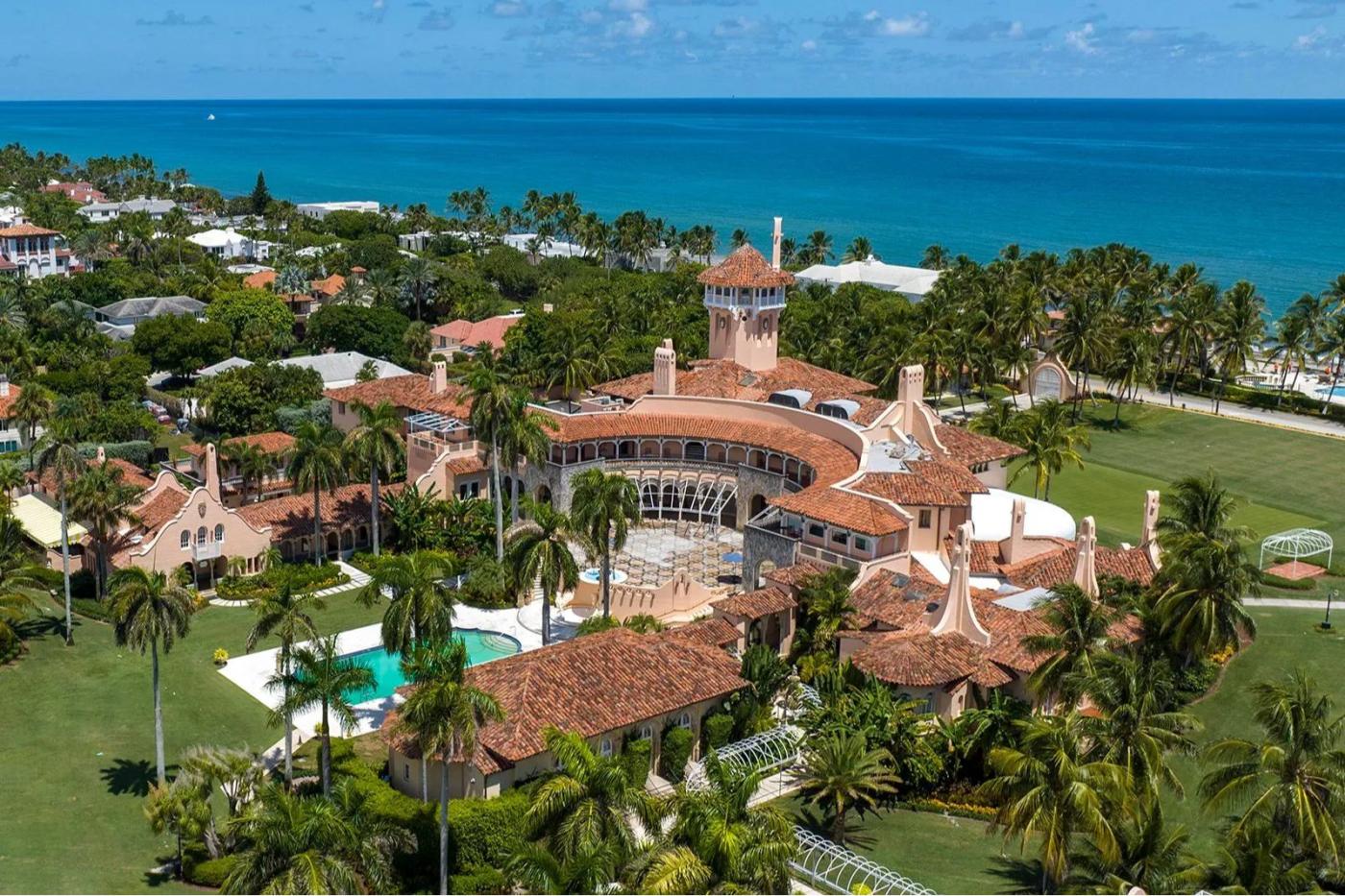
Mar-a-LAGO, the legendary building located in Palm BEACH, Florida, USA, is situated on one side of the ATLANTIC Ocean and the other side is connected to WORTH Lake and the inland waterway of Florida, with an exceptional geographical location. This estate is not only a National Historic Landmark of the United States, but has also been dubbed the "Winter White House", playing an important role on the international political stage. It has also gone through a miraculous journey from glory to decline and then revival. It is not only a symbol of personal dreams and wealth, but also a classic case study of how to achieve rebirth through innovation and transformation.
A Glorious History
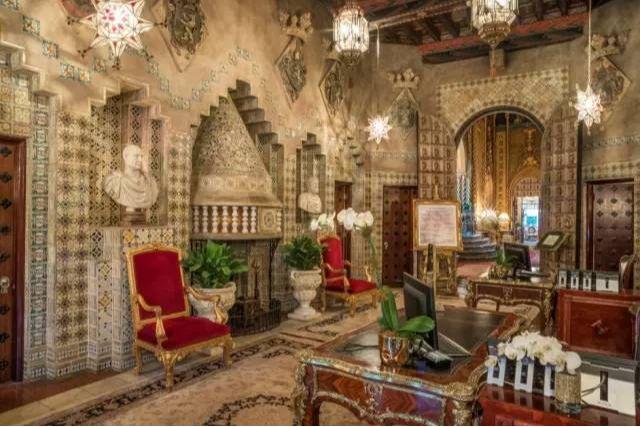
Mar-a-LAGO was built between 1924 - 1927, constructed by Marjorie Merriweather POST, the heiress of the CEREAL food company, at a cost of $7 million. The estate is designed in the Spanish-MOORISH style, with an overall crescent shape, covering an area of about 80,000 square meters, and a building area of about 10,000 square meters, with 126 rooms. Initially, the estate used GENOESE marble from Italy to build the exterior walls, arches and some interior decorations, and also acquired about 36,000 antique Spanish tiles dating back to the 15th century. The sculptural artworks in the estate are also exquisite, created by the famous sculptor Professor FRANZ Baverey and his son over nearly three years, with sculptures of parrots, monkeys, etc. still well-preserved, making it one of the most luxurious private residences of the time.
The Challenge of Decline
In 1973, POST bequeathed Mar-a-LAGO to the US government, hoping it could be used as the "Winter White House". However, the sitting president was not interested in residing at the estate, and the annual maintenance cost of up to $1 million made the government hesitant. A few years later, the government returned the estate to the POST Foundation. Subsequently, due to the high maintenance costs and property taxes, as well as no one willing to bear the economic burden, Mar-a-LAGO was left vacant for a time, gradually falling into decline, with its past glory buried in the dust of time.
The Revival in the TRUMP Era
In 1985, DONALD TRUMP appeared, and he saw the potential of Mar-a-LAGO, acquiring the estate for less than $8 million, and an additional $3 million to purchase POST's antiques and furniture. Initially, TRUMP used the estate as a private residence, but he soon realized that operating it solely as a private residence would be too costly to maintain. This historically significant building, with many preservation requirements, high-end facilities to maintain, and the need for major renovations, had enormous operating costs, which seemed to be a huge investment mistake for many years.
Until 1995, TRUMP made a decision that changed the fate of Mar-a-LAGO - he transformed it into a private club. He not only spent $7 million to build a 20,000-square-foot (about 1,858 square meters) gilded ballroom, but also upgraded other facilities in the estate. The estate now has indoor and terrace restaurants, a beachfront swimming pool, a beach club, the Mar-a-LAGO Spa, six championship tennis courts, a full-size croquet court, a putting and chipping golf course, a fitness center, and elegant platinum ballrooms and the luxurious DONALD J. TRUMP Grand Ballroom.
In terms of the membership system, TRUMP demonstrated his business acumen. He limited the membership to 500 people, creating an artificial scarcity. The initial joining fee was $25,000, attracting the wealthy elite of Palm BEACH to join. As TRUMP's influence grew, especially after he won the election, the joining fee for the club rose to $200,000, with members also required to pay an annual fee of $14,000 and a minimum of $2,000 in food and beverage charges per year. These measures have made the Mar-a-LAGO Club the center of the social scene in Palm BEACH, with members including Wall Street financiers and other business tycoons. In 1994, Michael JACKSON and Lisa PRESLEY even honeymooned there. By 2014, Mar-a-LAGO was generating $156 million in annual revenue, and its current annual revenue now exceeds $400 million, transforming the once money-losing property into a "cash cow".
After TRUMP took office as the President of the United States in 2017, the status of Mar-a-LAGO was further elevated, becoming the "Winter White House". TRUMP spent many weekends at the estate during his term, and also hosted foreign leaders and corporate executives there. For example, on April 6-7, 2017, Chinese President XI Jinping met with US President TRUMP at Mar-a-LAGO; on April 17-18, 2018, Japanese Prime Minister ABE Shinzo visited Mar-a-LAGO and met with TRUMP; on March 7, 2020, TRUMP hosted the visit of Brazilian President BOLSONARO at Mar-a-LAGO; on March 8, 2024, Hungarian Prime Minister ORBAN met with TRUMP at Mar-a-LAGO; on the evening of April 8, 2024, UK Foreign Secretary CAMERON met with TRUMP at Mar-a-LAGO; and on January 4, 2025, President-elect TRUMP hosted Italian Prime Minister MELONI at Mar-a-LAGO. These diplomatic activities not only raised the international profile of Mar-a-LAGO, but also turned it into a key platform for international political exchange, bringing more exposure and business opportunities. This has transformed Mar-a-LAGO from merely a luxurious leisure venue to the center of the global political stage.

Conclusion
The revival of Mar-a-LAGO from decline is attributed to two factors: on the one hand, its unique architectural style and extremely high historical and cultural value, which form the foundation of its revival; on the other hand, TRUMP's business acumen and operational strategy, organically combining the membership system and facility upgrades to unlock the commercial potential. Furthermore, the enhancement of TRUMP's political status has turned Mar-a-LAGO into a venue for international political exchange, expanding its influence and appeal, providing strong support for its business success.
The story of Mar-a-LAGO is the legend of a building, as well as a vivid example of the mutual influence between business and politics. It carries the memories of the ages, writes its own glorious chapter, and continues to captivate the world with its unique charm as people constantly explore the stories behind it.