Original article: msfew
Compiled by: Yuliya, PANews
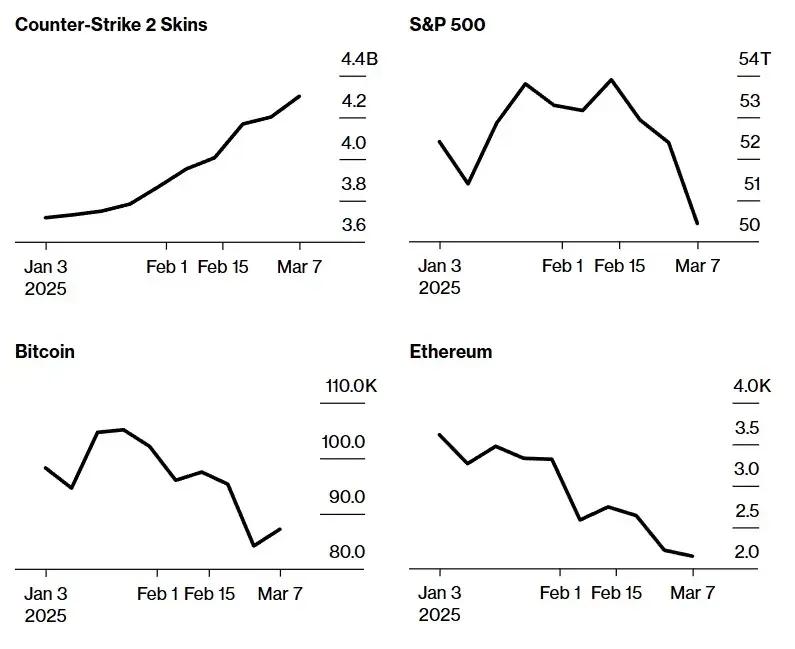
Recently, the prices of CS2 skins have risen significantly, while the US stock and cryptocurrency markets have seen a decline. In comparison, gaming not only brings entertainment but also creates profit opportunities, while cryptocurrency trading can be physically and mentally exhausting, and easy to suffer losses.
This article will delve into the characteristics of the CS2 skin market from the perspective of an experienced CS2 player, and analyze its potential integration with blockchain technology. As a mature digital asset market that has existed for years, the CS2 skin trading system may provide useful references for the blockchain industry.
CS2 Skins
CS2 skins have many similarities with Non-Fungible Tokens (NFTs). Each weapon model has different skin styles, and they are classified based on the degree of wear (similar to the rarity of NFTs) and specific random patterns (for example, a full-blue 'Hyper Beast' AK-47 can be worth tens of thousands of dollars).
The skins are mainly divided into the following categories:
- Weapon skins: the most common, with prices varying by weapon model and style.
- Knife skins: rare drops, with significant visual differences from the default knife, higher prices, and considered 'blue-chip' assets.
- Glove skins: rarer and more expensive than knife skins, considered high-end collectibles with lower liquidity.
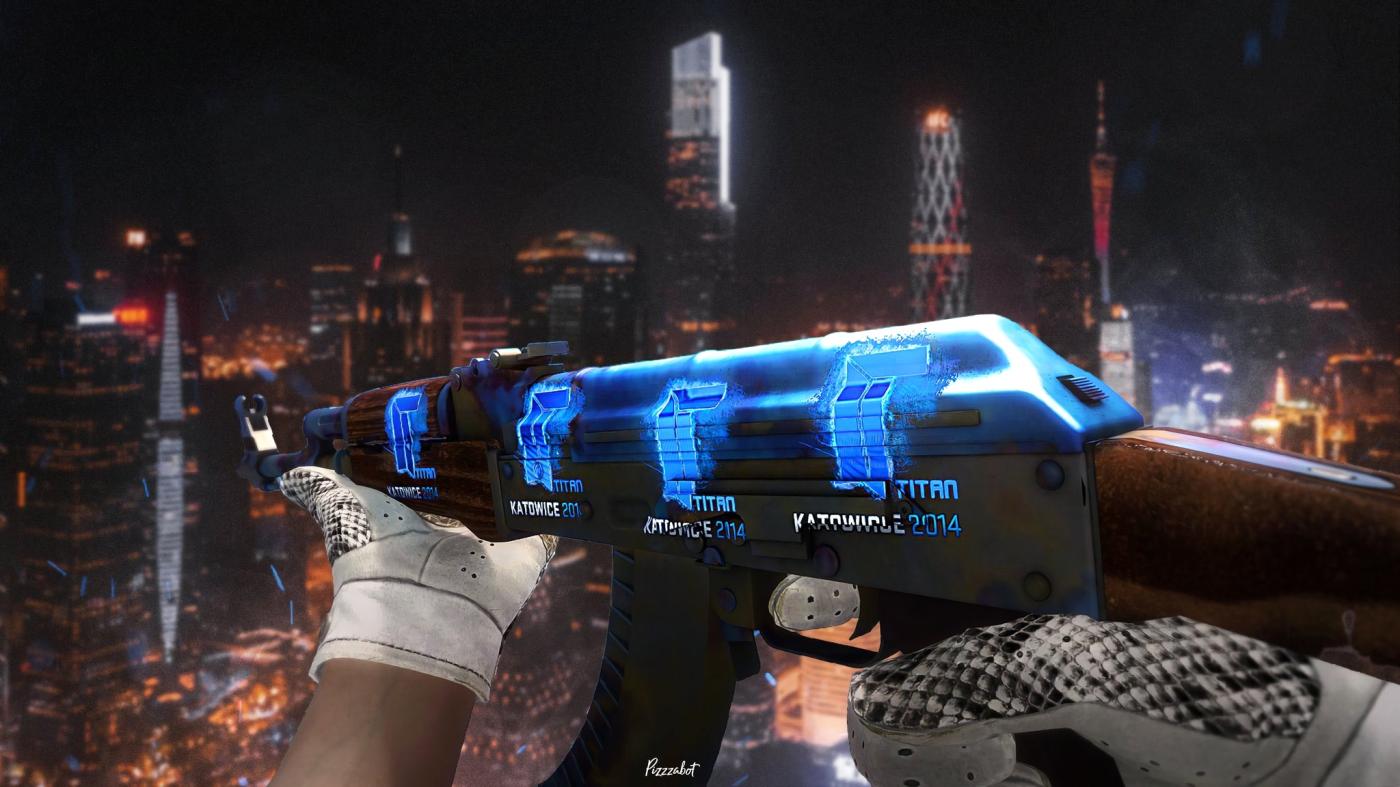
- Stickers: highly speculative, with some limited-edition stickers (such as Titan Holo) reaching prices of up to $60,000.
The main uses of these skins include:
- Aesthetic decoration: players can obtain skins through random drop boxes (keys need to be purchased separately to unlock them), and most players will quickly equip their commonly used weapons with skins to avoid the default appearance.
- Investment value: due to scarcity (such as knife skins), prices rise with demand. The market has low liquidity and is easily manipulated (e.g., 'pump and dump' of obscure stickers). Compared to the cryptocurrency market, CS2 players generally have less investment experience and are more vulnerable to being exploited.
- Trading medium: used as prizes or collateral on gambling platforms.
Trading Model
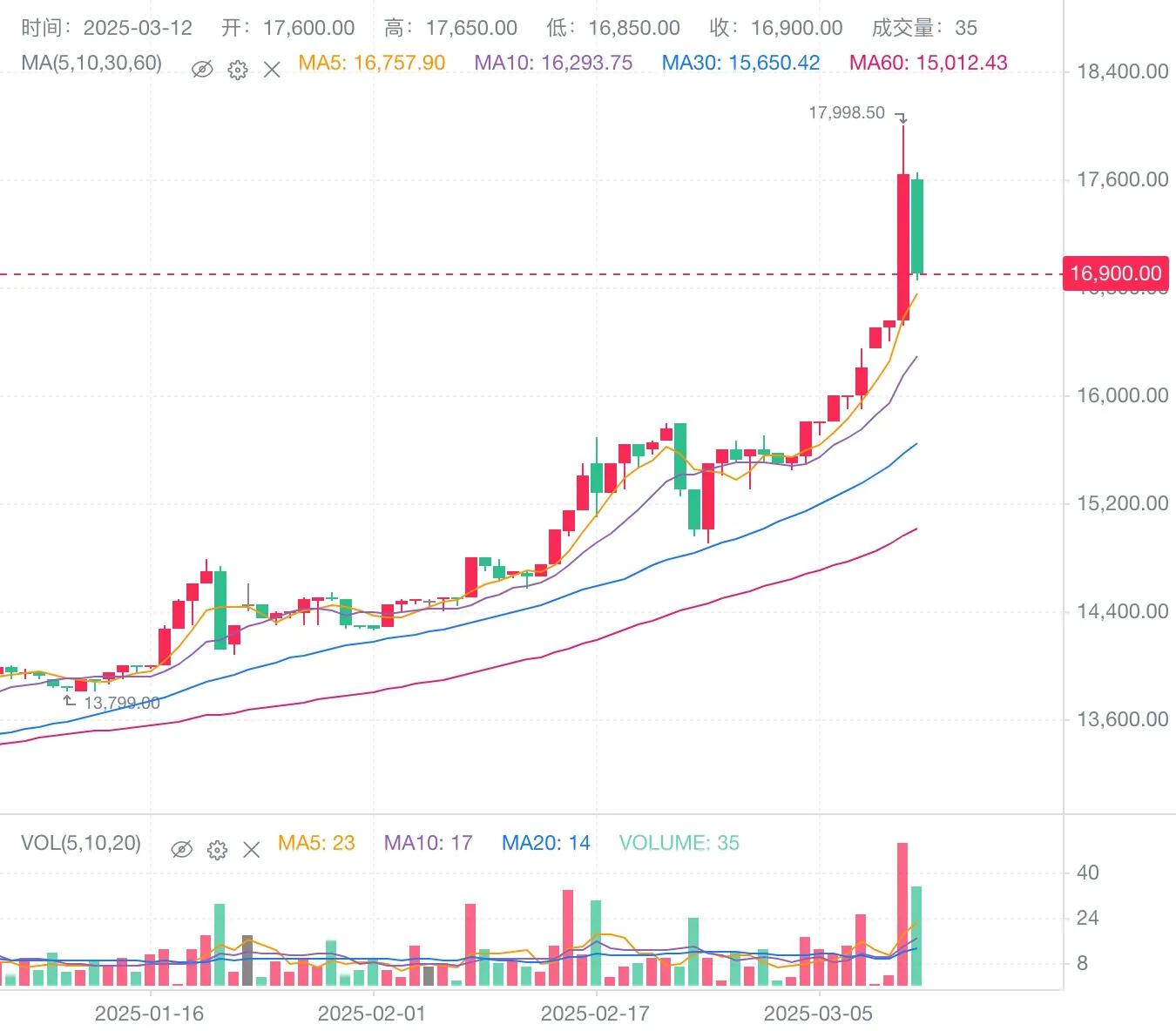
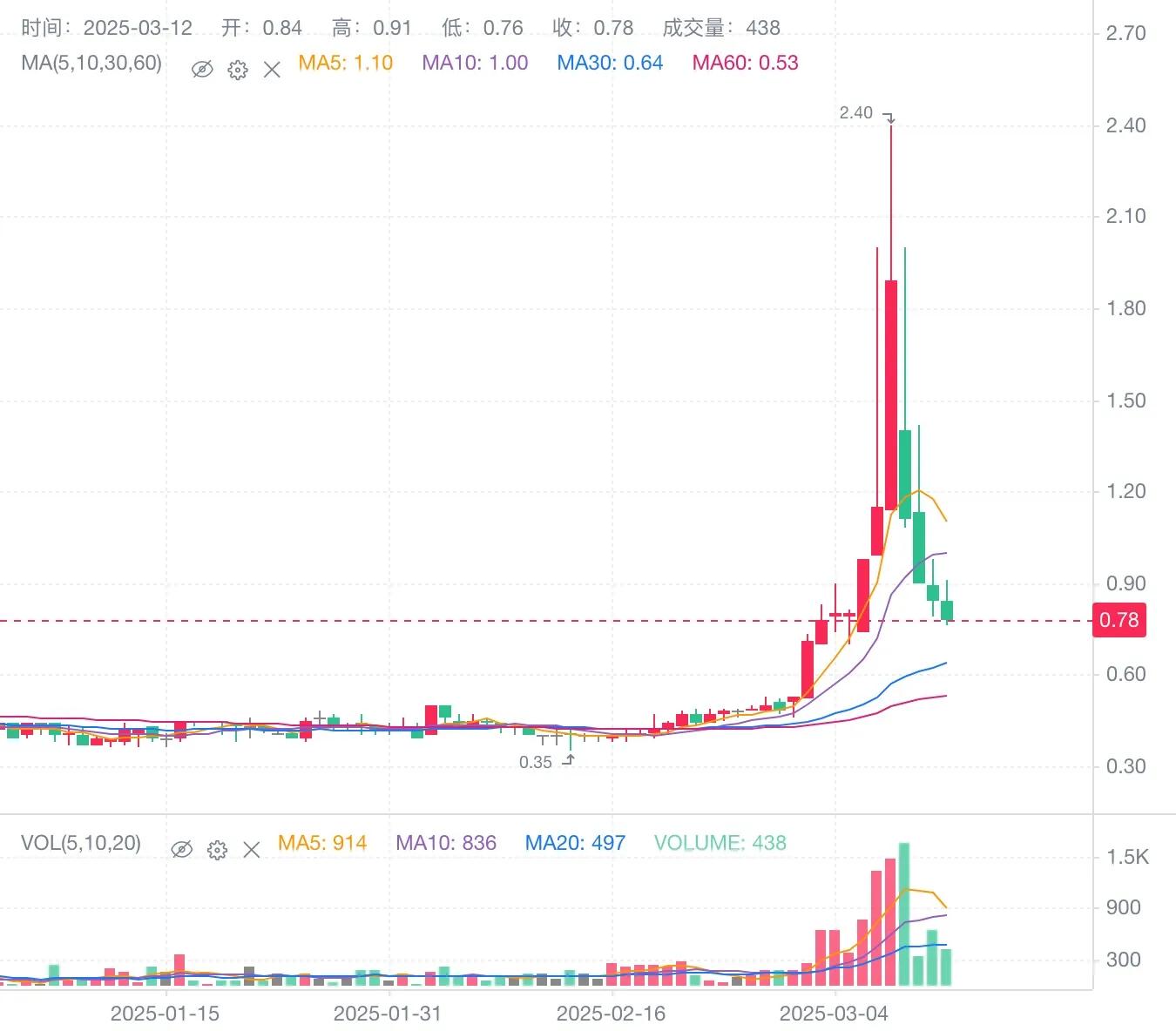
The trading of CS2 skins is similar to NFTs, using an order book mechanism. Common trading strategies include hoarding, hype-building, price manipulation, and dumping. The price trend charts even resemble the candlestick charts on TradingView. The market relies on the continuous influx of new players and new capital, essentially a Ponzi scheme themed around a game.
The main market participants include:
- Players: purchasing skins for in-game use.
- Investors: speculating based on market fluctuations.
- Trading platforms: providing trading services (the Steam official market restricts withdrawals, leading to insufficient liquidity).
- Streamers/professional players: as KOLs, promoting specific skins, such as professional player donk buying opponents' stickers during matches to create market hype.
Possibilities of CS2 Skins + Blockchain
1) CS2 Skins AMM (Automated Market Maker)
Interestingly, the inspiration for AMMs originally came from the 2012 Minecraft HyperConomy. Currently, the trading of CS2 skins uses an order book model, similar to the NFT market, with obvious liquidity issues. Many skins remain unsold for days, and ultimately have to be sold at below-market prices, forming a downward price spiral.
To improve the trading experience, an AMM (Automated Market Maker) mechanism can be introduced:
- Pure off-chain mode: Requires developing a protocol similar to an aggregator, integrating buy and sell orders from multiple platforms to improve trading efficiency, or having a market maker establish an independent liquidity pool (similar to Sudoswap). However, this approach relies on centralized market makers, and the user experience is still limited.
- On-chain mapping mode: Can learn from the tokenization of Real-World Assets (RWAs), mapping skins to the chain and using oracles to provide price data, then building a liquidity pool. However, this approach only optimizes the trading experience and cannot truly promote the actual circulation of skins.
2) Short-selling and Leverage Trading
If CS2 skins can be shorted and leverage trading is supported, the market may see more aggressive price fluctuations, and some low-value skins may also return to reasonable pricing.
The CS2 skin market already has similar mechanisms, such as the skin rental model, where some players rent skins for 100 days to short them. Additionally, Steam's 7-day trading cooldown period is essentially equivalent to the 7-day expiration of a European option. Therefore, a derivatives trading system can be designed based on the traditional short-selling mechanism.
The key challenge lies in the liquidation mechanism. Currently, if the market rises, some users who have borrowed skins may simply 'run away', causing the platform to bear the losses. Cryptocurrency perpetual contracts can be used as a reference, designing perpetual contracts for skins based on market prices. For example, using the 'AWP Dragon Lore' price as a benchmark, opening up leveraged long and short trading, and the platform calculating the funding rate at regular intervals to ensure market stability.
3) CS2 Skins Index Fund
The CS2 skin market naturally has the conditions for constructing an index fund. For example, indices can be divided by skin category.
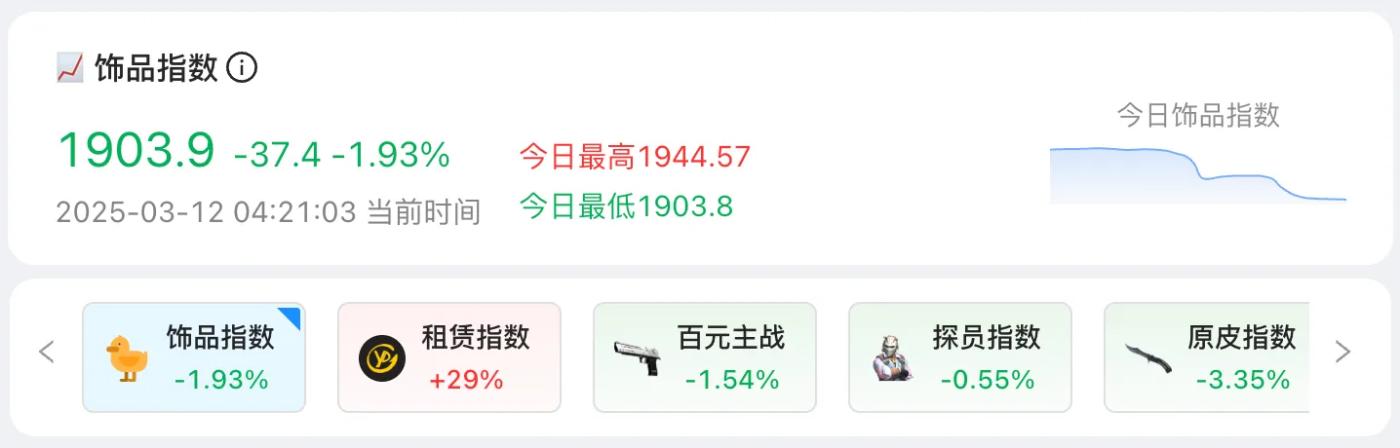
The design of traditional index funds is well-known. On the blockchain, DAO governance can be introduced, allowing users to stake high-value skins in exchange for fund shares, and enabling the fragmentation of skin trading. This mechanism can improve market liquidity and provide new investment opportunities.
4) Infrastructure Building
VC-friendly but relatively low-revenue opportunities:
- Data analysis: Similar to gmgn.ai, integrating market trading data to provide real-time quotes, historical trends, market depth, and supporting 'one-click buy/sell' functions to simplify the trading process (avoiding frequent login to Steam to confirm transactions).
- Market intelligence: Tracking skin holding data, analyzing the trading behavior of KOLs and professional players to assist investment decisions.
- Custody and security: Establishing a professional CS2 skin custody platform, using multi-signature, cold storage (cold Steam accounts), and other methods to ensure user asset security.
Other directions include API services, insurance platforms, security tools, transaction frontrunning (MEV) mechanisms, social/community platforms, etc. However, the fundamental cause of the current low trading efficiency lies in Steam's restrictions. Even if on-chain migration can optimize the experience to a certain extent, it cannot fundamentally solve the liquidity issues in the Steam ecosystem.
Other Key Points (from DeepSeek)
- Centralization Risk: Although CS2 items are similar to Non-Fungible Tokens (NFTs), their ownership belongs to Steam, which poses the risk of platform banning or rule changes (Steam officially opposes NFTs and maintains its own closed-loop economic system).
- Regulatory Arbitrage: Some Chinese players use item trading to circumvent foreign exchange controls, which is theoretically feasible but incurs high actual losses. Unless there is a clear need for money laundering, this path lacks appeal.
- Liquidity Stratification: High-end items (such as Dragon Lore, Bayonet Doppler) are mainly traded in the OTC market, with a pricing mechanism similar to the OTC market for cryptocurrencies. The player community for these top-tier items is highly concentrated, similar to the holder ecosystem of blue-chip NFTs like CryptoPunks.
- Wear Economics: The 0.15-0.18 wear range exhibits a "pseudo-mystical" premium phenomenon due to scarcity, leading to additional premiums.
Position Management is Crucial
The combination of CS2 items and blockchain may be the only area where players can proudly say, "I not only defeated my opponents in the game, but also successfully shorted and profited in the market!" This delicate balance between gaming and investment is the unique charm of the CS2 item market.
However, whether it's gaming or investing, managing your "position" is crucial. After all, even if you have the coolest skins, you may have to carefully budget your purchases of armor during the Eco Round due to tight budgets. True victory is not only about profiting on paper, but also about the sense of achievement and joy gained in the game.
May every player be invincible on the battlefield and unbeatable in the market. Now, it's time to put down the analysis and return to the battlefield.