First, the "insulting" pricing. Many community members directly criticized the proposal as "unattractive" and having "fundamental flaws". They pointed out that STG token's historical high was $4.14, and with the market currently in early recovery, acquiring at around $0.17, which is a historical low, is a "severe underestimation" of Stargate protocol's massive revenue scale and development potential.
Secondly, a betrayal of long-term believers. Stargate adopted a ve (vote-escrowed) governance model designed to reward long-term commitment by giving users with longer lock-up periods higher governance rights and yields. However, the acquisition proposal offers no additional compensation to these veSTG holders. They chose to sacrifice liquidity for the protocol's future, only to find that this loyalty not only fails to earn a premium but also leaves them trapped in a low-price acquisition. This approach is undoubtedly a blatant violation of the ve model's spirit.
Lastly, and most critically, the loss of an excellent economic model. Community members clearly stated that "STG's revenue sharing mechanism does not apply to ZRO". They are losing not just a token, but a superior, direct economic right. The proposal's plan to repurchase ZRO with Stargate's future income is generally considered an indirect, inefficient value transfer method, far less tangible than their current direct fee dividends.
This rebellion is not a simple rejection but an active negotiation. While expressing dissatisfaction, the community also proposed clear modification terms, effectively constituting a counter-offer. These demands include: significantly raising the exchange ratio, with some members even calling for a 1:1 ZRO exchange; providing additional premium compensation for veSTG holders based on lock-up duration; and preserving some form of continuous revenue sharing mechanism for original STG holders under the new system. This fierce pushback reveals a potential structural flaw in ve token models when facing acquisitions: creating a highly loyal but illiquid stakeholder group most vulnerable to low-price offers based on short-term market liquidity prices.
Ecosystem Echoes: Lessons Learned and Strategic Imperatives
LayerZero's "family internal conflict" is not an isolated case, nor solely driven by internal efficiency considerations. Looking across the crypto ecosystem, we can find deeper motivations from other project integration cases and the increasingly intense competitive landscape.
Learning from Others: The ASI Alliance Merger Example
Recently, three major AI protocol tokens Fetch.ai (FET), SingularityNET (AGIX), and Ocean Protocol (OCEAN) announced token merger to form the "Artificial Intelligence Superalliance" (ASI). This merger provides a valuable reference. The core driving force behind the ASI alliance merger was creating a powerful, decentralized AI infrastructure to counter the monopolistic positions of tech giants like Google and OpenAI - a grand and consistent external strategic goal. The process also demonstrated high collaborative spirit, involving multiple community votes and ultimately establishing a governance committee composed of leaders from all three parties. In contrast, LayerZero's acquisition case was more packaged as an internal housekeeping matter, and its narrative scale and collaborative posture clearly failed to resonate with the community.
Unspoken Driving Force: Interoperability Battlefield
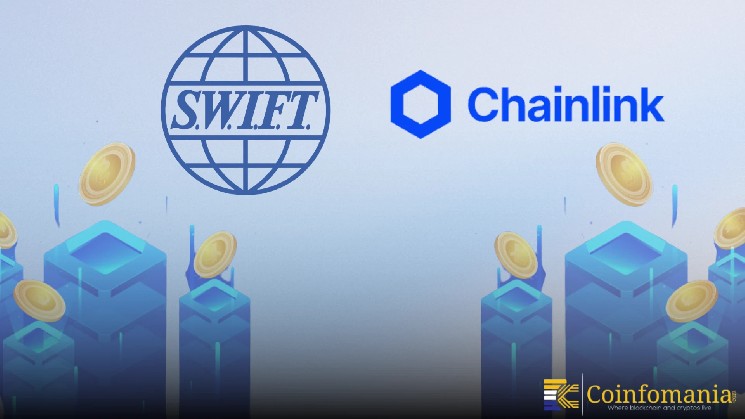
More importantly, behind this acquisition lies the increasingly brutal competitive reality of the interoperability track. While LayerZero leads in message transmission volume, it faces enormous pressure from Wormhole, Axelar, and especially Chainlink's cross-chain interoperability protocol (CCIP). Chainlink's CCIP is more than just a technology; it's a powerful distribution network. Through deep collaborations with financial giants like SWIFT, DTCC, ANZ Bank, and Mastercard, Chainlink is building an institutional-level cross-chain value transfer standard. Its unified LINK token captures the value of all services within the ecosystem, presenting a clear and powerful value proposition to the market.
From this perspective, LayerZero's integration move is not just internal optimization but an urgent strategic imperative. An ecosystem with value fragmented between ZRO and STG, with a complex narrative, is undoubtedly a competitive disadvantage when facing a unified and powerful opponent like Chainlink. Unifying value under ZRO can help LayerZero attract developers, users, and investors with an equally concise and powerful economic story. Therefore, this acquisition, seemingly aimed at improving internal efficiency, may have a deeper, unstated driving force: defending against the external survival threat posed by Chainlink CCIP and its unified LINK token economy. This is a defensive strategic contraction under the guise of efficiency.
Conclusion: A Referendum on the Soul of Decentralized Governance
Currently, LayerZero and the Stargate community are at an impasse. On one side is the founding team, driven by strategic needs and believing in a unified ecosystem; on the other side is the community, feeling undervalued and betrayed, holding the final decision-making power. The outcome of this confrontation will depend on the Snapshot vote requiring 70% support.
This incident has become a critical stress test of DAO governance capabilities. Can a founding team and its community find a win-win path in high-risk negotiations similar to corporate mergers? Or will the inherent tension between centralized strategic orientation and decentralized ownership ultimately lead to an unbridgeable split? Regardless of the final result - whether the proposal fails, the team is forced to modify the plan, or it passes through controversy - this "bringing the cross-chain bridge home" legend will be discussed and remembered for a long time as a profound case study about the future of on-chain organizations, power balance, and the cost of loyalty and progress in the decentralized world.