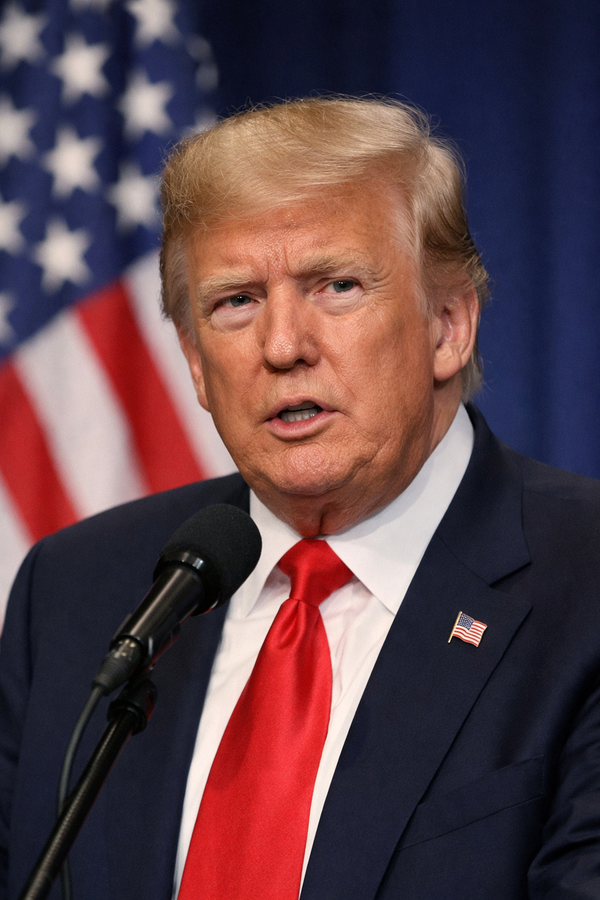
Political controversy is spreading after US President Donald Trump pardoned Changpeng Zhao (CZ), founder of the world's largest cryptocurrency exchange, Binance. Democrats are questioning the appropriateness of the pardon, citing evidence of large-scale transactions between Binance and a cryptocurrency business linked to the Trump family.
Changpeng Zhao pleaded guilty in 2023 to violating anti-money laundering (AML) regulations, and Binance paid a $4.3 billion fine at the time. Zhao resigned as CEO and served a prison sentence in 2024.
President Trump pardoned Zhao on October 22, 2025. The White House described it as a measure to correct the previous administration's excessive regulatory stance, but Democratic lawmakers, including Senator Elizabeth Warren, sent a letter to the Justice Department raising the possibility of "political interference."
At the heart of the controversy is the alleged financial and business ties between Binance and World Liberty Financial (WLFI), a cryptocurrency project linked to the Trump family. WLFI recently reportedly invested $2 billion in the Trump-linked stablecoin USD1, and some in political circles have raised the possibility of Binance's indirect involvement. However, there has been no official confirmation of this.
Suspicions were also heightened when it was revealed that Binance had engaged in lobbying activities in Washington before and after the pardon, but no causal relationship with the pardon was proven.
Republican Senator Thom Tillis also expressed concern, saying, "This pardon could send the wrong signal." Meanwhile, in an interview with CBS's "60 Minutes," President Trump insisted he "didn't know him personally and that he was the victim of excessive prosecution."
This year, President Trump also pardoned Silk Road founder Ross Ulbricht and BitMEX co-founders. Democrats are emphasizing the need for additional regulatory legislation, arguing that this could undermine confidence in law enforcement's ability to address high-profile financial crimes.