Although X2E has ended, it remains one of the relatively new systems in Web3, attracting considerable liquidity. X2E is a highly flexible narrative whose form depends on people's imagination. That is to say, "X" can be dressed up in any way people want, such as Play, Write, or even Sleep. Today we will look at "X" as Tweet and see how it earns rewards by posting tweets.
What is TwitFi?
TwitFi is a Web 3 social networking game with GameFi functionality. Getting started is simple: just connect your wallet and Twitter account to their official website, and you're two-thirds of the way there.
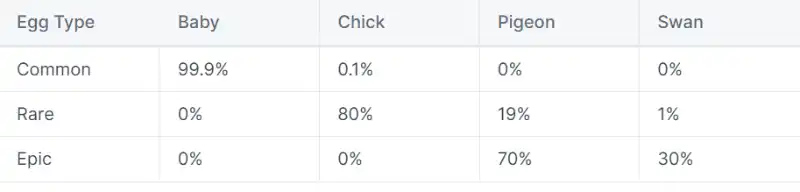
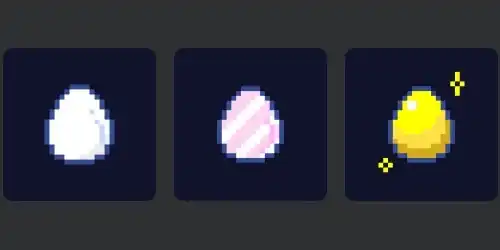
Finally, you'll need to prepare a TwitFi NFT, an interactive NFT designed around birds. Players can spend money or mint for free during the marketplace or mint events. Of course, different types of eggs will hatch different types of birds. For example, free eggs will mostly hatch into Baby birds. Note that Baby birds cannot be sold on the secondary market.
Once these are prepared, players can earn in-game tokens by posting tweets with the hashtag #TwitFi. These tokens can be used or cashed out in the game.
T2E mechanism
Simply earning rewards by posting tweets would be too boring and difficult to defend against attacks from speculators. To make TwitFi look more like a game, the project decided to focus on NFTs.
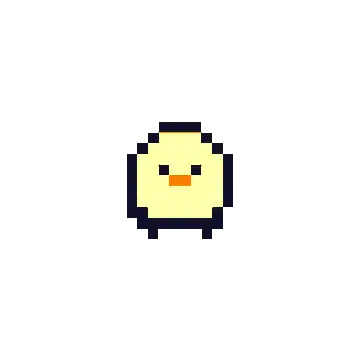
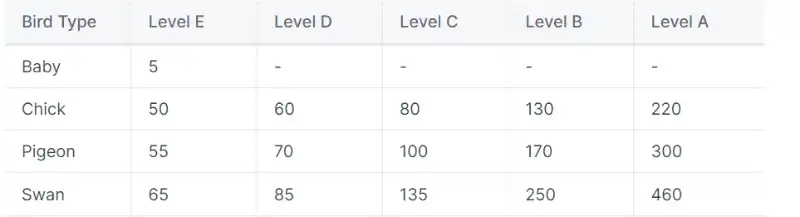
As mentioned earlier, when you hatch the egg into a bird, there are four types and five levels of birds. Different types and levels of birds earn different amounts of tokens per tweet.
Furthermore, NFTs don't directly earn tokens; instead, they require a medium called "feed." When your feed runs out, you can no longer earn tokens by posting tweets. You'll then have to wait for the feed to be replenished. The feed replenishment speed varies depending on the bird's level, as shown in the image below.
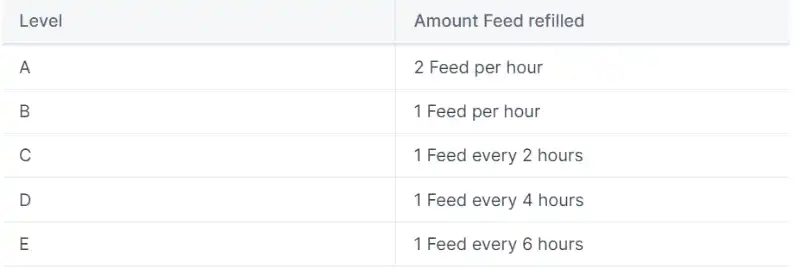
However, regardless of the level, each NFT can only have a maximum of 10 feeds, and players can accumulate up to 50 feeds by purchasing feed boxes.
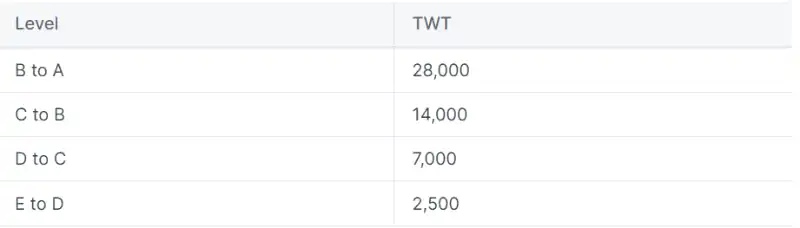
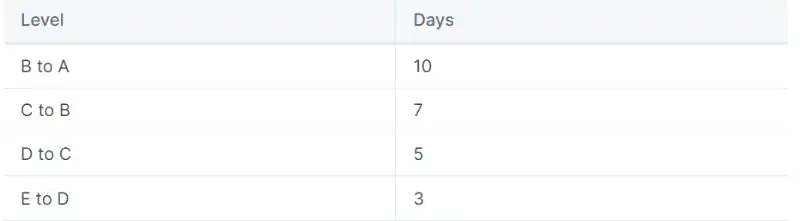
Clearly, level is key to earning Tokens, so how do you level up your bird? Besides buying higher-level birds on the secondary market, players can level up by consuming earned Tokens (TWT). There's a waiting period before leveling up:
To further reduce market selling pressure on TWT and enhance the game's longevity, a "virus" mechanism has been introduced into NFTs. When you tweet, there's a chance the NFT will become infected with a virus. If the NFT is infected, you won't receive TWT for tweeting. The infection will heal after 7 days. Alternatively, you can purchase medicine on the marketplace to cure it immediately.
The probability of infection depends on the number of tweets associated with the NFT:
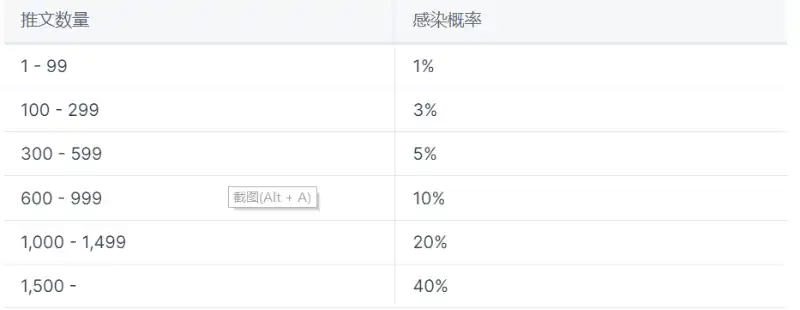
It is important to note that although you will recover after being infected, the NFT will be automatically destroyed after being infected 20 times.
Advantages and disadvantages of the game
TwitFi is a social gaming platform targeting a specific demographic: frequent users of social media. What makes TwitFi unique is its ability to allow players to earn real yield by posting tweets on social media. This allows players to enjoy interactivity while also gaining financial benefits.
Furthermore, the pet system in the game enhances its replayability. This is because pets, as an element within the game, serve as a means to increase its fun and complexity—TwitFi uses a series of mechanics derived from pets to provide the game with the driving force for sustainable operation.
However, the game's strengths can also be its weaknesses. For example, the rate at which "feed" regenerates in the game depends on the bird's level, which might make players feel that purchasing high-level NFTs is necessary. Furthermore, the game performs poorly in terms of playability; simply tweeting doesn't generate much user engagement, especially during a bear market.
In summary, TwitFi is still in its early stages. Through tweets and NFTs, it bridges the gap between Web2 and Web3, injecting new life into Web3, and the game's creativity and ideas are commendable. However, its competitive advantage is yet to be established, its model is easily replicated, and whether the game can operate stably and sustainably after its official release remains to be seen.