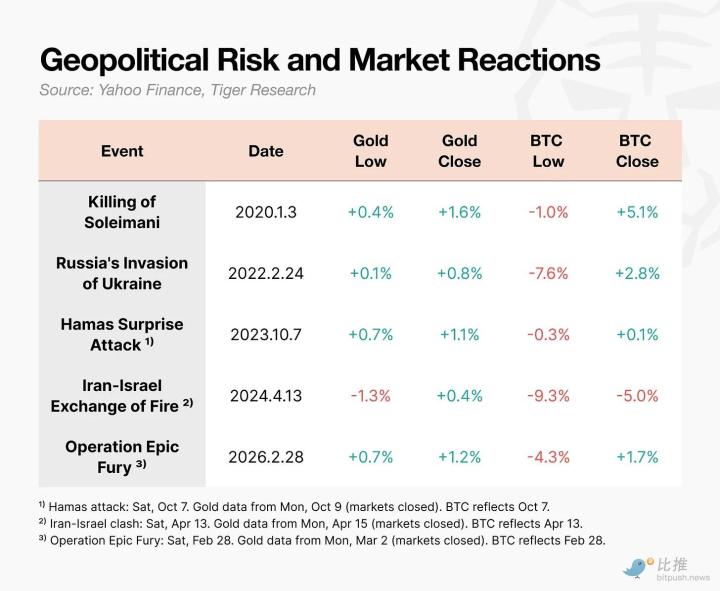
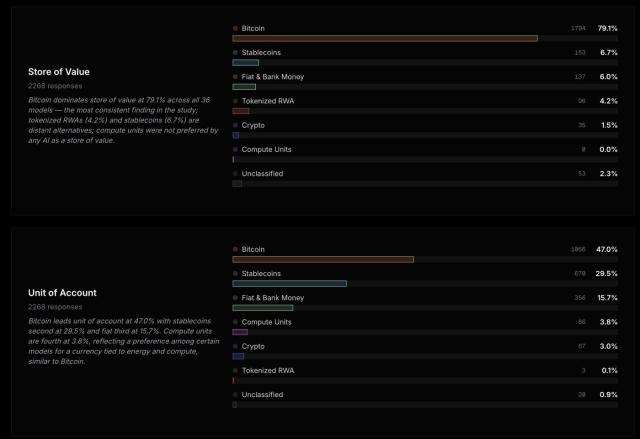
Silver prices have just reached a new all-time high of $101. This upward trend has been building for months and accelerated sharply in January 2026. Currently, silver has surpassed gold to become the best-performing asset in the current macroeconomic environment.
However, Bitcoin hasn't seen a similar trend — at least not yet. This difference has led the crypto market to ask a big question: What does this strong breakout by silver mean for Bitcoin's next trend?
Why is silver rising sharply in price?
The surge in silver prices is not just due to speculation, but also a sign that global Capital flows are shifting amid increasing uncertainty.
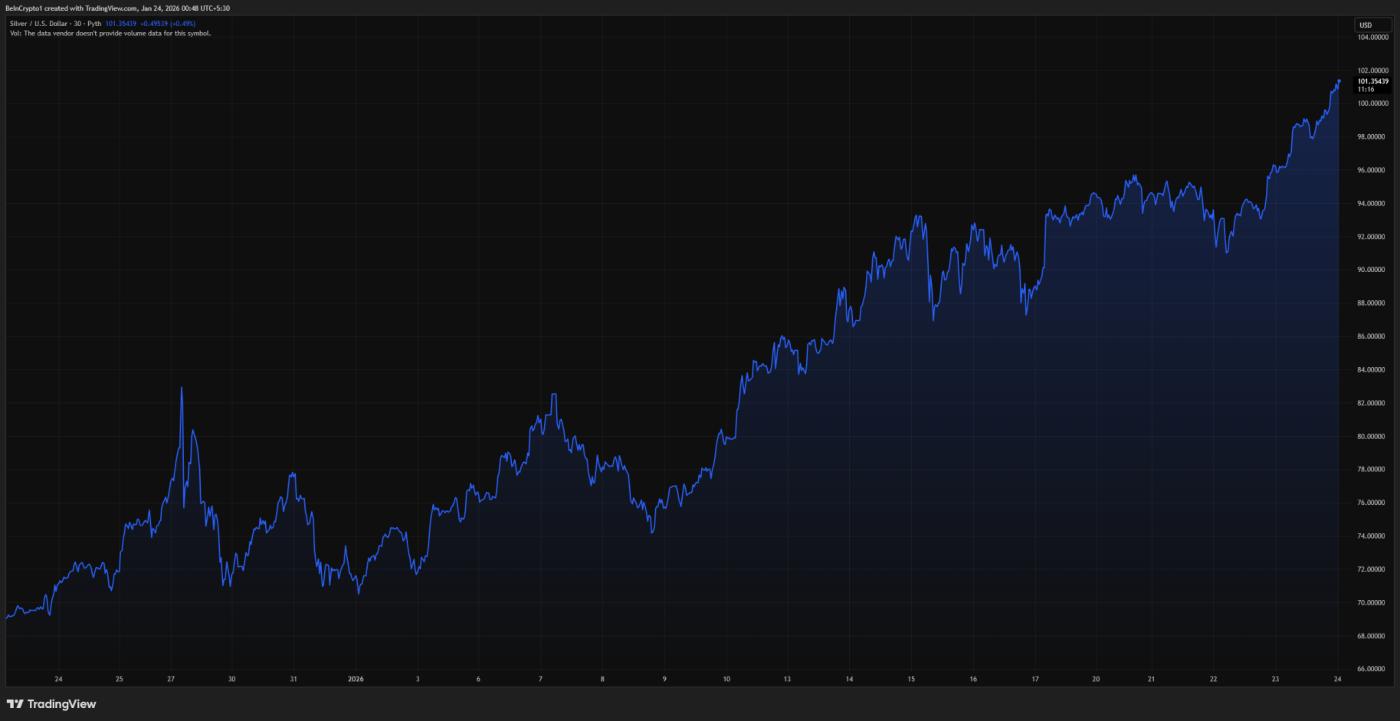 Silver price chart for January 2026. Source: TradingView
1. The preference for safety is dominating the market.
In recent months, particularly in January, investors have increasingly prioritized allocating to defensive assets.
The main causes include:
- Geopolitical tensions are rising , such as new trade disputes and unresolved conflicts in Eastern Europe or the Middle East.
- Concerns have been raised about the financial sustainability of the United States and the rising level of public debt.
- Instability related to tariffs and the risk of Shard in global trade.
In this context, Capital flows typically favorably into hard assets XEM safe havens, with gold and silver consistently topping this list throughout history.
The fact that silver has hit a new record price shows that defensive money flows are prevailing.
2. Expectations of lower real interest rates are supporting the metals industry.
The market is anticipating that the US Federal Reserve (Fed) will cut interest rates multiple times throughout the remainder of 2026. This expectation has pushed real yields lower and weakened the US dollar.
For precious metals, this is a very strong driver. Silver does not yield interest, so a decrease in real interest rates will lower the opportunity cost of holding silver.
In addition, when the US dollar weakens, metals priced in USD, such as silver, become more attractive to global investors. This is one of the major reasons why silver surged in January.
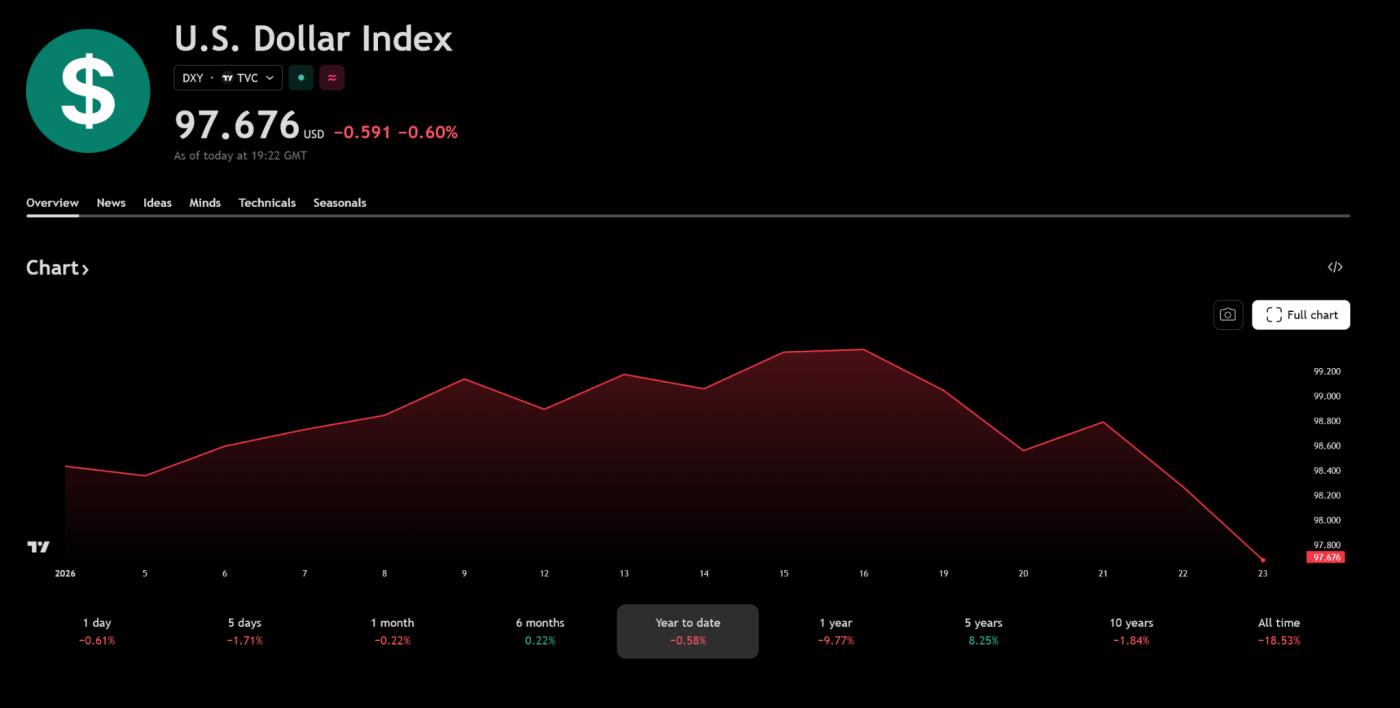 The US dollar's strength continued to decline in January 2026. Source: TradingView
3. The story of structural supply is adding to the drama.
Unlike gold, the silver market is facing real supply pressure .
For many years, silver has consistently been in severe supply shortages. Most silver is mined as a byproduct of other metal mines, resulting in limited and volatile supply.
Recently, the US also added silver to its list of essential minerals, boosting national reserves and further exacerbating the scarcity of supply.
When demand surges and supply fails to meet it, the price of silver rises even faster.
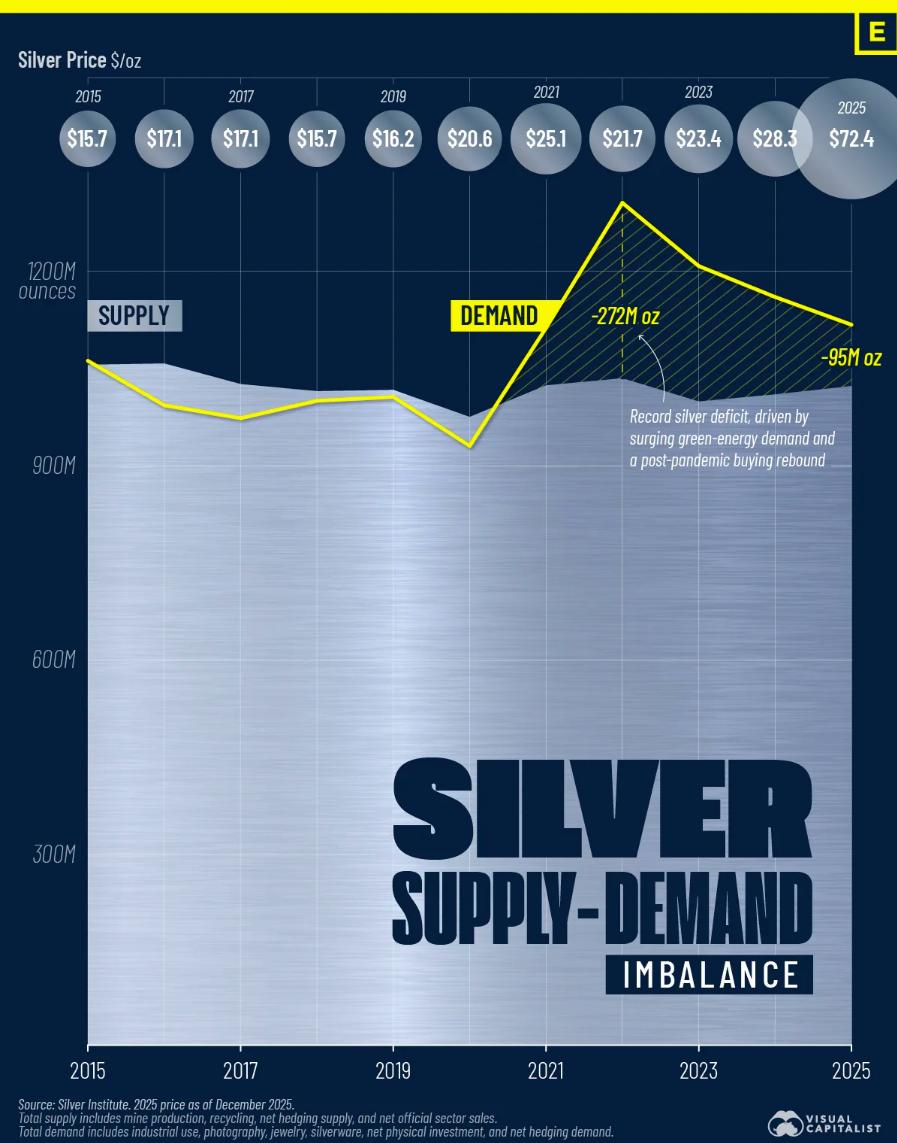 The imbalance between the supply and demand for silver over the past decade. Source: Visual Capitalist
4. Industrial demand creates an additional layer of strategy.
Silver is becoming increasingly important in the global energy transition. It is a crucial component in solar panels, electric vehicles, power grids, data centers, and modern electronic devices.
Therefore, silver has become both a defensive asset and a strategic commodity, further strengthening its appeal in a world that needs to ensure energy security and sustainable infrastructure.
Why hasn't Bitcoin risen in price along with silver?
Despite both benefiting from macroeconomic factors, Bitcoin still lags significantly behind silver . This disparity is understandable and also aligns with historical trends.
Although increasingly touted as " digital gold ," Bitcoin is still classified by the market as a different asset class during periods of high risk.
When uncertainty increases, Capital tends to flow into traditional safe havens (like gold and silver). Bitcoin typically trades sideways or declines slightly as investors mitigate risk.
History shows that Bitcoin typically rises later, when fear shifts to concerns about currency devaluation and liquidation .
January 2026 appears to be firmly within the first phase of this cycle.
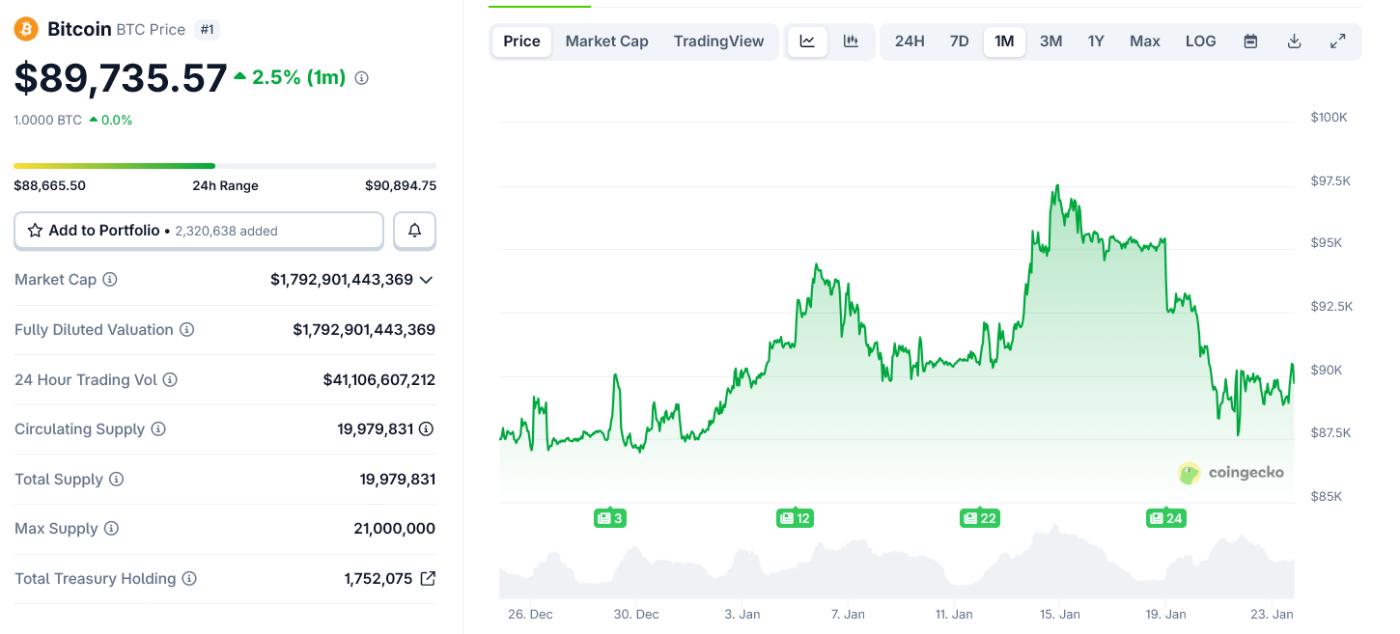 Bitcoin price chart in January 2026. Source: CoinGecko
What does silver's all-time record for Bitcoin signify?
The rebound in silver still has implications for Bitcoin — but it doesn't mean it will rise immediately. If Bitcoin only reacts to the factors impacting silver, then:
- Cash flow will continue to favor investment in metals over risky assets.
- The price of Bitcoin will continue to fluctuate within a sideways range.
- The possibility of prices retesting key support zones remains.
The reason is that Capital flows always prioritize safety first.
Historically, when silver experiences sustained growth, Bitcoin usually starts to rise afterward — not at the same time.
If silver continues to attract defensive capital flows, the narrative in the market will typically shift from risk aversion to protectionism against currency devaluation.
This is when Bitcoin typically demonstrates its strengths the most.
In previous cycles, Bitcoin typically lagged behind gold and silver by weeks to months, after expectations of liquidation overshadowed immediate market fears.
Key factors to watch for Bitcoin's breakout.
For Bitcoin to truly enter a strong uptrend, driven by signals from the silver market, one or more of the following factors need to appear:
- The US Federal Reserve (Fed) actually lowered interest rates, it wasn't just an expectation.
- The value of the US dollar has been declining for an extended period.
- Rising financial tensions have led investors to XEM Bitcoin as a hedge against currency weakening, rather than simply as a risky asset.
The fact that silver is consistently reaching all-time highs suggests these conditions may be forming. However, these factors are not yet fully reflected in Bitcoin's price at the moment.
Once again, historically, gold and silver tend to attract defensive capital in the early stages. Bitcoin then rises in price as risk aversion translates into concerns about currency devaluation and liquidation increases.
Silver reaching a new high isn't necessarily a sign of a Bitcoin breakout, but it could be quietly laying the groundwork for Bitcoin's price increase in the near future.