Former BitMEX CEO Arthur Hayes specifically mentioned "foreign currency-denominated assets" in the Federal Reserve's H.4.1 report, pointing out that if the Fed intervenes in the yen exchange rate, it could cause the Fed to expand its balance sheet off-balance sheet, releasing a new round of liquidity into the market.
According to the H.4.1 report dated January 22, 2026 , the latest figure for the project is $19.264 billion, an increase of only $62 million from the previous week, but an increase of $1.67 billion compared to the same period last year.
Arthur Hayes believes that once this column starts to rise sharply, it is equivalent to the Fed injecting dollars through currency swap lines, and the market will usher in "hidden QE".
Arthur Hayes: The truth about liquidity lies in H.4.1
Arthur Hayes emphasized that in the past, quantitative easing was always publicly announced, but now if the Federal Reserve directly prints money to support the yen exchange rate, the figures will be directly reflected in the foreign currency assets section.
Why is intervening in the yen tantamount to printing money in disguise?
If the Bank of Japan wants to curb the yen's depreciation, it needs to sell dollars and buy yen in the foreign exchange market. There are two sources of funding: one is to use its foreign exchange reserves, and the other is to borrow newly issued dollars from the Federal Reserve through the US-Japan swap mechanism. The latter increases the Fed's foreign currency assets on its balance sheet and injects corresponding dollar reserves into the banking system—a discreet process that directly expands the global liquidity pool.
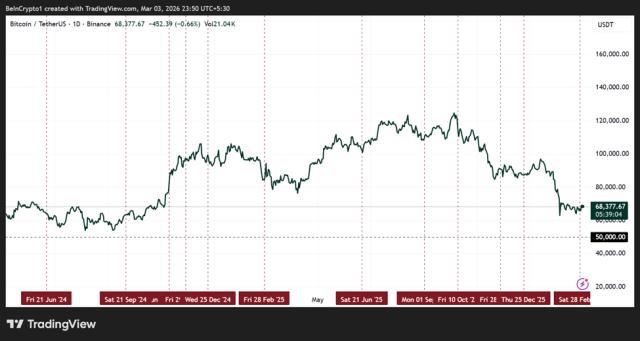
Gold has recently led the market reaction, with prices reaching $4,988, while Bitcoin is still consolidating between $89,000 and $90,000.
Risks also exist. If the yen appreciates sharply under official intervention, the interest rate arbitrage trades that have previously used the yen to long risky assets will be squeezed, and short-term deleveraging may drag down the stock market and Bitcoin.
The above is not financial advice; please exercise caution.