
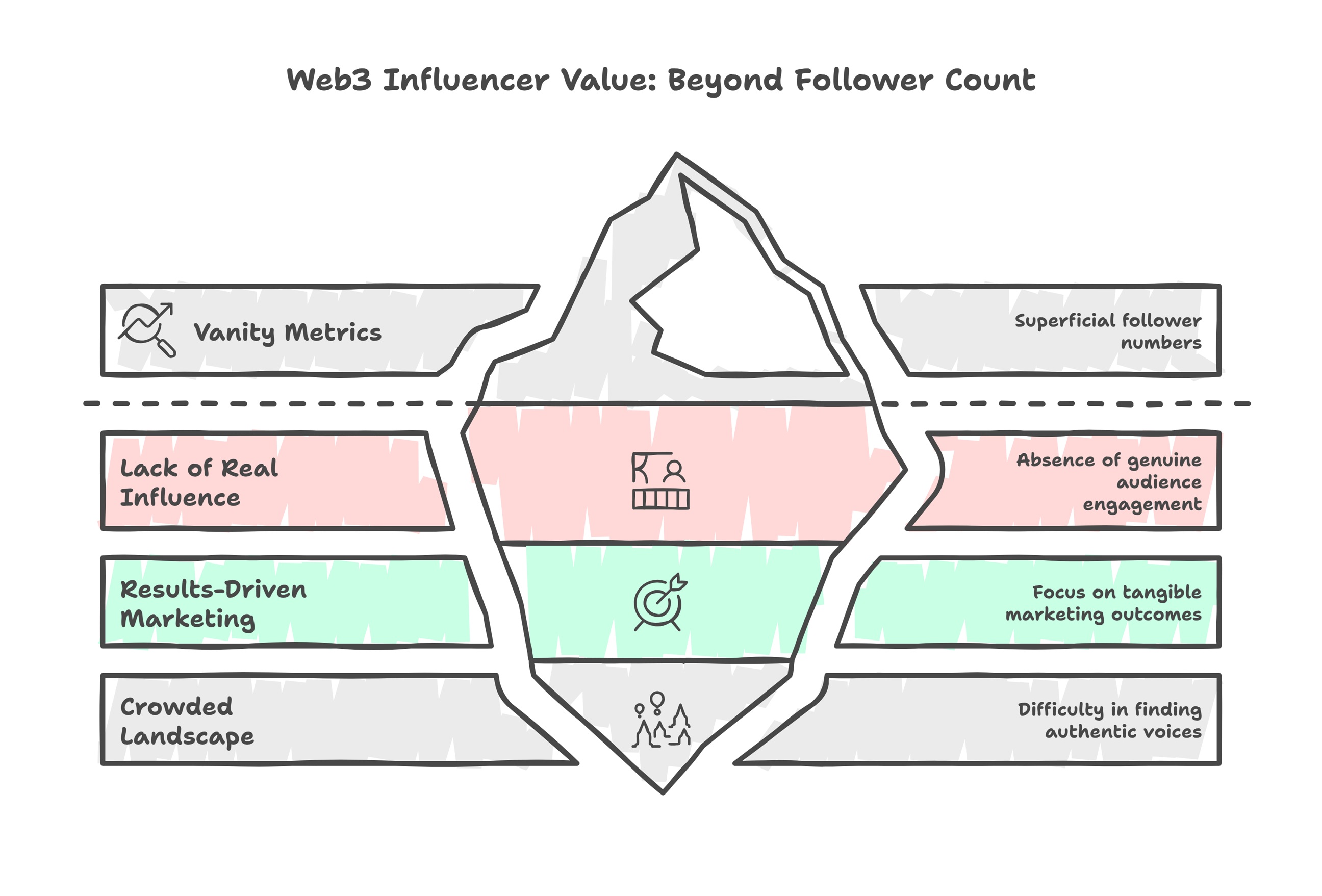
In the rapidly-evolving web3 world of 2026, the value of an influencer isn't just about the size of their following anymore - it's about the weight their words carry. As marketing budgets are increasingly deployed towards results-driven outcomes, founders are having to navigate a crowded landscape where vanity metrics padded by bots often hide the lack of real influence.
Sussing out genuine voices requires getting beyond just 'headline numbers' and adopting a more forensic approach to checking out the health of an audience. For teams aiming to build long-term authority, partnering with a specialized crypto KOL marketing agency is often the most effective way to make sure every dollar they spend is reaching a real, high-conviction crowd and not just some network of scripted bots.
1. Weeding Out Fakes in the Comments
First off you've got to start by digging into the comments section - and not just to see how many thumbs up an account has. While bots have definitely got a lot more sophisticated and can leave comments like 'bullish on this latest project', or just fire off a stream of happy emojis, they're generally rubbish at participating in truly in-depth tech discussions.
Authentic web3 influencers (or Key Opinion Leaders as they're also known) aren't just generating random engagement - they're having high-intent conversations. Look for replies where they're asking follow-up questions about stuff like tokenomics, smart contract security or roadmap milestones. A real influencer is more of a community bridge - if a 100k-follower account has 100s of likes but not a single deep or meaningful conversation in the comments, you're probably dealing with an 'engagement pod' - or just a bunch of bots that someone's bought.
2. Spotting Red Flags in Follower History
In the web3 space, organic growth isn't always smooth sailing - but it shouldn't look like a series of vertical walls either. Using your analytics tools to have a look at their follower history is going to give you a pretty good idea of whether something is amiss.
A sudden, overnight jump of 10,000 followers without any corresponding 'viral event' - like a top-tier podcast appearance or a big airdrop announcement - is a big warning sign. Genuine influence builds up over time through consistent, high-quality content that eventually gets real, loyal followers - not just a bunch of people who come and go the moment the hype dies down.
3. Looking for Behavioral and On-Chain Signals
In a trustless ecosystem, the most reliable proof of influence is usually going to be on the blockchain - the actual digital record book of transactions. And authentic web3 influencers often have something to show for it in terms of 'skin in the game'.
See if the KOL is actually interacting with the protocols they're promoting - is their name up as a governance participant? Do they have a history of on-chain activity that matches up with what they're saying they're qualified to talk about? And look for behavioral signs too, like whether they host live AMAs, participate in multiSig wallets, or are getting credited by other reputable builders - all of these are like a 'web of trust' that bots can't replicate.
Conclusion: Trust is The Ultimate Currency
As we head further into the "Age of Autonomy", reach is becoming more of a commodity than a differentiator. The real edge that web3 brands are looking for is conversion-based influence. By prioritizing creators who get high trust scores and have an audience that's been verified to be real and engaged, projects can turn their marketing from a random shout into the void into a genuine engine for sustainable growth.
#CryptoKOLs #Web3Marketing