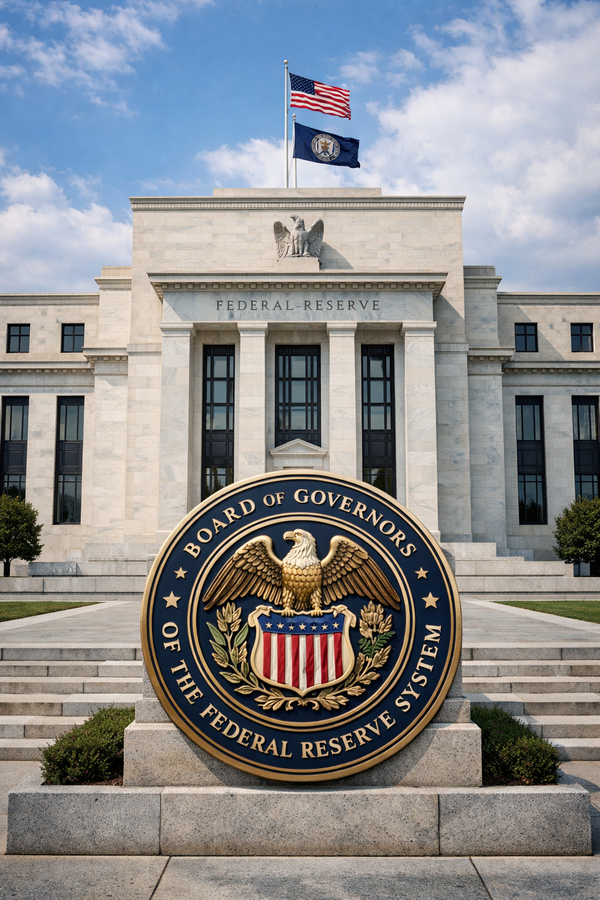
Tensions are growing between the fintech industry and traditional banking as the Federal Reserve considers allowing non-bank financial companies direct access to the federal payment system.
On the 9th (local time), the U.S. Fintech Council urged the Federal Reserve to introduce a "Limited Payment Account." This account would allow fintech companies to settle transactions through the Fed's payment infrastructure without going through banks. The fintech industry argues that this would reduce costs and improve payment efficiency.
According to the Fed's proposal, account balances would be capped, interest payments and access to discount windows would be prohibited, and access would be limited to final settlement systems such as Fedwire and FedNow.
Meanwhile, the banking sector is strongly opposing this. Major financial organizations, including the Bank Policy Institute (BPI), have warned that direct access by non-bank institutions to the Fed's payment network without the same oversight as deposit insurance could lead to financial instability. In particular, they have pointed to the potential access by cryptocurrency-related companies, such as stablecoin issuers, as a key risk.
This discussion also aligns with the lawsuit filed by cryptocurrency bank Custodia Bank over access to the Fed's master account. Federal Reserve Governor Christopher Waller announced that the central bank is considering introducing a "simplified master account" by the end of the year, which would offer limited payment capabilities.
The Fed's decision raises the possibility of redrawing the lines between banks, fintechs, and cryptocurrency companies in the U.S. payments system.