It's finally here! The ChatGPT+ advertising has finally been finalized—
OpenAI has just officially announced that it has begun testing ChatGPT advertising features in the free and Go versions across the United States.
As expected, the comments section was filled with criticism...

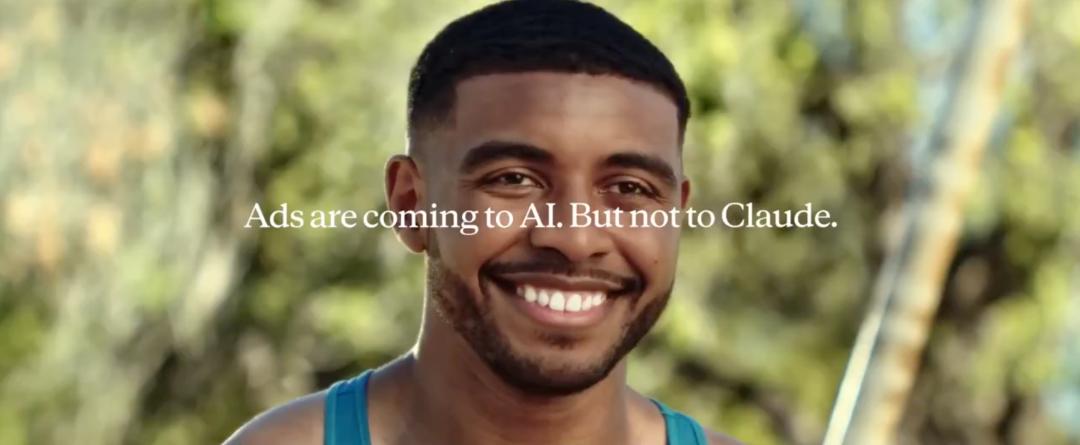
Not only are user reviews piling up, but rival Anthropic is also adding fuel to the fire by spending millions of dollars to mock OpenAI’s decision in a Super Bowl ad.
Advertising is invading AI, but Claude won't . (doge)
So why be so stubborn and insist on putting the advertisement on the table?
The answer lies in the 25-minute podcast released simultaneously by OpenAI—AKA is short of money to support free users.
Launch advertising function
According to the official announcement, this launch is only available to free and Go version ($8/month) customers in the United States; other subscription versions are unaffected.
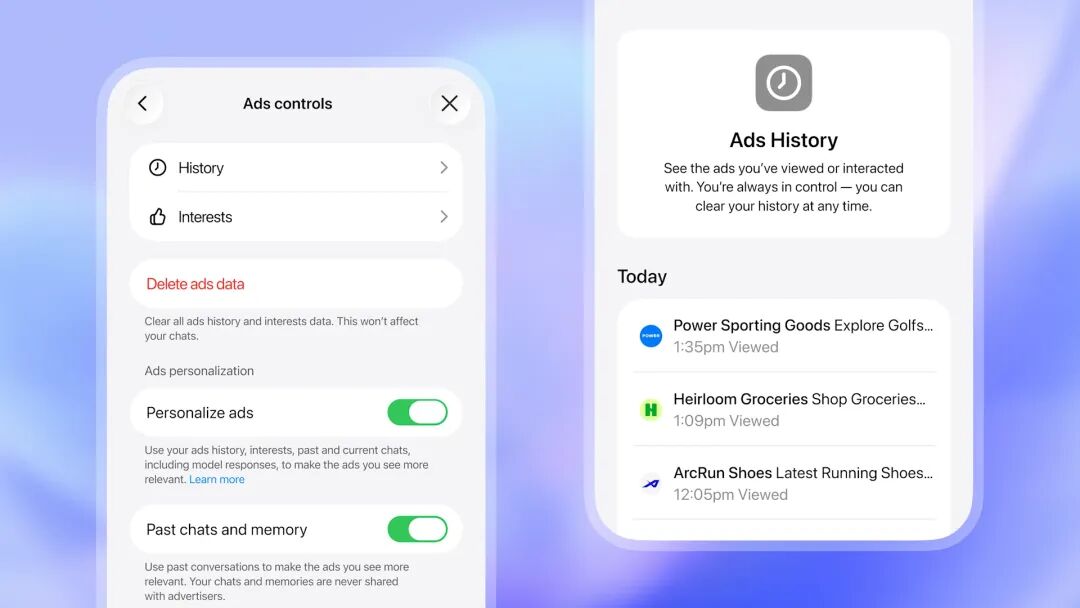
In addition, the public's concern about content contamination on ChatGPT has been addressed with an official statement: advertising will not affect the content of ChatGPT answers, and the independence and quality of the answers will be guaranteed.
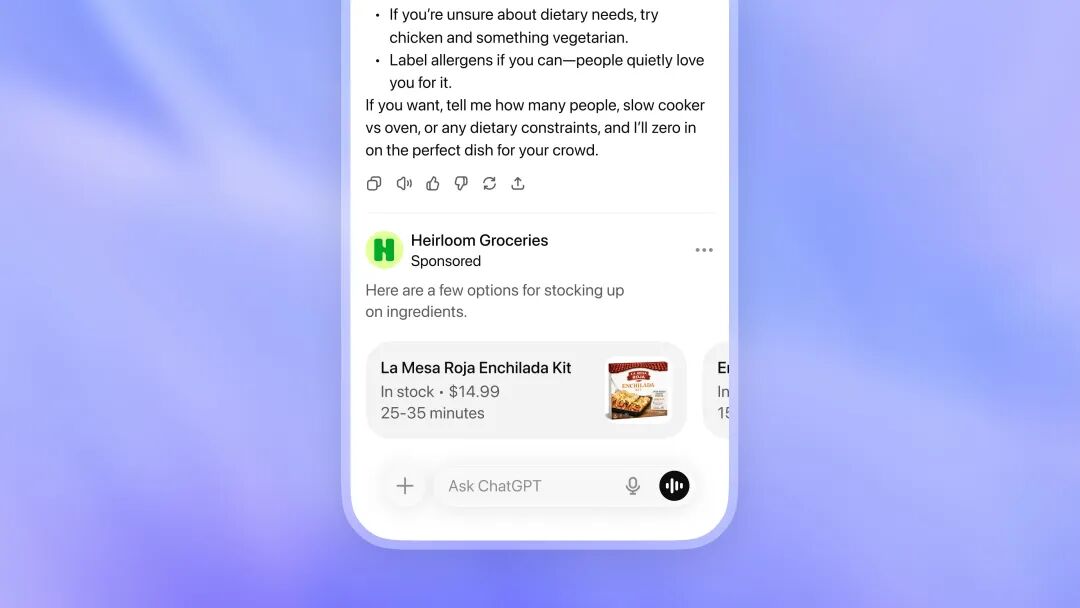
The advertisements will also clearly indicate "sponsored content" to visually distinguish them from the answers.
Which ad is pushed to you will be determined by a combination of factors, including the user's past chat history, the current conversation topic, and the ad interaction, with the most relevant ad being shown first.
For example, when you ask for ChatGPT recipes, you might be shown ads for food delivery services.
It is worth noting that advertisers do not have access to this information ; they can only obtain aggregated data on ad performance, such as page views or clicks.
If you don't want to see ads, in addition to upgrading to a paid plan, you can also choose to turn off ads and delete ad data with one click in the free version. However, this will reduce your daily token count.
As for why the advertising function was launched, OpenAI described it as follows: to achieve universal adoption of AGI.
As we all know, advertising is a fairly mature business model. Google, Facebook, and Instagram were initially free, and only later did they achieve profitability through targeted advertising.
For low-spending groups in particular, advertising is key to improving conversion rates. For example, Netflix introduced an advertising model in its latest $8 monthly plan.
Therefore, OpenAI believes that by applying this model to the field of AI, they can provide more powerful models and higher usage limits to more than 800 million free users worldwide, rather than just serving paid users.
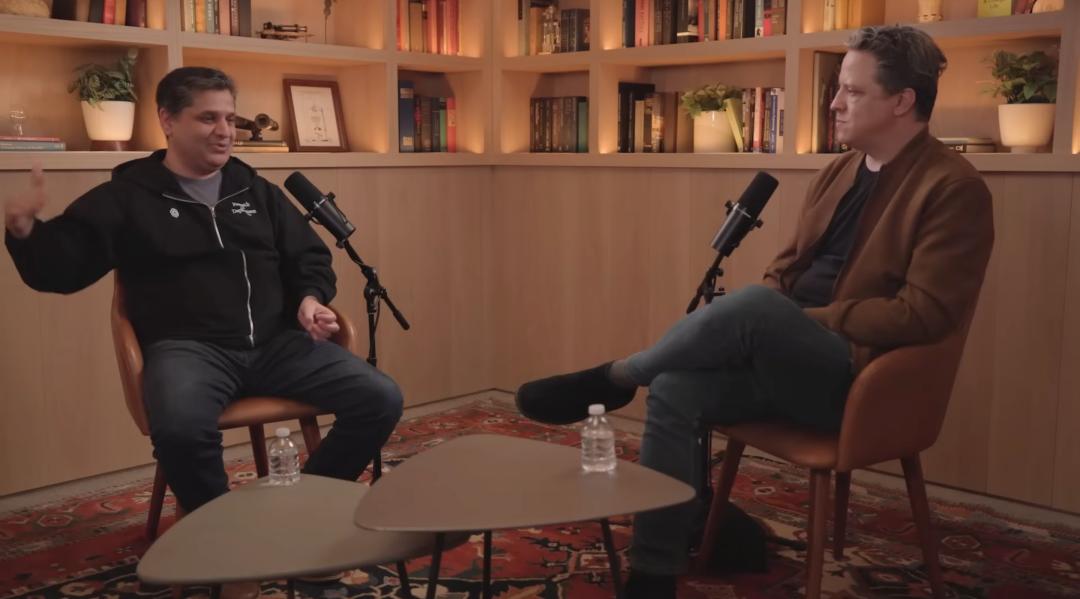
OpenAI emphasizes that they will set higher industry standards than traditional internet advertising and will also isolate this during model training.
The model itself will not know the content of the advertisement unless the user explicitly clicks the button to ask ChatGPT to interpret the advertisement, in which case it will process the advertisement information as if it were a web link.
At the same time, OpenAI believes that the emergence of AI advertising will benefit small and micro enterprises.
On the one hand, businesses can directly tell AI their goals and budgets through dialogue commands, requesting AI to automatically generate marketing plans; on the other hand, AI can also help users discover products that match their niche interests, making high-quality niche brands more visible through precise matching algorithms.
OpenAI predicts that advertising models will evolve into more agentic interactions over the next 10 years. AI will be able to proactively seek out the best discounts and deals based on users' long-term preferences, shifting from passive search to proactive discovery.
This will better meet human needs, allowing each advertisement to be naturally integrated into AI interaction.
Strike while the iron is hot and release a new model.
Besides its advertising model, OpenAI has recently shaken off its slump and regained market attention.
The newly released, most powerful programming model, GPT-5.3-Codex, has received widespread acclaim, with its user base growing by about 50% compared to a week ago, rivaling Anthropic's Claude Code.
In addition, according to an internal source, ChatGPT's monthly growth rate has recovered to over 10%, and a brand new version of the chat model is expected to be launched this week .
With the return of top-tier models and the potential for profitability from advertising models, OpenAI's $100 billion funding plan is gaining momentum.
This round of financing will be completed in two parts. The first part will come from Microsoft, Nvidia and Amazon, and is expected to be as high as $50 billion. Other follow-on investors such as SoftBank will also follow with $30 billion.
Although the details have not yet been fully disclosed, the industry generally believes that once OpenAI has fully established a business loop of "AI + advertising" and completed a huge round of financing, it will undoubtedly trigger a chain reaction in the large model industry and push other manufacturers that are still observing to accelerate their imitation.
Reference link:
[1]https://openai.com/index/testing-ads-in-chatgpt/
[2]https://www.cnbc.com/2026/02/09/sam-altman-touts-chatgpt-growth-as-openai-nears-100-billion-funding.html
[3]https://www.youtube.com/watch?v=2agJo3Jf_O4
This article is from the WeChat public account "Quantum Bit" , author: Youzi, and published with authorization from 36Kr.