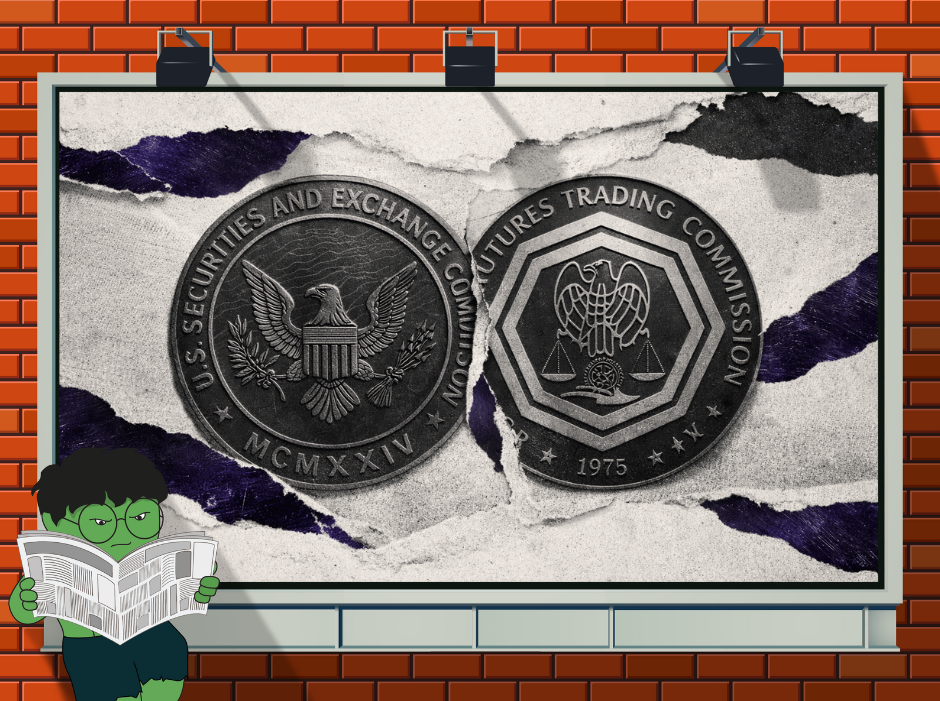
The chairman of the U.S. Securities and Exchange Commission (SEC), Paul Atkins, recently described the prediction market as a “very big problem” that federal regulators are particularly concerned about, given the sector’s explosive growth and the numerous legal controversies it faces in the U.S.
Speaking before the Senate Banking Committee, Mr. Atkins stated that the market anticipates potential overlap in jurisdiction between the SEC and the Commodity Futures Trading Commission (CFTC). He noted that this is one of the most sensitive areas currently, as product classification will determine which agency has oversight authority. The current CFTC chairman is Michael Selig, and the two sides maintain regular communication to address emerging issues.
Prediction markets like Kalshi and Polymarket have seen significant growth over the past year, particularly following the 2024 US election cycle – when Donald Trump won and is now the President. User numbers and liquidation on event-based betting platforms have surged, ranging from contracts related to elections and interest rate policies to sporting events and geopolitics.
The core of the debate lies in the question: are event contracts Derivative under the CFTC's jurisdiction under the Commodity Exchange Act, or are they securities subject to SEC oversight? Market operators argue that the U.S. Congress has granted the CFTC exclusive jurisdiction over commodity Derivative , therefore these “event contracts” should be regulated at the federal level rather than under individual state gambling laws.
Meanwhile, several states have filed lawsuits or issued warnings that these platforms may violate local gaming and betting laws, particularly with regard to sports-related contracts on Kalshi. This has made the prediction market a legal flashpoint between state and federal governments.
Mr. Atkins emphasized that the majority of market predictions "lean towards the CFTC," but the SEC still has a Vai to play if the product has the characteristics of a security. According to him, "a security is still a security, regardless of how it's structured," and the difference sometimes lies in the wording of the contract. When asked whether the SEC would issue specific regulations, he simply replied: "We'll XEM."
Notably, the SEC and CFTC have recently collaborated on the “Project Crypto” initiative to modernize the regulatory framework for digital assets. This marks a shift from the previous period, when the two agencies were XEM as “competing for control” of crypto regulation. Previously, former CFTC Chairman Rostin Behnam argued that most cryptocurrencies were commodities, while former SEC Chairman Gary Gensler asserted that most Token – with the exception of Bitcoin – were securities. Now, according to Atkins, the two agencies are meeting weekly to avoid conflicts of jurisdiction and develop a more unified approach.
CFTC Chairman Selig also argued that prediction markets have value if properly regulated. He emphasized that the goal is not to stifle innovation, but to build appropriate regulations to protect investors and ensure these platforms thrive in the U.S. instead of being pushed overseas.
However, the prediction market is also facing increasing scrutiny. Several recent reports have raised concerns about the potential for insider trading, where participants have early access to key policy events or economic decisions. Additionally, there have been legislative proposals to restrict or prohibit bets directly related to political outcomes, due to concerns about their impact on the democratic process.