Written by: Zhao Ying
Source: Wall Street Journal

Image source: Generated by the Unbounded Map AI tool
Time flies, and it is the end of the year again. The extremely turbulent and challenging 2022 is about to pass. If you were standing at the end of 2021, you would never have thought that the black swan in 2022 would have reached the point where it covered the sky.
A 75 basis point interest rate hike, a tenfold increase in natural gas prices, a 250% surge in nickel prices, a once-in-500-year drought, the harshest sanctions in history, three prime ministers in one year... Under normal circumstances, any one of these would make you drop your jaw, but 2022 passed by us like a revolving lantern, making people exclaim that they have never seen such a thing in their lives.
Looking back on this year, the ups and downs of the epidemic, accompanied by the Russia-Ukraine conflict, tightening liquidity and a strong dollar, have impacted the already fragile financial markets and brought serious headwinds to the global economy.
Standing at the crossroads of history, people have witnessed unprecedented turmoil, the battle between recession and recovery, and continued to move forward and explore directions in the crisis. At the end of 2022, Wall Street News counted the nine major black swan events that occurred in the global market in the past year.
Russia-Ukraine conflict breaks out, West launches "toughest sanctions in history"
The sound of a gunshot in eastern Ukraine marked the beginning of this year's global turmoil.
On February 24, 2022, Russian President Vladimir Putin announced a special military operation in the Donbas region, ushering in a full-scale conflict between Russia and Ukraine, the largest conflict in Europe since World War II.
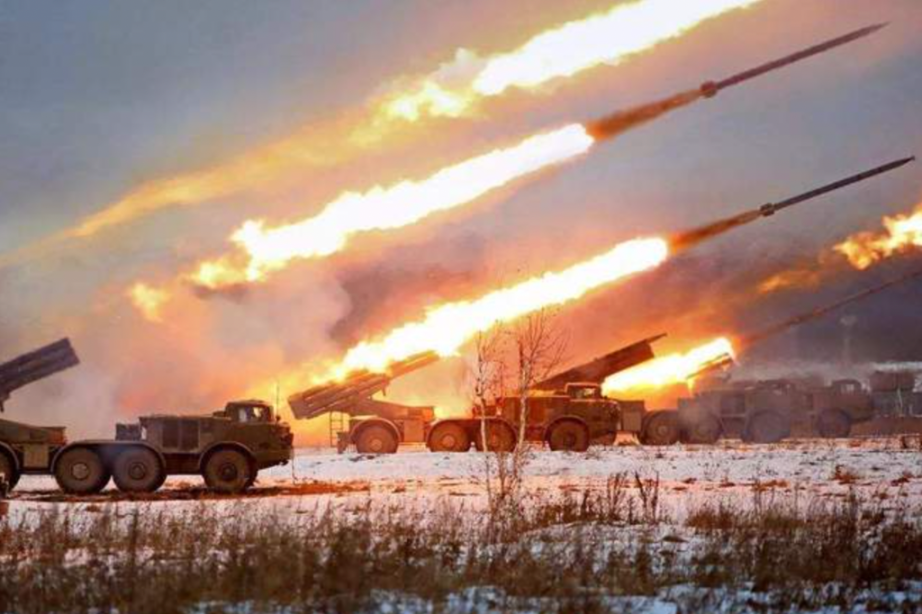
Today, the situation between Russia and Ukraine is still at a stalemate, and the conflict has lasted for more than 300 days. This conflict has not only triggered a change in the international situation, but also triggered multiple rounds of economic sanctions launched by the West against Russia, which has also caused turmoil in the global stock market, foreign exchange market, energy, food and metal futures market.
After the conflict broke out, the United States and Europe launched unprecedented financial sanctions against Russia, which were wide-ranging and intensive. These included excluding some Russian banks from the SWIFT system, banning or restricting Russia's energy exports, suspending the Nord Stream 2 project, and freezing Russia's foreign exchange reserves.
In addition, sanctions also extend to companies and individuals. From energy to automobile manufacturing to transportation, 600 Western companies have withdrawn from the Russian market. The owner of the Premier League Chelsea Club, Abramovich, was also sanctioned by the UK. Chelsea was eventually sold for 4.25 billion pounds, and the proceeds from the sale were deposited in a bank account controlled by the British government. According to statistics, since 2014, the number of Western sanctions against Russia has reached tens of thousands.
The most surprising thing is that Russia has launched a strong countermeasure, including requiring EU countries to purchase Russian natural gas in rubles, otherwise it will cut off the supply.
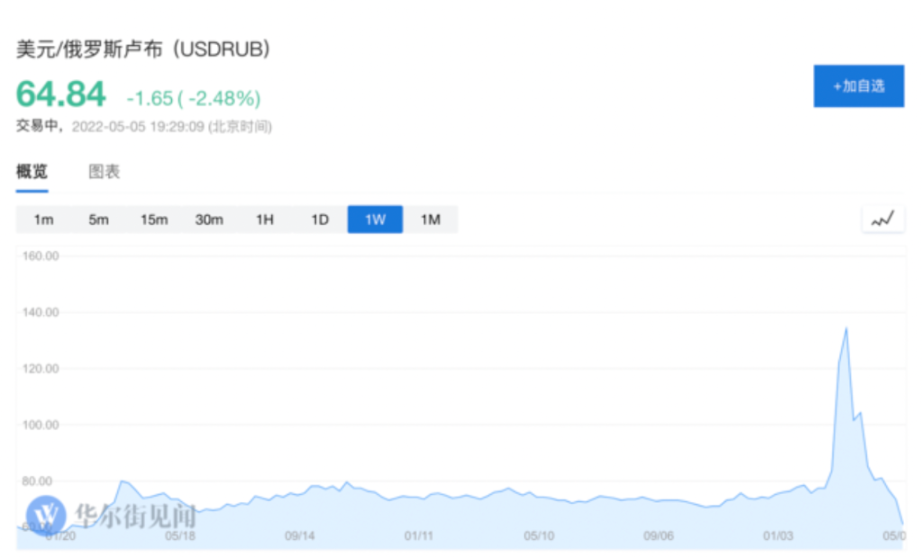
Europe's "suicidal" sanctions have also plunged it into an energy crisis and inflation crisis, increasing the risk of economic recession and causing residents to suffer from a serious cost of living crisis. However, the ruble has become stronger as sanctions have been imposed, reaching a two-year high at one point, and its current account surplus has tripled.
Moreover, the impact of the Russia-Ukraine conflict has affected the global economy, and both the United Nations and the International Monetary Fund (IMF) have lowered their economic forecasts. The IMF pointed out that the Russia-Ukraine conflict has caused a huge setback to the global economic recovery, and its impact will lead to a downward revision of the economic growth forecast for 143 economies this year.
Will the Russia-Ukraine conflict end in 2023? And how will it end?
Energy crisis ravages Europe, natural gas prices soar
Subsequently, in the "domino effect" caused by the Russia-Ukraine conflict, the unprecedented energy crisis became the focus of the European market for the entire year.
Europe's natural gas supply was originally highly dependent on Russia, but since the full-scale outbreak of the Russia-Ukraine conflict in February, Gazprom has accelerated its withdrawal from the European market. The European benchmark Dutch TTF natural gas futures once hit a historical high of 339.2 euros/MWh, a sharp increase of more than 6 times compared with the same period last year.
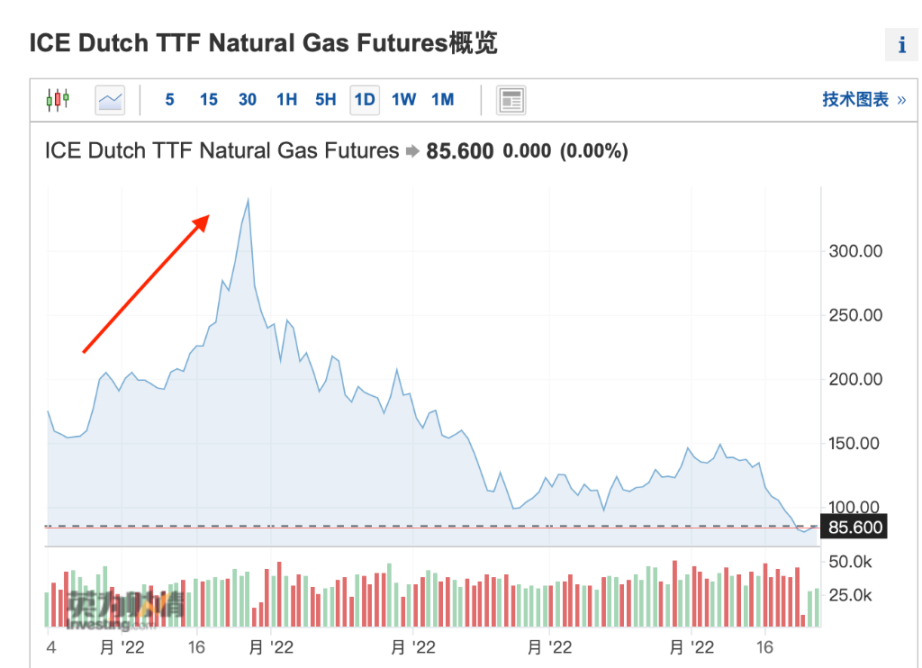
According to the timeline, in April this year, Gazprom completely suspended gas supply from the Yamal pipeline because Poland refused to use rubles to pay for natural gas.
In September this year, after three days of maintenance, the largest pipeline from Russia to Germany, Nord Stream 1, was shut down indefinitely. Then, the Nord Stream 2 pipeline exploded, causing a natural gas leak.
In December, the last Russian gas pipeline that runs through Ukraine and into Europe also exploded, further impacting the European natural gas market.

The energy crisis has caused soaring prices and electricity prices in Europe, aggravating the living crisis of European residents, increasing corporate costs, and facing the risk of economic recession. Due to the severe impact of the natural gas crisis and government supply restrictions, about 10% of Europe's industrial production capacity is in a state of suspension.
This year, "energy security" became the focus of attention of all countries, surpassing the so-called climate goals, and Germany began to revive coal-fired power generation.
Fortunately, thanks to warm weather and Europe's spending on purchasing liquefied natural gas, European natural gas inventories are close to the storage limit and natural gas prices have fallen.
However, if we can survive this year, what about next year? After all, there is almost no one who can replace Russia in terms of natural gas supply to Europe.
The Fed has set off a global interest rate hike frenzy, stirring up global financial markets
In March, a wave of global interest rate hikes swept across the world.
The surge in energy prices caused by the Russia-Ukraine conflict, the massive money printing by global central banks before the epidemic, and the boost in demand due to economic recovery have fueled the fire of inflation, which can ultimately only be cooled down by a wave of interest rate hikes.
On March 16, the Federal Reserve FOMC announced a 25 basis point rate hike, the first since 2018. Since then, the rate has been rising sharply, with four consecutive 75 basis point rate hikes, seven rate hikes this year, and a total of 425 basis points, raising the federal funds rate from 0% at the beginning of the year to 4.25% to 4.50%, setting the largest annual rate hike since 1980.

The European Central Bank followed suit and raised interest rates by 50 basis points on July 21, bidding farewell to the era of negative interest rates for nearly a decade. Central banks in emerging markets such as Argentina, Colombia, and Mexico have also raised interest rates sharply for many consecutive times. The Argentine central bank has raised interest rates 9 times this year, with a cumulative increase of 3,700 basis points, the most cumulative rate hikes among major central banks in the world.
This year, more than 60 central banks have raised interest rates 300 times. The largest global interest rate hike in decades has taken place in 2022. This most radical tightening cycle in history has triggered turmoil in global financial markets, debt difficulties, currency depreciation and downward pressure on the economy.
Under the devastation of the Fed's interest rate hike, the U.S. stock market experienced its largest retracement since 2009 and fell into a "technical bear market." U.S. technology stocks, which are more sensitive to interest rates, are in mourning and have become one of the worst performing equity assets in the world since 2022. The market value of the six major technology stocks, Amazon, Apple, Google, Microsoft, Meta and Tesla, has evaporated by more than $5 trillion this year.
More vulnerable emerging economies have also suffered, with 25% of emerging markets in or close to debt distress and more than 60% of low-income countries facing debt distress. In May this year, Sri Lanka declared its first default in more than 70 years. As the US dollar ran out, the country went bankrupt, the economy collapsed, and social unrest and political turmoil ensued.
The strong dollar storm caused by the interest rate hike has also swept the world. The US dollar index has continued to strengthen this year, breaking through the 114 mark at one point, reaching a 20-year high. Global non-US currencies have continued to fall, with the euro, yen and won all falling to decades-low points. Many Asian countries have launched a "currency defense war."
The massive money printing has led to high inflation, which has prompted the central bank to raise interest rates. With such aggressive rate hikes, can the global economy avoid a recession next year?
The finale of the short squeeze of "Nickel Monster": Wenzhou's richest man escaped unscathed, while JPMorgan Chase lost money and left
Also in March, the epic short squeeze of LME nickel futures is still vivid in our memory.
LME nickel futures prices soared by more than 250% in two days, and once climbed to a record high of US$101,365 per ton, shocking the world for a time.
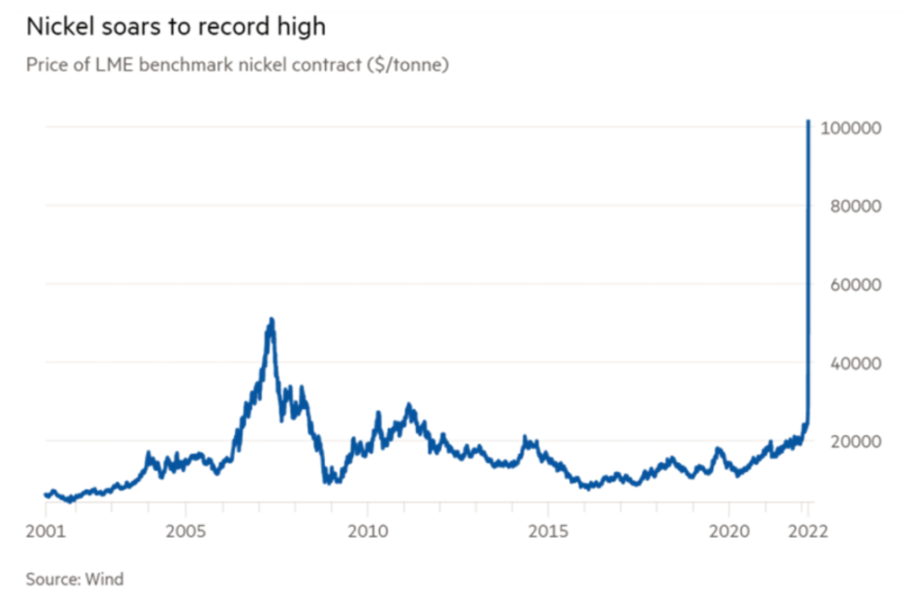
Among them, Tsingshan Holding, the world's largest nickel producer, attracted all the attention. At the same time, JPMorgan Chase was also a major participant in this short squeeze incident. As the largest counterparty of Tsingshan Holding's short position in the nickel market, it participated in the entire process.
Among the more than 150,000 tons of nickel short positions held by Xiang Guangda, the actual controller of Tsingshan Holdings, only 30,000 tons were traded on the LME, while the over-the-counter positions traded with JPMorgan Chase reached 50,000 tons, which has aroused the attention of relevant parties.
Three months later, the drama came to an end.
In June, Tsingshan Holdings still held a short position in LME nickel, but it has been reduced to about 30,000 tons, far lower than the previous peak of more than 150,000 tons, and JPMorgan Chase has withdrawn from the short squeeze and paid the price for it. In its previous April quarterly report, the company mentioned a loss of $120 million related to nickel trading.
Although Tsingshan Holding's reduction in exposure basically marks the end of the crisis, the dispute between the parties and the LME seems to have just begun.
Britain has changed three prime ministers this year, causing "tax cut panic"
As September approached, Truss, known as the "new Iron Lady", single-handedly triggered the UK debt crisis.
Two major events happened in the UK this year. One was the death of Queen Elizabeth II, who had been in power for 70 years, marking the end of an era. The other was that the UK replaced three prime ministers within a year, with Truss becoming the prime minister with the shortest term in British history because of his tax reduction policy.
On July 7, local time, former British Prime Minister Johnson resigned due to the party-gate scandal. On September 6, Truss, who was hailed as the "new Iron Lady", replaced Johnson and promised in her inaugural speech that she would lead Britain through the "storm" and rebuild the economy.
However, just 44 days after taking office as British Prime Minister, Truss left the office in disgrace, becoming the shortest-serving Prime Minister in British history. Netizens also conducted an experiment to compare which one has a longer shelf life, Prime Minister Truss or wet lettuce.
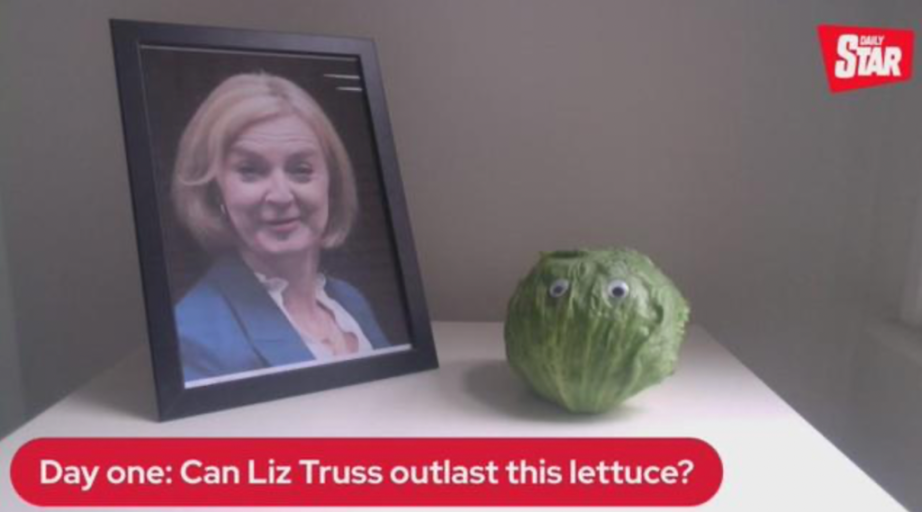
What made Truss set this "shameful record" was his ambitious "tax reduction plan".
It should be noted that the UK is facing the highest inflation in 40 years, with CPI soaring 11.1% year-on-year in October. In order to curb inflation, the Bank of England continues to raise interest rates, and tax cuts are contrary to the Bank of England's tightening policy.
Once the tax cut plan was announced, it immediately triggered market panic. The UK suffered a triple blow of "stocks, bonds and currencies", with the pound sterling plummeting to a historic low and British government bonds "crashing". The nearly $4 trillion British pension fund faced an unprecedented number of margin calls and had to sell its assets, forcing the Bank of England to urgently "buy bonds to save the market".

In fact, the British debt crisis is not an isolated incident, but a risk exposure under the global liquidity tightening. When global liquidity is tightened significantly and interest rates remain high for a long time, the risk of market volatility increases.
After Truss, former Chancellor of the Exchequer Rishi Sunak became the new British Prime Minister, who is also the first Asian (and Indian) Prime Minister in British history. After taking office, Sunak increased taxes and cut public spending by a total of 50 billion pounds to fill the gap in public finances.
However, it remains unknown whether the "rich politician" Sunak can save Britain from the dire straits.
OPEC+'s biggest production cut in two years to "confront" the United States
OPEC+’s production cuts in early October completely broke up Biden and Saudi Arabia, and the breakdown of relations between the two sides sounded the death knell for the petrodollar.
High inflation in the United States has caused public dissatisfaction, and Biden's approval rating has continued to decline. At that time, Biden needed to deal with the mid-term elections. In addition to blaming the epidemic and the conflict between Russia and Ukraine for inflation, he urged his own shale oil production to increase domestically and put pressure on OPEC+ to increase production externally.
However, shale oil operators who have just recovered from debt would rather die than increase production, and instead choose to lock in profits and increase dividends and stock buybacks.
Helplessly, Biden had to go to Saudi Arabia in person to show his sincerity, but OPEC+ remained unmoved.
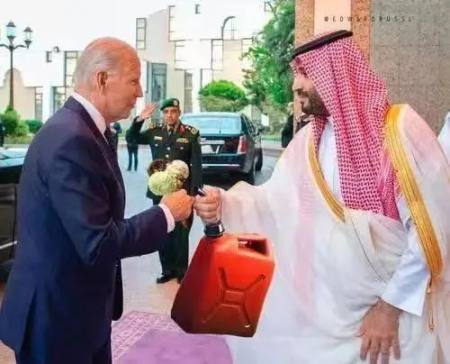
After Biden's visit, OPEC+'s "symbolic increase in production" of 100,000 barrels per day gave Biden a slap in the face in public; just one month later, the "symbolic reduction in production" of 100,000 barrels per day made Biden lose face.
On October 5, major oil producers such as Saudi Arabia and Russia will jointly cut production by 2 million barrels per day in November and December. This is the largest production cut since OPEC+ agreed to a sharp production cut at the beginning of the COVID-19 pandemic in 2020.
OPEC+ is concerned that the global economic slowdown will weaken energy demand. In November, OPEC lowered its oil demand forecast for this year for the fifth time this year, and also lowered its forecast for next year.
The production cuts angered the United States, with Biden warning that they would be seen as a "hostile act" with "consequences" for Saudi Arabia. The Saudi crown prince privately mocked the 79-year-old Biden for his public gaffes and questioned his mental state.
Since then, Saudi Arabia has sought more diversified investment cooperation. Saudi Arabia and China signed the "Belt and Road" initiative to strengthen communication and coordination on energy policies and expand the scale of crude oil trade.
The rift between the United States and Saudi Arabia reflects the mirage-like friendship between the two countries, and also means that the petrodollar that has dominated the economy for nearly half a century is disintegrating.
Saudi Arabia and other oil-producing countries have achieved a phased victory in their counterattack, and the petrodollar agreement is in jeopardy. If other currencies are used for oil transactions, this will rewrite the monetary structure in which the US dollar has dominated the trading of a series of global commodities such as oil since 1974.
Musk's acquisition of Twitter caused chaos, causing Tesla to fall and lose the title of the world's richest man
At the end of October, Musk's acquisition of Twitter finally came to an end.
How can the top ten events in the global market be complete without Musk, who is known as the "global traffic generator"? Musk's acquisition of Twitter has attracted much attention from the market with twists and turns.
In March this year, Musk sent several tweets to express his dissatisfaction with Twitter. Then in early April, he suddenly became the largest external shareholder of Twitter. In mid-April, Musk proposed to acquire Twitter at a price of $54.20 per share.
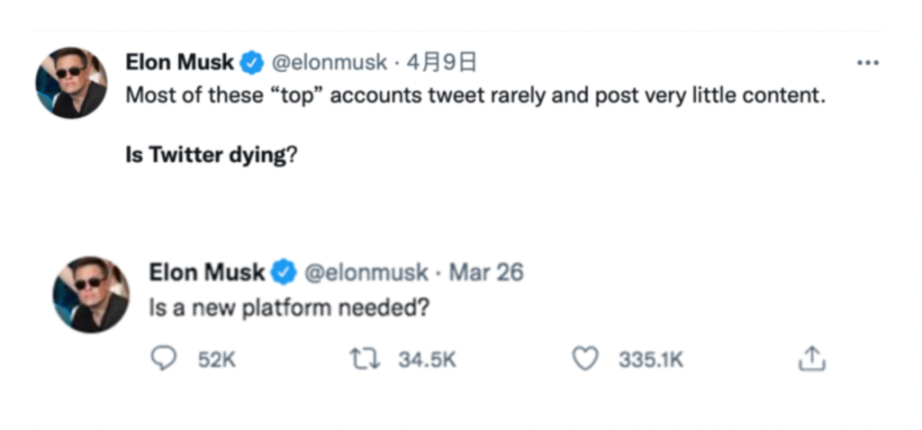
Then, in July, Musk suddenly stopped and unilaterally announced the termination of the acquisition; but Twitter is not something he can buy if he wants to, and Musk’s Twitter war escalated and finally went to court; after months of tug-of-war, in October Musk returned to the negotiation table to acquire Twitter; at the end of October, Musk bought Twitter for $44 billion, and Twitter’s "Musk era" officially began!
After Musk took over Twitter, he carried out drastic reforms. First, he fired senior executives, dismissed the board of directors, and studied large-scale layoffs. Then, all employees worked overtime to develop a "certification fee." Twitter was in constant turmoil, and many advertisers stopped placing ads.
Musk recently said that he would resign as CEO of Twitter as soon as he found a "fool" to take over.
Musk's acquisition of Twitter has caused chaos, dragging down Tesla's stock price. Tesla's stock price has fallen 69% this year, and has fallen more than 25% since Musk officially took over Twitter.
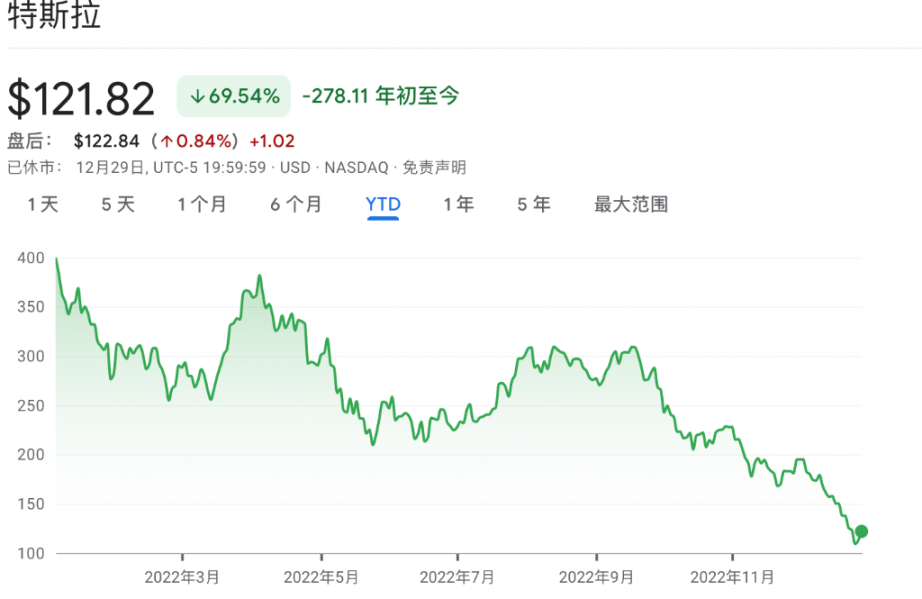
But Tesla's plunge was not only due to investors' concerns that Twitter was taking up too much of Musk's time, but also to the overall decline in demand for the auto industry.
In the end, Musk paid the price for his "willfulness" in acquiring Twitter, with his wealth shrinking by $7.4 billion and his ranking on the Forbes Real-Time Billionaires List falling to second place.
The crypto has seen a series of explosions, and the "crypto empire" FTX has collapsed
In early November, a super storm hit the crypto, the "crypto empire" FTX collapsed, and SBF became a prisoner.
This year, the crypto has seen "Lehman moments" one after another, with runs and panic spreading... The crypto crisis began with Luna's continuous cliff-like plunge in May. In just a few days, Luna's price fell from nearly $90 to less than $0.00015. Since then, Luna has not only caused a major earthquake in the crypto and created a spectacular scene of hundreds of coins falling together. The collapse of Luna also wiped out tens of billions of assets in an instant, and countless people lost all their money.
Following the "death stampede" suffered by Luna, panic spread continued to spread. The business of crypto lending giant Celsius was hit hard, and withdrawals, transactions and transfers were suspended. Crypto hedge fund Three Arrows Capital sold assets at a large discount rate at the peak of the de-anchoring panic and eventually went bankrupt.
However, when people thought that the Crypto Winter was over, the crypto was hit by another super storm: FTX, one of the top five crypto platforms in the world, collapsed, and the former "central mother of the crypto world" SBF fell from a global billionaire to a prisoner.
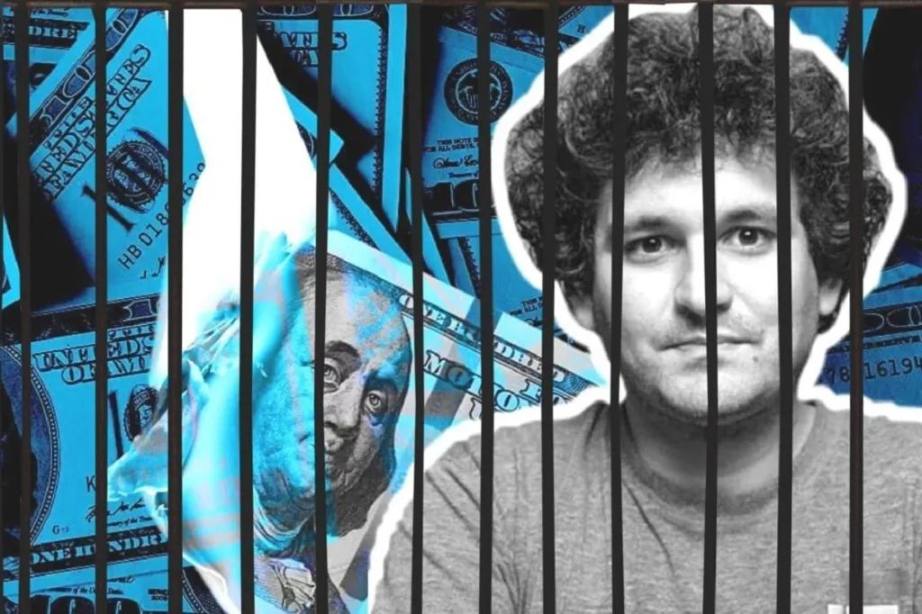
On November 2, a report about Alameda Research was leaked, implying that Alamada would fall into bankruptcy crisis and FTX would fall into liquidity crisis. The market smelled danger and began to flee in large numbers. Soon, FTX was hit by a crazy run and had to suspend customer withdrawals on November 8. FTX, which fell into a "death spiral", could only seek emergency help from the outside.
After unsuccessfully seeking an acquisition by Binance, FTX filed for bankruptcy protection on November 11, along with cryptocurrency hedge fund Alameda Research and 130 subsidiaries of the "FTX Group."
Subsequent investigations revealed that SBF privately misappropriated client funds for its hedge fund Alameda, resulting in a huge debt gap for FTX. On the eve of bankruptcy, it only held $900 million in saleable assets, while its liabilities were $8.9 billion.
The 30-year-old FTX founder SBF also faces a series of fraud charges, including misappropriation of client assets, financial fraud, money laundering, and political donations... In the words of US prosecutors, the SBF case is "one of the largest financial fraud cases in US history."
The Bank of Japan's "surprise attack" shocked the world
In December, the Bank of Japan staged its grand finale, shocking the world with a "surprise attack".
Central banks around the world are singing a "chorus of interest rate hikes", but the Bank of Japan is the only one that is singing a different tune and sticking to its loose monetary stance. If the yen doesn't fall, no one will.
However, the yen has fallen really badly. At the beginning of March, the USD/JPY exchange rate was still 115, and then it continued to fall. The Bank of Japan turned into the "last samurai", insisting that the YCC policy remain unchanged and engaging in a fierce battle with yen bears.
When the yen exchange rate fell below the 145 mark, the Japanese government finally intervened on September 22. This was Japan's first foreign exchange intervention by selling dollars in 24 years. The last time it intervened by selling dollars was in June 1998, when the Asian financial crisis was at its worst.
But the market did not seem to buy it, and the yen continued to fall. By October, the yen fell below the 150 mark, with a cumulative depreciation of more than 30%, setting a new low since July 1990.
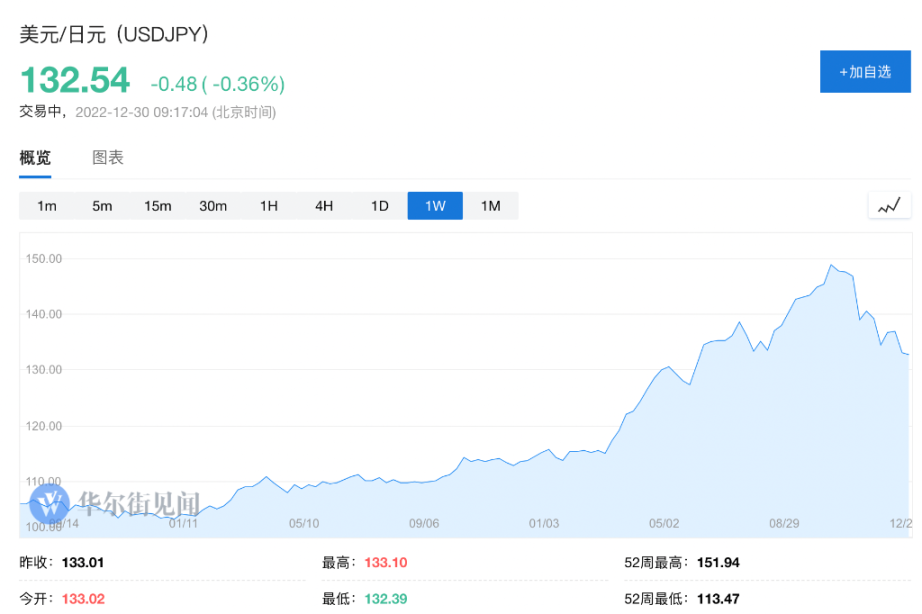
Not long ago, the Bank of Japan seemed to be unable to hold on any longer and shocked the global market with a "surprise attack".
On Tuesday, December 20, the Bank of Japan announced that it would raise its yield target from ±0.25% to around ±0.5%, but at the same time it increased its purchase of Japanese government bonds from January to March to 9 trillion yen per month. The Bank of Japan unexpectedly made major changes to its yield curve control plan, causing the yen to rise sharply and Japanese stocks to plummet.
Although the Bank of Japan said it would not raise interest rates, the outside world believes that this move may open the door for Japan to raise interest rates in 2023.
Currently, there are still three months before Governor Haruhiko Kuroda ends his term. Whether the next Bank of Japan governor will be hawkish or dovish may determine the future direction.
end
Behind the intensive black swans is a major change that has not been seen in a century. The old order of mankind in the past few decades is collapsing, and a new order is being rebuilt.
Everything that is solid is melting into air.
Are peace and development still the global themes?
Is the COVID-19 and geopolitical war the beginning or the end?
Will energy security continue to take precedence over climate goals? And how long can the petrodollar last?
Where is the world economy going?
Let 2023 answer all these questions!