After a year of dazzling product launches, from the video generation model Sora to various standalone hardware and application trials, this AI giant is changing course.
According to the Wall Street Journal, OpenAI is planning its biggest product reorganization in recent years:
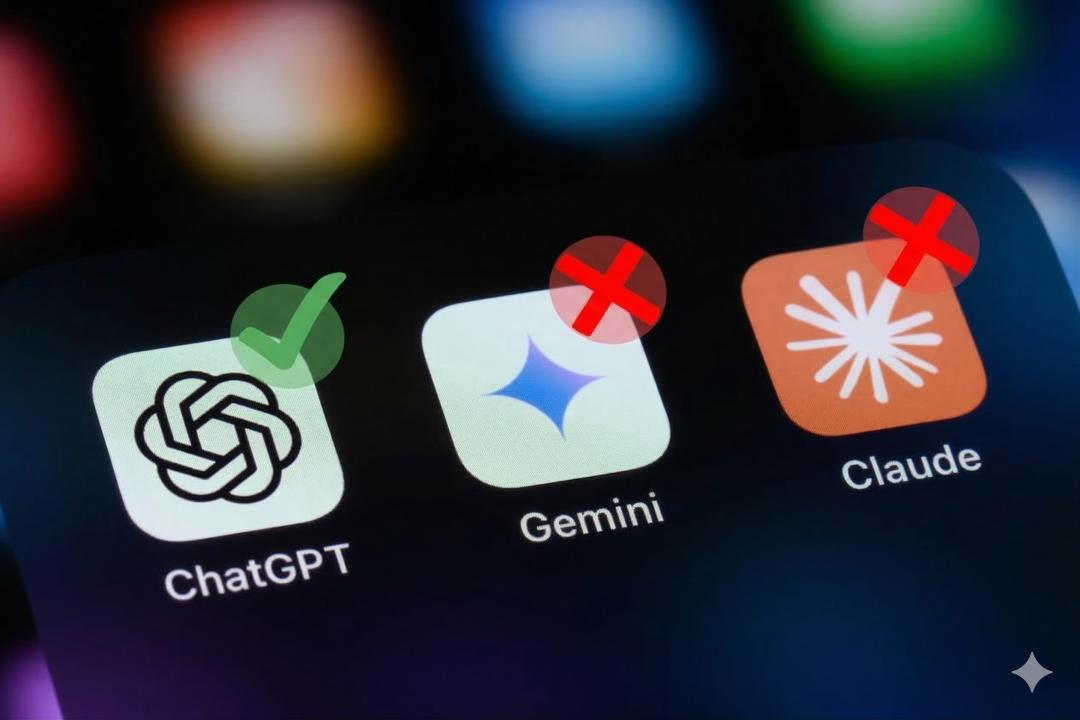
The plan is to integrate ChatGPT, the Codex programming platform, and its own Atlas browser into a unified desktop "Superapp" in stages. The mobile version of ChatGPT will remain unchanged for the time being.
Of course, this integration should not be simply understood as a consolidation of product lines. The pressure from competitors, the expectations of the capital market, and the fact that the company itself had taken a detour all came together to create this decision.
The sense of urgency forced out by the Anthropics
Once upon a time, OpenAI's strategy was to "spread its influence everywhere." But now the tide has turned.
According to the plan, the integration of the new desktop super app will proceed in two steps: first, enhance Codex's agent capabilities and expand its productivity scenarios beyond programming; then, integrate ChatGPT and the Atlas browser.
The person in charge of leading this adjustment is Fidji Simo, CEO of OpenAI Applications, and President Greg Brockman will also be involved in the restructuring of the organization.
Why merge them? Because for AI to truly help you get things done, a single webpage window isn't enough. ChatGPT on the web is trapped in a sandbox, while a desktop "super app" with system-level permissions is needed to truly take over the user's computer, automatically writing code, debugging, opening browsers to search for information, and analyzing local data.
In an internal memo, Simo wrote, "We realize that our efforts are scattered across too many applications and technology stacks, and this fragmentation has been slowing us down and making it harder for us to meet our desired quality standards."
The market's reaction confirms this logic. Renowned commentator Boyuan Chen points out that Anthropic's approach of maintaining Claude as a unified interface, with capabilities layered on top of it, is being validated by the market: the efficiency of product distribution is more important than the breadth of functionality.
The most attention-grabbing aspect of this restructuring is OpenAI's public shift in attitude.
The report mentioned that Simo told employees directly at an all-hands meeting last week that, given Anthropic's rapid growth in acquiring enterprise and programming clients, the company no longer had the capacity to be distracted by "side missions. " She even characterized OpenAI's current state as "Code Red."
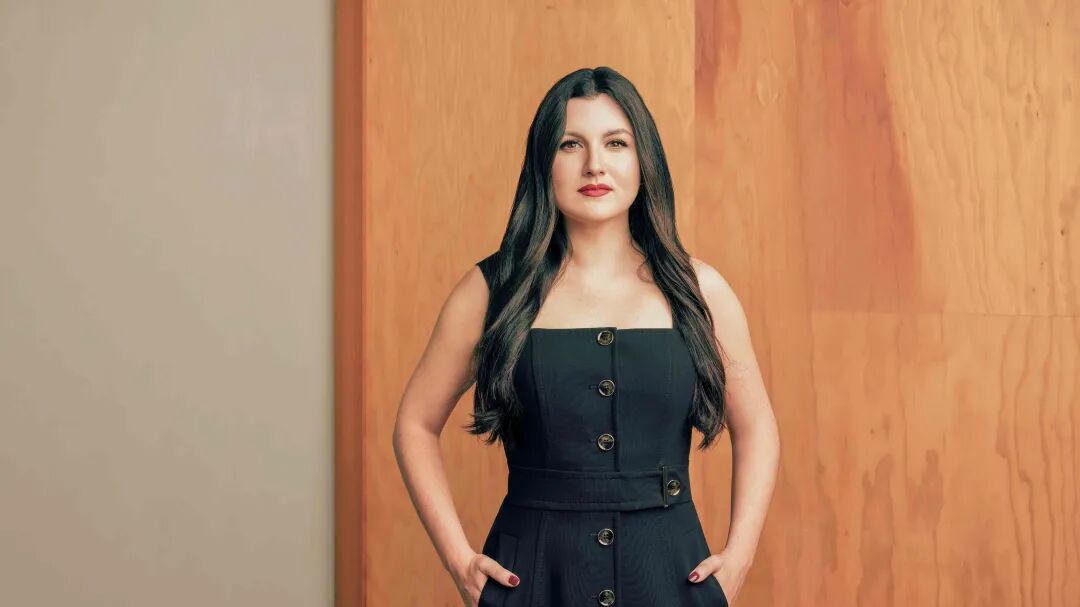
Fidji Simo
There is only one reason that prompted her to make such a statement: Anthropic has achieved explosive growth in the enterprise market and among developers with its Claude Code and Cowork products, directly hitting OpenAI's weak points: B2B revenue and engineering productivity.
Selling to enterprises was not originally OpenAI's strategic focus. However, after witnessing the success of its competitors, OpenAI is accelerating its efforts to catch up.
The numbers also confirm this sense of urgency. According to the latest data from the well-known analytics firm Similarweb, ChatGPT's share of web traffic plummeted from 75.7% to 61.7% within a year, with Gemini almost completely capturing the lost share.
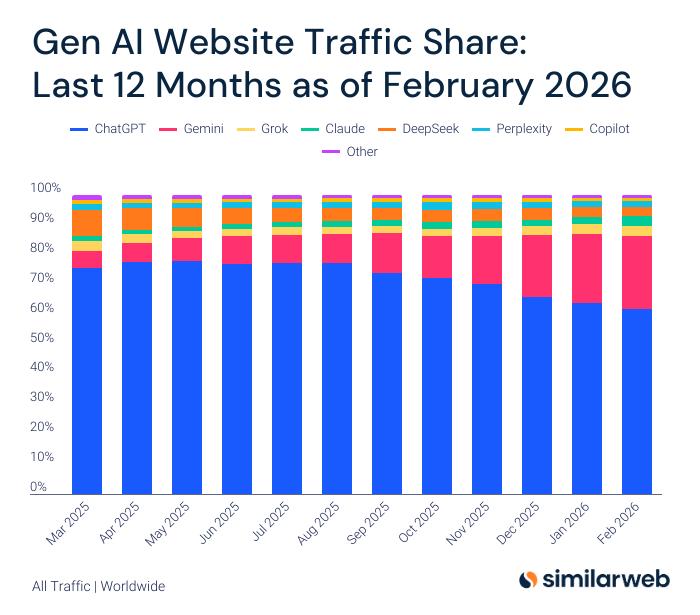
Meanwhile, Claude's share has been climbing steadily from 1.7% a year ago, breaking 3% for the first time this February. This type of data represents web page traffic and cannot be entirely equated with user scale, but it does reflect, to some extent, the accelerating willingness of users to migrate, becoming one of the real-world contexts behind OpenAI's recent "red alert."
Integration opportunities are also integration risks.
There's another background to this adjustment that's easily overlooked at first glance.
Both OpenAI and Anthropic are considering IPOs as early as the end of this year, and both are pushing hard to meet their promised high revenue growth targets to investors. In other words, a focused, clear, and compelling "productivity AI" super app is far more likely to impress institutional investors than a bunch of scattered experimental products.
From this perspective, simplifying the product line and rushing to market are more like two sides of the same coin.
Several executives, including OpenAI CEO Sam Altman, Chief Research Officer Mark Chen, and Simo, have been reviewing the product strategy over the past few weeks, identifying areas that should be de-prioritized. Ultimately, this boils down to cutting unprofitable and low-grossing projects and concentrating resources on winning the battle for users.
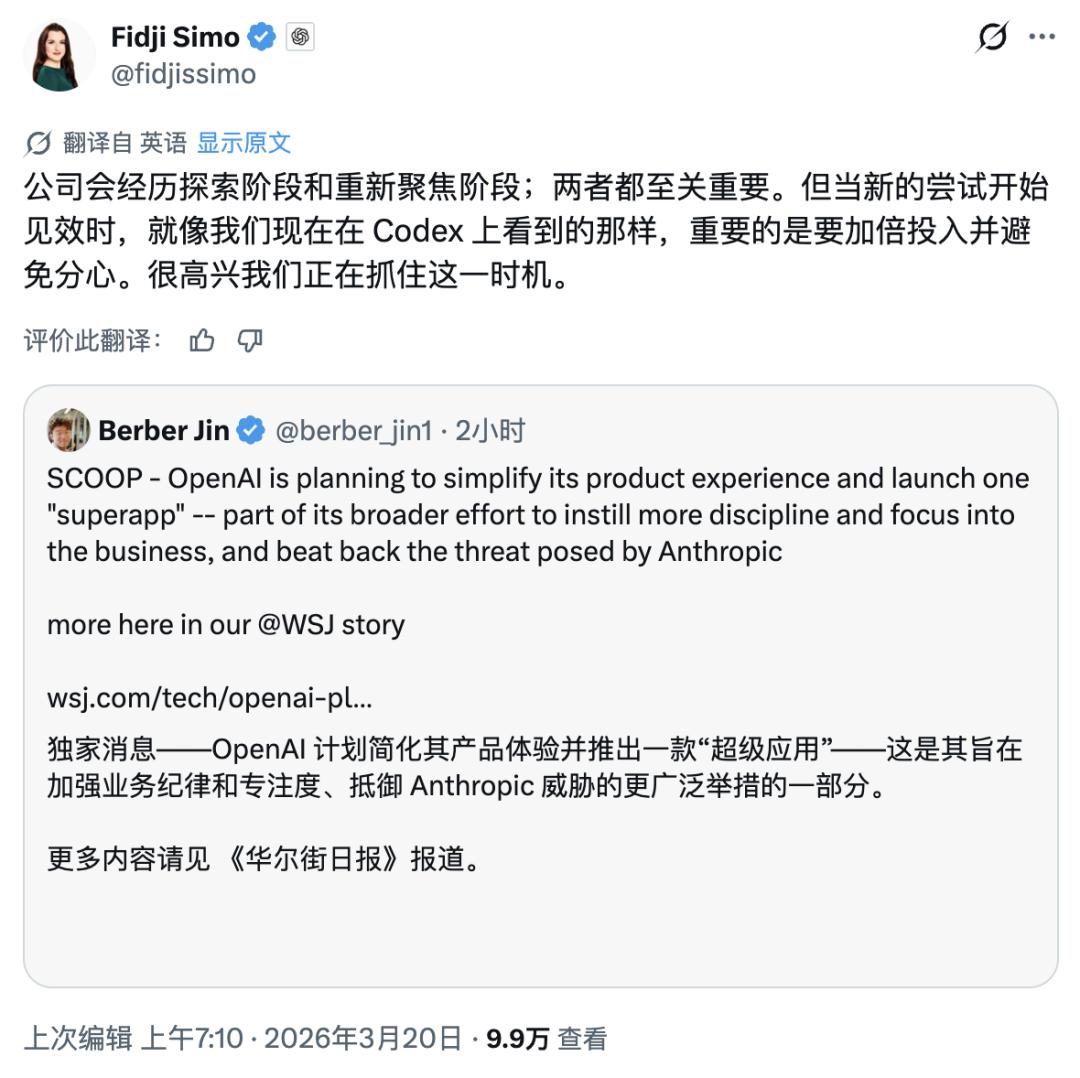
It's worth noting that Simo also shared the related report on the X platform, stating: "Companies go through exploration and refocusing phases, both of which are indispensable. When new bets start to pay off, as we saw at Codex, doubling down and avoiding distractions is the right choice."
From a user's perspective, a super app is indeed attractive.
Constantly switching between browsers, IDEs, and various AI tools is already annoying enough. If OpenAI could truly integrate coding, agent capabilities, and everyday conversations into a single window, it would be much more convenient to use.
But here's the problem. Codex users are mostly developers who want precision, control, and low interference; ChatGPT users are mostly ordinary people who want ease of use, smoothness, and instant usability. These two groups have very different definitions of "ease of use."
If you cram all these features into the same product without proper design, it's easy for both sides to feel something's off. Developers will feel the product has become cluttered and lacks focus; ordinary users might be turned off by the complex functions as soon as they open it.
A deeper concern is that Codex, as a professional brand already recognized among developers, risks having its brand identity and professional positioning diluted if it's integrated into a mass-market super app. Ultimately, a product that tries to serve everyone often ends up serving no one well.
Anthropic has demonstrated one thing: creating a good tool is more difficult and more valuable than creating a lot of fancy features. OpenAI's current challenge isn't just whether it can catch up, but whether it can preserve the details that users truly care about during the merger process.
The second half of the AI battle has just begun.
The original report can be found here:
https://www.wsj.com/tech/openai-plans-launch-of-desktop-superapp-to-refocus-simplify-user-experience-9e19931d?mod=tech_lead_story
This article is from the WeChat official account "APPSO" , authored by APPSO who discovers tomorrow's products, and published with authorization from 36Kr.