As concerns over the US-Iran military conflict showed signs of easing, global financial markets quickly stabilized. The anticipated reduction in geopolitical risks boosted investor sentiment and impacted overall asset prices.
■ Expectations of easing tensions between the US and Iran… “An agreement could be reached within 5 days”
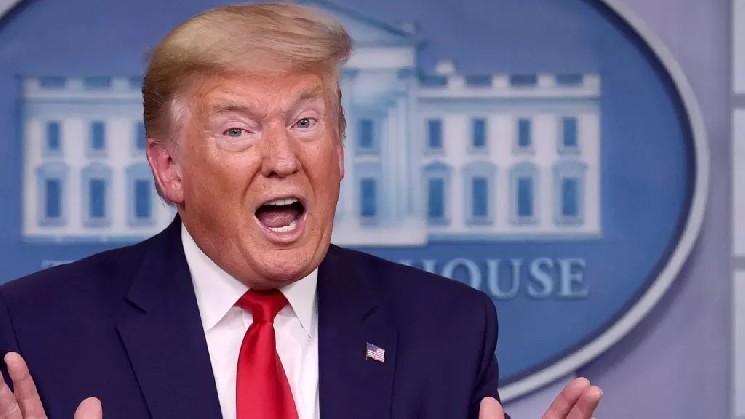
According to data from the International Financial Centre, President Trump postponed a military attack on Iranian energy facilities by five days, stating that dialogue between the two countries is progressing productively. He mentioned the upcoming opening of the Strait of Hormuz and that he was discussing key issues with senior Iranian officials, hinting at a possible agreement in the near future.
However, Iran has denied the negotiations themselves, displaying a contradictory stance. It has also refuted some media reports, calling them "fake news to lower oil prices," and the confusion continues. Despite this, the market remains focused on the progress of the negotiations, reacting with a preference for risk assets.
■ Financial market reaction… Stock prices rise, oil prices plummet, interest rates fall
The expectation of easing geopolitical risks was immediately reflected in the market.
- S&P 500: Up 1.2%
- Stoxx Europe 600 Index: Up +0.6%
- US Dollar Index: Down -0.5%
- US 10-year Treasury yield: down 4 basis points
- WTI crude oil price: Plunged -10.4% (to $88 level)
The plunge in oil prices reflected expectations of normalized crude oil supply, which in turn led to increased expectations of easing inflationary pressures and lower interest rates. This weakened the preference for safe-haven assets, causing the dollar to weaken while the euro and yen appreciated.
■ Fed internally "may cut interest rates"...war variables are key
Federal Reserve officials have also hinted at the possibility of policy easing. The president of the Chicago Fed stated that while inflation is the main risk, a rate cut is possible this year if the Middle East conflict is resolved soon. Fed governors also mentioned the need for rate cuts to support the labor market.
In other words, the future direction of monetary policy will likely depend to a large extent on geopolitical risks and energy price trends.
■ Global economic uncertainty persists in Europe, Japan, and China.
In Europe, concerns about rising prices stemming from the Middle East have intensified, with consumer confidence falling to its lowest level since 2023. This reflects the coexistence of high prices and concerns about an economic slowdown.
In response to the weak yen, Japan mentioned "using all means," hinting at the possibility of market intervention. Analysts believe that the exchange rate level of nearly 160 yen to the dollar spurred the policy response.
China's real estate market has shown initial signs of recovery after a long period of adjustment, with the possibility of stabilization by 2027 raised. However, its contribution to growth is expected to remain below past levels.
■ A structural perspective…“The United States still possesses the capacity to absorb the shocks of war”
Foreign media outlets point out that the relative stability of the US economy despite the impact of war and tariffs stems from: ▲AI competitiveness ▲Energy self-sufficiency ▲The dollar's status as the base currency. Analysts believe these structural advantages are key factors in maintaining the flow of global capital centered on the United States.
On the other hand, there are warnings that if the war with Iran drags on, global interest rates could face increased pressure due to changes in capital flows from Gulf countries.
This market rebound exhibits a typical macroeconomic path: "expectations of easing tensions → falling oil prices → stable interest rates → preference for risk assets." However, given the uncertainty surrounding the authenticity of the negotiations, the future market direction is expected to largely depend on actual diplomatic progress.