Iran rejected the 15-point peace plan proposed by the Donald Trump administration and launched its own set of conditions, indicating that the negotiating gap remains very wide.
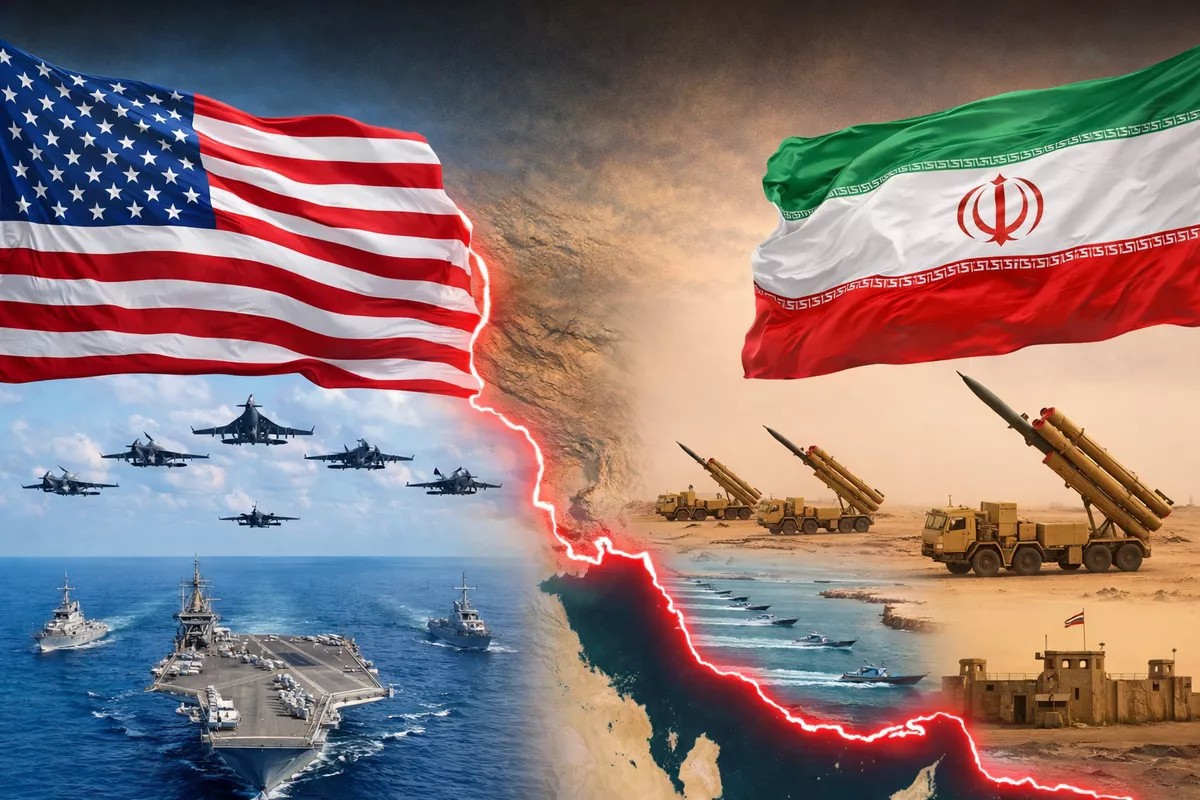
Iran sends the US a 10-point plan to end the conflict.
According to Iran's state news agency IRNA, Tehran rejected the 45-day temporary ceasefire, emphasizing the need for "a permanent end to the war and respect for Iran's core interests."
The 10 conditions that Iran sent to the US included: ending all conflict in the region, establishing a new “safe corridor” mechanism for the Strait of Hormuz, funding the reconstruction of infrastructure destroyed in the war, and, most importantly, lifting Western sanctions against Tehran.
Notably, Iran has yet to give an official response to a new peace proposal drafted by Pakistan. This plan was sent to both Washington and Tehran on the evening of April 5th.
According to CBS News, a White House official said President Trump has not officially endorsed Pakistan's proposal, but considers it one of several options being considered. This suggests the White House remains open to adjusting its strategy amid increasing pressure to end the conflict.
Trump holds a press conference on the conflict in Iran.
Speaking to reporters at the annual Easter Egg Roll event at the White House on April 6, Trump affirmed that Tuesday's (April 7) deadline for Iran to reopen the Strait of Hormuz was "final," after several previous extensions. He said Tehran's proposal was "significant" but "not enough."
"That's a big step forward, but not good enough," he said. According to Trump, the fighting could end quickly if Iran "does what needs to be done."
Earlier, in a post on the social media platform Truth Social on April 5th, US President Donald Trump announced that he would hold a press conference at the White House with members of the US military at 1 PM on April 6th US time (0 AM on April 7th Vietnam time).
In the post, the US President referred to the rescue operation for the American pilot after his F-15 fighter jet was shot down over Iranian territory.
Sources: Reuters, CBS News