When analyzing the market, first look at the big picture to determine whether it's a bull or bear market!
As long as the direction is correct, fluctuations during the process are just noise. In a bull market, resistance levels are often just a matter of "grinding through" and then being overcome. The key is not to focus on resistance, but to distinguish whether the current situation is a continuation of the trend or a structural reversal—this step determines profit and loss.
Returning to the current market situation:
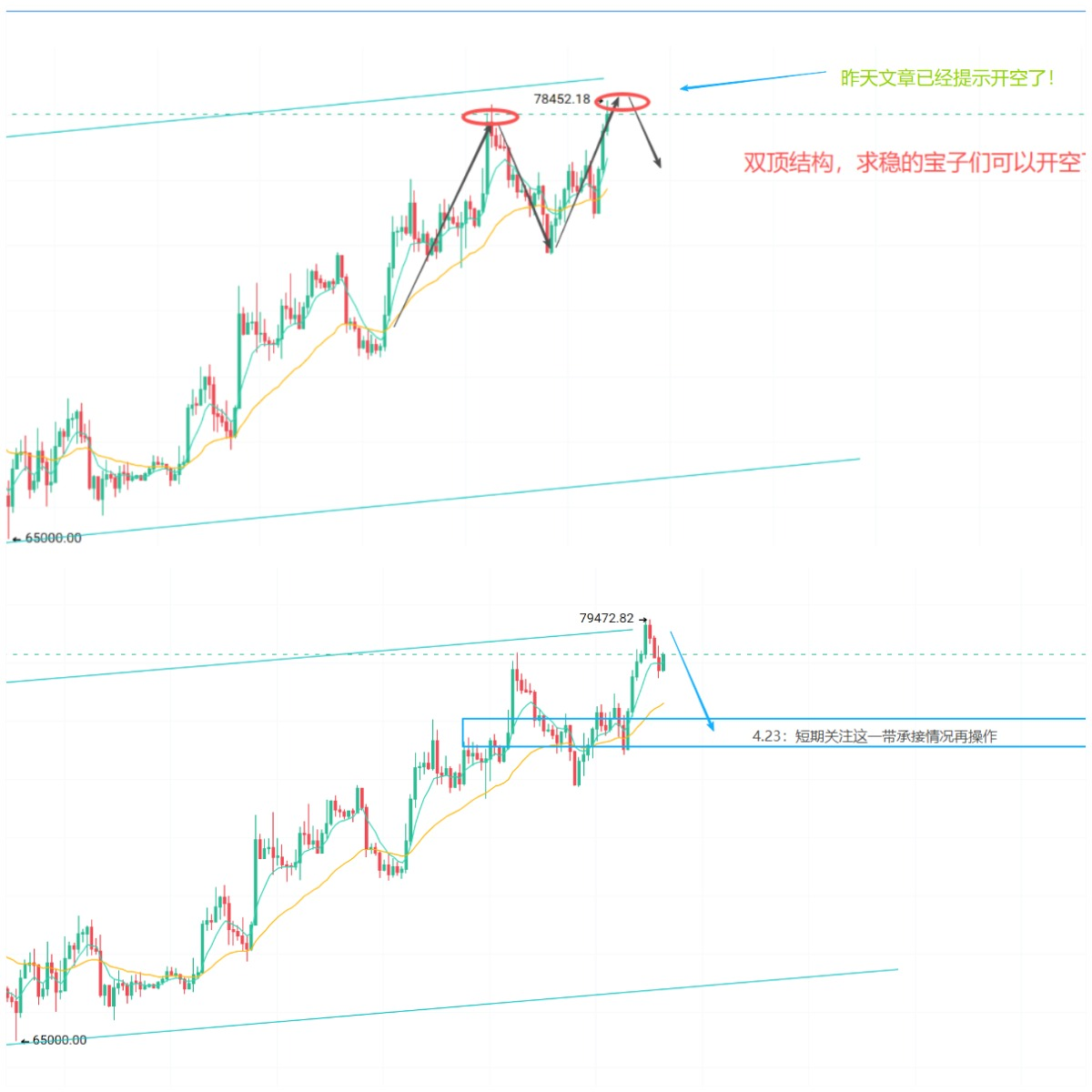
Bitcoin (BTC) is currently in a critical phase of range-bound trading. The area around 80,000 is a short-term watershed. If it fails to hold above this level for an extended period, it will likely experience a temporary pullback before accumulating strength for an upward move. Conversely, if it breaks through with significant volume and holds, the upside potential will open up, with targets potentially reaching even higher levels.
The support structure below remains clear. In the medium term, the key area to watch is 70,000-72,000, while in the short term, pay attention to the support level around 75,000-76,000. The overall pattern is more of a "pullback-re-charge" path than a one-sided straight upward movement.
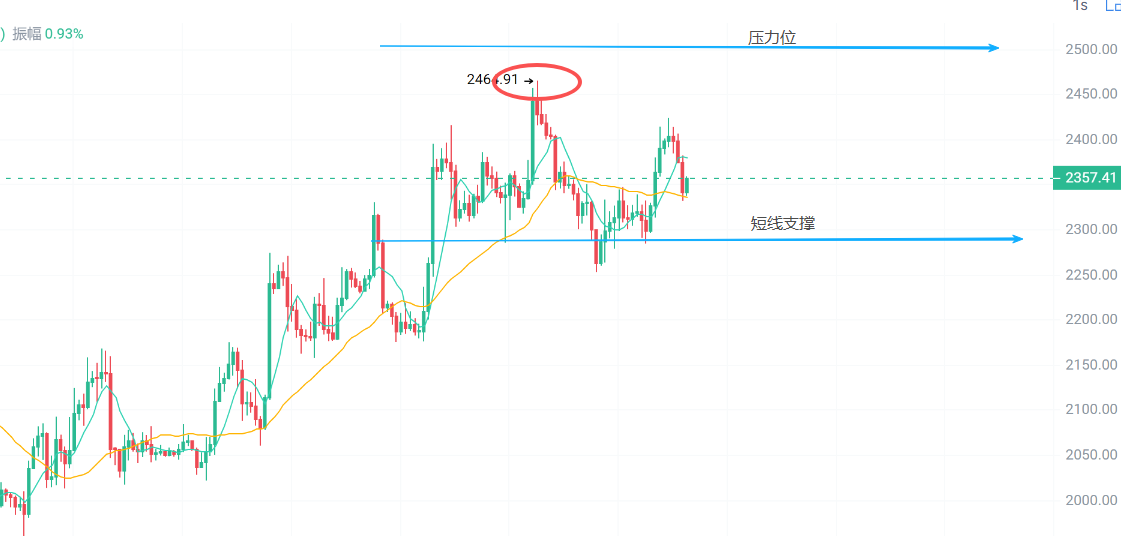
Ethereum (ETH) has been relatively weak, with insufficient rebound strength, failing to effectively reach the key resistance level above. Within the current range, the upper resistance remains at 2500-2600, while the medium-term support level is at 2050-2130. A pullback to this area would actually present a more significant opportunity. In the short term, the 2260-2300 level is the first line of defense; a break below this level would open up further downside potential.
The altcoin sector as a whole continues to follow market trends, lacking independence and exhibiting significant divergence. A few sectors remain stable, but most are still swayed by mainstream cryptocurrencies. Going forward, it's worth paying attention to the inscription trend, as increased participation from overseas funds may lead to periodic hot spots.
The best approach right now is to follow the overall trend and control the pace, which is more important than frequent trading.
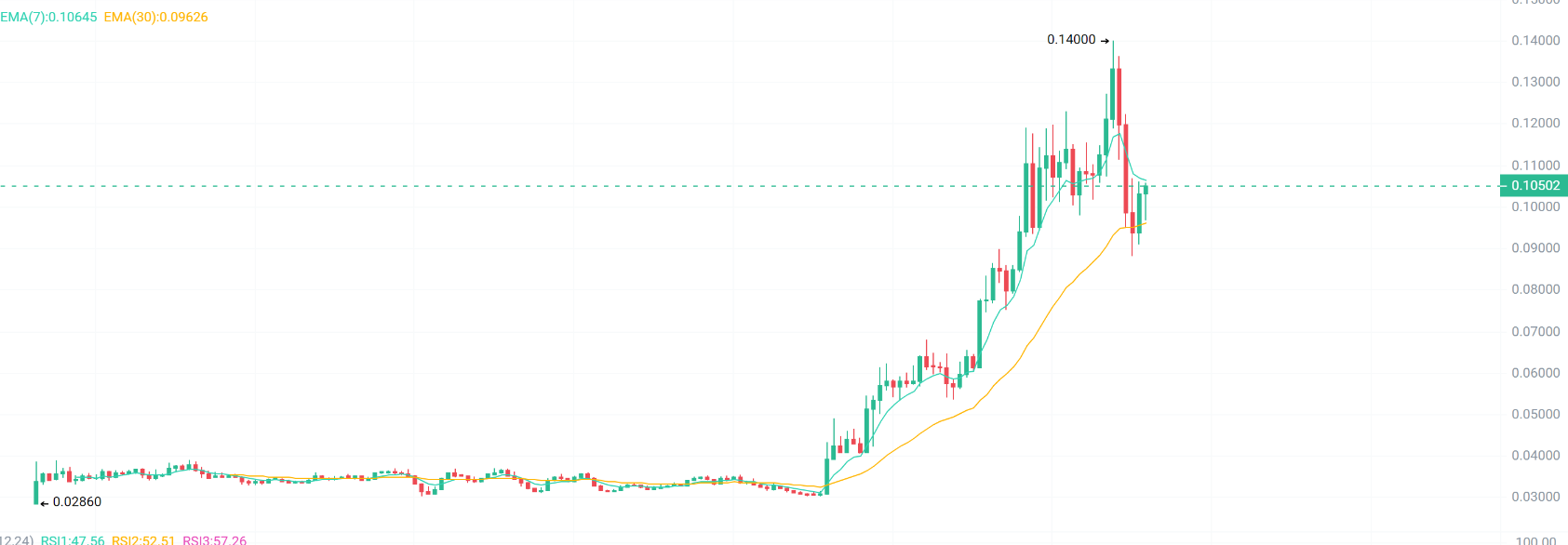
Yesterday's article discussed the logic behind "monster coins," and CHIP has validated it again today. The opening surged, fueling a frenzy of sentiment, but a closer look at the structure reveals a more interesting picture: the project was developed by an institutional backer, with on-chain staking and interest payments all being real money, indicating it's not a makeshift operation; however, the mainnet has extremely high barriers to entry, making staking virtually impossible for ordinary users. The vast majority of retail investors can only speculate on prices in the secondary market, essentially making it a game of "sentiment + liquidity." Only a few large investors can reap stable returns, while the rest gamble on volatility. This structure naturally makes it prone to extreme market movements.
The recent Aave incident has led many to become pessimistic about DeFi, but from another perspective, it's more like a stress test. Open systems like Uniswap are more vulnerable to amplification and attacks, but precisely because of this, projects that survive are often more stable. Ethereum's value lies in providing a fertile ground for continuous trial and error and evolution—projects may be eliminated, but the ecosystem never stops growing. Of course, while this understanding is important, it's crucial to respect the risks in practice, especially with high-leverage structures like lending and staking, which essentially amplify system volatility.
Let's look at a few more counterfeit structures:
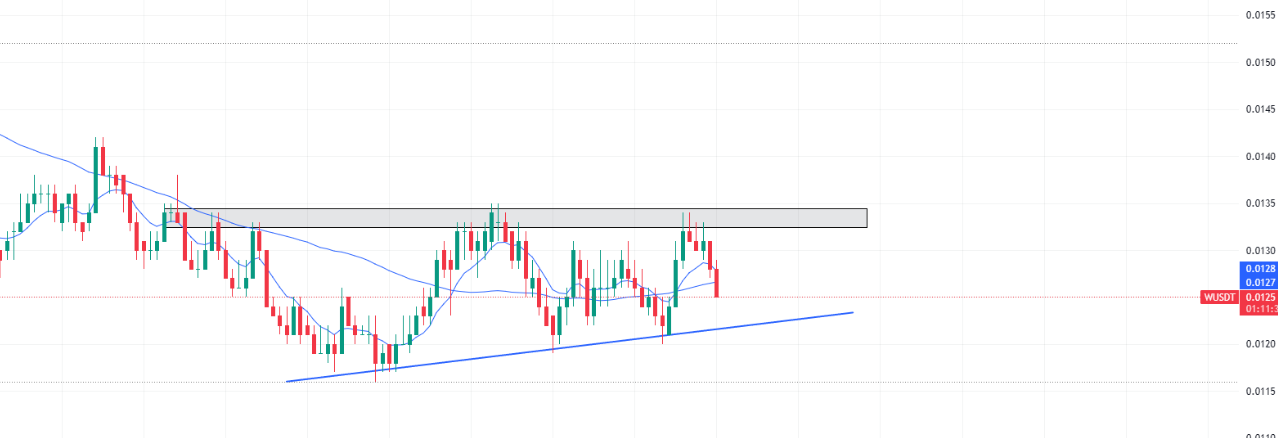
$W has formed an ascending triangle pattern with continuously rising lows, indicating accumulating buying pressure. As long as the trend line holds, the outlook remains bullish. We can pay attention to pullbacks or breakouts.
Binance Life has completed a significant upward move and is currently closer to a high-level consolidation phase. It's more likely to follow the pattern of TAO – falling back to support levels and then fluctuating repeatedly – rather than experiencing an extreme flash crash like RAVE.
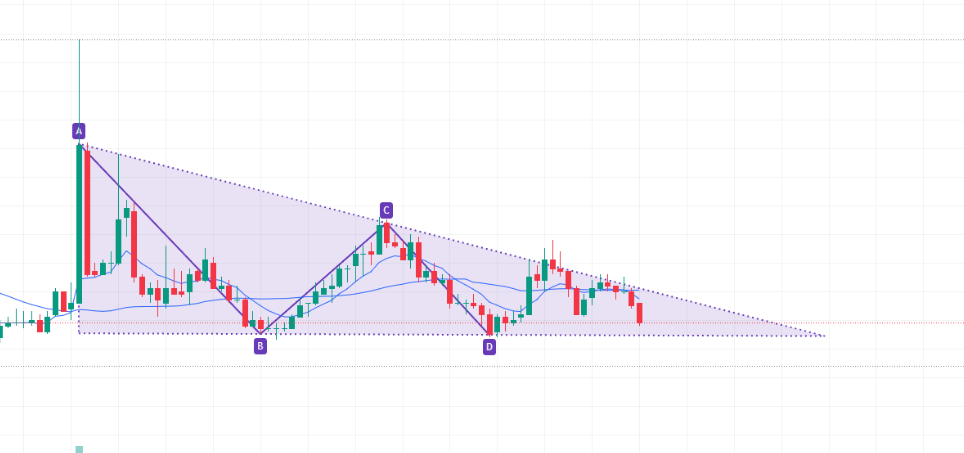
The $ID indicator is showing a descending triangle pattern with continuously decreasing highs and significant bearish pressure. If it breaks below the key support level, it may open up a new round of downside potential. Conversely, if it rises back above the trend line, the weak structure will be broken.
Overall, the current market remains structurally driven: stocks with ample funding and strong market control are prone to explosive growth, while projects lacking support are quickly eliminated. The key is not chasing hot topics, but understanding what the funds are doing.
Cryptocurrency markets are highly volatile; caution is advised when entering the market. This is just my personal opinion, not advice, and is for sharing purposes only.
Contact me via WeChat: Mixm5688 or QQ: 2234099968