Source: Thor Hartvigsen
Compilation: Leo, BlockBeats
Scalability has always been the focus of the industry. It just so happens that the blockchain is currently facing the "triple dilemma of scalability". Decentralization presents a solution, and modular blockchains are becoming a mainstream narrative, crypto KOLThor Hartvigsen wrote an article on "Modular Blockchains and Their Intrinsic Value", compiled by BlockBeats as follows:
PART 1: Start with basic concepts
Questions to improve today:
- Trustless cross-chain communication
Rollup scalability when the number of transactions grows large enough
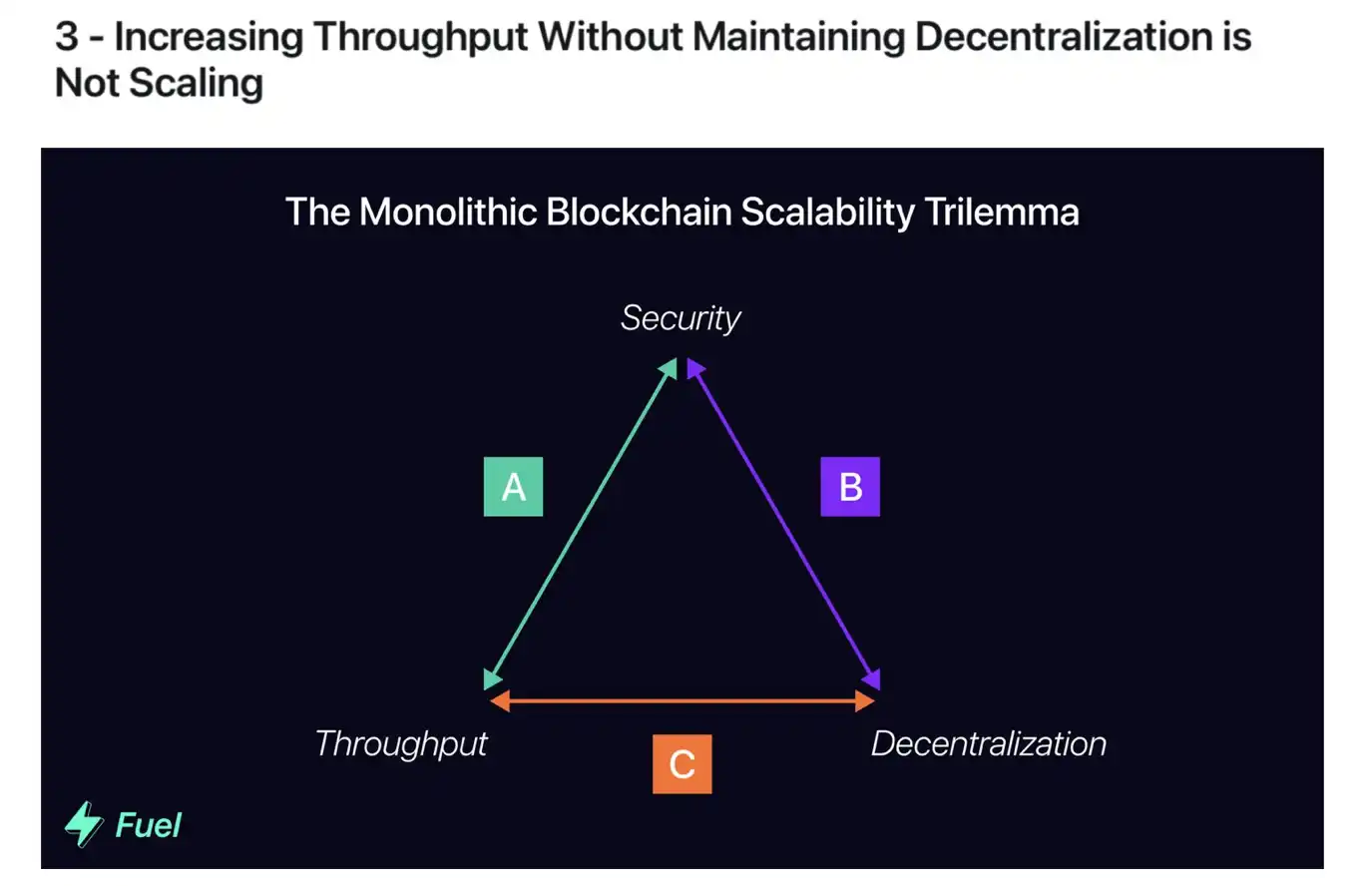
-Maintain a high level of security and decentralization while targeting increased throughput (blockchain triple dilemma)
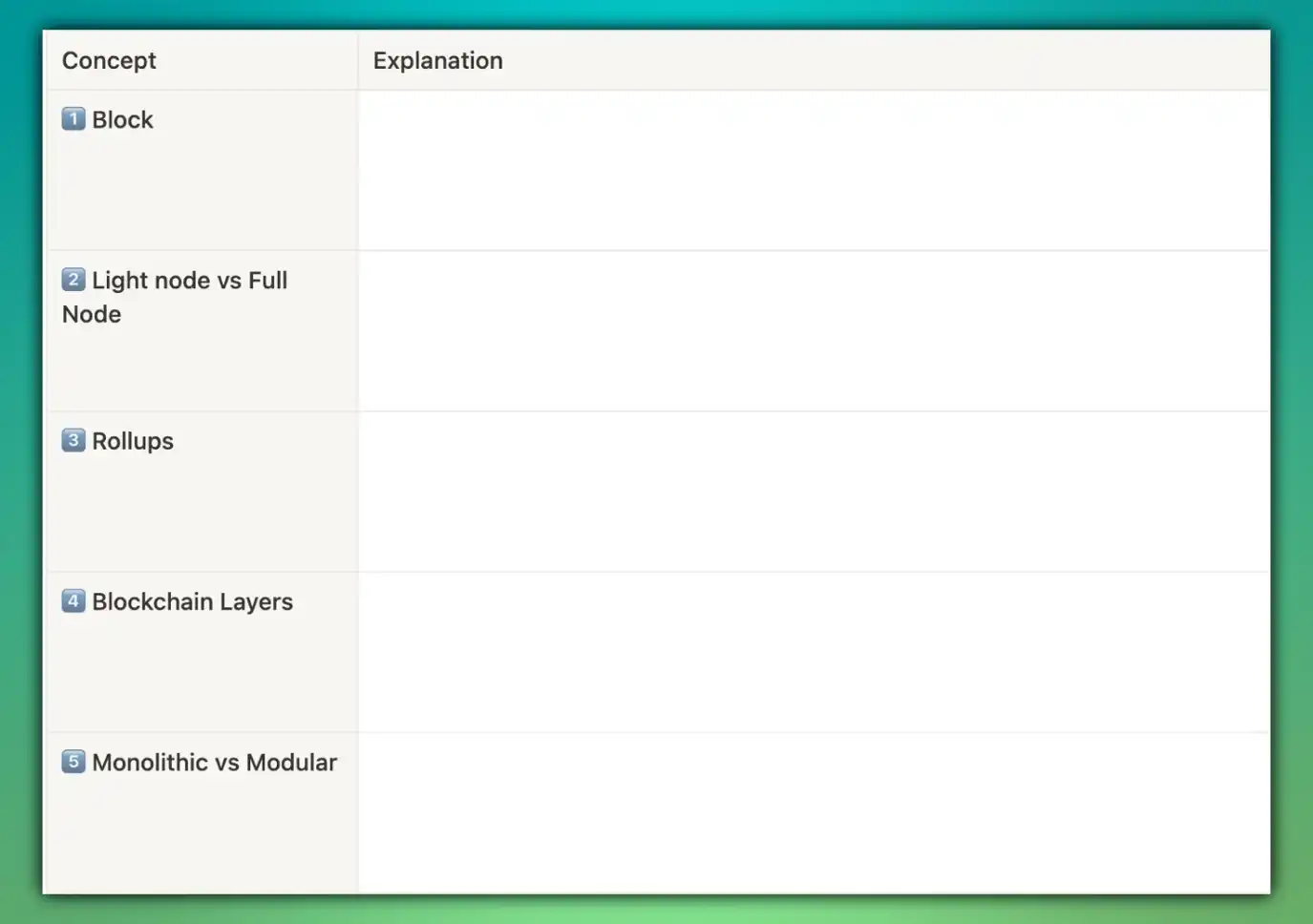
First of all, in order to ensure a thorough understanding of these concepts, we have to establish some terms, as shown below:
block
A block is an integral part of the blockchain. A single block consists of two components: block header block body. The header contains data such as the hash and timestamp of the previous block, and the body contains all transactions in the block.
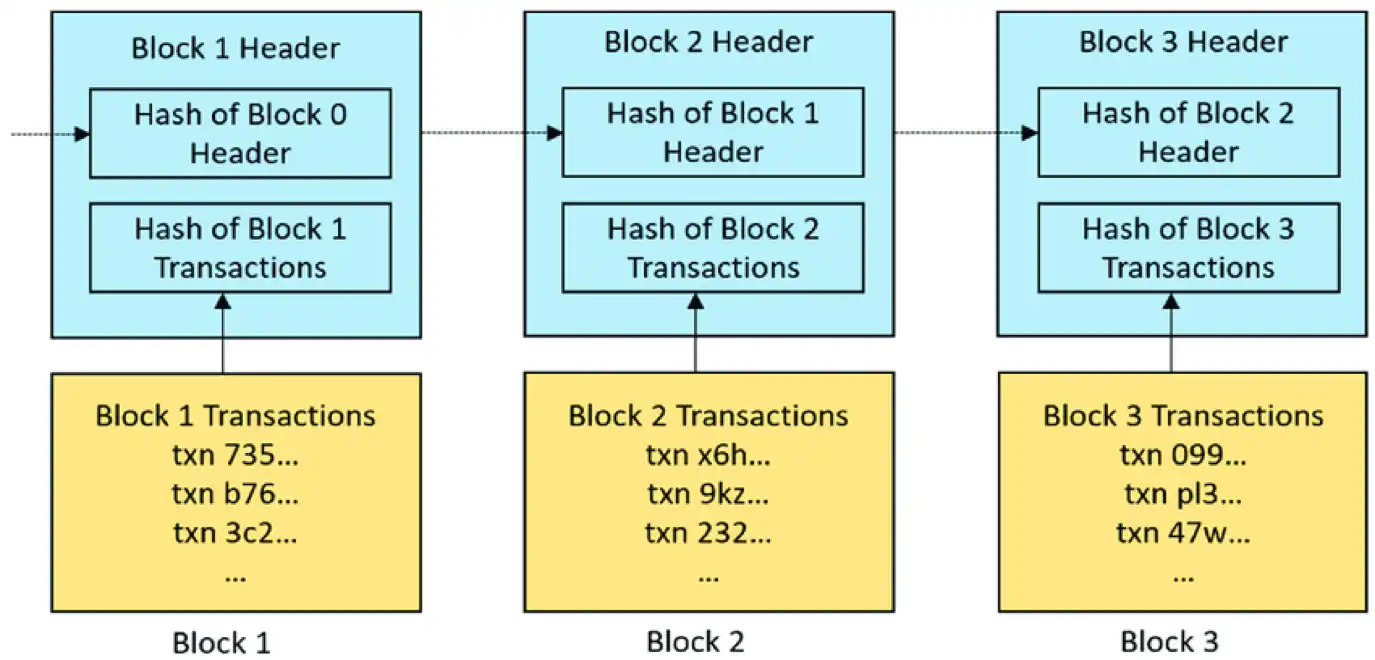
A popular scaling strategy on the market is to have larger blocks (Solana).
Larger blocks = increased throughput, but there are some issues at the level of decentralization.
Larger blocks = more data required by nodes, few people can afford more expensive hardware that can carry huge data.
node
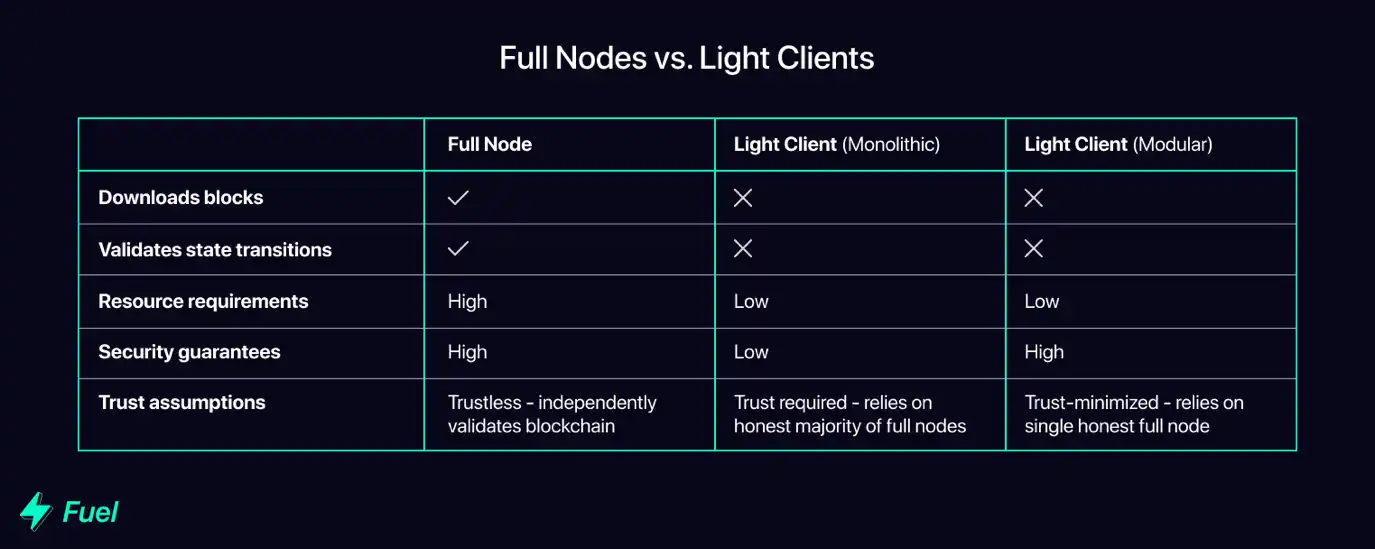
A complete node needs to store the entire blockchain and all transactions that have been made since the first block. In order to transact on the blockchain, it needs to ensure consensus, ensure that data is available, and that the block is valid.
light node (light client)
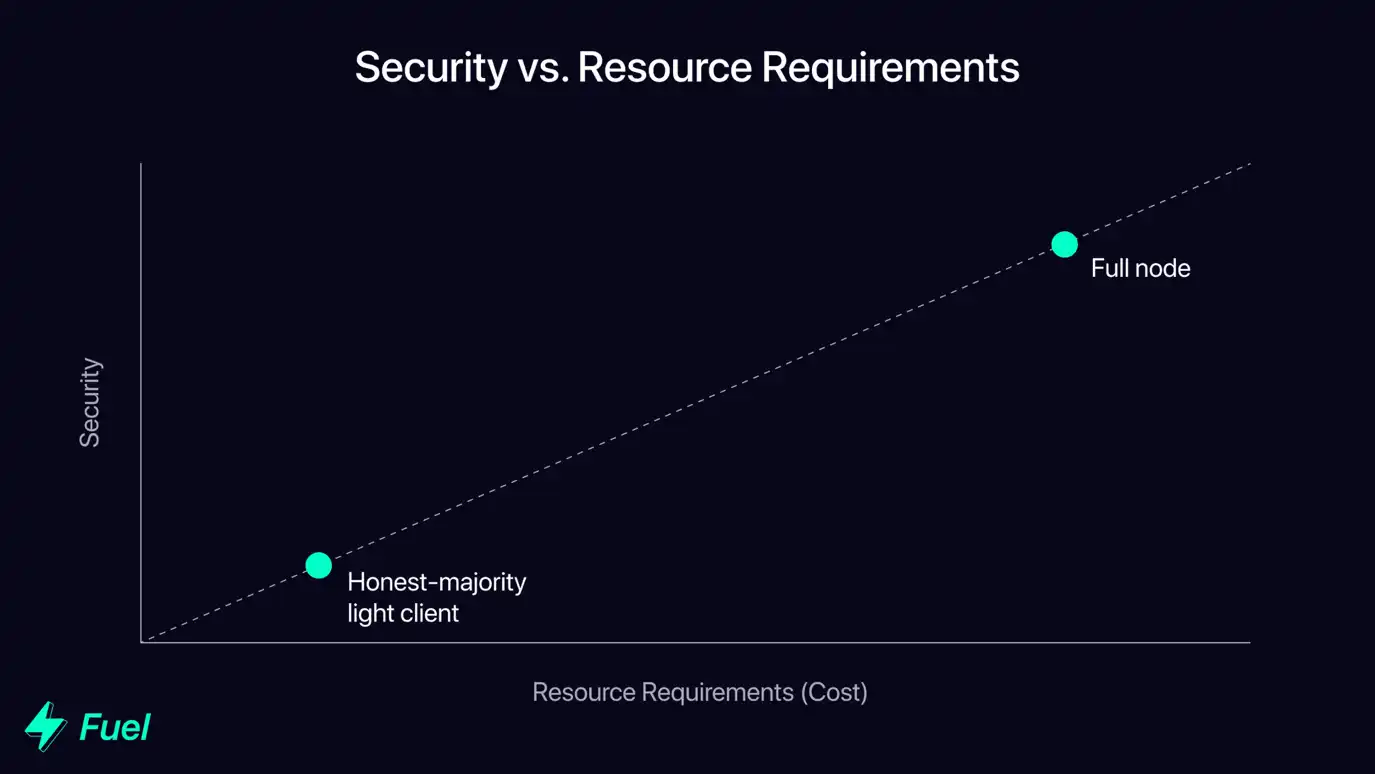
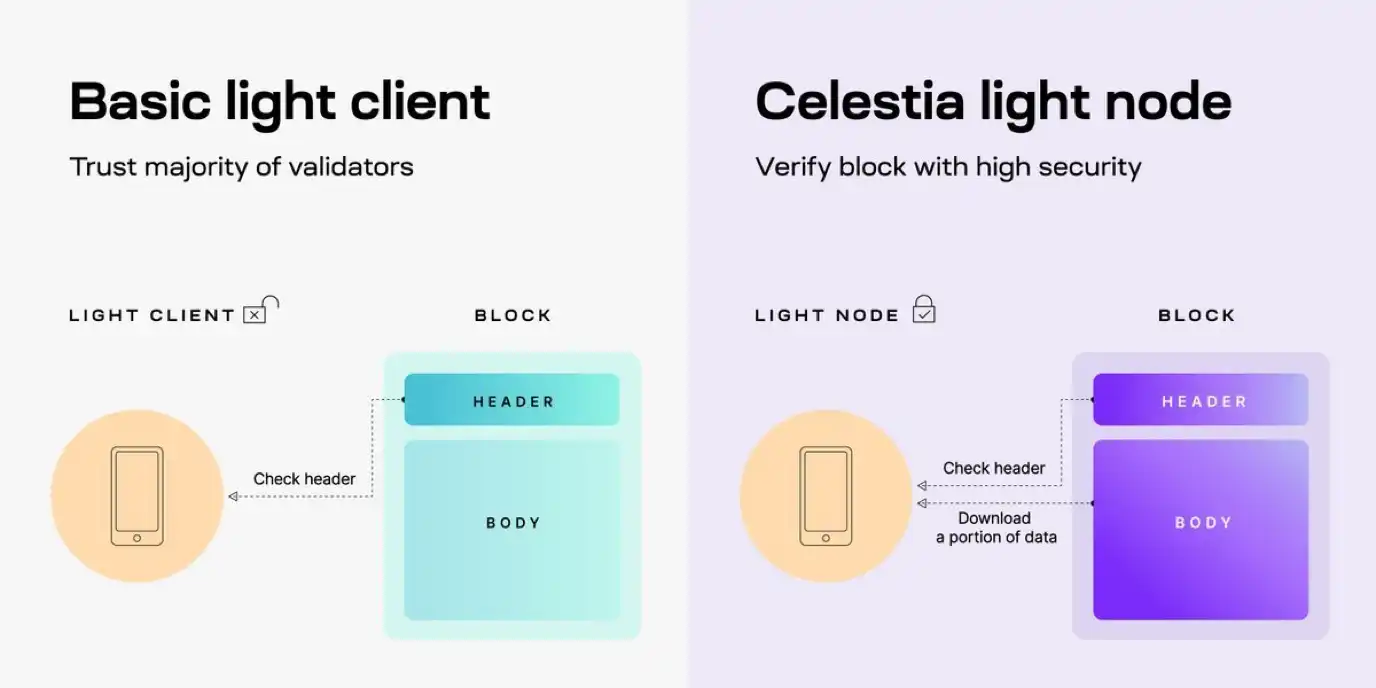
Light nodes are used for Rollup and outsource most of the work to full nodes. They do not verify transactions, but check whether each block has consensus and whether the block data is available for the network. Most light nodes rely on "majority honesty" Assumption", assuming that most of the participants (like validators) are honest, light nodes require less hardware, more nodes, but overall weaker security (sometimes).
Rollup(on Ethereum)
Rollup/L 2 is a chain built on top of Ethereum, using the Ethereum main network as the settlement layer, Rollup can be considered as a separate execution layer, and returns the transaction package to the main network for verification.
There are currently two Rollup: Optimistic Rollup and ZK Rollup.
Blockchain layer:
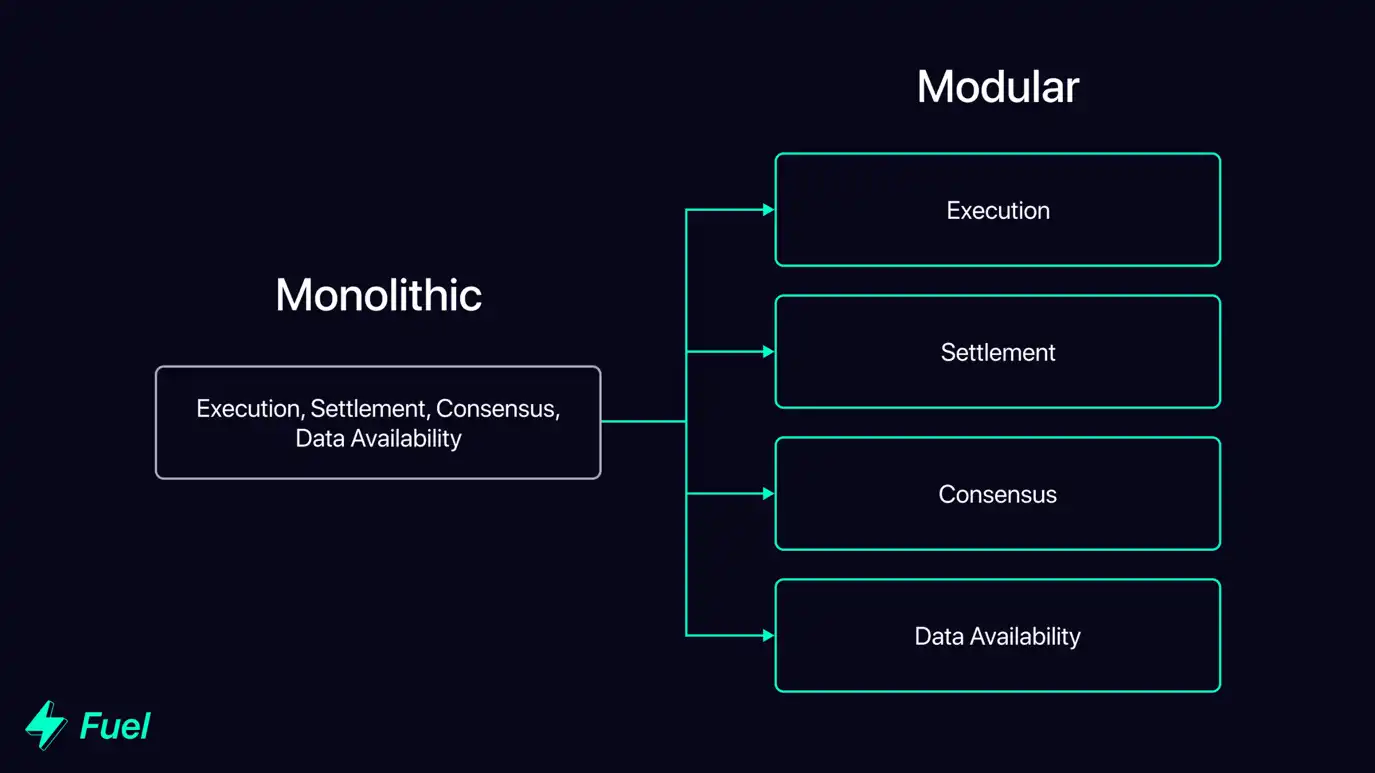
The blockchain can be divided into 4 layers: - Execution layer, which provides an environment for Dapp and processes transactions in it;
- Data Availability Layer: Nodes receive blocks from block producers and check if data (transactions) are publicly available
-Consensus layer: determine the order of transactions
- Settlement layer: decides the actual state of the blockchain (eventually)
monolithic and modular
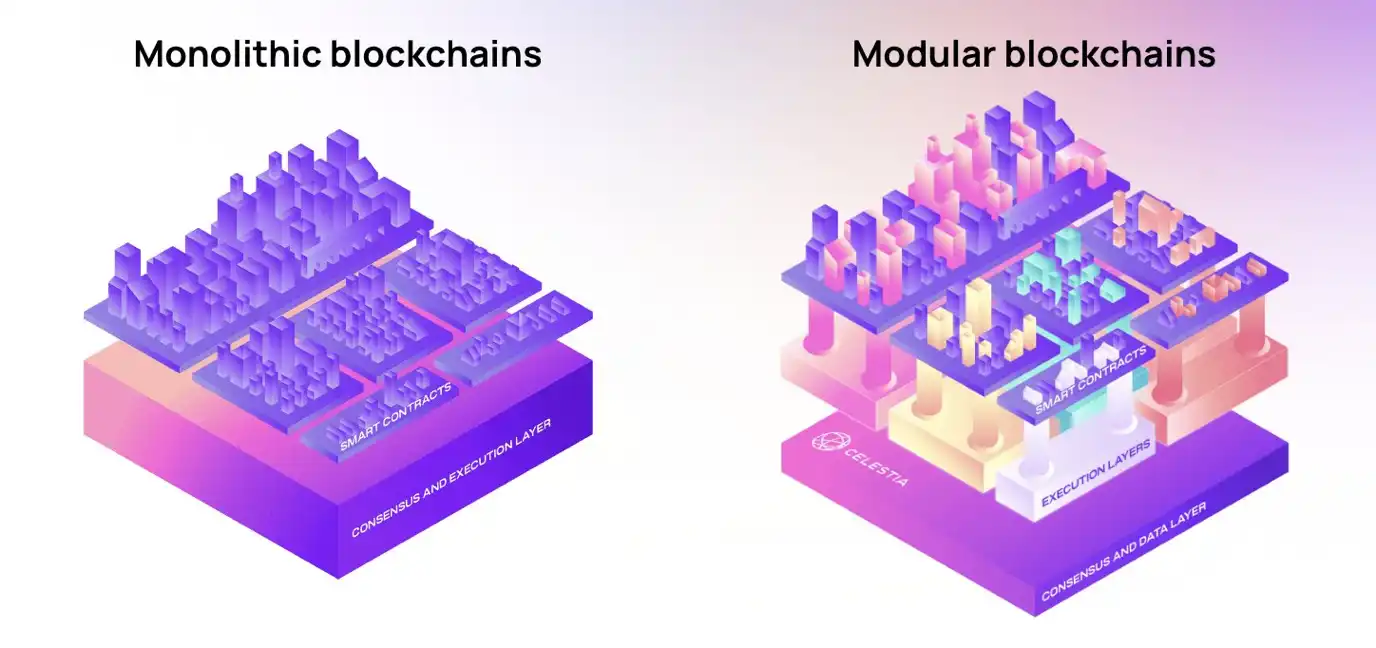
A monolithic blockchain is a chain of all the above 4 layers, so a monolith needs to handle all of the above, Ethereum and most other blockchains you know.
Modular blockchains are chains that outsource one or more of these 4 layers to external chains, and since modular blockchains can focus on specific elements, new levels of scalability can be achieved.
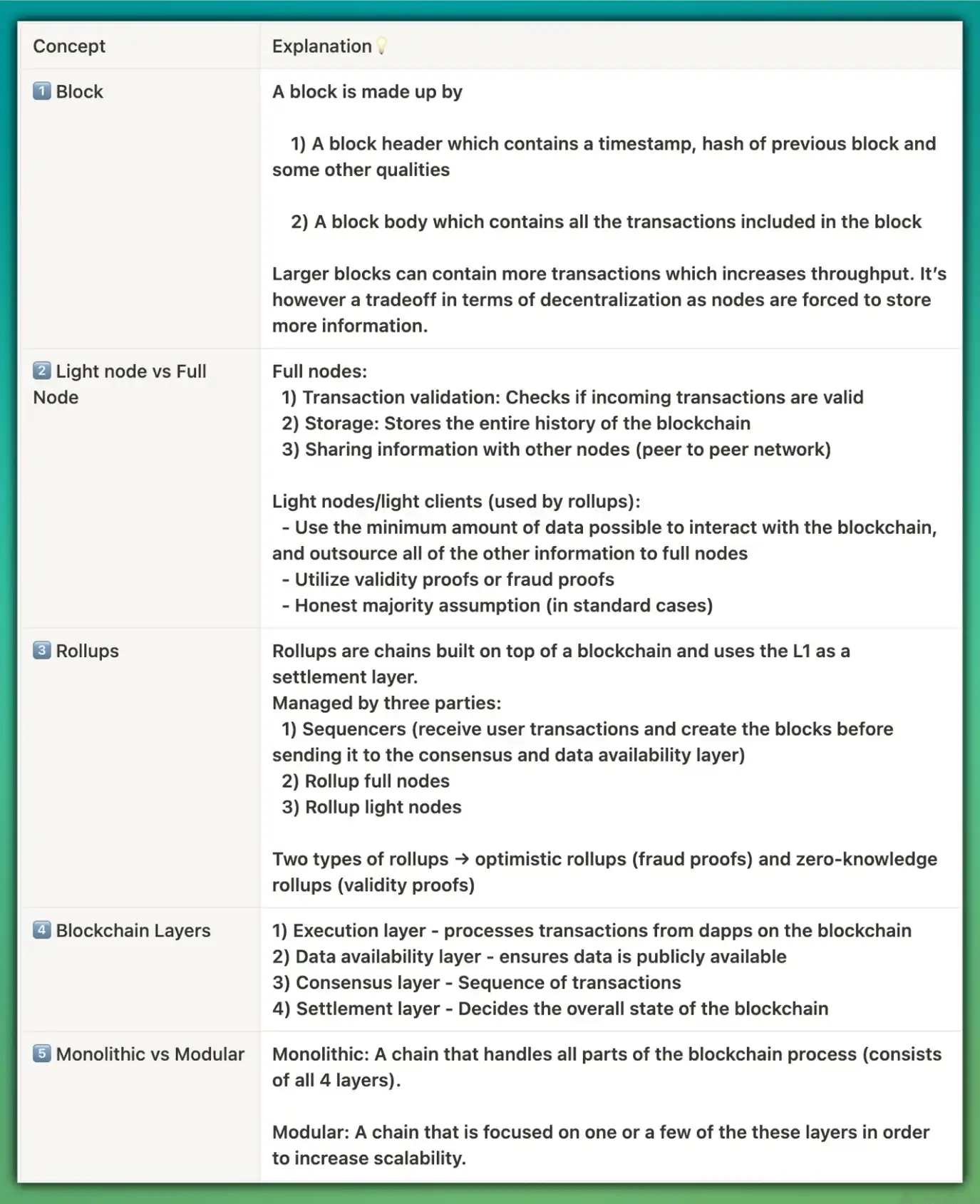
The above explains some basic concepts, which are summarized in tabular form as follows:
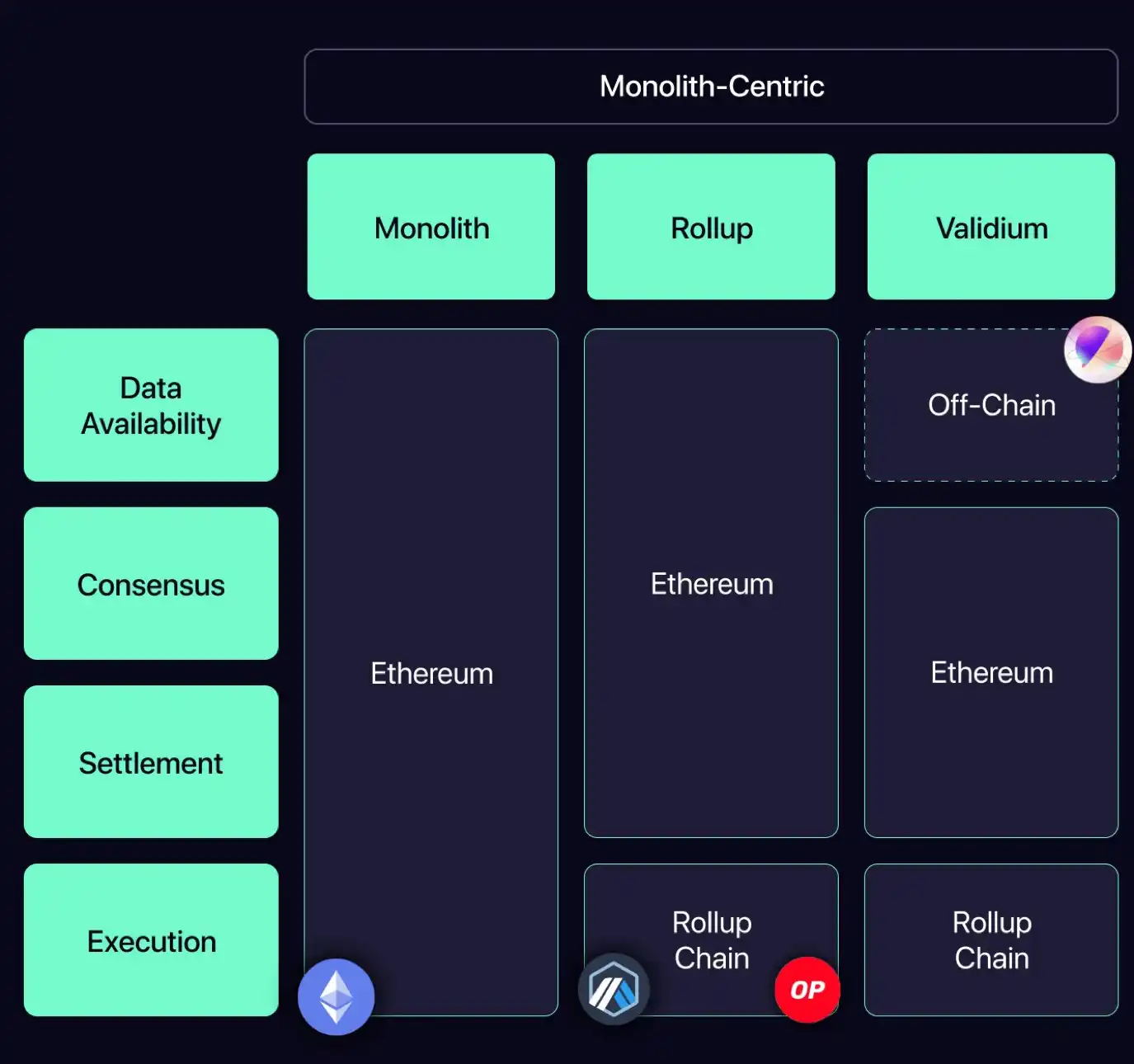
The current Rollup on Ethereum (such as Arbitrum, Optimism) acts as the execution layer, and implements the data availability layer, consensus layer and settlement layer through the Ethereum main network. These Rollup will use "on-chain data availability" to publish data to the specified L 1 (Ethereum).
On the contrary: Rollup with "off-chain data availability" publishes its data to other locations than the specified L 1, Rollup can still use Ethereum as the settlement layer, but Celestia publishes data in this way (off-chain data availability) as Data availability layer.
The following are different types of Rollup structures on Ethereum:
-Monolith=Ethereum Mainnet
- Rollup= e.g. Arbitrum, Optimism (acts as execution layer and uses Ethereum for others)
-Validium="Off-chain Data Availability Rollup", such as Celestia
PART 2: Learn more about Celestia
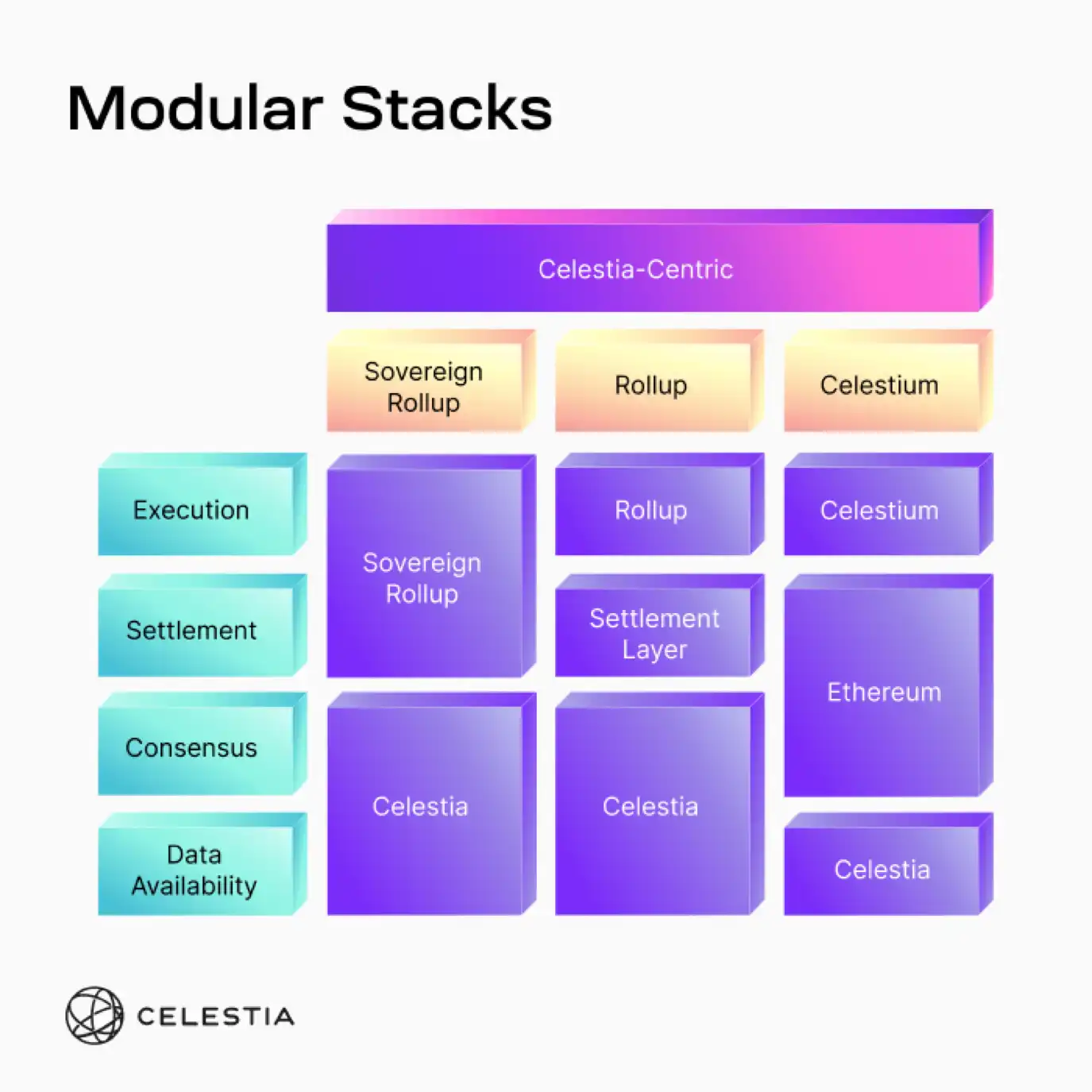
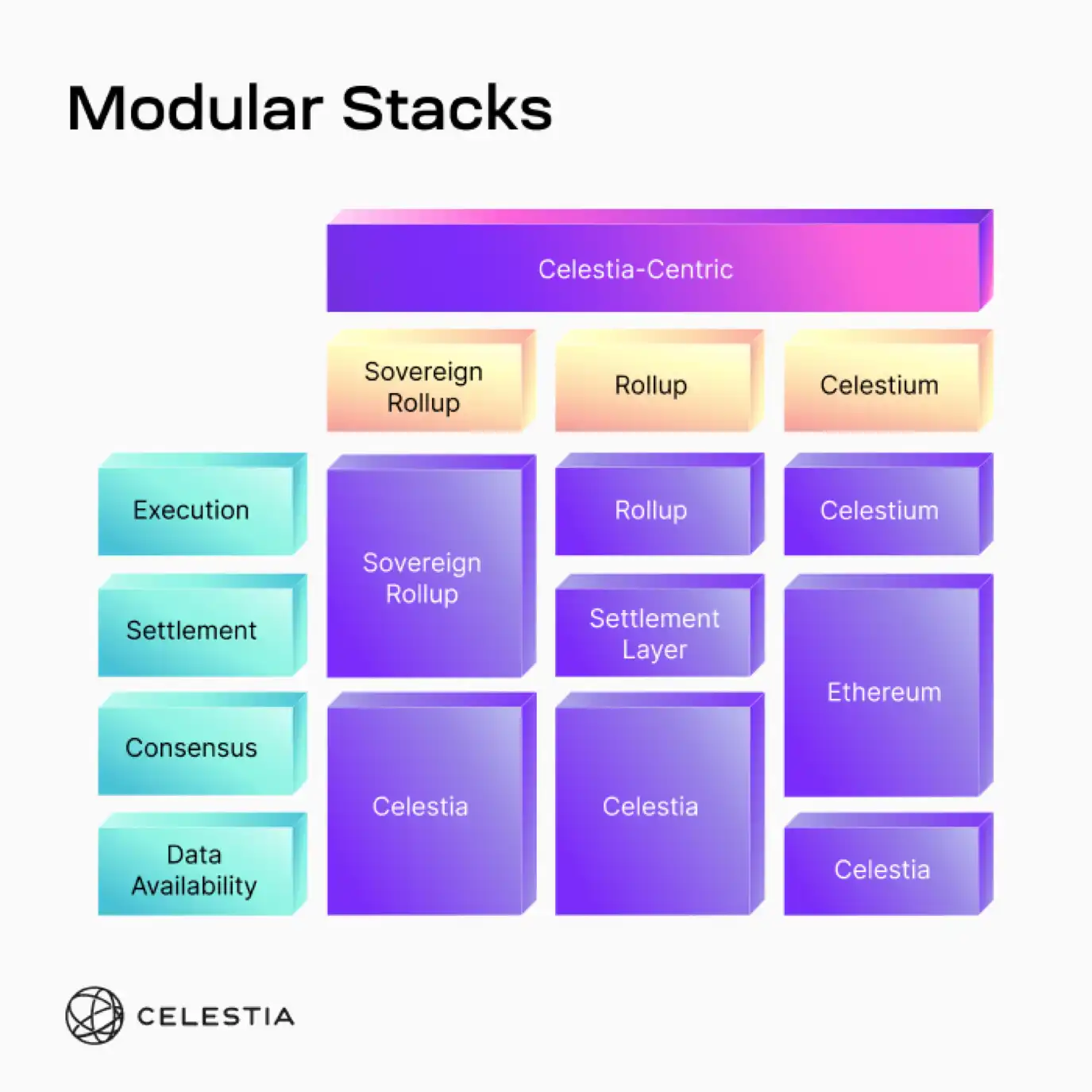
Celestia is a modular blockchain network. The blockchain and Rollup of all VMs (not just EVM) can use Celestia as the data availability layer and consensus layer. As shown in the figure below, Celestia provides different solutions for modular expansion. Such as "Sovereign rollups, Celestium, etc."
First, you need to have a deep understanding of the "data availability layer"
Data Availability: As a node, which receives a block from a block producer, it needs to verify that the data is public (published) in order to add it as the next link in the blockchain.
Data Availability Issues: Occurs when data is retained.
Specifically, the block generator will not reveal the data of the new block (during a data hiding attack), the node suddenly cannot approve the block because it cannot read the data, which is a common problem in Rollup .
Introduction to Data Availability Sampling (DAS):
Light clients (which I covered earlier) can verify data availability without downloading all the data, light clients run small samples of the data, each time gaining 50% certainty that the data is actually published.
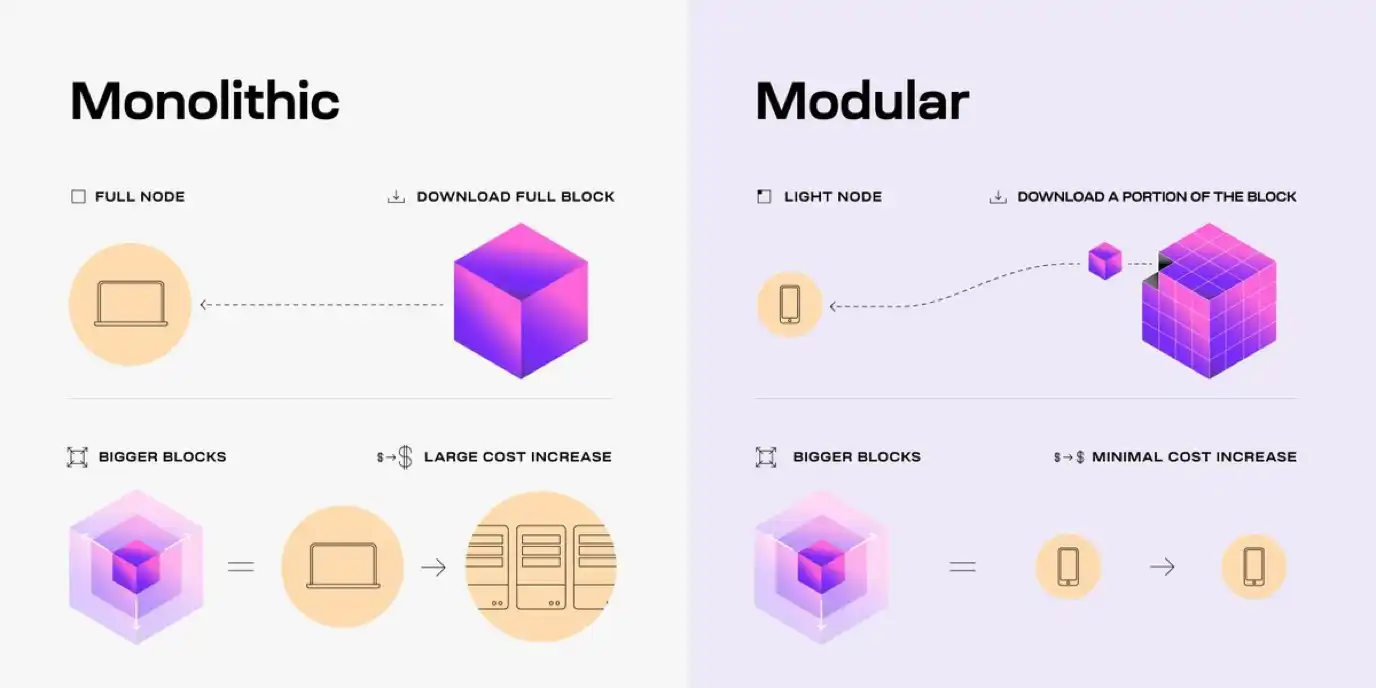
In many cases, light nodes only need to download less than 1% of the data to ensure that 99% of the data is published, which is a big improvement!
Going back to light clients, I said earlier that light nodes are much less expensive in terms of hardware requirements, but because they rely on the "majority honest assumption", they are less secure.
So what about light clients with "few honest assumptions"?
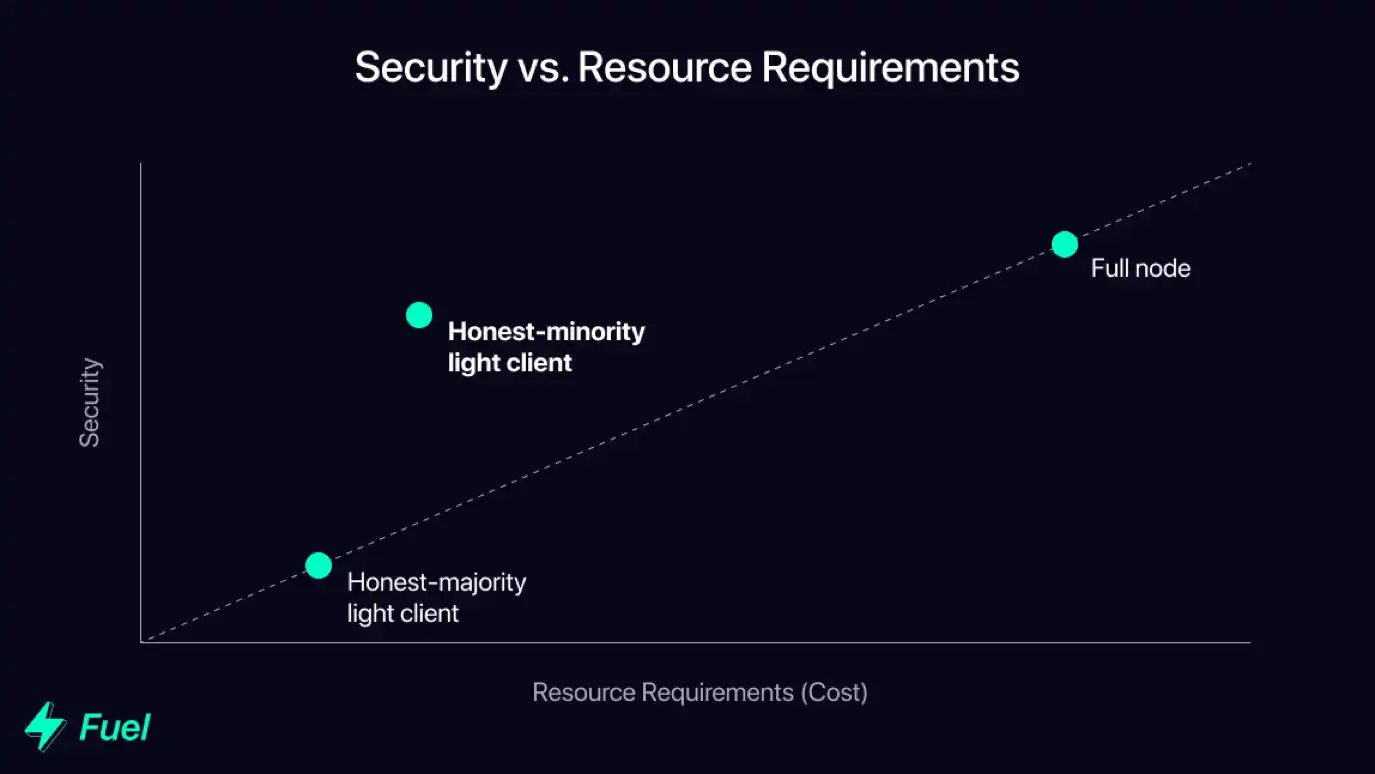
For example, Celestia's light nodes use data availability sampling by downloading a small portion of data. They rely on "minority honesty assumptions" (assuming that a small number of blockchain transactions are honest and follow the rules of the protocol), which can greatly improve security.
The figure below shows the comparison of different nodes and clients
Now let's look at the different solutions of Celestia:
-Sovereign Rollup
- Sovereign Rollup itself handles the execution layer and the settlement layer, instead of using Ethereum as the settlement layer like Arbitrum and Optimism.
Advantages of Sovereign Rollup :
- Greater freedom over the execution environment
- Does not share computing resources
- Hard fork possible after something goes wrong
Sovereign Rollup are more similar to L 1 and can be bridged to other Sovereign Rollup and settlement layers.
Cluster
Blockchain Cluster is a group of blockchains and Rollup that can communicate with each other in a "trust-minimized manner". A trust-minimized bridge is a bridge between two chains that does not require a middleman or a majority of honest assumptions to ensure the security of funds .
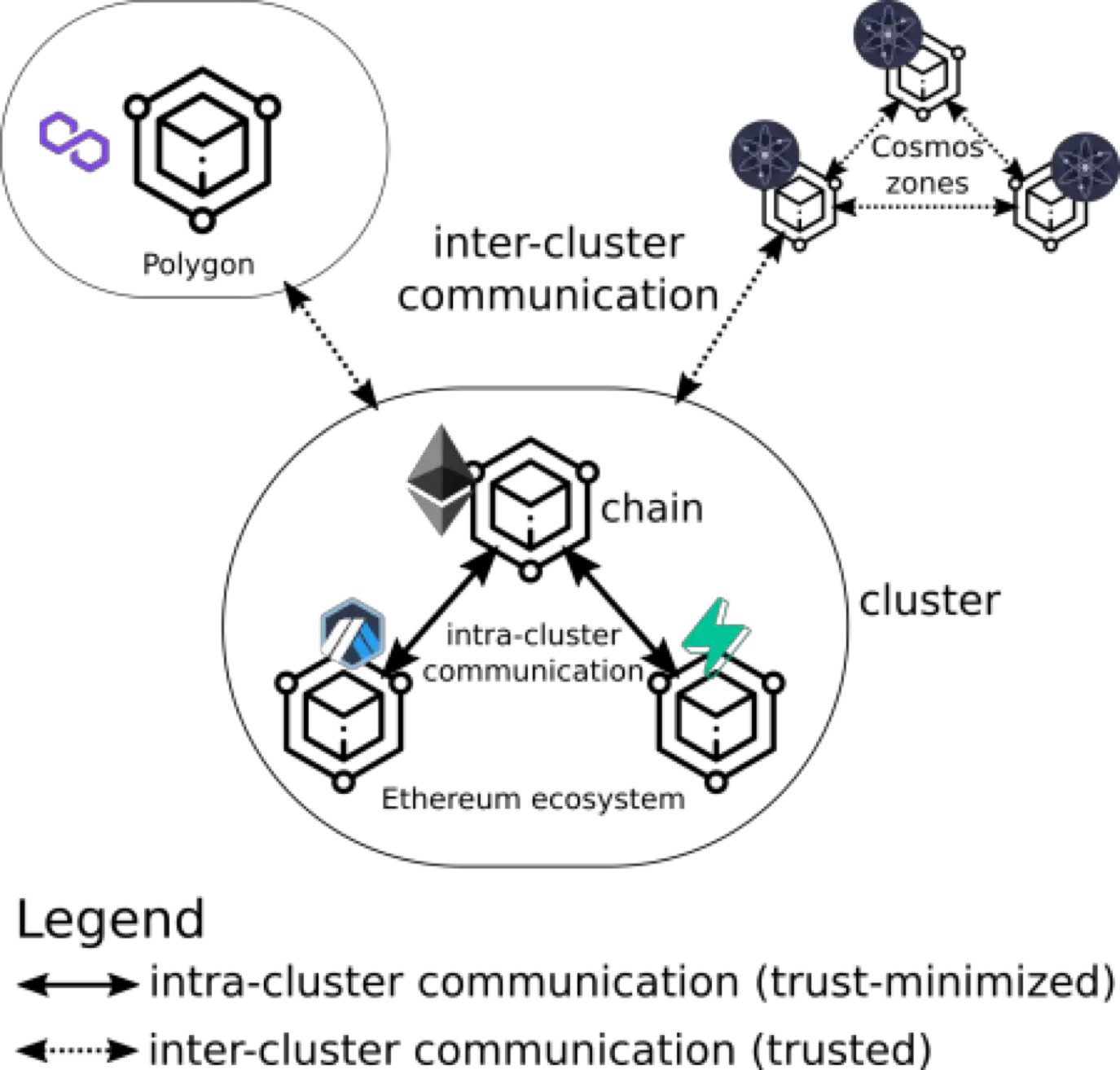
An example of a Cluster is Ethereum with its Rollup(L2) or the different chains in the Cosmos ecosystem that are capable of intra-cluster communication (trust-minimized bridges instead of trusted bridges).
Here's everything integrated with Celestia:
Trust-minimized communication (intra-cluster communication) requires "few honesty assumptions", which is what Celestia exploits, and light nodes can use data availability sampling. Trust-minimized bridges are much more secure, forming chained "clusters" and "intra-cluster communication", so Celestia provides the key part for Rollup to form clusters and communicate in a trustless manner.
Celestia Quantum Gravity Bridge and Celestium
The Celestia Quantum Gravity Bridge is a data availability bridge between Ethereum and Celestia that allows L2 "off-chain data availability" on Ethereum (Rollup using Celestia as the data availability layer).
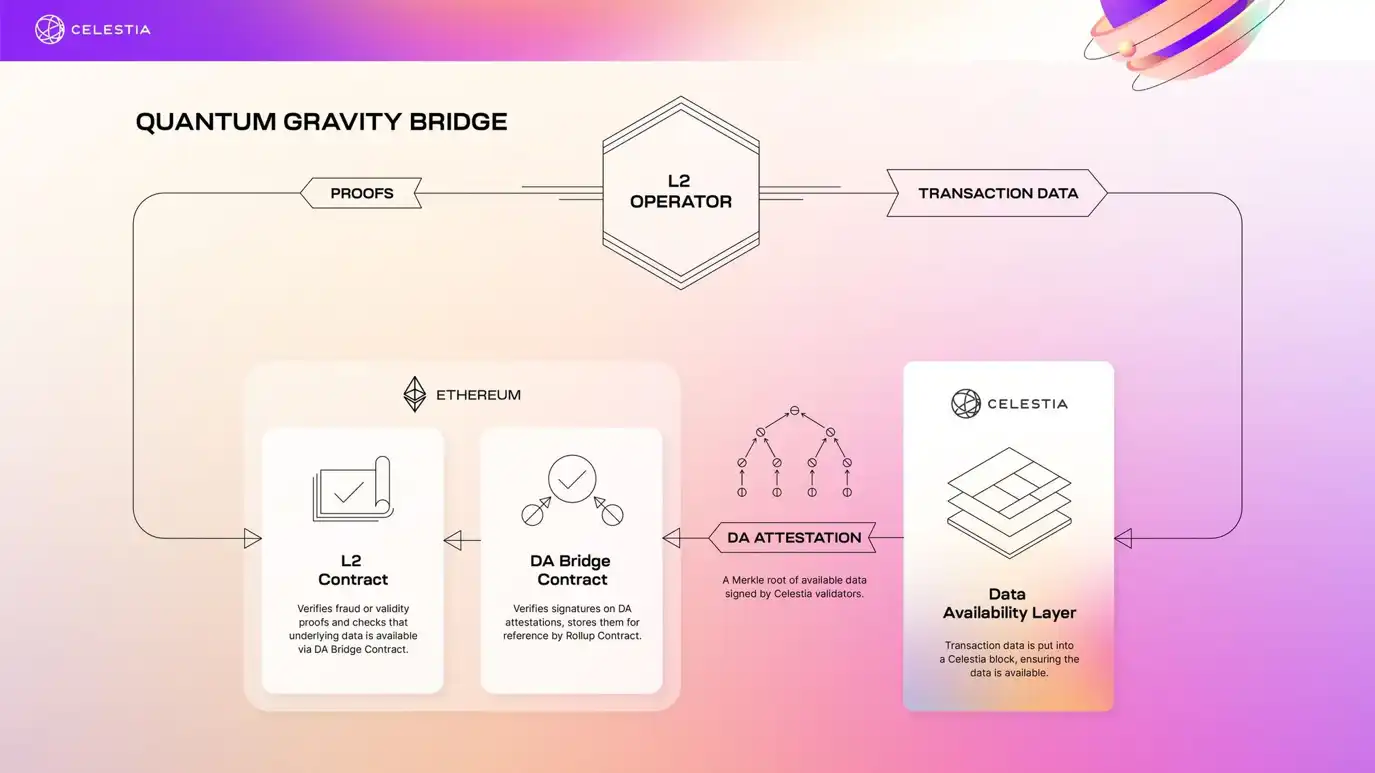
Celestium is an L2 Rollup built on top of Ethereum. It uses Celestia instead of Ethereum as the data availability layer, and still uses the Ethereum mainnet for settlement and consensus. Other L2s can follow suit to improve their scalability.
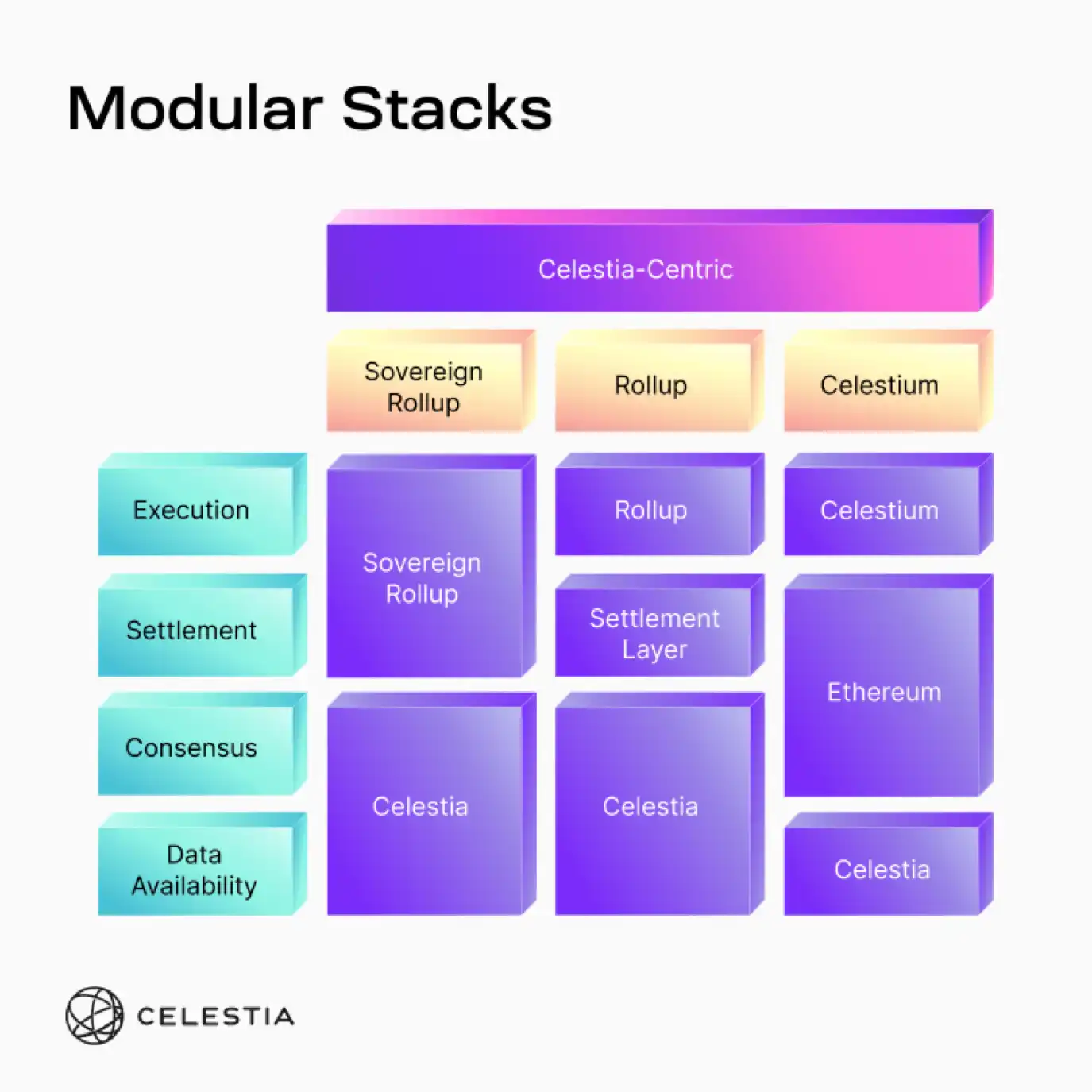
Summarize:
Celestia serves as an independent data availability layer, and in some cases a consensus layer, and Rollup can use Celestia to improve scalability due to the inherent technology of data availability sampling and "few honest" light nodes.
PART 3: Stop at Fuel Labs
Next, I will end this topic by talking about Fuel Labs, which is building an execution layer that can be implemented with Ethereum and Celestia, maintaining the premise of high security and decentralization to scale throughput.
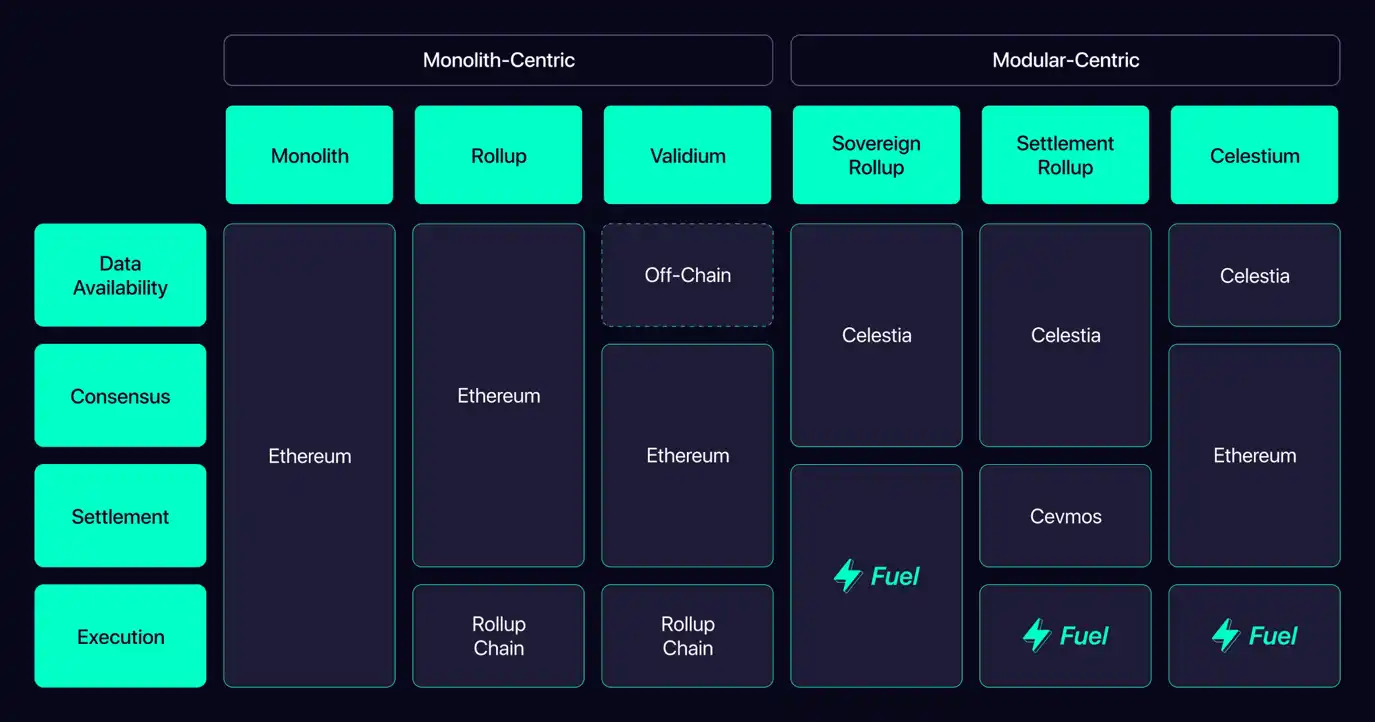
Learn more about Fuel Labs:
-One product from Fuel Labs is the Optimistic Rollup they built to scale Ethereum. include:
- A trust-minimized bridge between Fuel and Ethereum
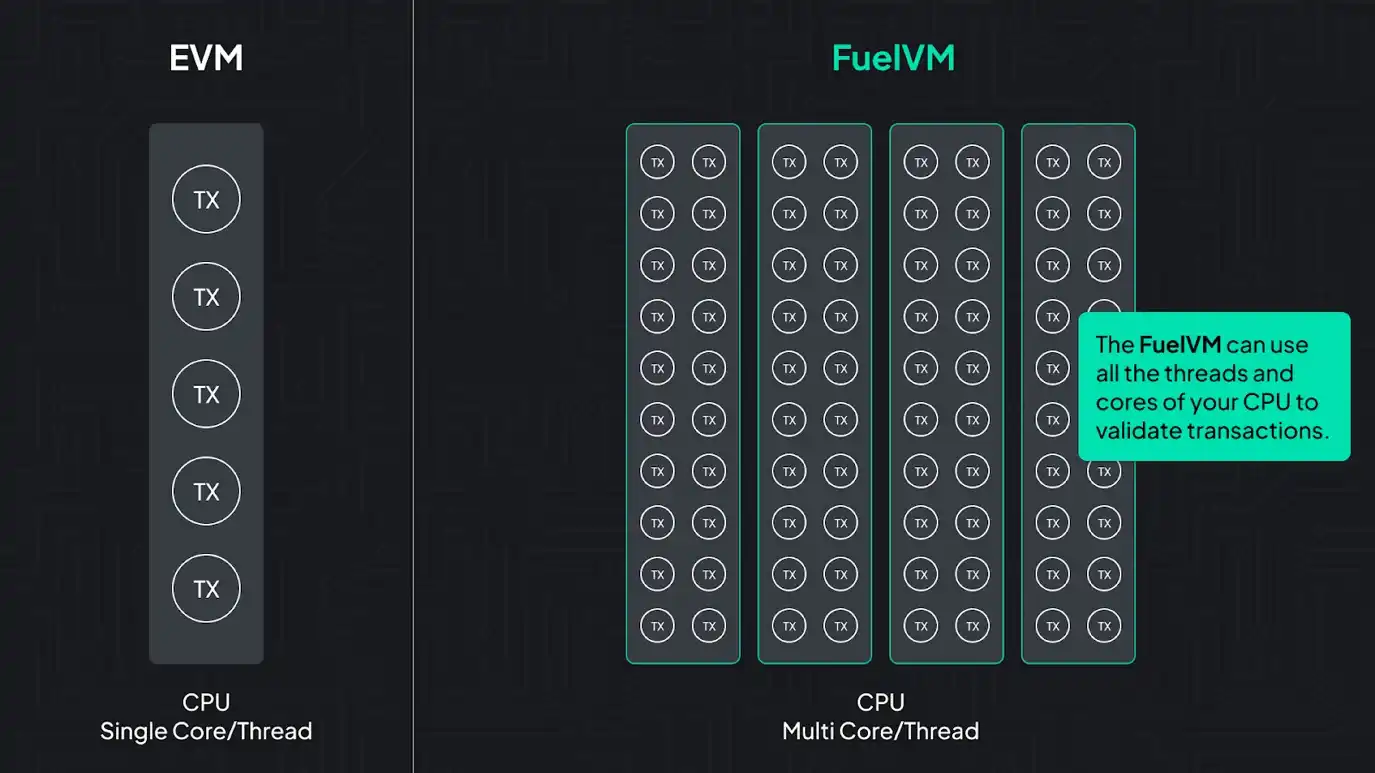
- FuelVM - Parallel verification by running smart contracts with "UTXO" (unspent transaction outputs)
-Sway programming language
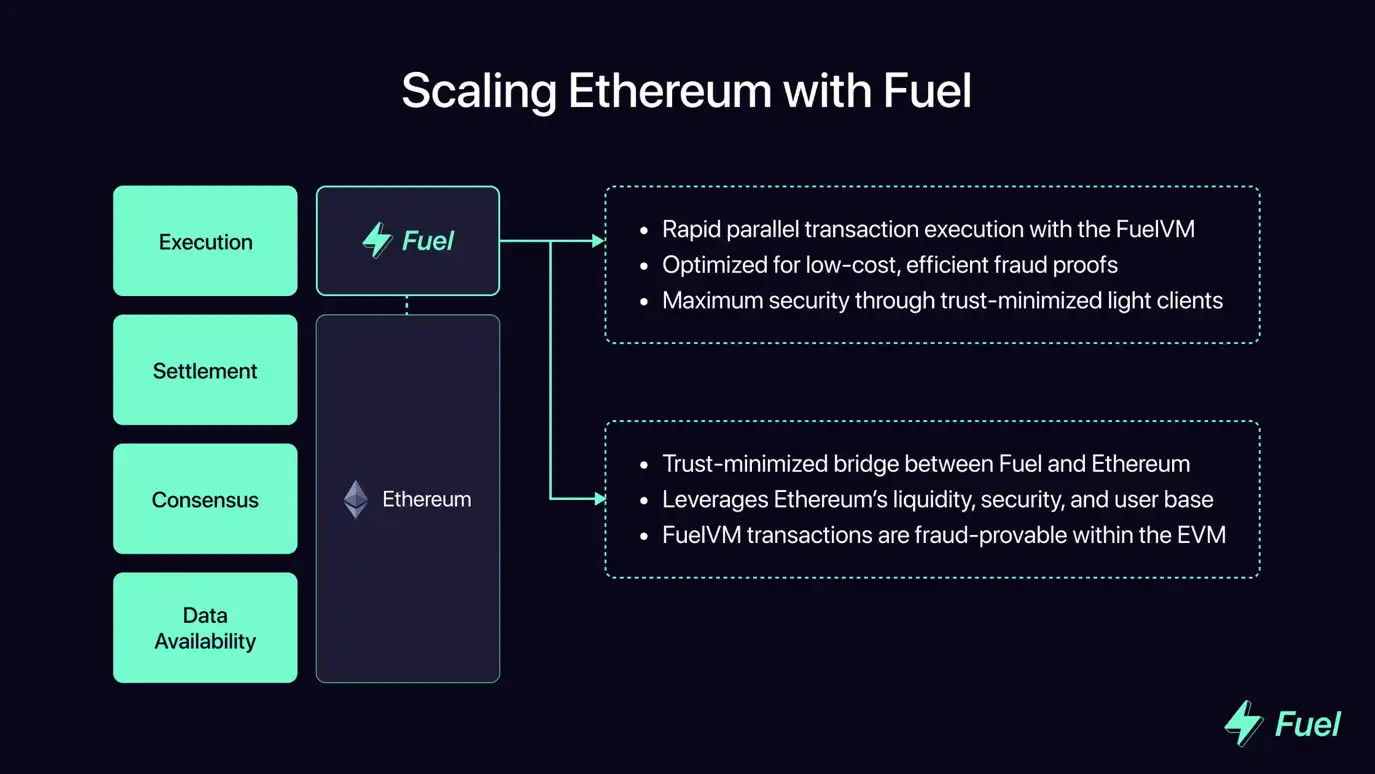
In short, FuelVM can run multiple processes at the same time (parallel verification), and because Celestia works with all VMs, Fuel can also use Celestia as a data availability layer and/or consensus layer to start a Rollup.