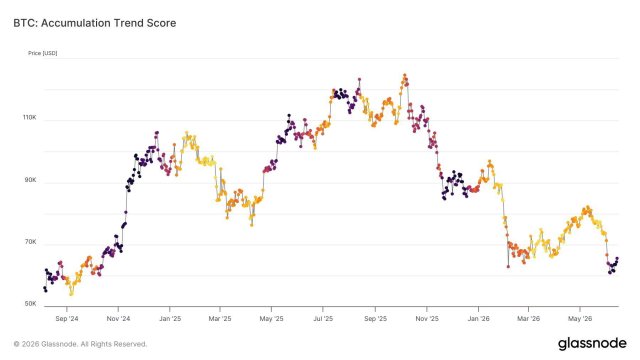
Bitcoin (BTC) was worth only about $0.20 when South Africa hosted the 2010 World Cup. Now, as North America prepares to host the 2026 World Cup, BTC is fluctuating around $66,258, an increase of over 328,000% over five consecutive World Cups.
History has never changed. Every World Cup since 2010 has seen the price of Bitcoin higher than the previous one: $620 in Brazil in 2014, $6,500 in Russia in 2018, $16,800 in Qatar in 2022, and currently it's about four times that amount.
Bitcoin halving makes the World Cup cycle less of a matter of luck.
Analysis of the Bitcoin ETF cycle and liquidation projected for 2026 reveals structural reasons why this four-year pattern is being maintained.
Bitcoin halving events halve the rewards for Miners , coinciding with the four-yearly World Cup , thereby reducing the supply each time. Bull markets typically occur within 12 to 18 months following each halving.
Buy Bitcoin during World Cups.Wait 4 years. Repeat. pic.twitter.com/lFRYoUuV5V
— Crypto Rover (@cryptorover) June 15, 2026
In its current cycle, BTC peaked at nearly $126,000 in early 2025 before undergoing a sharp correction.
The current Bitcoin price of around $66,258 is positioned between the Qatar 2022 price and the peak of the recent cycle, perfectly consistent with post-peak price drops in previous cycles.
Profits are steadily declining.
If you bought Bitcoin during each World Cup and held it for the next four years, you'd see a dramatically different story. If you bought in 2010 and held until 2014, the profit would be approximately 3,100 times. The period from 2014 to 2018 yielded a profit of about 10 times. Those who bought in 2018 and held until Qatar 2022 would have profited about 2.6 times. From 2022 to 2026, the estimated increase is nearly 3.9 times.
The trend is clear: As Bitcoin matures into a trillion-dollar asset, each subsequent price increase is lower. The flow of money from large institutions and ETFs now impacts the price in ways that the Block reward mechanism no longer fully explains.
New layers of demand will create a more stable foundation but also reduce large fluctuations – a factor that helped fuel rapid growth in the early cycles.
Will 2030 be different?
The emergence of crypto at the 2026 World Cup spans prediction markets, Fan Token , and on-chain betting, suggesting that mainstream popularity could sustain demand or drive prices up sooner.
The chain hasn't been broken yet, but now, to maintain profits through a cycle, retail investors need more patience because the returns are no longer as large as in previous generations.
The outlook for Bitcoin's price by 2030 depends heavily on US monetary policy, the level of accumulation by various countries, and whether the buying power from ETFs continues to absorb selling pressure. This cycle has repeated itself across five World Cups. The question is whether history will continue for six consecutive tournaments.