


Original: @ayyyeandy Translation: @BTCdayu
Once upon a time, you could say I was Ethereum maxi. I mean, becoming a part of the community was, hands down, one of the best decisions I've ever made in my life.
Spirit. culture. Innovation. Influence. Everything is there.
However, if I may, my current modular thesis on virtual machines (called VMs) is actually moving away from EVM, but not necessarily Ethereum... In today's post you will learn about 3 key modules of @efdevconnect What about altVM that really excites me, and why I believe this vertical has huge upside
I'll open this paper with a question: What if you could build the next killer app in cryptocurrencies by having developers from diverse backgrounds use programming languages that work seamlessly in a secure manner across any settlement layer? how? It's a mouthful, but the basic argument for altVM comes from every part of the question. 𝗧𝗼 𝘂𝗻𝗽𝗮𝗰𝗸 𝘁𝗵𝗮𝘁 𝗮𝗻𝗱 𝗲𝘅𝗽𝗹𝗮𝗶𝗻 𝗳𝘂𝗿𝘁𝗵𝗲𝗿 , 𝗹𝗲𝘁𝘀 𝘀𝘁𝗮𝗿𝘁 𝘄𝗶𝘁𝗵 𝘁𝗵𝗲 𝘁𝗵𝗿𝗲𝗲 𝗸𝗲𝘆 𝘁𝗮𝗸𝗲 𝗮𝘄𝗮𝘆𝘀 𝗳𝗿𝗼𝗺 𝗗𝗲𝘃𝗰𝗼𝗻𝗻𝗲𝗰𝘁 𝘄𝗵𝗶𝗰𝗵 𝗵𝗮𝘃𝗲 𝗳𝘂 𝗿𝘁𝗵𝗲𝗿 𝘀𝗼𝗹𝗶𝗱𝗶𝗳𝗶𝗲𝗱 𝗺𝘆 𝗺𝗼𝗱𝘂𝗹𝗮𝗿 𝘁𝗵𝗲𝘀𝗶 𝘀 : 1 ⃣Modular chains are far superior to monolithic chains for many reasons. So far, most (if not all) blockchains we have interacted with have been single. Arguably, the important functions of execution, settlement, and data availability/consensus occur under the same “roof.” With modular blockchain, as @CelestiaOrg and @Hyperlane_xyz
As seen at Modular Day 2023, this design is getting better.
Not only has Celestia just launched its Data Availability (DA) layer, but other DA solutions like @AvailProject , @NEARProtocol , and @eigenlayer are about to hit mainnet.
Why is this important?
Stay away from Ethereum as the aggregated DA layer offers extremely cheap transactions. when
When I asked @ilblackdragon about this on @epicweb3 ETH Infra day, he made a point to make sure this was echoed.
𝘛𝘳𝘢𝘯𝘴𝘢𝘤𝘵𝘪𝘰𝘯 𝘤𝘰𝘴𝘵𝘴 𝘰𝘯 𝘳𝘰𝘭𝘭𝘶𝘱𝘴 𝘶𝘴𝘪𝘯 𝘨 𝘢𝘭𝘵𝘋𝘈 𝘭𝘢𝘺𝘦𝘳𝘴 𝘸𝘪𝘭𝘭 𝘴𝘰𝘰𝘯 𝘣𝘦 𝘢𝘯 𝘰𝘳𝘥𝘦𝘳 𝘰𝘧 𝘮𝘢𝘨𝘯𝘪𝘵𝘶𝘥𝘦 𝘭𝘰𝘸𝘦𝘳 𝘵𝘩𝘢𝘯 𝘤𝘶𝘳𝘳𝘦𝘯𝘵 . The resulting user experience is exciting.
Solidity is not an ideal programming language for developers.
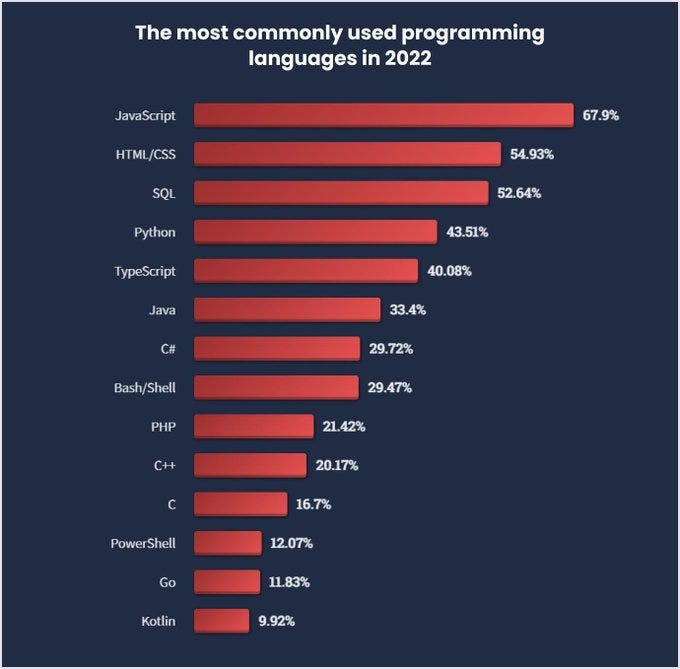
The reality is that there are thousands of developers who have never heard of Solidity. There are thousands of independent developers who know multiple languages, but not reliability. I could go on, but my point is this: If we as a community hope to recruit large numbers of new developers to truly reach critical mass of adoption and innovation, we need alternatives.
Rust, Go, Move, Javascript, Python, Linux, etc. all come to mind because there are tons of developers out there that can definitely be recruited.
In fact, I half-jokingly remember suggesting to @cartesiproject figure out how to get into university blockchain circles and leverage those clubs and developer communities to recruit them to build on top of Cartesi.
"𝘛𝘩𝘦 𝘨𝘶𝘦𝘳𝘳𝘪𝘭𝘭𝘢𝘮𝘢𝘳𝘬𝘦𝘵𝘪𝘯𝘨 𝘰𝘳𝘪𝘨𝘪𝘯𝘢𝘭"
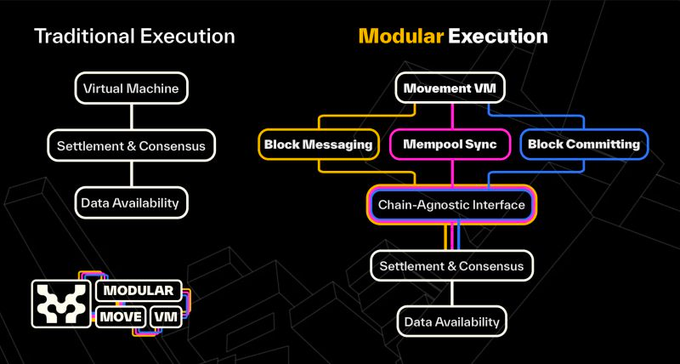
3 ⃣ EVM is effective, but other virtual machine infrastructures have clear advantages, allowing for greater flexibility, security, and therefore innovation.
That last part may cause some pushback from the community, but it’s something we have to face… DeFi security using reliability-based smart contracts has been thoroughly exploited. We’ve seen a lot of hacks, attacks, and exploits due to poorly written code, lack of proper auditing, and buggy smart contracts.
We can't blame the EVM for this, but ask what different virtual machines have to offer from a security and simplicity perspective.
You see, EVM is relatively new in terms of infrastructure. While it provides developers with a ton of tools, its capabilities are actually somewhat limited and there are some pitfalls (there are also a lot of benefits!!). The alternative virtual machine (altVM) provides a more battle-tested lindy developer resource kit. They often come with extensive pre-written code libraries and frameworks to build with. I'm going to show you an altVM that I'm very bullish on and excited to work with first hand without getting too deep into the weeds and abstract writing.
The project is @movementlabsxyz , who is building MoveVM, a virtual machine based on code Facebook created when it planned to launch its token.
At the heart of Movement Labs is M1, a community-first L1 in partnership with @avax .
M1 enables builders to natively leverage large dApps like @BenqiFinance and @GMX_IO , other subnets and protocols via Avalanche Warp Messaging.
It’s not just about high transaction speeds, it’s about providing instant finalization, local access to massive liquidity, and modular customization to suit builders’ needs. The Move protocol is expected to be interoperable and leverage the liquidity of the traditional EVM protocol. Movement’s formal verification system audits and maintains secure smart contract execution in a distributed environment while living within the native Ethereum ecosystem. 𝘍
𝘳𝘰𝘮 𝘵𝘩𝘦 𝘵𝘢𝘭𝘬𝘴 𝘐 𝘩𝘦𝘢𝘳𝘥 𝘢𝘵 𝘋𝘦𝘷𝘤𝘰𝘯𝘯𝘦𝘤 𝘵 , 𝘧𝘰𝘳𝘮𝘢𝘭 𝘷𝘦𝘳𝘪𝘧𝘪𝘤𝘢𝘵𝘪𝘰𝘯𝘴 𝘢𝘳𝘦 𝘢 𝘩𝘶𝘨𝘦 𝘢 𝘥𝘷𝘢𝘯𝘵𝘢𝘨𝘦 𝘵𝘰 𝘔𝘰𝘷𝘦𝘝𝘔 𝘸𝘩𝘦𝘯 𝘤𝘰𝘮𝘱𝘢𝘳𝘦𝘥 𝘵𝘰 𝘌𝘝𝘔 . Last week, @movementlabsxyz announced a partnership with @CelestiaOrg, a pioneer in the modular blockchain world.
The partnership aims to help developers launch Move-based L2 in the Ethereum ecosystem, combining the liquidity and interoperability of Ethereum with Move-based blockchains using Celestia for DA, as shown below. The M2 mainnet will be the first Ethereum L2, integrating Celestia for data availability, Snowman for shared ordering, and the Move virtual machine for execution. 𝘐𝘵𝘴 𝘭𝘪𝘬𝘦 𝘢 𝘮𝘰�
�𝘶𝘭𝘢𝘳 , 𝘥𝘦𝘤𝘦𝘯𝘵𝘳𝘢𝘭𝘪𝘻𝘦𝘥 𝘪𝘤𝘦 𝘤𝘳𝘦𝘢𝘮 𝘴𝘶𝘯 𝘥𝘢𝘦 𝘸𝘪𝘵𝘩 𝘮𝘢𝘯𝘺 𝘧𝘭𝘢𝘷𝘰𝘳𝘴 .
The collaboration between Movement and Celestia enables builders to launch secure, performant and scalable modular blockchains leveraging the open framework developed by Move.
Today, Movement announced another partnership with @AvailProject to use their DA layer for mobile-based aggregation.
The benefits of using Avail to take DA off the chain while leveraging altVM like @movementlabsxyz are clear: Movement brought their M1 with a decentralized sequencer and Move-based Rollups and an emerging, Compatible ecosystem. Avail helps significantly reduce costs and increase the throughput of Move-based aggregation by moving DA off-chain and bringing reliable ecosystems and partners to the MoveVM ecosystem. Win-win.
𝗧𝗵𝗶𝘀 𝗮𝗽𝗽𝗿𝗼𝗮𝗰𝗵 𝗺𝗮𝗶𝗻𝘁𝗮𝗶𝗻𝘀 𝗹𝗶𝗾𝘂𝗶𝗱𝗶𝘁 𝘆 𝘂𝗻𝗶𝘁𝘆 , 𝗹𝗼𝘄 𝗰𝗼𝘀𝘁𝘀 𝗳𝗼𝗿 𝘂𝘀𝗲𝗿𝘀 , 𝗮𝗻𝗱 𝗮 𝗶𝗺 𝗽𝗿𝗼𝘃𝗲𝗱 𝗨𝗫 𝗳𝗼𝗿 𝗮𝗹𝗹 .
In addition to Move Stacks and M2 Rollups, the Movement SDK supports Fractal, a feature that enables Solidity applications to take advantage of the performance and security benefits of Move without having to write Move code.
Additionally, developers can use motion validators within the Snowman consensus framework, linking their aggregates to a shared ordering network.
Movement SDK solves the annoying user experience fragmentation problem by simplifying the management of multi-chain deployments, providing developers and users with a consistent experience. Ethereum applications aiming to improve performance and security for the coming wave of adoption will find Fractal an invaluable tool for accessing the Move Stack and its benefits without leaving their native network.
This is what I mean by the trend moving away from EVM, but not necessarily Ethereum. While M1 is built with Ava Labs, the idea is that altVM can plug into any rollup and use Ethereum as the settlement layer. Using Ethereum for DA and execution is not the way forward for the modular blockchain community.
𝗧𝗼 𝘀𝘂𝗺𝗺𝗮𝗿𝗶𝘇𝗲 𝗺𝘆 𝘁𝗵𝗼𝘂𝗴𝗵𝘁𝘀 𝗮𝗻𝗱 𝘁𝗵𝗲𝘀𝗶 𝘀: AltVM will see its heyday in 2024-2025 due to developer ease of adoption, modularity priorities, and the ability to achieve extreme user experience improvements. While I still believe in EVM, I certainly don't believe in the sustainability of a single chain in cryptocurrencies. Modularity is here to stay.
There will be many, many developments in this space, including a plethora of tokenless protocols, new partnerships, improved execution environments, and an influx of new developments. All this, underpins the motto that every great builder should embody: 𝘔𝘰𝘥𝘶𝘭𝘢𝘳𝘪𝘴𝘮 , 𝘯𝘰𝘵 𝘮𝘢𝘹𝘪𝘮𝘢𝘭𝘪𝘴𝘮 .
——-end————
For more cutting-edge, important or correct investment theories, please visit dayu.yxz





