Author: Fairy, ChainCatcher
Editor: TB, ChainCatcher
Where do you live? What time do you usually go out? Have you ever shared your crypto assets on social media?
These seemingly harmless pieces of information are becoming navigation coordinates for criminals in the real world. As Bitcoin breaks through historical highs and crypto assets enter the mainstream view, not only are institutions paying attention, but violent criminals are also eyeing blockchain wealth and you offline.
The wave of kidnapping, coercion, and ransom demands may be more serious than we imagine.
Kidnapping Incident Sparks Political Attention
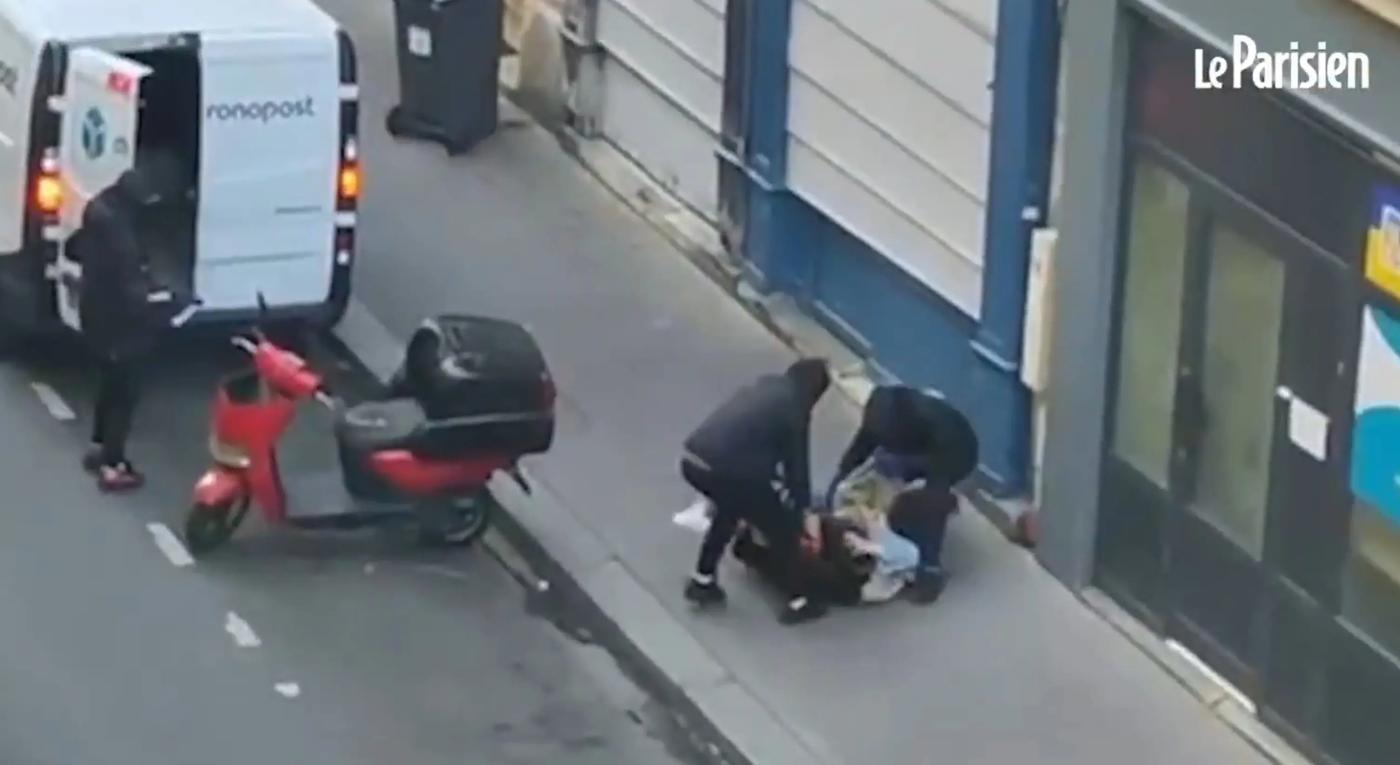
Recently, a video widely circulated on X platform: The daughter and grandson of Paymium crypto exchange co-founder were nearly kidnapped in the 11th arrondissement of Paris, with four masked assailants ambushing and attempting to forcibly drag the mother and son into a van. The woman fiercely resisted and seized the perpetrator's weapon, causing chaos, and after bystanders intervened, the kidnappers fled in panic.
The incident quickly drew public attention and even alarmed the French political circles. French Interior Minister Bruno Retailleau has announced an emergency meeting with crypto industry practitioners this Friday to discuss how to address the increasingly frequent violent kidnapping threats against crypto entrepreneurs.
Global Spread of Crypto Violence
This attempted kidnapping in Paris is just the tip of the iceberg of a series of violent threats facing the crypto industry.
According to a public tracking tool created and maintained by Casa's Chief Technology Officer Jameson Lopp, as of now, in the first five months of 2025, at least 22 physical attacks against crypto practitioners or their relatives have been recorded globally. This number almost matches the entire year of 2023 (24 incidents) and is approaching the total for 2024 (32 incidents). Worryingly, these are only the publicly disclosed cases, and the real number may be far higher.
The attacks are not limited to a specific region. From France to Brazil, Hong Kong to the Philippines... wherever crypto wealth goes, the risk of violence spreads. We have compiled some cases:

How to Build a Safety Barrier in Life?
Blockchain addresses expose asset scale, social media posts reveal activity trajectories, and lifestyle hints at economic strength. When risks spread from the virtual world to real life, how can we protect our personal and property safety?
True security begins with awareness and is implemented in every life detail. ChainCatcher has compiled some practical suggestions to help you build a real safety barrier from daily life:
- Low-key is the Most Reliable Protection
Avoid sharing asset screenshots or transaction profits. If you are a public KOL or trader, it is recommended to "desensitize" your blockchain address to avoid directly linking your identity with substantial assets.
- Do Not Casually Reveal Location Information
Many people are used to posting content like "just arrived in Singapore" or "tonight's gathering in Central, Hong Kong" on social media, which greatly reduces the cost of being "precisely targeted". It is recommended to delay posting location updates and avoid disclosing permanent residence, travel routes, and hotel addresses. During industry conferences, try to keep accommodation and itinerary confidential.
- Separate Blockchain and Real-world Identities
High-net-worth wallets should be kept away from social identities. Avoid setting ENS domain names, address abbreviations, and X usernames too similarly to reduce the possibility of social graph reconstruction.
- Be Cautious About Meetings, Verify Even Friends
Some criminals are setting traps under the guise of "business negotiations" or "offline meetings". In over-the-counter transactions, choose public places with surveillance (like Starbucks or office lobby), inform friends about your whereabouts in advance, and set up a timed safety check-in mechanism.
- Make "Home" Part of the Safety System
Consider using a commercial address for package delivery. Install smart locks, cameras, and alarm systems, which can not only enhance vigilance but also provide a means of counteraction when danger occurs.
- Safety Awareness is a Family "Consensus Protocol"
Safety awareness should not be borne by individuals alone. Even if you remain vigilant, family members, children, or assistants should have basic prevention awareness, such as not revealing location or asset information over the phone, and understanding how to identify phishing emails and scam messages. For high-net-worth individuals, the entire family may become a potential target, so all members should receive basic education in digital and physical security.
- Preset Emergency Response Plan
If you manage a large volume of crypto assets, it is recommended to develop an "emergency strategy" to ensure that even if attacked, funds cannot be quickly transferred. Establish an "emergency code" mechanism with trusted contacts to send a help signal if coerced. For high-risk groups, consider purchasing "kidnapping and ransom insurance" or hiring professional security teams.
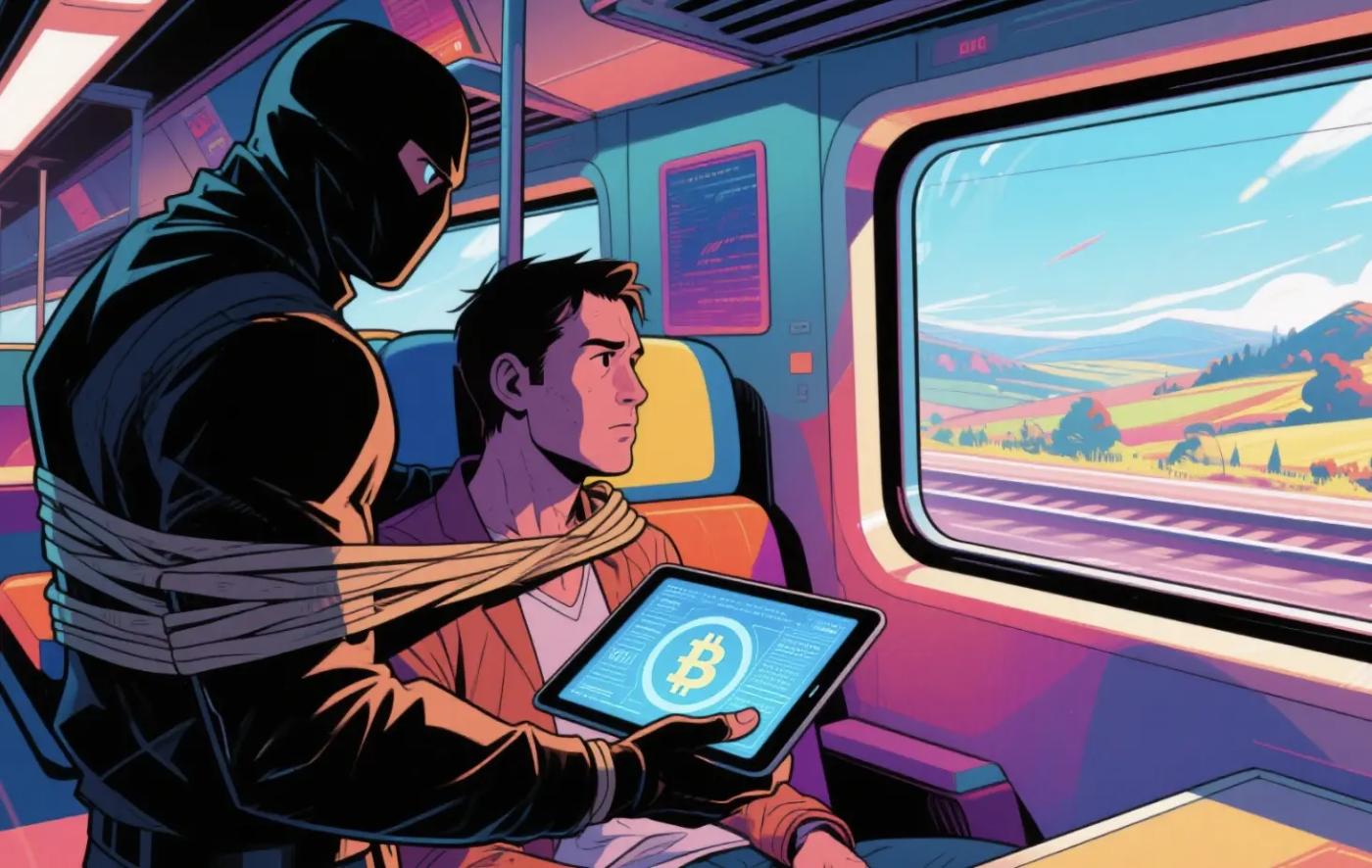
Wealth is Visible, Safety is Priceless
When violence becomes the most primitive "private key extractor", no amount of 2FA can help. We are accustomed to defending assets but often overlook the most vulnerable part: our own flesh and blood.
Cold wallets can protect wealth, but only a calm safety awareness can save lives.