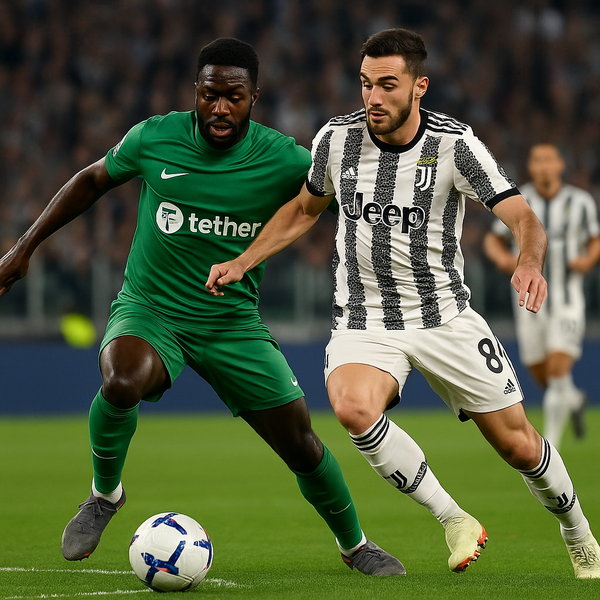
Tether, the issuer of the stablecoin USDT, has made a bold move to acquire the entire stake in Juventus, a prestigious Italian professional soccer team. Tether has submitted a binding, all-cash acquisition offer to Juventus's largest shareholder, Exor, demonstrating its commitment to operating the club from a long-term perspective.
Tether's plan is clear: it will first acquire Exor's 65.4% stake in Juventus, and once regulatory approvals are finalized, it will conduct a tender offer for the remaining shares at the same price. The acquisition will be entirely funded by internal capital, not external borrowing, and the company emphasized its commitment to continuing its mid- to long-term investment and support for the club even after the transaction closes.
However, there are still significant hurdles to overcome before a deal can be completed. Exor remains reluctant to sell Juventus, and the club itself has not made an official statement. Juventus is a symbolic asset with deep ties to the Agnelli family since the 1920s, and some believe a simple price offer alone will not be enough to achieve a change in its ownership structure.
Nevertheless, the reason this proposal is attracting market attention is clear. Having already become a major shareholder with a stake of over 10% in Juventus, Tether has gone beyond a simple financial investment and is now considering a full acquisition. This represents a rare example of a stablecoin issuer directly owning and operating a core asset in a traditional industry, a football club.
The market interprets this as "the next step in crypto capital." Tether is a stablecoin company generating massive cash flow from its global payment and transaction infrastructure. This is significant in that it is leveraging its capital to embrace global IP assets like sports and entertainment, making them a reality. Future expansion into new experiments, such as fan payments, club revenue structures, and digital asset linkage models, is also being discussed.
The key issues are Exor's selection and regulatory approval. If the no-sale policy remains in place, this offer could be nothing more than a symbolic message. Conversely, if negotiations are open, the tender offer price, the specificity of the investment commitment, and the unique regulatory environment of the European football industry will likely emerge as key variables determining its ultimate success or failure. This attempt is attracting significant market attention as it serves as a test bed for whether stablecoin companies can truly penetrate the heart of traditional industries.