Grayscale Diagnoses Weak BTC Safe-Hold Narrative
);)
In a report, Zach Pandl, Head of Grayscale Research, explained that Bitcoin maintains its long-term status as a store of value due to its fixed supply structure and independence from central banks. However, he analyzed that in the short-term market, Bitcoin's price movements are largely uncorrelated with precious metals like gold and silver, and instead follow the trends of growth stocks.
According to the report, Bitcoin's correlation with software stocks has increased significantly since early 2024. The sector has been under intense selling pressure amid concerns that the proliferation of artificial intelligence could weaken the competitiveness of existing software services, and this trend has also influenced Bitcoin prices.
Grayscale assessed that these changes demonstrate the cryptocurrency market's deeper integration with traditional financial markets. They analyzed that increased institutional investor participation, increased trading in exchange-traded funds (ETFs), and shifting macroeconomic risk appetite are driving the perception of Bitcoin as a quintessential risk asset.
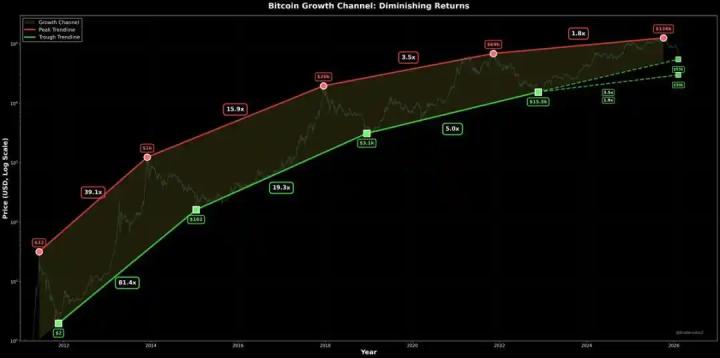
Bitcoin has fallen by approximately 50% since its peak of $126,000 in October. Grayscale explained that the decline occurred in multiple waves, marked by large-scale liquidations and repeated selling pressure. The firm noted that in recent weeks, US-based sellers have been particularly active, and a price discount on Coinbase has also been observed.
Jack Pandl believes that Bitcoin's failure to reach the same level of monetary asset status as gold should not be considered a failure. He noted that gold has been established as a currency for thousands of years, and suggested that Bitcoin, too, could gradually evolve as the digital economy expands.
The report concluded that short-term price recovery hinges on new capital inflows. If new ETF inflows or retail investor participation fail to recover, Bitcoin is likely to continue to exhibit volatility similar to growth assets for the time being.
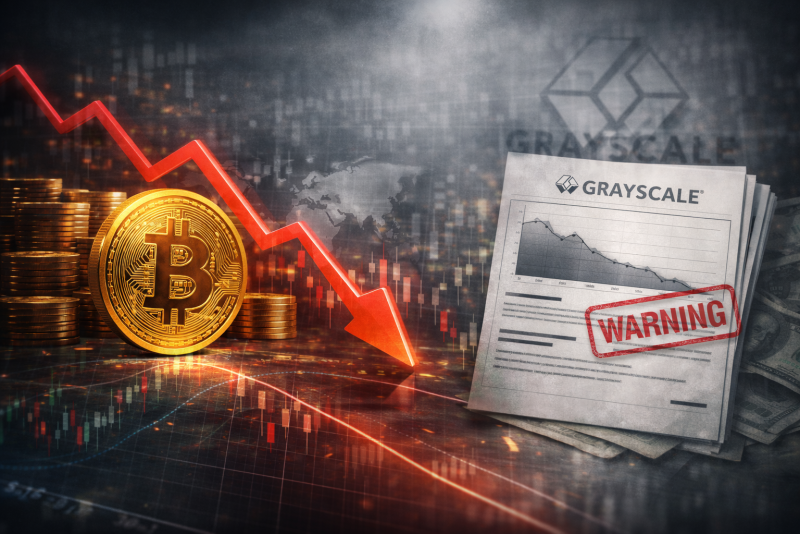
Analysis suggests that Bitcoin (BTC) is trading more like a growth asset than a traditional safe-haven asset, putting downward pressure on its price. Asset management firm Grayscale, in a research report released on the 10th, stated that Bitcoin's recent price movements have shown a stronger correlation with stocks, particularly software growth stocks, than with gold.
In a report, Zach Pandl, Head of Grayscale Research, explained that Bitcoin maintains its long-term status as a store of value due to its fixed supply structure and independence from central banks. However, he analyzed that in the short-term market, Bitcoin's price movements are largely uncorrelated with precious metals like gold and silver, and instead follow the trends of growth stocks.
According to the report, Bitcoin's correlation with software stocks has increased significantly since early 2024. The sector has been under intense selling pressure amid concerns that the proliferation of artificial intelligence could weaken the competitiveness of existing software services, and this trend has also influenced Bitcoin prices.
Grayscale assessed that these changes demonstrate the cryptocurrency market's deeper integration with traditional financial markets. They analyzed that increased institutional investor participation, increased trading in exchange-traded funds (ETFs), and shifting macroeconomic risk appetite are driving the perception of Bitcoin as a quintessential risk asset.
Bitcoin has fallen by approximately 50% since its peak of $126,000 in October. Grayscale explained that the decline occurred in multiple waves, marked by large-scale liquidations and repeated selling pressure. The firm noted that in recent weeks, US-based sellers have been particularly active, and a price discount on Coinbase has also been observed.
Jack Pandl believes that Bitcoin's failure to reach the same level of monetary asset status as gold should not be considered a failure. He noted that gold has been established as a currency for thousands of years, and suggested that Bitcoin, too, could gradually evolve as the digital economy expands.
The report concluded that short-term price recovery hinges on new capital inflows. If new ETF inflows or retail investor participation fail to recover, Bitcoin is likely to continue to exhibit volatility similar to growth assets for the time being.
Reporter Jeong Ha-yeon yomwork8824@blockstreet.co.kr