Author: Lamboland Compiled: Cointime.com 237
1. Azuki
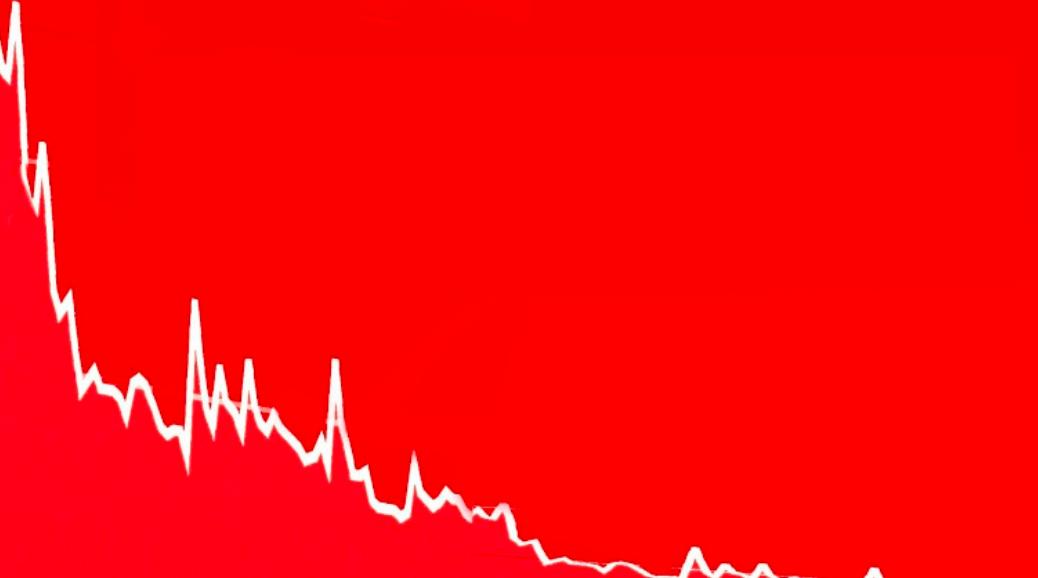
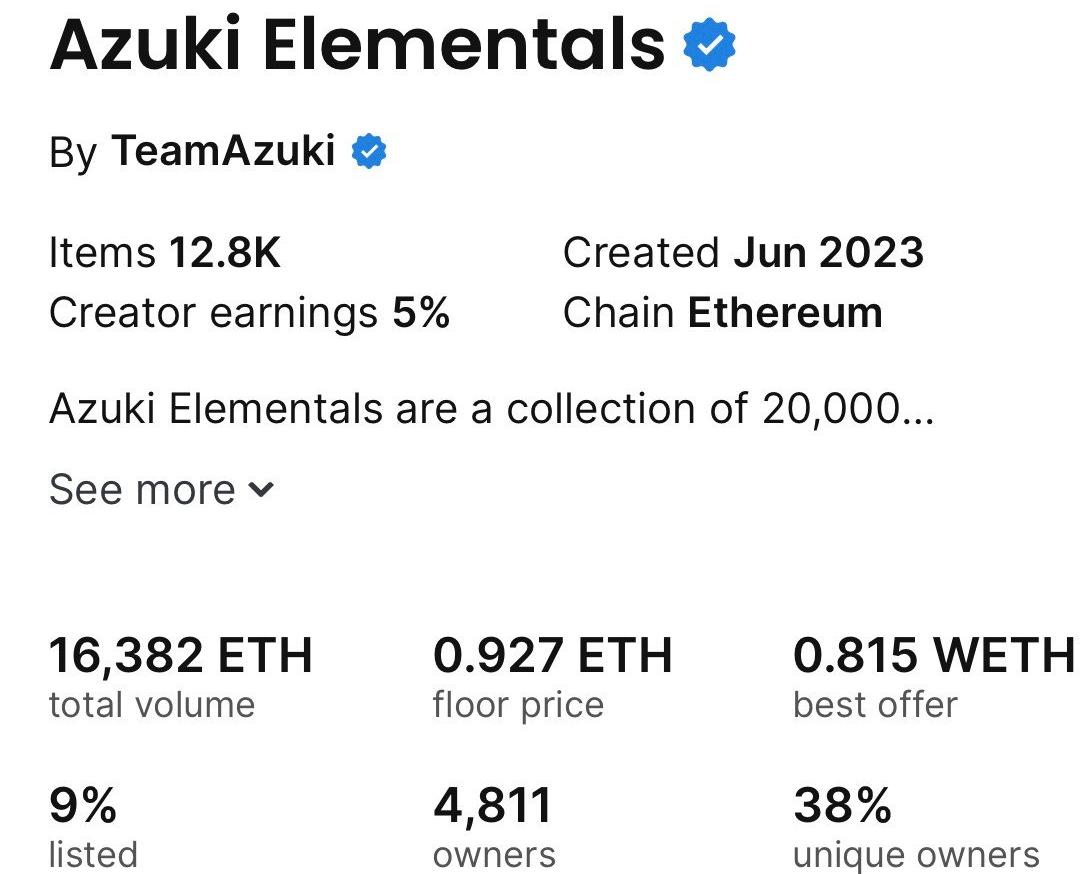
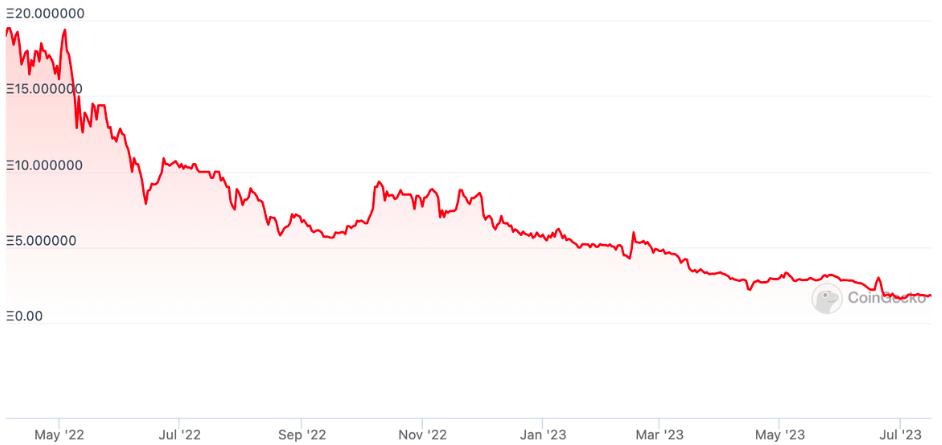
Since Azuki released their Elementals range, their price has dropped over 60%.
Most people think this is because Elementals look a lot like Azuki.
However, there's more to this story...
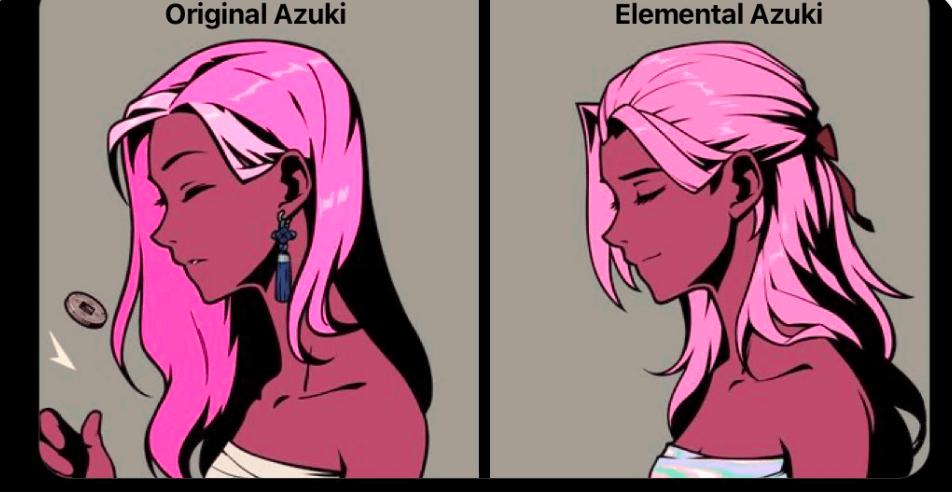
Because people can now buy basically the same work of art (Elementals) for a relatively low price.
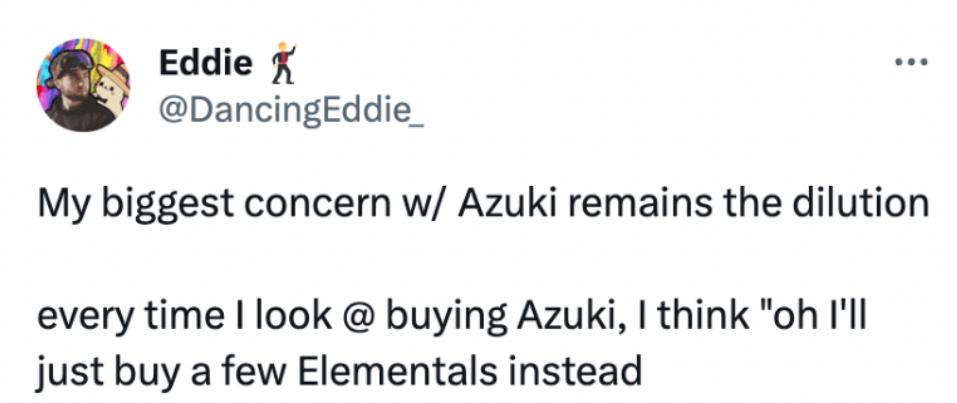
Worse...
Elementals is a collection of 20,000 NFTs.
Considering that there are almost only 20,000 people in Web3 right now, this means a huge increase in supply.
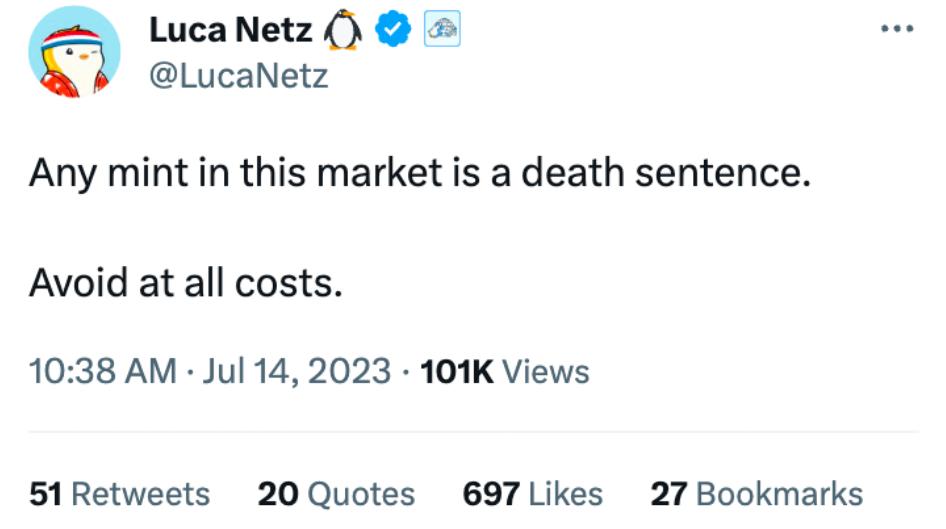
Thus, the team essentially disrupted the perfect balance of supply and demand that Azuki once had.
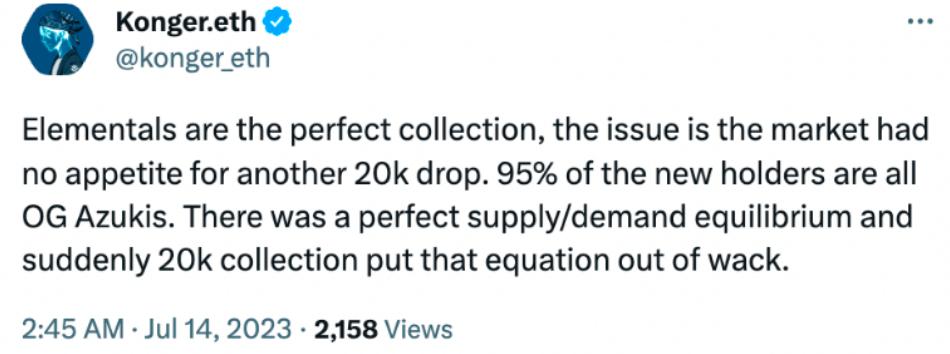
This further reduces the need for Azuki assets.
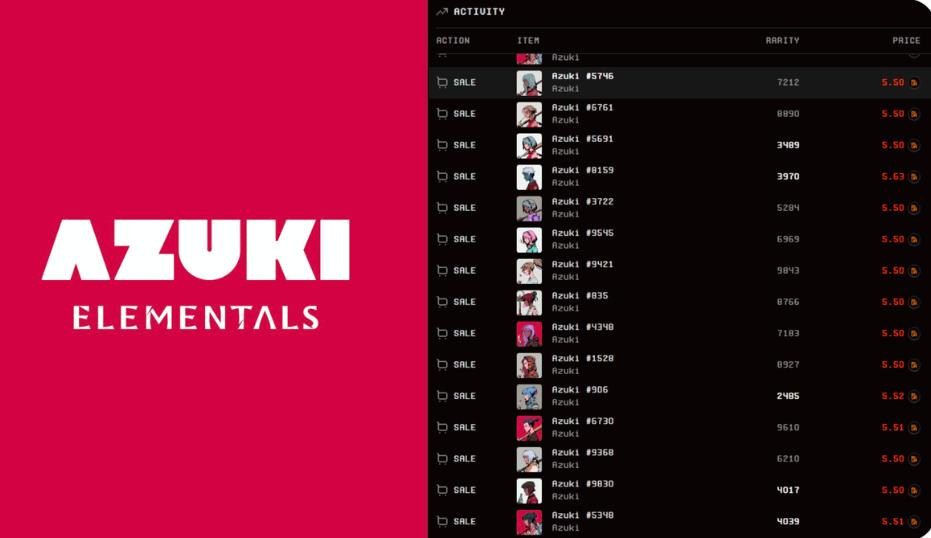
Many Azuki holders who got a free Elemental sold it immediately.
Because they treat it like a dividend.
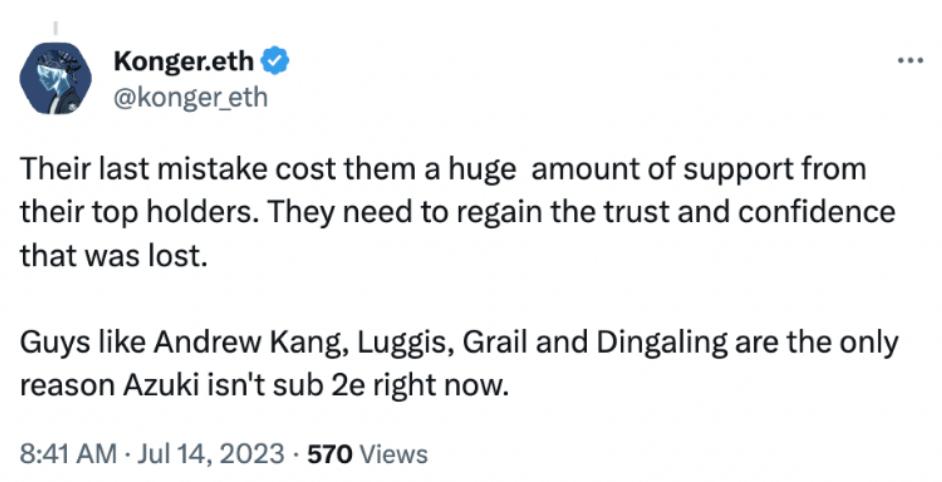
But since the prices of Azuki and Elementals are linked to each other...
Elementals dropped in price and so did Azuki's.
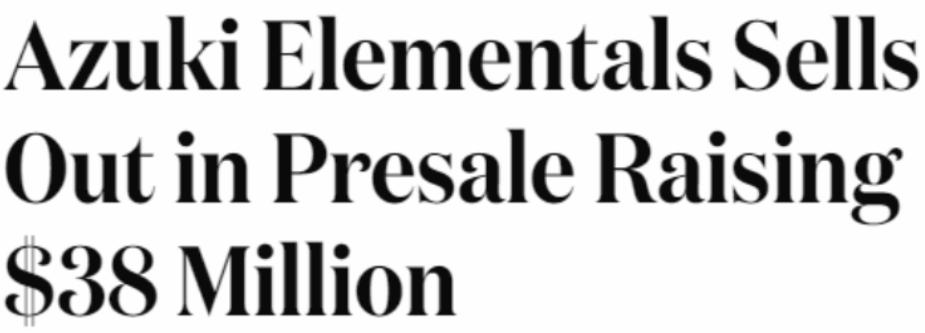
However, the team received $40 million from the casting.
However, these funds all come from their holders.
So now the liquidity of the community is spread across another series of NFTs.
Also, Elementals didn't do a good job guiding people into the Azuki ecosystem.
Because everyone who minted Elemental already owned Azuki assets.
Therefore, new entrants had to buy Elemental from the secondary market.
This is a poor boot experience.
2. Yuga
Yuga enriches holders by giving away tons of free NFTs.
At first, this worked perfectly...
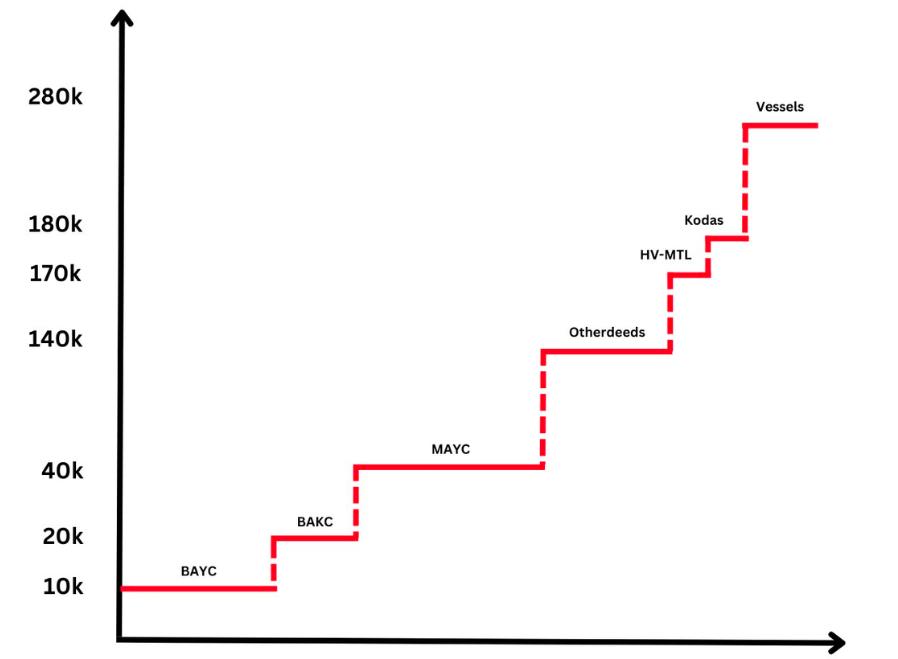
MAYC is the perfect way to dilute.
Because the demand for Yuga assets was very high at that time.
Therefore, increasing the supply by creating 20,000 NFTs is not a bad thing. MAYC is the perfect way to dilute.
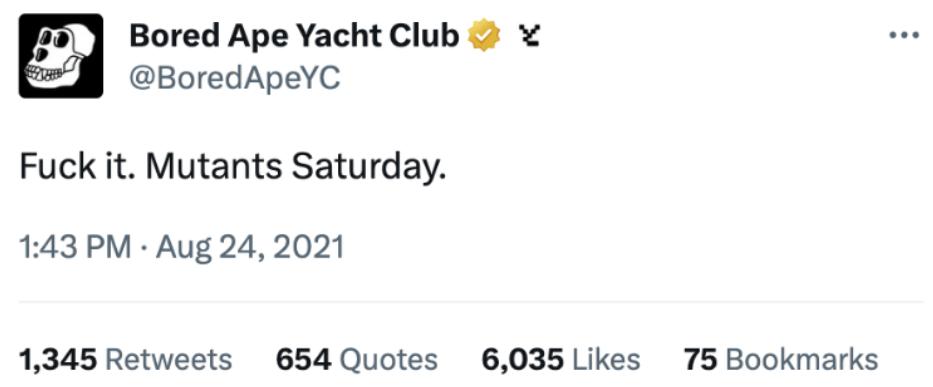
BAYC holders are rewarded with free MAYC.
And 10,000 MAYC will be issued through public sale.
This attracts more people into the Yuga ecosystem.
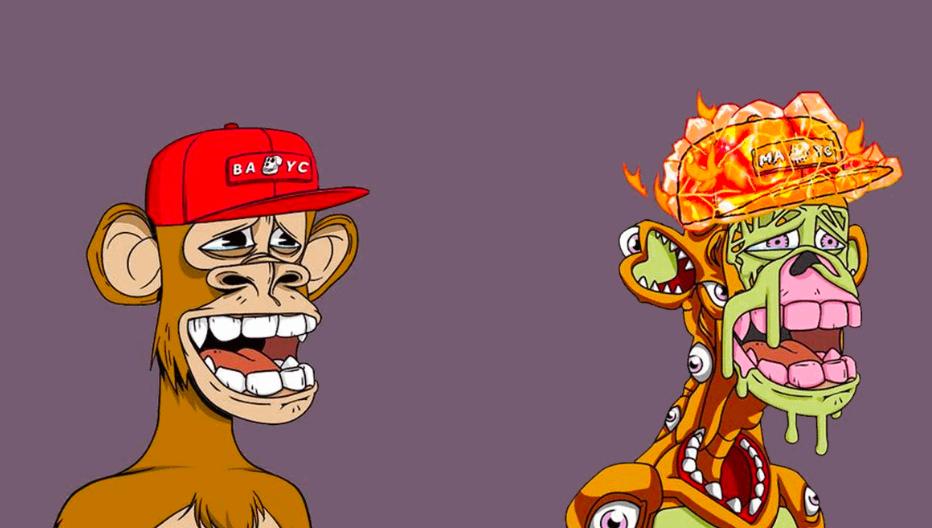
Yuga also earned $100 million from MAYC's minting.
And much of that money comes from people outside their communities.
Therefore, this is a win-win situation for all three parties.

But now there are so many Yuga NFTs.
And it's hard to keep up with everything that's going on in their ecosystem.
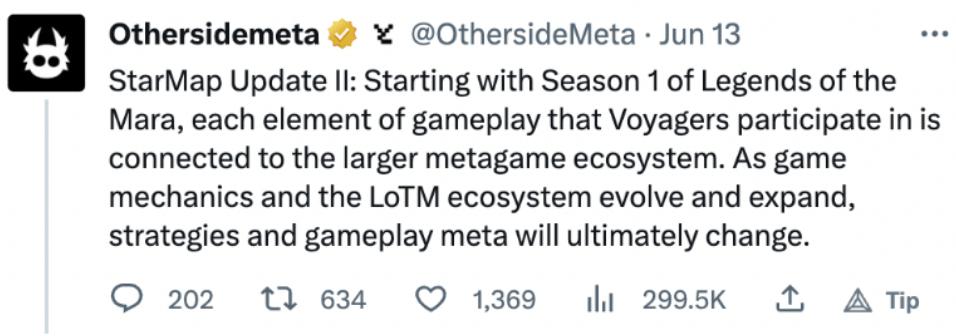
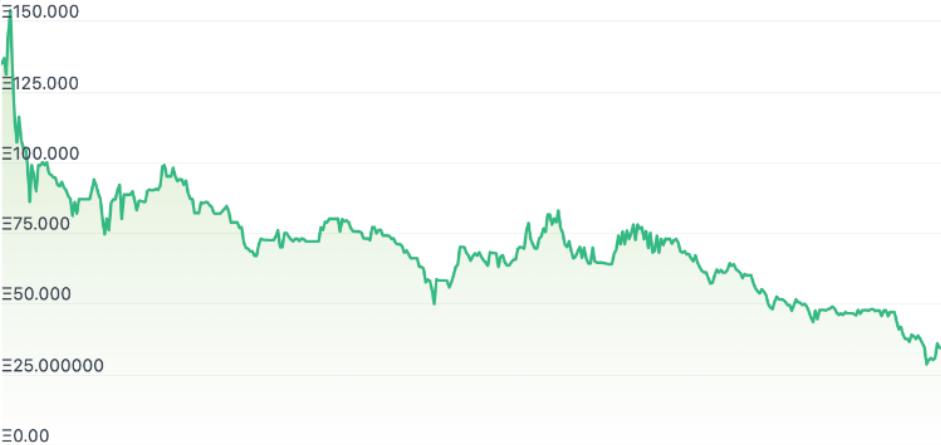
And liquidity continues to spread among more new Yuga assets.
causing the price of each of them to fall.
3. RTFKT
RTFKT has a similar story to Yuga.
They make holders rich by giving away tons of free NFTs.
However, this comes at a price...
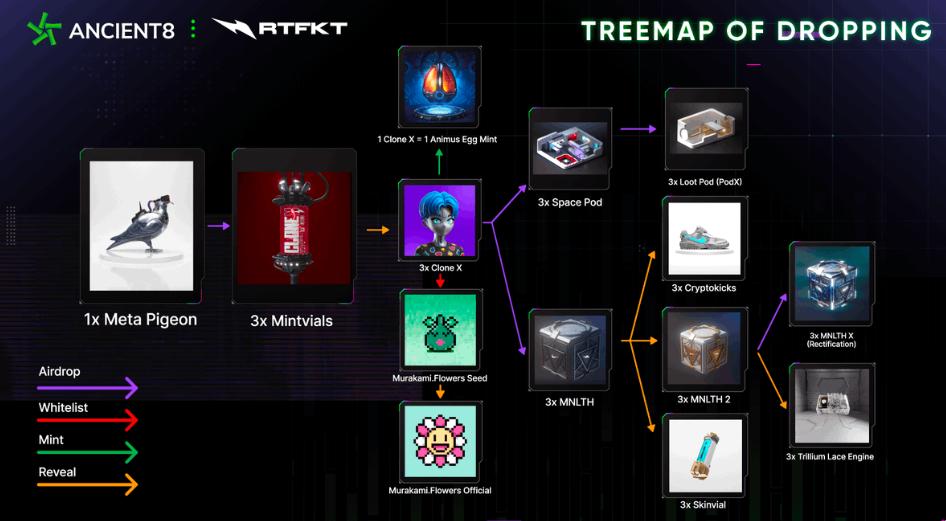
All these NFTs make RTFKT a very complex ecosystem.
This makes attracting new users extremely difficult.
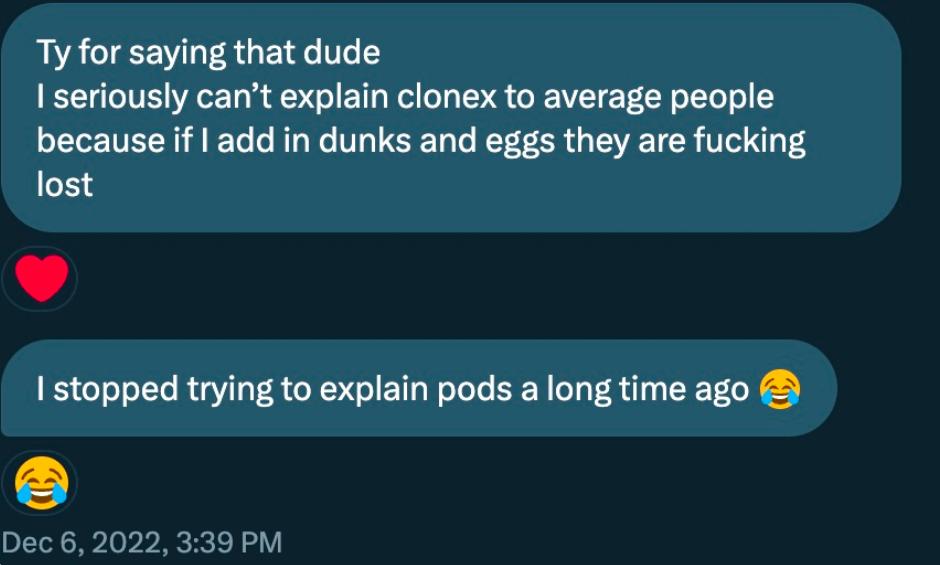
This also resulted in a significant drop in the base prices of all of them.
Because liquidity is being spread across many collectibles.
in conclusion:
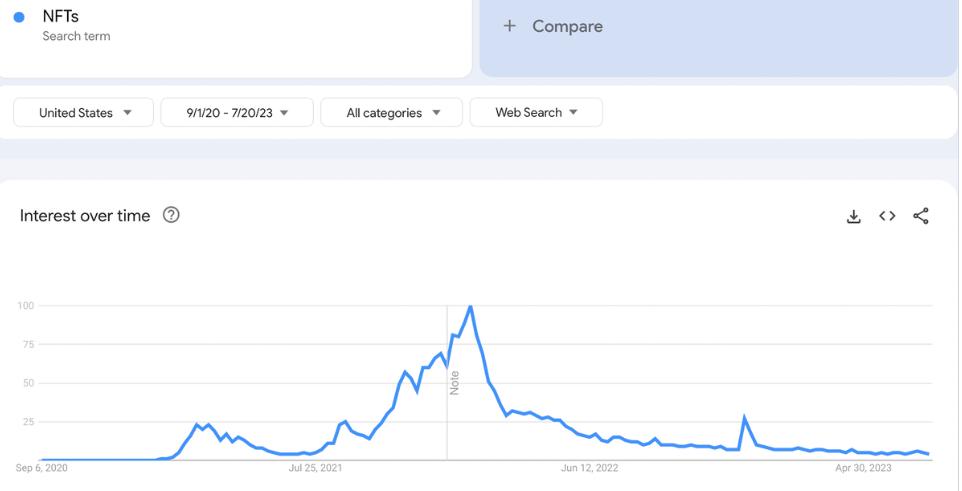
Now is the worst possible time for an established NFT project to launch another series.
Because there is not enough demand in the market to support it.
Additionally, projects that have released a large number of NFTs are working hard to create value for them.
This results in a very complex and complex ecosystem.
This makes it difficult to attract new players.
If NFT projects intend to release new NFTs, they should:
1) Reward the current holder
2) Attract new holders
3) Gain benefits from outside the community