AI antidote or privacy poison
Sam Altman, the father of ChatGPT, had a dream.
When jobs are taken away by AI, send money to billions of people around the world.
But there is a premise: to prove that we are human. The specific plan he gave was a cryptocurrency project called "Worldcoin".
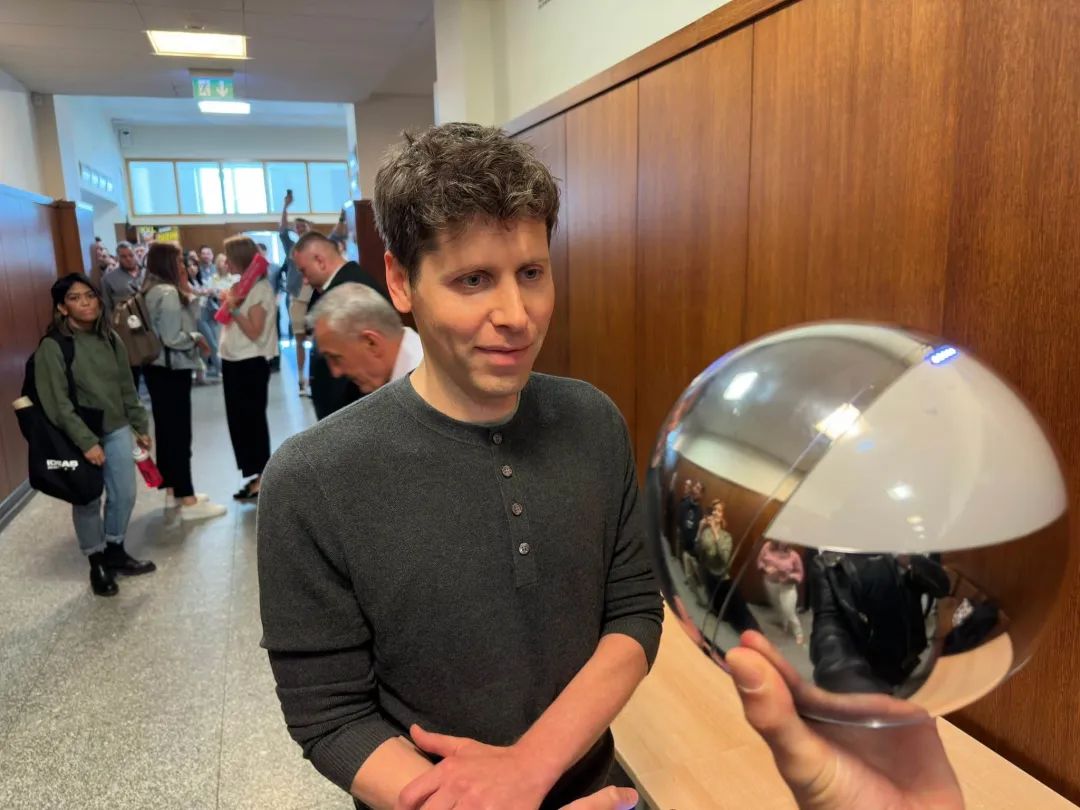
In October 2021, Worldcoin officially announced; on July 24 this year, Worldcoin began to distribute tokens. In the middle period, ChatGPT ran out and amazed the world. The fear of being out of work by AI has really become a cloud in my heart.
But it is still not clear whether Worldcoin is the light of humanity in the future, or a dystopia like Black Mirror. The world harmony it planned has not yet been realized, and problems have already exploded.
Let the eyes become "ticket gates"
The Worldcoin project is mainly divided into 3 parts:
Application World App, digital identity World ID, new cryptocurrency Worldcoin.
According to Sam Altman's blueprint, tokens are distributed to mobile phones for free every month, so that the dividends created by AI can be shared by the whole world instead of being monopolized by a few elites.
Get in the car now while it’s hot, and there’s also a “novice benefit package”—each user can get 25 tokens, worth about $50, and then receive 1 token per week.
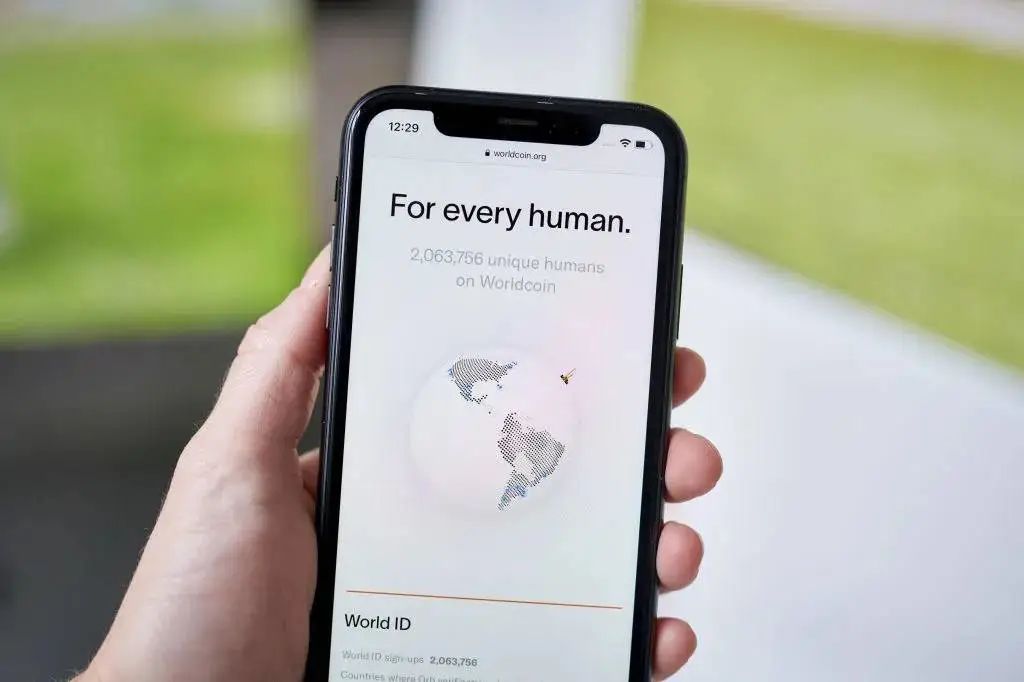
Of course, this is conditional, you must first register and complete the iris scan.
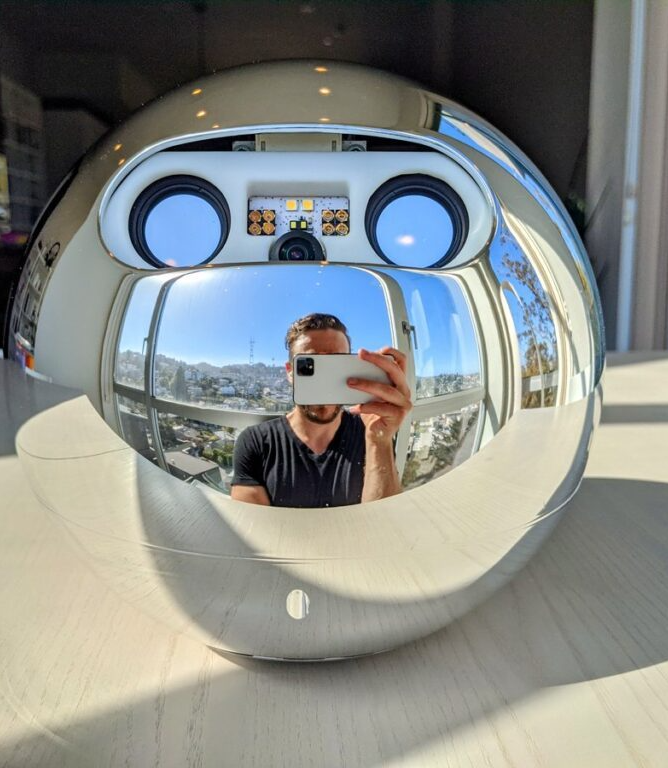
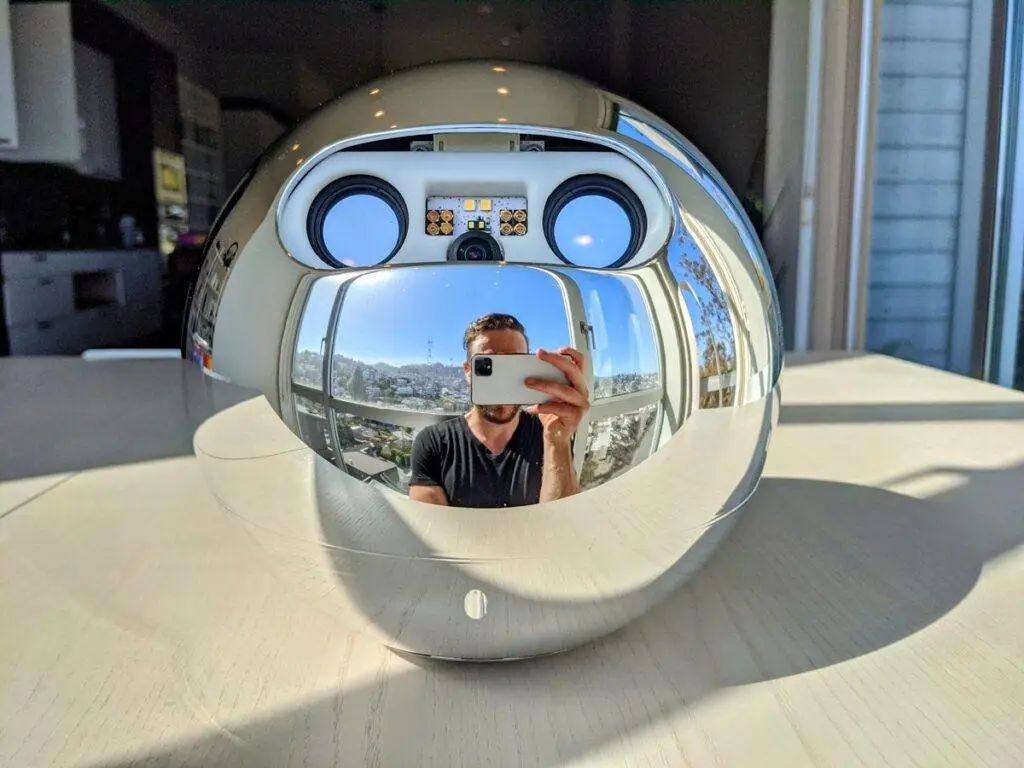
The Worldcoin team has developed a "sphere" called Orb, which is used to scan the iris, collect biological data, and ensure that it is a human being.
Orb is about the size of a bowling ball, stare at the black circle above, and it will scan your eyes through infrared cameras, sensors and AI-powered neural network systems.
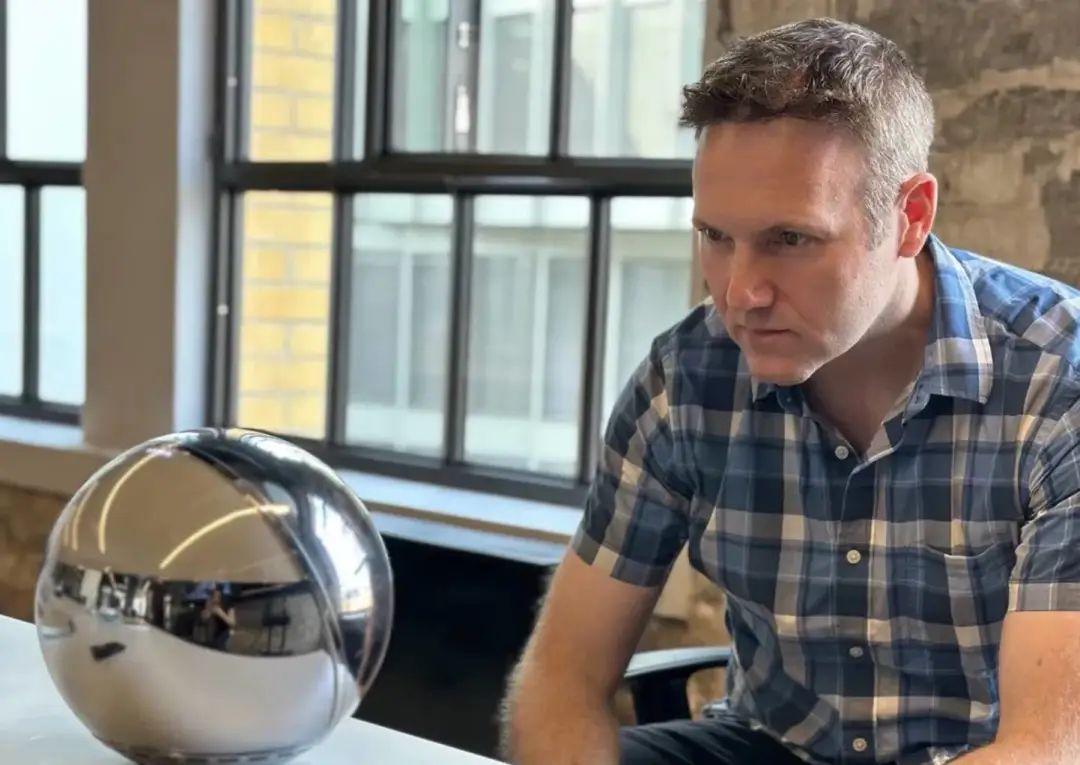
People who have experienced it feel that they "like staring into the abyss." However, in an age of increasingly tricky captchas, the Worldcoin team considered all options and found they had no choice:
Authenticating humans with biometric data....is really the only solution.
Although there is no privacy at all now, providing private data to private companies still makes people a little trembling. A netizen compared Orb to the "Eye of Sauron" in "Lord of the Rings", which collects the data of everyone on the planet. Biometric data is inherently risky.
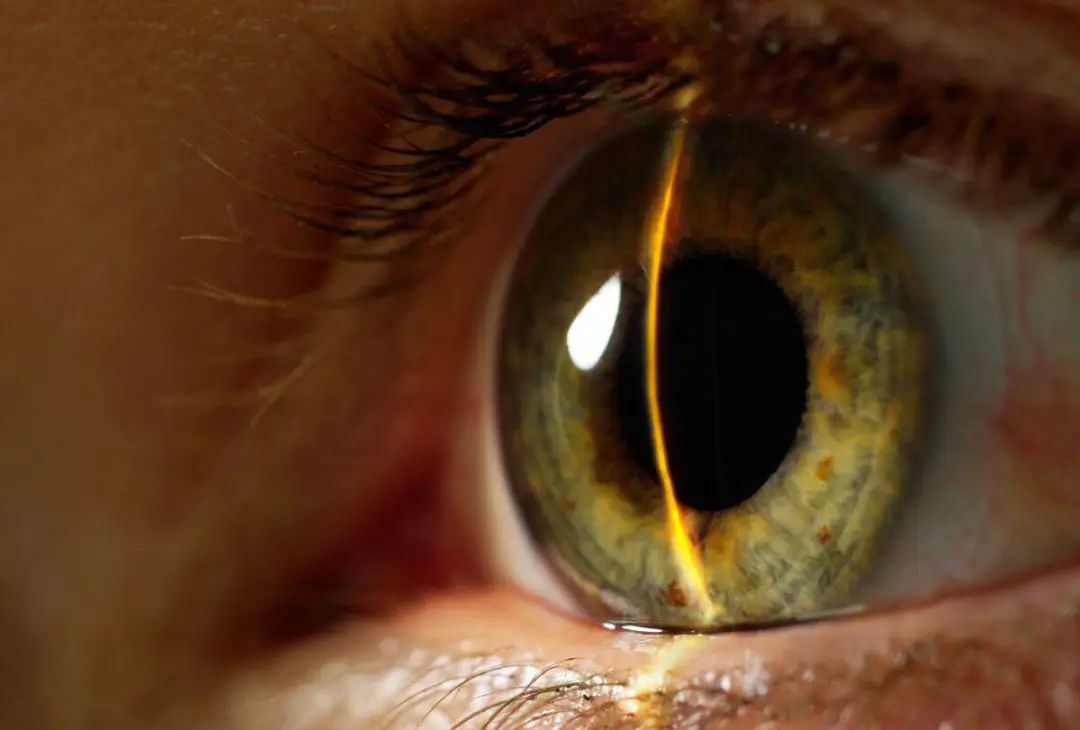
In October 2021, Snowden of Prismgate warned on Twitter:
Do not use biometrics for any purpose. The human body is not a ticket gate.
In the face of doubts from many media, the Worldcoin team gave an official explanation - unless the user changes the settings otherwise, the original image captured by the Orb will be deleted, and only the digital representation will be retained.
Specifically, the biometric information is used to generate the "IrisHash", a code that is stored locally on the Orb and is never shared, only responsible for checking whether someone has already registered .
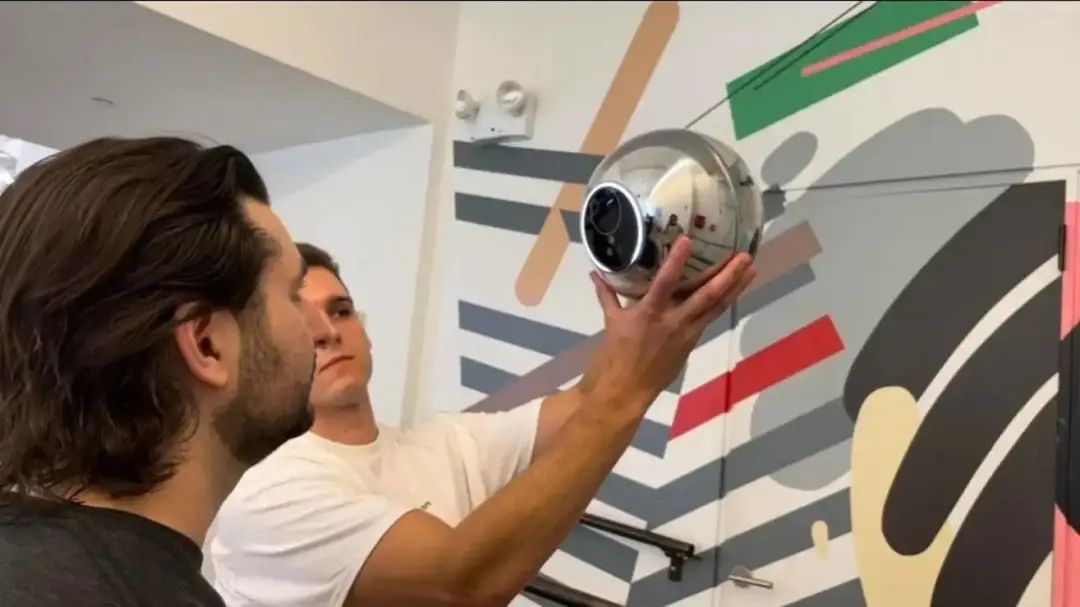
We don't want to know who you are, or your age, race, gender, eye color, just to be sure that you are unique.
This is not enough to dispel people's doubts.
Worldcoin weaves the vision of decentralization, but all Orbs for it are centralized. An associate professor of applied cryptography worried about Orb's security as hardware:
The machine itself will have some safety protection measures, but no technology is absolutely safe.
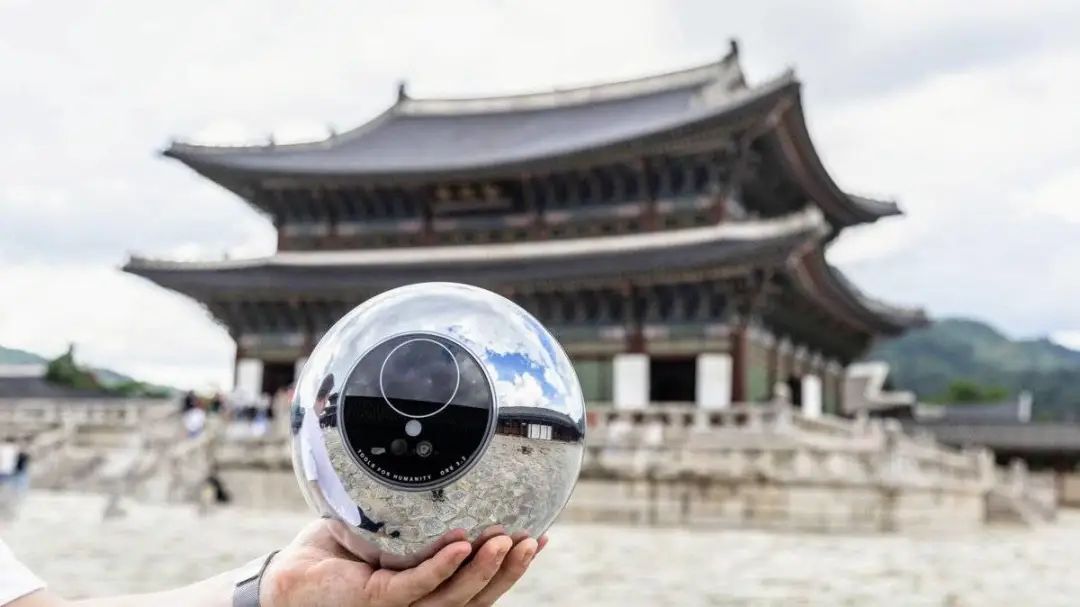
What is even more frightening is that iris verification itself cannot be 100% tenable. Ethereum co-founder Vitalik Buterin wrote in a blog post:
If an Orb manufacturer is malicious or hacked, it could also generate an unlimited number of fake iris scan hashes and provide them with World IDs.
big ambitions, unanswered questions
Privacy security is not the only question people have about Worldcoin. When tokens are given away for free every month, who will pay for it and make sure it is a sustainable project?
Jesse Walden, an early investor in the Worldcoin project, had no answer:
Most startups don’t start with a business model in mind, they usually focus on growth which eventually leads to use cases and value.
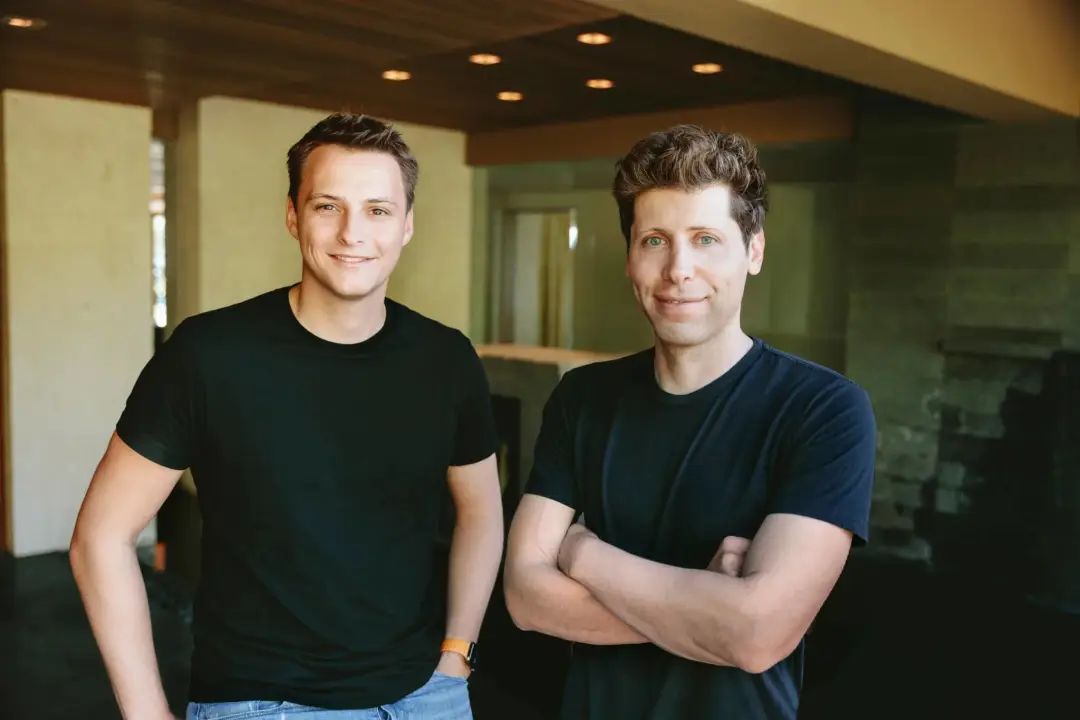
Sam Altman seems to be uncertain, and the plan given is somewhat speculative:
In the short term, when people want to buy this token, there is money flowing into the economy, and new token buyers are effectively the way to get paid.
In short, draw people in first. As for what to do in the long run, Sam Altman did not think clearly:
Ultimately, you can imagine all sorts of things in a post-AGI (artificial general intelligence) world. But we have no specific plans for that. That's not the point at this stage.
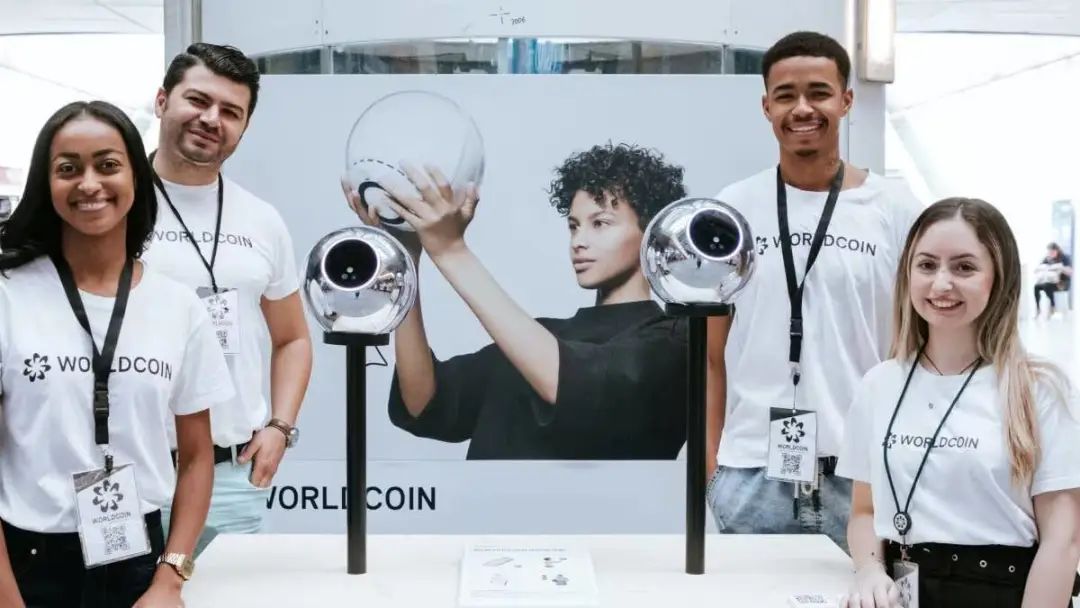
When the official Worldcoin was announced, Sam Altman said: "A new cryptocurrency that will be fairly distributed to as many people as possible."
But the fairness mentioned here may not necessarily be realized.
According to Worldcoin's white paper, the initial supply of tokens is capped at 10 billion, three-quarters of which will be allocated to users over the next 15 years, and the rest to employees and investors.
But on July 24, only 143 million tokens were issued, 100 million of which were lent to third-party market makers, special participants in financial markets responsible for keeping the market active.

An encryption audit firm pointed out that this method of token distribution with a small initial supply and a large market maker may lead to unrealistic valuations, which benefits private investors, and ordinary people in the public market basically cannot make money.
The Worldcoin token hit a high of $3.58 on launch day before falling back to $2.52.
An uncertain future cannot dampen people's enthusiasm.
On the third day of the token launch, long queues lined up all over the world, patiently waiting for the opportunity to sign up, and one person was verified every 8 seconds.

Their identities are different, people in the crypto, technology media, OpenAI fans...
However, what impresses most people is not the grand vision that cannot be touched, and it has nothing to do with AI.
They are just running for the free 25 tokens, hoping that the dream of getting rich that Bitcoin has staged will come true again.
Tech Colony, Crypto Dream
Although Worldcoin has only recently issued tokens, it has been actively searching for iris around the world and scanning them into its database for the past two years.
It may be counterintuitive that Worldcoin's first batch of 500,000 test users are not crypto elites from developed countries, but residents of places like Nairobi, Sudan, and Indonesia.
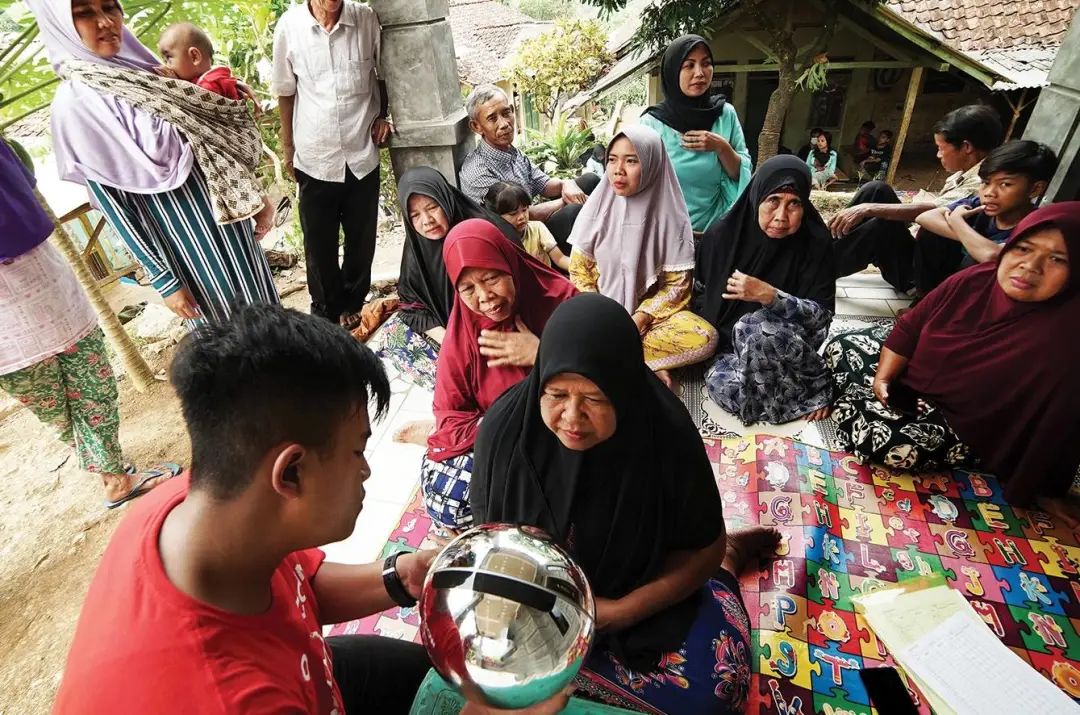
Responsible for promotion tasks around the world is a local operation team that is independent from Worldcoin. They earn a commission for every person they convince to scan their irises.
Data is important to the Worldcoin team, but it is also important to the operational staff. A head means an income.
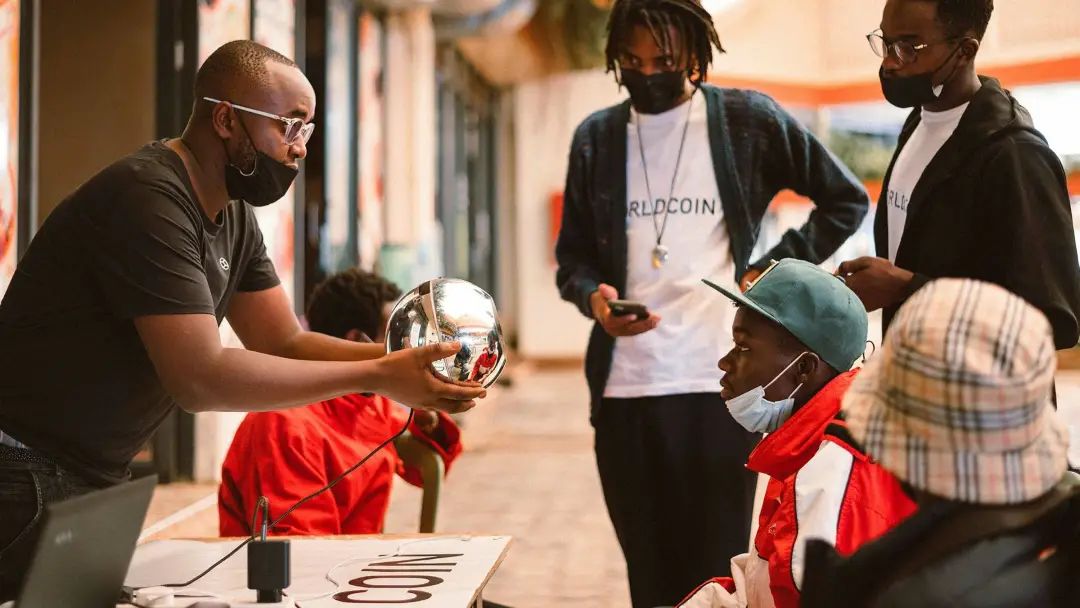
As of March 2022, Worldcoin has scanned 450,000 users in 24 countries. Fourteen of these are developing countries and eight are in Africa. Crypto insider ZachXBT wrote on Twitter:
What shocked me the most was that the WorldCoin team brags about how many users they have. In reality, they have been exploiting developing regions.
In April 2022, the "MIT Technology Report" published a 7,000-word feature article investigating the pre-testing process of Worldcoin.
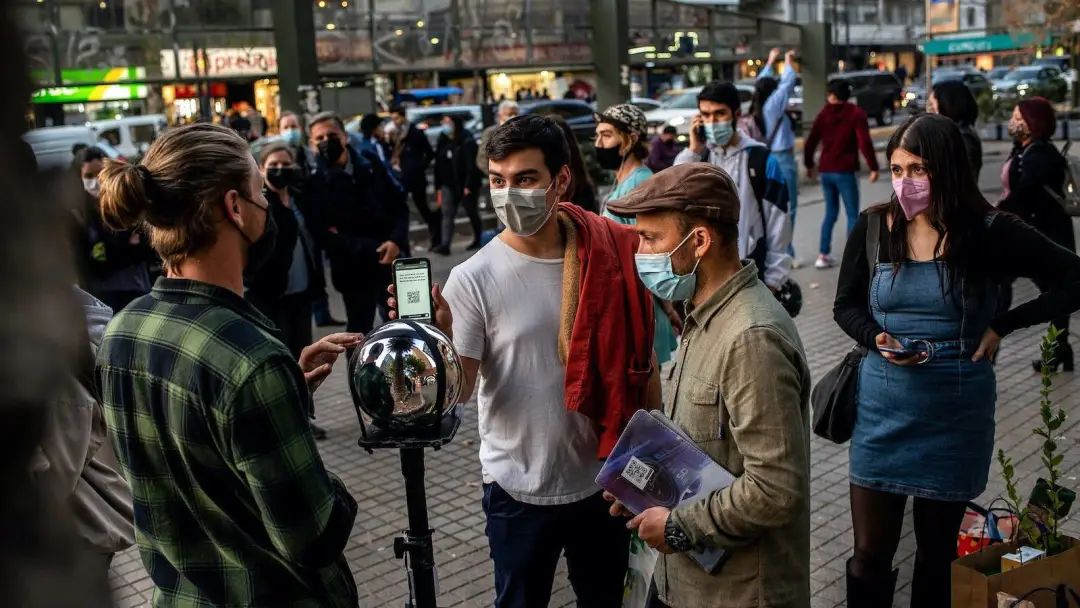
The report’s authors argued that despite Worldcoin’s ambitious promise of a cryptocurrency-based, equitably distributed universal basic income, all they had done at the time was build a biometric database based on the bodies of the poor.
The team used deceptive marketing tactics, collected more personal data than it admitted, and failed to obtain informed consent.
The Worldcoin team responded to this report. On the one hand, the project was indeed immature a few years ago, but now it has made progress, and we must look at them from a developmental perspective.
On the other hand, the report is also misleading, as more than 50% of registered users at the time were from European countries such as Norway and Finland. Their tests looked at both urban and rural areas, developed and developing regions.

No matter how you try to save respect, in these underdeveloped and vulnerable areas, it is cheaper and easier to enforce cryptocurrency experiments, which is essentially a kind of "technical colonization."
The operators even concealed the true purpose of the project and lured local residents with gifts. In places like Kenya, people can give up their biometric data for less than half a dollar.
In March 2021, Worldcoin operators in Sudan found it difficult to explain what digital currency is to locals who don't even have email. So they held an AirPod prize contest, which eventually attracted about 20,000 users.
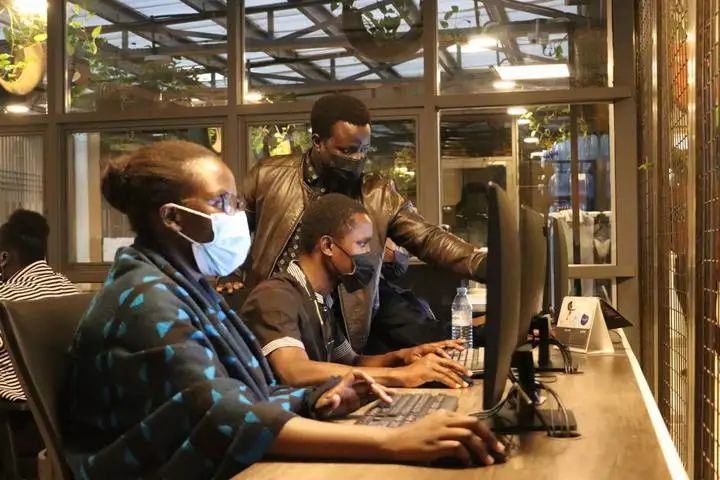
These cryptocurrency "guinea pigs" are similar to AI data labelers in Africa and other places.
AI does not refuse information, and relies on human beings to help it eliminate harmful parts of the database. Here are the darkest corners of the Internet, involving sexual abuse, suicide, torture, etc.
When AI finally hits the spotlight, data annotators perform monotonous but important duties, with psychological trauma and meager pay, and then fade into the dark.
Under various doubts, several doors of Worldcoin to the world were closed.
On August 2, the Kenyan Ministry of Communications suspended Worldcoin's operations due to data security concerns and launched an investigation.
Germany has been investigating Worldcoin since November 2022 due to concerns that it will access sensitive data on a large scale. Recently, France and the United Kingdom have also launched investigations.
In addition, Worldcoin could not be promoted in the United States at all, because regulators were concerned that cryptocurrencies were used as a tool for speculation and fraud.
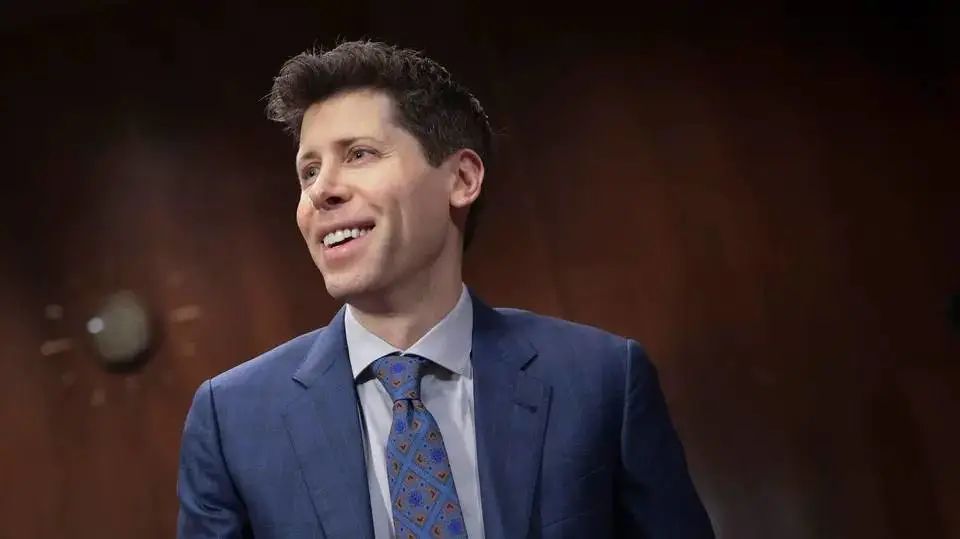
Now, the data on the official website is still growing in real time, and there are currently more than 2.2 million users in more than 30 countries. Worldcoin aims to reach 1 billion registered users by the end of 2023.
Can Worldcoin benefit everyone in the world? For now, this remains a dream with little credibility.
However, some of the more than 2 million users chose not to hesitate and handed over their irises within five minutes just because of the endorsement of the father of ChatGPT.
If Sam Altman wasn't involved, I'd think about it again.
This article is from the WeChat public account "爱范儿" (ID: ifanr) , author: Zhang Chengchen, 36 Krypton is authorized to publish.