The DTCC's tokenization pilot and the OCC's inclusive policies mark an acceleration in the migration of U.S. financial infrastructure to blockchain.
Article compiled and sourced from: ME
Introduction: Asset Tokenization Reaches a Milestone
On December 11, 2025, Depository Trust Company (DTC), a subsidiary of the Depository Trust & Clearing Corporation (DTCC), announced that it had received a No-Action Letter from the U.S. Securities and Exchange Commission (SEC), allowing it to tokenize its custodied Real-World Assets (RWA) in a controlled production environment. This move marks a significant step in the deep integration of traditional finance (TradFi) and blockchain technology and is seen as a key development in the migration of the U.S. capital market to "on-chain." Meanwhile, the Office of the Comptroller of the Currency (OCC) recently expressed its support for institutions engaged in digital asset business applying for federal banking licenses, further clarifying the compliance path for the crypto industry to enter the mainstream financial system.
According to Bloomberg, the SEC granted the DTCC a license via a no-action letter, allowing it to offer tokenized services on a pre-approved blockchain for a three-year period. SEC Commissioner Hester Peirce stated in a press release, "While the project is still in the pilot phase and subject to various operational constraints, it marks a significant step towards the market's migration to on-chain." Michael Winnike, Head of Global Strategy and Market Solutions for Clearing and Securities Services at DTCC, noted in an interview that with the license, DTCC will also extend its record-keeping operations to the blockchain.
As the core clearing and settlement center of the U.S. financial system, DTCC plays a crucial role in the equity and fixed-income product sectors. Its custodian arm, Depository Trust Co. (DTC), holds a vast amount of highly liquid assets in the U.S. market, with the latest data showing assets under custody reaching $100.3 trillion, covering 1.44 million securities issuances.
I. SEC Approves DTC Tokenization Service: Core Assets On-Chain
DTC received a no-objection letter from the SEC, authorizing it to offer a new service under federal securities laws and regulations for tokenizing custodied real-world assets. DTC expects to launch the service in the second half of 2026. This authorization applies to a range of highly liquid assets, including Russell 1000 index constituents, ETFs tracking major indices, and U.S. Treasury bills, bonds, and notes.
According to the letter of no objection, DTC may provide limited production environment tokenization services to participants and their clients on pre-approved blockchains, including L1 and L2 providers. The digital versions of the tokenized assets will enjoy the same rights, investor protection, and ownership as traditional assets, while offering the same level of resilience, security, and robustness as traditional markets.
Frank La Salla, President and CEO of DTCC, stated, “I would like to thank the U.S. Securities and Exchange Commission (SEC) for their trust in us. Tokenization of the U.S. securities markets promises many transformative benefits, such as collateral liquidity, new trading models, 24/7 access, and programmable assets, but this can only be realized if the market infrastructure is well-prepared for this new digital age. We look forward to collaborating with industry stakeholders to securely and reliably tokenize real-world assets, thereby driving the future of finance for future generations.”
To support this strategy, DTCC's tokenization solution will provide comprehensive tokenization services through the ComposerX platform suite, helping to create unified liquidity pools within the TradeFi and DeFi ecosystems and build a more resilient, inclusive, cost-effective, and efficient financial system. DTCC will release more details in the coming months, including wallet registration and L1/L2 network approval processes.
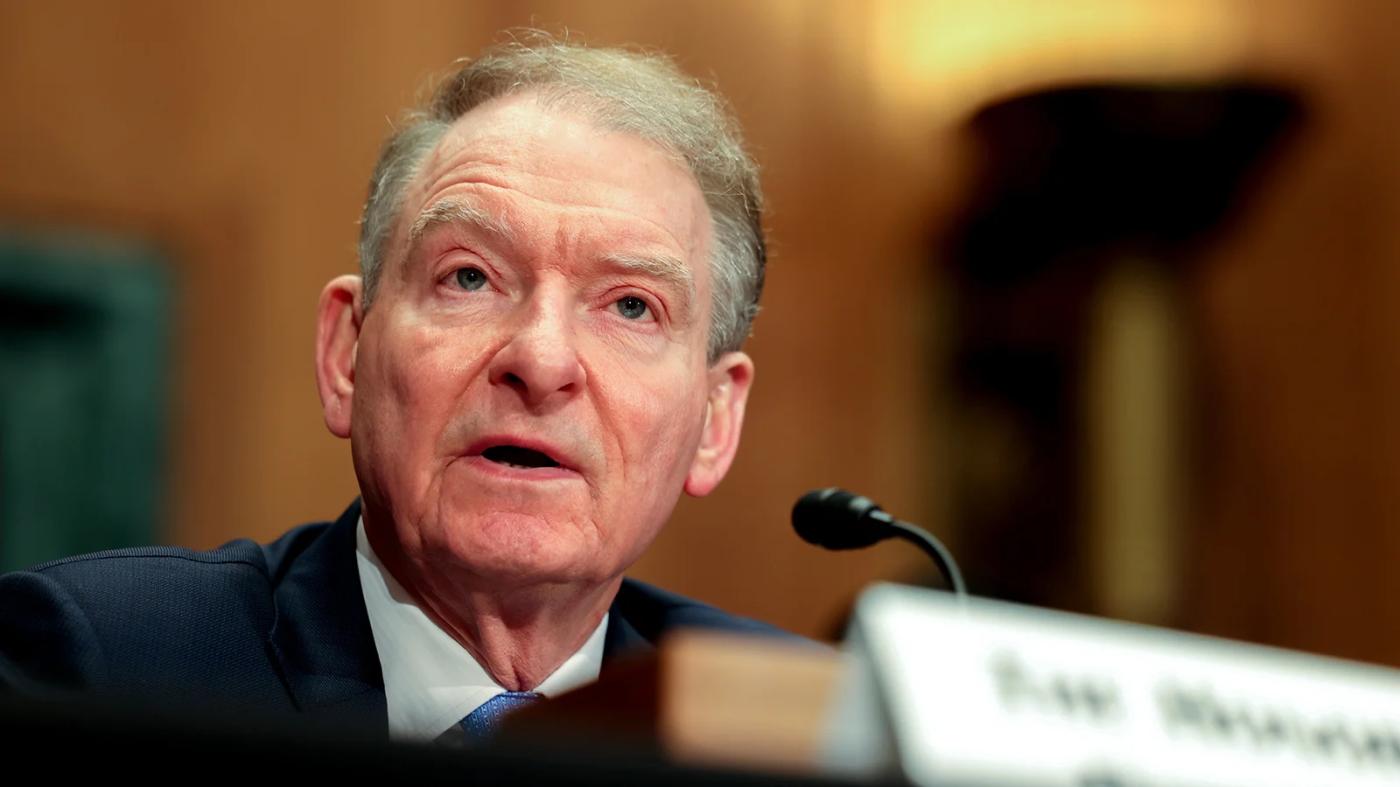
SEC Chairman Paul Atkins pointed out that on-chain markets will bring investors greater predictability, transparency, and efficiency. DTC participants can now directly transfer tokenized securities to the registered wallets of other participants, and these transactions will be tracked by DTC's official records. This move marks a significant step towards on-chain capital markets. He emphasized that this is just the beginning, and the SEC will continue to encourage innovation among market participants, drive the transition to on-chain settlement, and consider granting exemptions to allow the use of new technologies without being constrained by cumbersome regulations.
In a recent speech, Atkins further stated that the US financial market is moving towards an "on-chain" era, and the SEC is prioritizing innovation and actively embracing new technologies to help realize this on-chain future. Key policy points include: 1. Clarification of securities designation; 2. Licensing and trading liberalization; 3. Licensing system reform, introducing the "Reg Super-App" super license; 4. Decentralization inclusivity policies to protect the rights of DeFi developers; and 5. Innovative exemption mechanisms, establishing experimental channels, and supporting the development of compliant token standards.
II. OCC supports digital asset institutions applying for banking licenses.
On December 8, OCC Commissioner Jonathan V. Gould stated at the Blockchain Association Policy Summit 2025 that cryptocurrency companies seeking federal banking licenses should be treated the same as other financial institutions. So far this year, the OCC has received 14 applications for new bank establishment, including entities engaged in new or digital asset activities—a number almost equal to the total number received over the past four years.
Jonathan V. Gould emphasized that National Trust Bank has long permitted non-custodial activities and currently manages nearly $2 trillion in non-custodial assets. There is no reason to discriminate against digital assets, and banning such activities would disrupt existing business and hinder innovation. He stated that the OCC is confident in regulating new entrants and new business from existing banks in a fair and impartial manner, ensuring that equally high standards are met under similar risks.
Previously, the OCC issued Explanatory Letter 1188, confirming that national banks can engage in permitted activities related to risk-free principal-backed crypto asset trading. This series of actions reflects the US regulators' embrace of blockchain technology, driving the evolution of the financial system from the telegraph era to the blockchain era.
III. Policy Impact: The United States Dominates Global Standards for Digital Finance
With the DTC's approval to tokenize core assets such as stocks, bonds, and ETFs, real-world assets are officially incorporated into the federal securities system. These on-chain versions of assets will enjoy all the legal rights of traditional assets. The OCC's statement provides the crypto industry with a formal path to the "compliance core" of the US banking system.
The regulatory shift by the SEC and OCC is essentially the US competing for global standards in digital finance. Through its institutional and regulatory framework, the US is adopting a model similar to that of the internet era, dominating global rule-making. Tokenization promises to improve collateral liquidity, enable new trading models, provide 24/7 access, and allow programmable assets, bridging TradeFi and DeFi and building a more efficient global financial system.
This development also signifies the imminent arrival of an official token for US stocks. In the future, exchanges and platforms will be able to directly access DTC's official asset token, fully integrating stock tokens with traditional assets and truly ushering in the era of on-chain brokerages. Project teams will no longer need to manually transfer US stocks; they can directly connect to DTC, promoting a high degree of concentration and standardization on the supply side.
Conclusion
The DTCC's tokenization pilot and the OCC's inclusive policies mark an acceleration of the migration of US financial infrastructure to blockchain. This milestone not only eliminates regulatory uncertainty but also provides innovators with a clear path to bring real-world assets onto the blockchain, enabling more transparent, efficient, and inclusive capital markets. In the future, this transformation will profoundly impact the global financial landscape.