
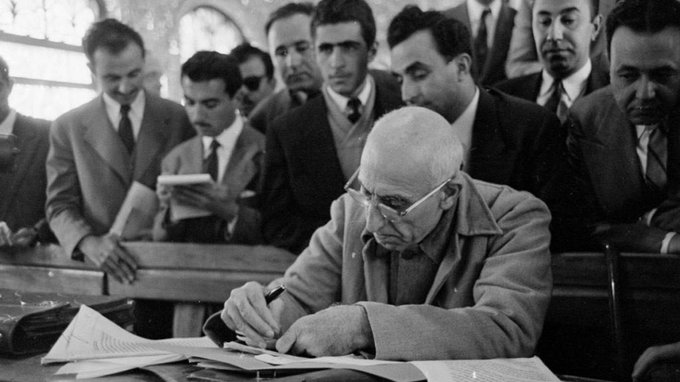
Oil, Power, Democracy & the Dollar: Blessing or Curse? Iran’s history provides the answer: 1901–1950s | The Age of Concessions It started with a signature. Western firms secured lopsided deals, gaining near-total control over Iranian oil. While the resource fueled global industry, the profits largely flowed out of the country. 1951–1953 | Democracy vs. Oil In 1951, democratically elected Prime Minister Mohammad Mossadegh made a stand for sovereignty by nationalizing the oil industry. The response? A 1953 coup backed by the CIA and MI6. Mossadegh was ousted, the Shah was empowered, and Western oil interests were restored. 1979 | The Great Break The Islamic Revolution shattered the status quo. Iran moved from being a key Western ally to a revolutionary state, ending decades of alignment and triggering a total collapse in relations with the U.S. 1980s–1990s | The Era of Containment The West shifted strategy from partnership to containment. Sanctions and regional pressure became the primary tools used to limit Iran’s influence and energy leverage. 2000s–Present | The Dollar as a Weapon The frontline has moved from oil fields to financial ledgers. Iran’s push to sell oil in non-dollar currencies and find alternative payment systems has led to intensified financial isolation and a high-stakes game of economic survival. The Bottom Line: In Iran, oil has never been "just a resource", it has been the central catalyst for coups, revolutions, and the modern financial wars we see today.

From Twitter
Disclaimer: The content above is only the author's opinion which does not represent any position of Followin, and is not intended as, and shall not be understood or construed as, investment advice from Followin.
Like
Add to Favorites
Comments
Share
Relevant content