Vitalik Buterin, the co-founder of Ethereum , recently wrote an article titled " L2 is the cultural extension of Ethereum ", saying that the second layer of Ethereum (Layer 2) is not only an extension of the technical level, but also an extension of the cultural level. He pointed out:
Ethereum is a second-layer-centric ecosystem, and such ecosystems bring more diversity and innovation because they allow the freedom to construct sub-ecosystems with unique functions while being part of the larger Ethereum part of the workshop.
Vitalik said that this diversity is not only reflected in technology, but also in culture, with various cultural values shaping the development direction and user groups of Ethereum.
Three major sub-cultures of Ethereum: Cypherpunk, Regens and Degens
Vitalik went on to point out the importance of culture, saying that culture itself is part of motivation:
It determines who is attracted to an ecosystem and who is repelled.
It affects people's behavioral motivations, that is, which behaviors people are motivated to perform and which behaviors they are able to perform. It also affects what behavior is considered legal both at the protocol design and at the overall ecosystem or application level.
Citing research by researcher Paul Dylan-Ennis, Vitalik pointed out that the cultural diversity of Ethereum includes three major sub-cultures: Cypherpunk, Regens and Degens, and each sub-culture plays a role in different areas of Ethereum.
Cypherpunk : The Cypherpunk ethos represents a commitment to open source development and the DIY or punk style. In Ethereum, Cypherpunks are responsible for building the infrastructure and tools but remain neutral on how they are used. While Cypherpunks have traditionally valued privacy, it has not always been a priority in Ethereum, however, a new Cypherpunk movement called Lunarpunk has emerged to advocate for a renewed focus on privacy issues.
=>Participate in the core research and development of Ethereum and write privacy software
Regens : Many influential voices in Ethereum are committed to a regenerative (regen) approach to developing the technology. This approach stems from Vitalik Buterin's interest in politics and social science, and many Regens engage in governance experiments with the intention of revitalizing, improving or even replacing existing institutions. This subculture is known for its experimental nature and focus on public goods.
=>Conduct Gitcoin grants , retroactive public funding , and various other non-financial applications
Degens: Comprised of users purely pursuing speculation and wealth accumulation, Degens are financial nihilists who exploit current trends and hype in the hope of getting lucky and escaping the competition of modern neoliberal capitalism. Degens often take huge risks, but they do so with a sense of irony and detachment.
=>Trade memecoins, NFTs and play games
Vitalik added that these are not the only three important groups in Ethereum, and one can even question the extent to which they are consistent groups. He gave the example of for-profit institutional groups and people who buy monkey photos as culturally very different. this
Reflecting the diversity within the Ethereum community, he believes that this multiculturalism is a huge advantage for Ethereum, so he then asked: Can we further strengthen this cultural diversity?
L2 is the ideal action platform for sub-culture
In response to this problem, Vitalik believes that L2 provides a solution. He believes that the ideal L2 should have unique values and user groups. For example, Polygon has succeeded through cooperation with mainstream companies and its continuously developing high-quality ZK ecosystem; Optimism has achieved success through the public chains Base and World Chain built by its technology, and Emphasis on cultural ideas such as retroactive public funding and more than just token-based governance .
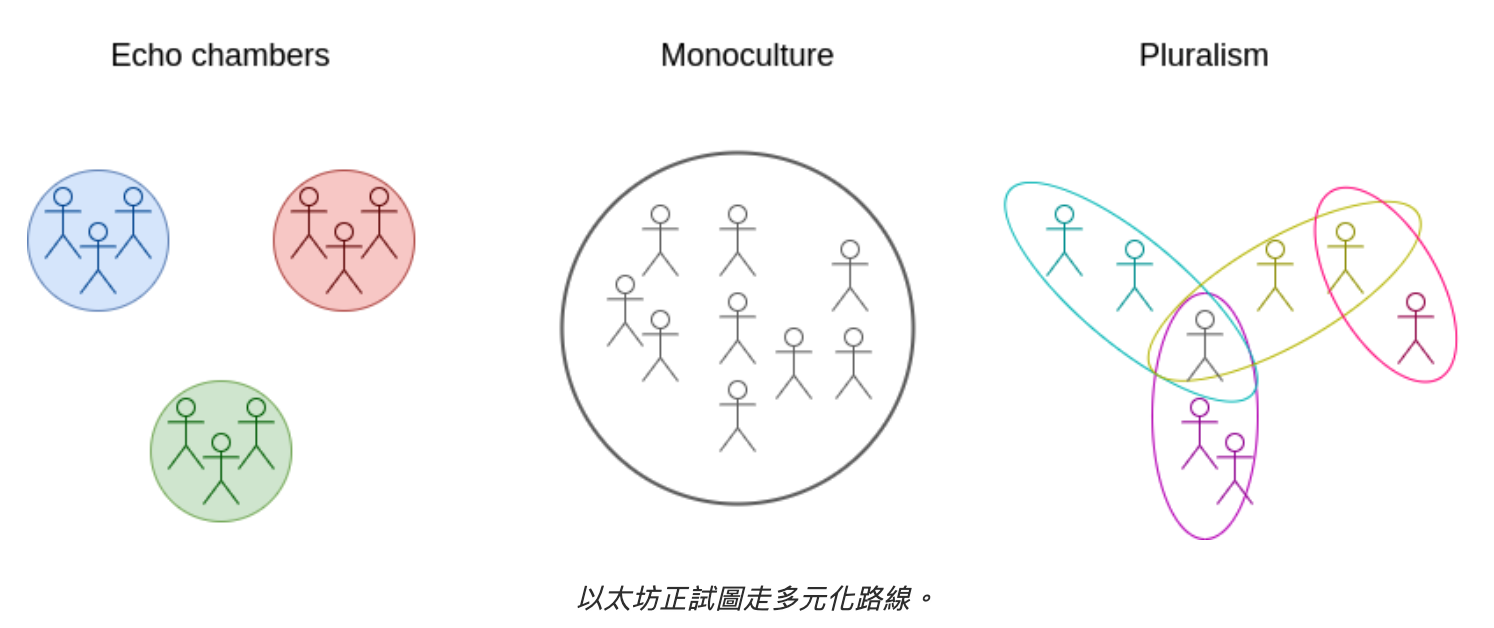
Vitalik emphasizes that an important feature of L2 is that it provides any subculture with an ideal platform for action. He believes that an L2-focused strategy can balance the benefits of pluralism with collaboration between subcultures that, while different, share some core values and work together on critical common infrastructure.
He admitted that this approach may encounter challenges such as falling into a monoculture, but he believes that Ethereum is an ongoing experiment, and the charm of this ecosystem lies in its willingness to solve difficult problems head-on.